

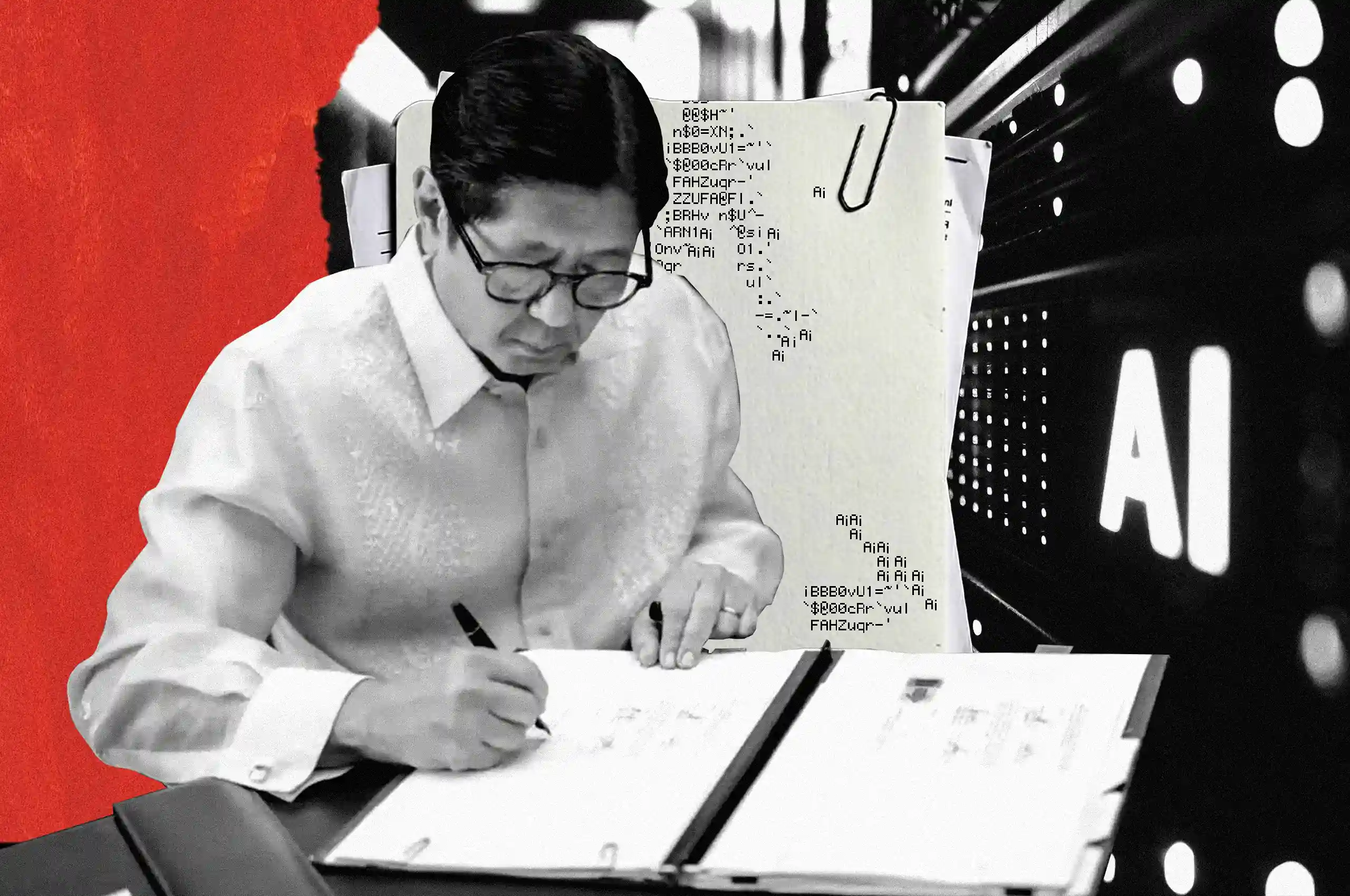
The Philippines has taken an extra step in tackling artificial intelligenceArtificial IntelligenceComputer systems that generate or analyze text, images, and music, now reshaping how art is made and how media and work operate. In the Philippines, it raises live questions aboutGo to Artificial Intelligence Glossary (AI) with Executive Order No. 131, officially establishing the National Artificial Intelligence Council (NAIC).
Signed last November 12 by President Ferdinand Marcos Jr., it also adopts the AI governance framework previously approved by the National Innovation Council, which will serve as “the national strategic guide for policy formulation, regulatory coordination, institutional development, capacity-building, and other governance measures necessary to support and strengthen the country’s AI ecosystem.”
It’s not the first government measure to put closer tabs on the technology. In 2025, the Department of Science and Technology (DOST) built the National AI Strategy for the Philippines, or NAIS-PH, to “guide the development, deployment, and governance of AI in the country through 2028.” In August 2026, Akbayan Party-list Rep. Chel Diokno filed House Bill 10362, or the National AI Governance Act, which aims to establish a national framework for AI use in the country and contains the AI Bill of Rights, or a set of protections for people affected by the technology. Just this November, Senator Mark Villar filed Senate Bill No. 2620, or the proposed Kontra Malisyosong AI Act, to regulate malicious AI use and penalize deepfakes.
So, what else can the NAIC offer, and does it have the teeth that the country needs?
A COORDINATED APPROACH TO AI
Executive Secretary Ralph Recto is assigned to chair the council, while the Department of Economy, Planning, and Development (DEPDev) serves as the secretariat.
The members are composed of the secretaries from the Department of Information and Communications Technology (DICT), DOST, Department of Trade and Industry (DTI), Department of Finance (DOF), Department of Education (DepEd), Department of Labor and Employment (DOLE), Department of Budget and Management (DBM), the Chairperson of the Commission on Higher Education (CHED), the Director General of the Technical Education and Skills Development Authority (TESDA), and one representative from the private sector to be appointed by the president.
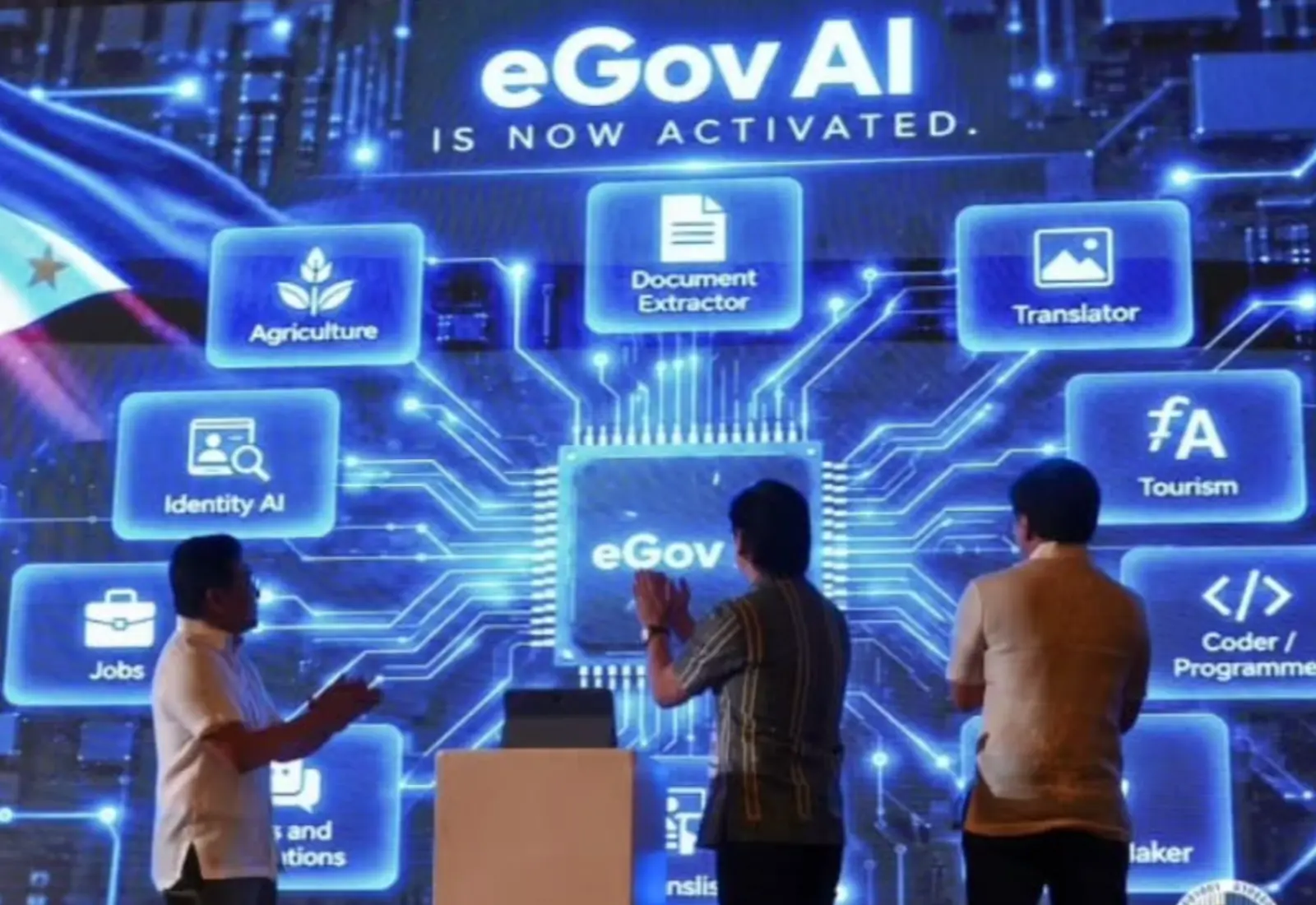
The DICT, in particular, was assigned to digitally monitor, report, and track the implementation of the AI Governance Framework and the action plans. Broadly, the council has the duty to “recommend policy, regulatory, fiscal, institutional, and legislative measures to the President necessary to accelerate AI adoption and safeguard the rights and welfare of workers and learners affected by AI-driven transitions.”
With the coordination of 10 departments, the inter-agency council provides a more inclusive approach to AI governance and development. It can identify policy gaps and recommend more measures, but this executive order does not, by itself, establish or implement a law that actually penalizes AI misuse. The country still has yet to see a comprehensive set of teeth to bite into the technology’s growing threats. In December 2025, ANC reported that Marcos himself said crafting a law to regulate its use is “not that easy” as legislators do not wholly understand AI.
The AI COUNCIL’s limits
For now, Filipinos remain reliant on existing auxiliary regulators that cover specific concerns, such as the National Privacy Commission for data privacy over AI deepfakes and the Bangko Sentral ng Pilipinas for guidelines and defenses against AI risks in the finance sector — organizations that act only within their respective jurisdictions.
Marcos remains an advocate of the technology’s development in the country, saying that “AI is here and will be here to stay.” He also questioned the protesters of the United States-led Pax Silica initiative — which aims to secure a global supply chain for AI growth — and clarified that no data centers are planned, despite House Bill No. 11758 containing a provision for their establishment and operation.
Frequently Asked Questions
The National Artificial Intelligence Council (NAIC) is an inter-agency body created by Executive Order 131 and signed on November 12, 2026, to coordinate AI policy and oversee the technology.
Executive Secretary Ralph Recto chairs it; DEPDev serves as the secretariat; and members include the department heads of DICT, DOST, DTI, DOF, DepEd, DOLE, DBM, CHED, TESDA, and one representative from the private sector to be appointed by the President.
No. The order does not include penalties for AI misuse; the council can only recommend policy and legislative measures to the President.
No. The Philippines has no comprehensive AI law yet; House Bill 10362, the National AI Governance Act, has only been filed.
Sector regulators, such as the National Privacy Commission for deepfakes and the Bangko Sentral for finance, each within their own jurisdiction.
Recommended Video