


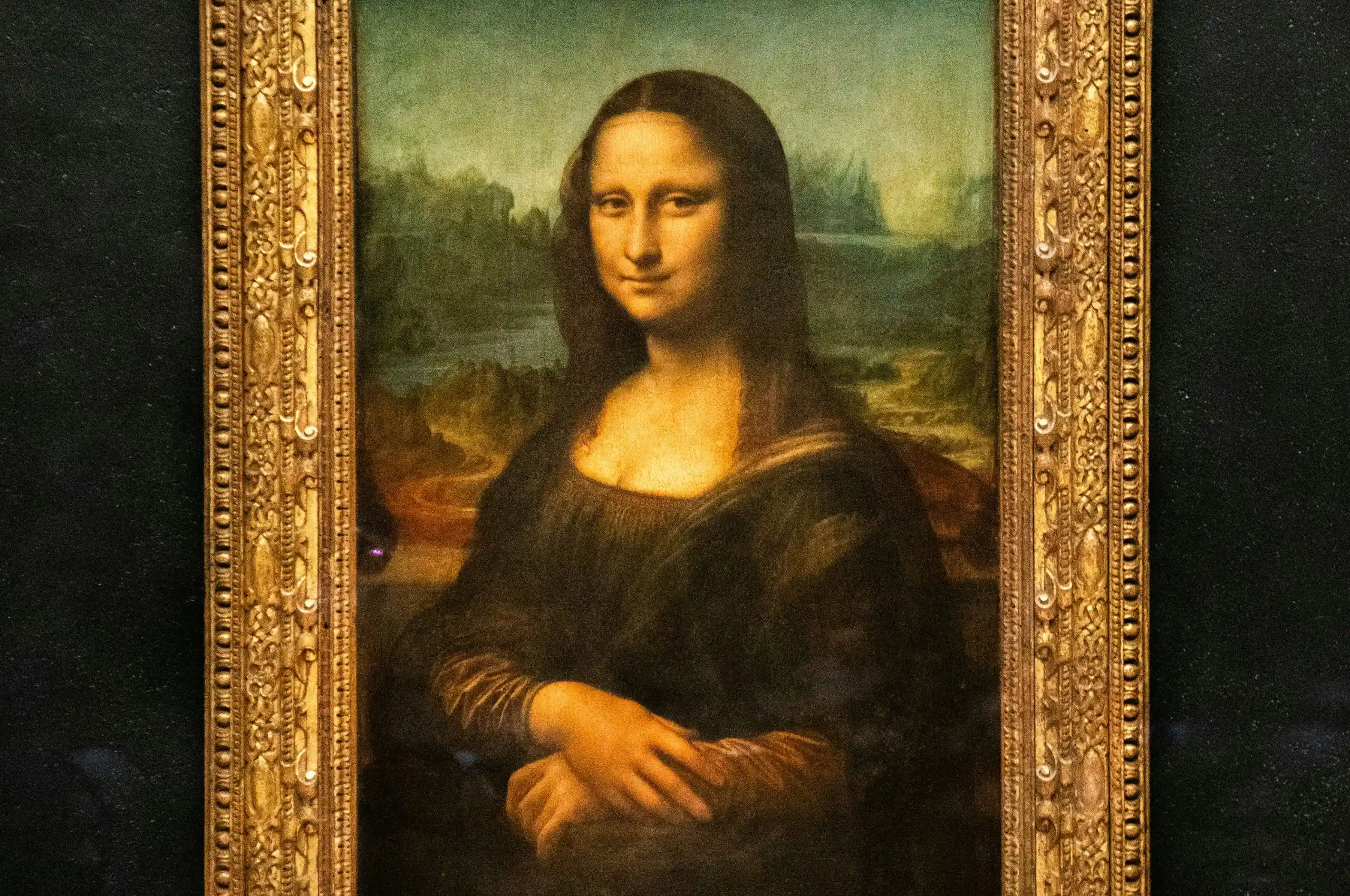
What do soup, rocks, and cake all have in common? They’ve all been thrown at the “Mona Lisa,” considered to be the most visited painting in the world.
Recently, a viral video of a man vandalizing the painting resurfaced online, nearly four years after the incident. On May 30, 2022, a man disguised as an elderly woman in a wig and a wheelchair threw cake at the “Mona Lisa” and told people to “think of the Earth” as he was escorted out. But that was neither the first nor the last time “La Gioconda,” another name for the painting, would be attacked.
Believed to have been painted by literal Renaissance man Leonardo da Vinci between 1503 and 1506, the “Mona Lisa” has been in France’s possession since King Francis I bought it following da Vinci’s death in 1519, and was first put on display at the Louvre in 1797. Since then, people have been trying to get their hands on the masterpiece, either for profit or in protest. Here, we look at the recorded history of the “Mona Lisa” being attacked.
Theft in 1911
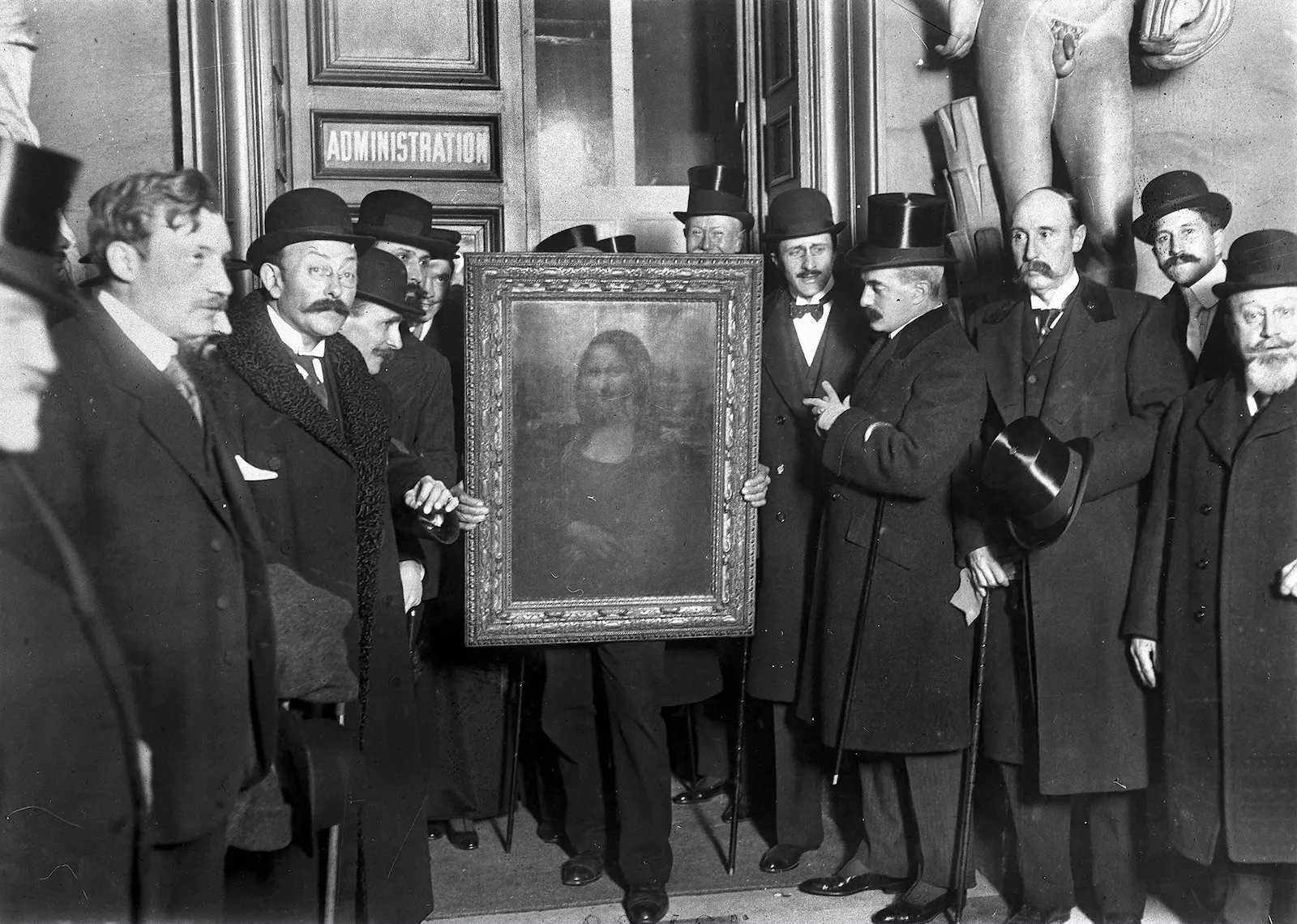
On August 21, 1911, glazier and Louvre employee Vincenzo Peruggia hid in a broom closet and waited for the Salon Carré to empty before he removed the “Mona Lisa” from the wall, wrapped it in the white smock uniform of the museum employees, and took it to his apartment. Peruggia had worked on the painting’s glass case, but he was also an Italian patriot who believed that it should have been returned to Italy. The “Mona Lisa” could not be found for two years and was only discovered when Peruggia tried to sell it to the Uffizi Gallery in Florence in 1913.
The Case for the Bulletproof Case
In 1956, while the painting was on display in Montauban, France, a woman threw acid on the painting’s lower half, but no significant damage was reported. Later that year, on December 30, a homeless Bolivian man named Hugo Unzaga Villegas threw a rock at the “Mona Lisa,” breaking its glass case and chipping a part of the left elbow. According to Cabinet Magazine, Villegas visited the Louvre with a rock in his pocket when the thought of throwing it at the painting occurred to him. By doing so, he had also hoped to find shelter in jail. After this, the painting’s glass case was replaced with bulletproof glass.
Angry Visitors
When the painting was on display at the Tokyo National Museum on April 21, 1974, a disabled woman sprayed the glass case with red paint. She did this in protest of a museum policy that excluded disabled persons from crowded exhibitions to maintain the orderly flow of visitors. On August 2, 2009, a Russian woman threw a mug at the painting, later telling police that she was frustrated because she wasn’t granted French citizenship.
The Soup Attack
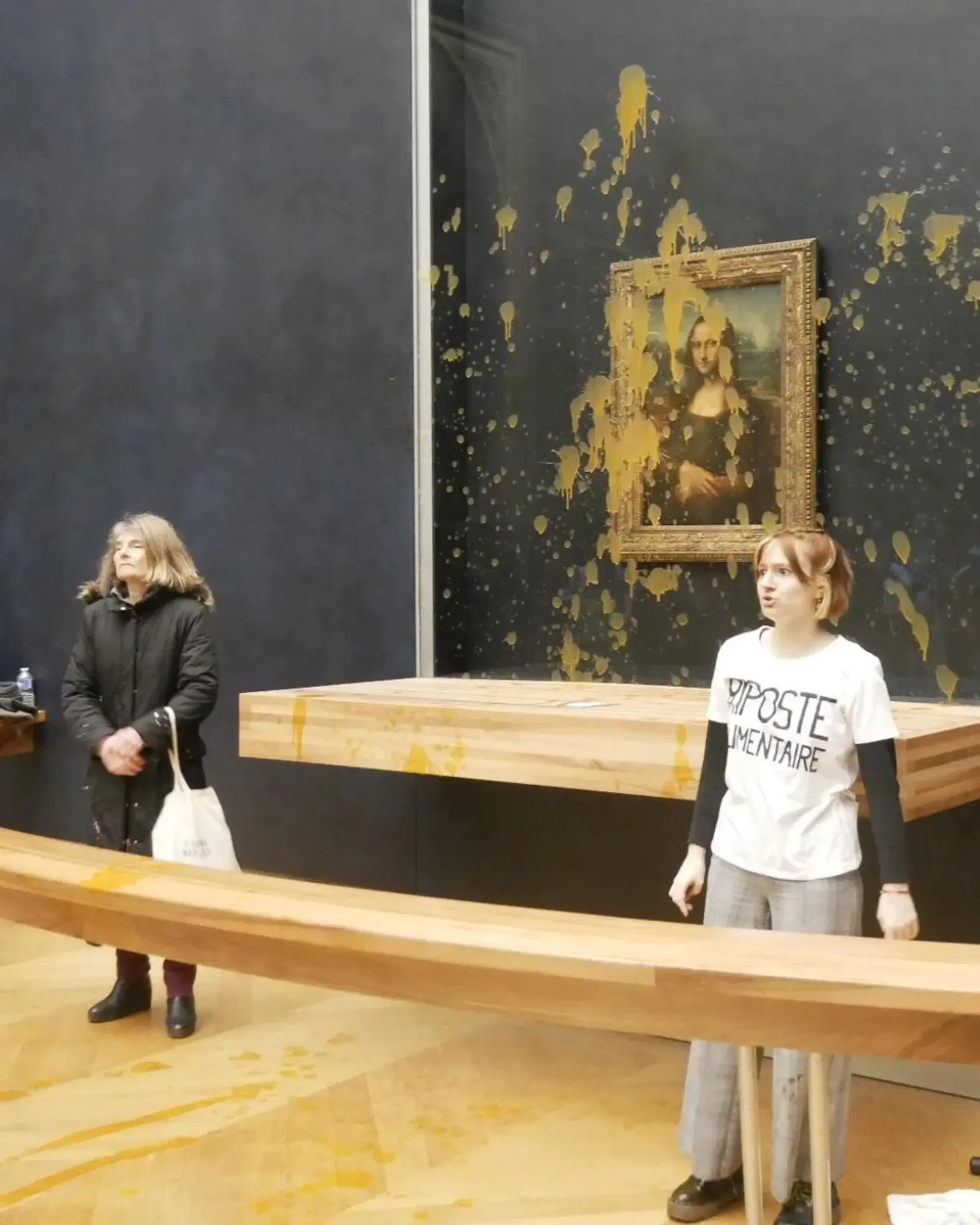
The soup usually comes before the dessert, but in the case of the “Mona Lisa,” the reverse is true. The cake incident in 2022 was followed on January 28, 2024 by a couple of female environmental activists. The two hurled soup at the painting and faced the other visitors to say, “What is more important, art or the right to healthy and sustainable food?” Like the cake attack and another protest action involving canned soup and Vincent Van Gogh’s “Sunflowers” in the U.K. that same year, this incident also sparked online debate about whether it’s right for activists to throw food at protected cultural heritage to make a statement.
Frequently Asked Questions
Louvre employee Vincenzo Peruggia stole the Mona Lisa in 1911 believing the Renaissance masterpiece belonged in Italy. He hid the painting in his apartment for two years before being apprehended while attempting to sell it to an art gallery in Florence.
The Louvre installed bulletproof glass around the Mona Lisa following two vandalism incidents in 1956. An acid attack earlier that year was followed by a Bolivian man throwing a stone that chipped paint off the subject’s elbow, prompting heightened security measures.
Activists from the group Riposte Alimentaire threw pumpkin soup at the Mona Lisa’s protective enclosure to demand sustainable food systems. The act sought to highlight agricultural issues by confronting visitors with a choice between protecting art or human livelihood.
The Mona Lisa suffered no physical damage during the May 2022 cake attack. A protester disguised in a wheelchair smeared dessert across the protective glass enclosure to raise climate change awareness before museum security escorted him from the gallery floor.
High-profile attacks ranging from political protests to climate actions have continuously reshaped the Mona Lisa’s physical security. Today, bulletproof glass, perimeter barriers, and dedicated security guards isolate Leonardo da Vinci’s canvas from physical harm while preserving public visibility.
Recommended Video