

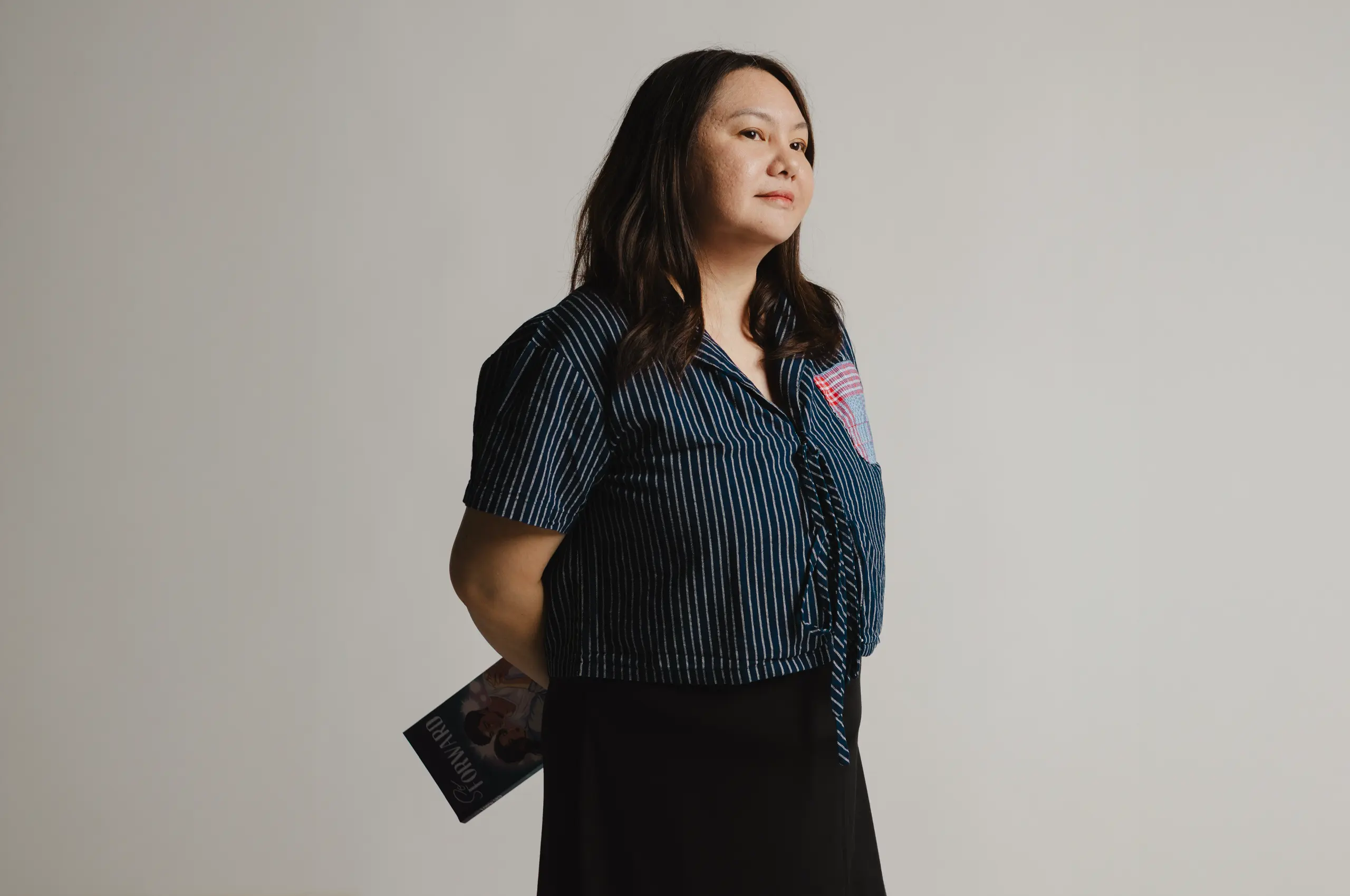
Mina Esguerra has had a long love affair with romance.
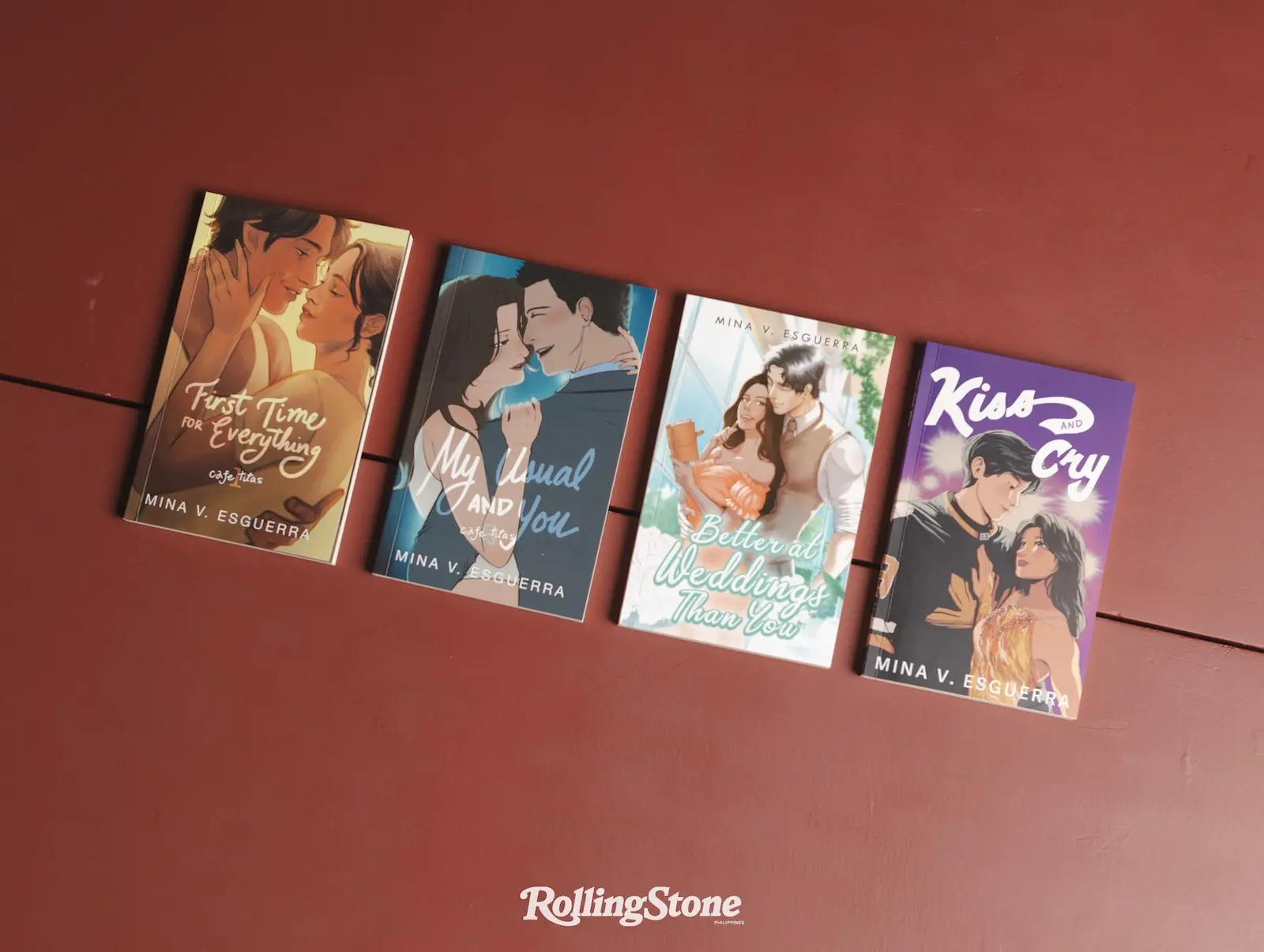
The Filipino author, who currently has 29 published titles, has become one of the most recognizable names in the local romance writing scene. Her novellas, like the hockey romance Kiss and Cry and the rivals-to-lovers situationship Better at Weddings Than You, have been featured by platforms such as NPR and The Seattle Review of Books. Her novella That Kind of Guy, which sees its two leads break up and fall back into each other’s lives again, took home the 2013 Filipino Readers’ Choice Award for Chick Lit.
In 2013, Esguerra doubled down on her love for the genre by founding RomanceClass, a community of Filipino romance writers who come together for online writing workshops, pitching sessions, and overall support to help get their manuscripts off the ground.
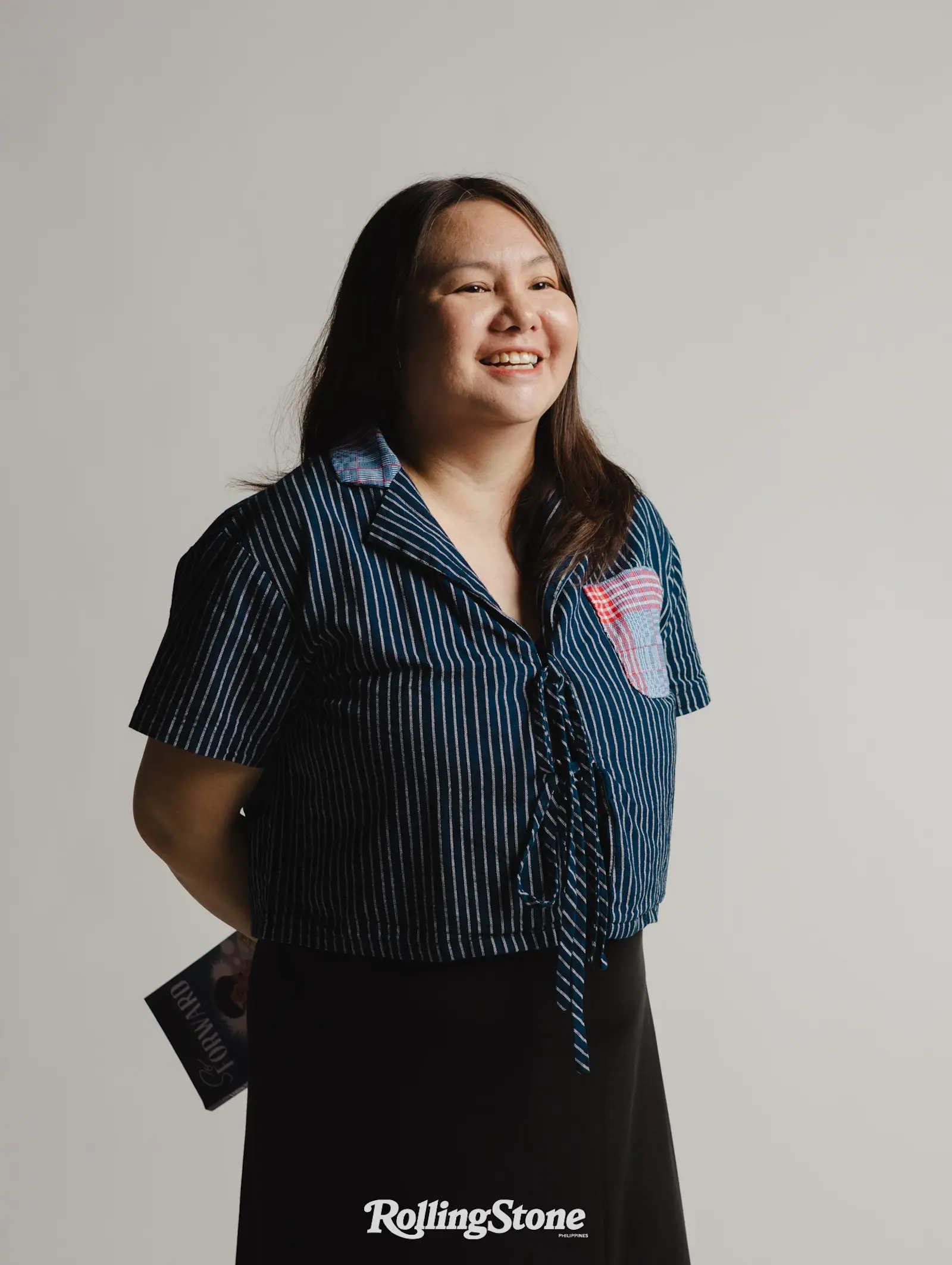
Since its first workshop, RomanceClass has helped over 100 members get published. From BL (short for Boys’ Love) novellas like H. Bentham’s Kiss Away the Goodbye, to supernatural love stories like Celestine Trinidad’s Ghost of a Feeling, to sapphic romances like Chi Yu Rodriguez’s No Two Ways, RomanceClass has spawned books that play with all different iterations of the genre.
But despite her well-established career as a writer and mentor, Esguerra says that she is first and foremost a romance lover. “When I was a teenager, the books that got me into reading were the ones with romance plots,” Esguerra told me. Our conversation started off, rather appropriately, with the RomanceClass founder talking about her favorite genre trope: enemies-to-lovers. Esguerra’s honorable mentions included the Sweet Dreams novella, Wrong-Way Romance, and fanfictions starring Agents Mulder and Scully from The X Files.
“There needs to be tension,” said Esguerra on what drew her to these particular romantic storylines. “What’s very delicious for me, both as a romance reader and writer, is how a lot of tension can push your romantic leads to really challenge each other.”
What Makes a Book a RomanceClass Book?
Esguerra started RomanceClass after scrolling through Twitter and realizing that there were people out there who were interested in writing romance, but didn’t know where to start.
“I felt like I could help other people write a contemporary romance,” recalled Esguerra. “So I made that course, which was free and online, and 100 people ended up joining. What a surprise! The whole course ran for six months, and the community formed very quickly after that.”
That first class taught Esguerra a lot about what Filipino writers are comfortable with when writing romance. “We didn’t have a lot of rules back then,” said Esguerra, “and we let people write what they wanted. But… for example, when we got back all the finished manuscripts, none of them had sex scenes. So the following year, I made sex scenes required: you had to learn how to write sex.”
However, holding firm on that rule also led to Esguerra learning something more concerning about romance writers. “I stumbled upon the realization that a lot of Filipino writers — who are already adults, by the way — don’t know how to write consent,” she said. “They don’t know how to write romantic situations between two consenting adults. So I made a new, permanent rule: consent.”
There is currently a set of criteria that all writers must abide by when submitting their work to RomanceClass. Besides the rule on sexual consent, all submissions must be written in English to help them “have a life” on global self-publishing platforms like Amazon, according to Esguerra.
Submissions must also involve the RomanceClass community in some way, whether this means tapping members to edit a rough draft or asking for feedback during a class. “That’s actually the most fun part of the class,” noted Esguerra. “Imagine experienced romance authors getting feedback from very well-read romance readers. These people, of course, don’t just read published romance that you buy in bookstores. They read fanfics, they watch K-dramas, they’re immersed in the lifestyle.”
Esguerra has also become more wary of accepting members into a class, and it’s an unspoken rule that everyone should be romance fans. Esguerra currently has all interested applicants fill out a form first and cite their favorite romance movies, shows, books, and more. “We’ve gotten writers who… feel like they can join a class without ever having read anything romance, or are just very anti-romance,” said Esguerra. “I suspect that they [sign up] because they feel romance is easy, but they show up to class not having done their ‘homework’ right. And that’s the thing, too; [I’ve] been reading romance since we were teens, but for these people, reading romance feels like homework to them.”
Happy Endings
But perhaps one of the most important rules is this: all RomanceClass projects must have a happy ending.
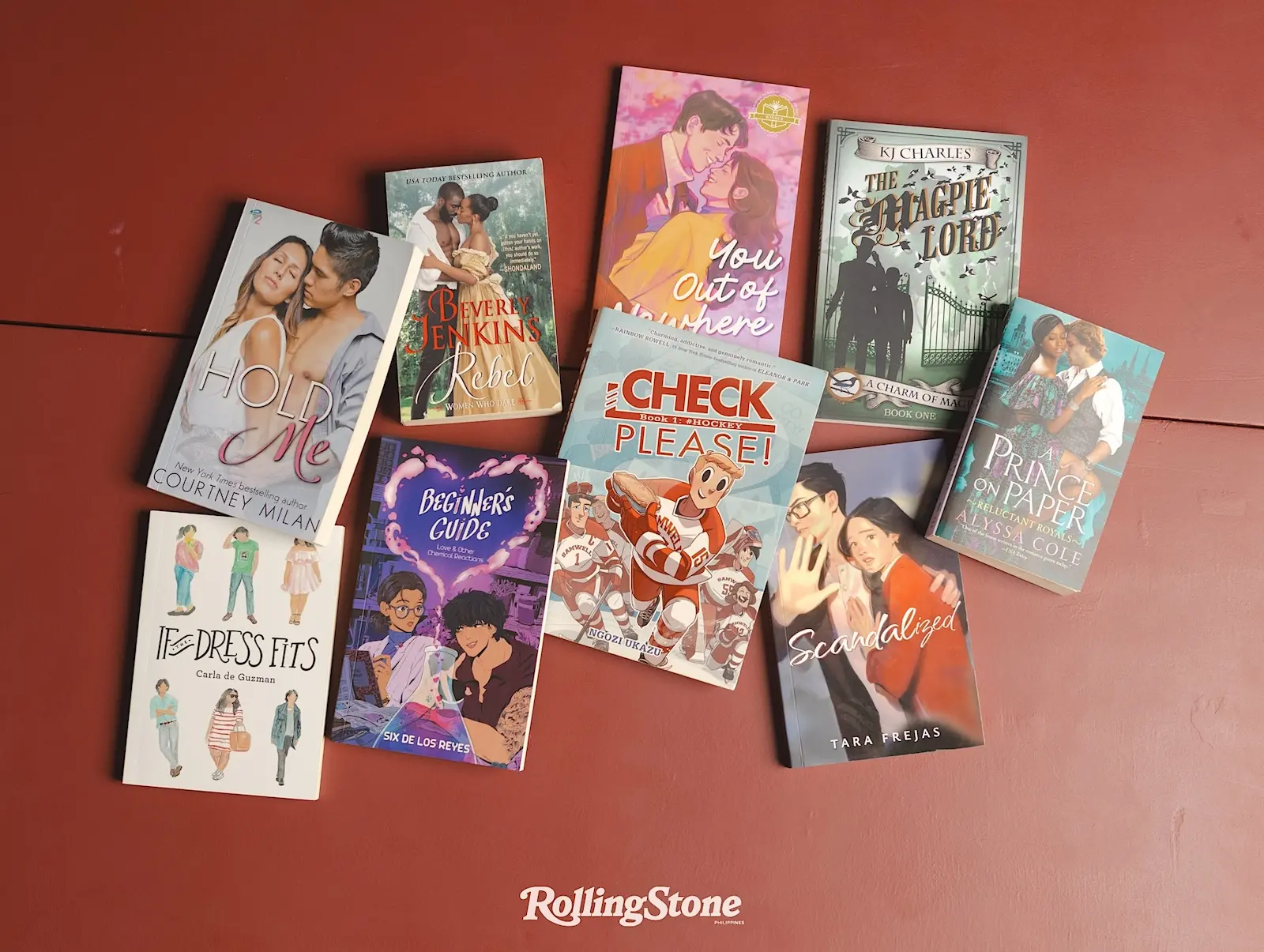
For another part of our interview, Esguerra walked me through the storylines of her favorite books to come out of RomanceClass workshops. There was Carla De Guzman’s If The Dress Fits, which follows a plus-sized accountant who ends up falling for her best friend after enlisting him to be her fake boyfriend for a wedding. There was Jay E. Tria’s You, Out of Nowhere, which centers around a 31 year-old woman fighting her feelings for a stranger seven years her junior. There was even her own Cafe Titas series, which follows different single women as they find love in their 40s.
“We’re writing about characters who don’t normally get happy endings [in romance novels],” said Esguerra. “Mas satisfying kung happy ang ending nila.”
Although a number of RomanceClass books lean on traditional romance tropes, many of them do their best to push back against them completely. This is in part due to Esguerra challenging RomanceClass members to write less conventional romantic leads and to make sure that said leads get the ending that they deserve.
“These challenges have helped incentivize people to broaden the scope of what Filipino romance can be,” she said. “I think the instinct of a lot of writers, especially because of the industry, is to write to what themes or trends will get them a publishing deal, or some kind of recognition.”
Problematic Storylines
Unfortunately, as Esguerra found out, not everyone believes in broadening the scope of Filipino romance.
Esguerra recalled meeting with a local studio to discuss adapting several RomanceClass novels, including her own, into onscreen projects. A studio head had been present at the meeting.
“That was a mistake,” said Esguerra. “I, the author, should not have been talking to the studio head, because authors don’t know how to leverage what we have. And if an author is really dreaming about getting a movie made, then they shouldn’t be the person negotiating. There won’t be any negotiation! They’ll just be like, ‘Sure, do anything to me.’”
She then explained how the studio’s representatives began saying that they were interested in adapting the novels, but that they would be making a number of changes. “The question they [asked me],” said Esguerra, “was, ‘So your community has an editorial guideline for agency and consent: How attached are you to that?’”
“We’re writing about characters who don’t normally get happy endings [in romance novels]. Mas satisfying kung happy ang ending nila.”
“That was funny to me,” continued Esguerra, “because the reason why we write, the reason why that guideline exists, is because of Filipino romance movies where women have to suffer. These movies are usually male-female romances, and the men are terrible, and the women… if they get a happy ending, it’s so hard for the woman because they had to either sacrifice something or the man had to really grovel. What kind of change are we promised? Do we feel good about that happily ever after if the woman has to give something up? And do we trust that the guy is actually sorry and will never do… whatever he did, again?”
Consequently, a second meeting with the studio never transpired, but Esguerra was fine with that. “If you are intentional about showing consent in your books,” she said, “then it will have the right impact on the audience and bring up the right conversations.”
Romance on the Rise
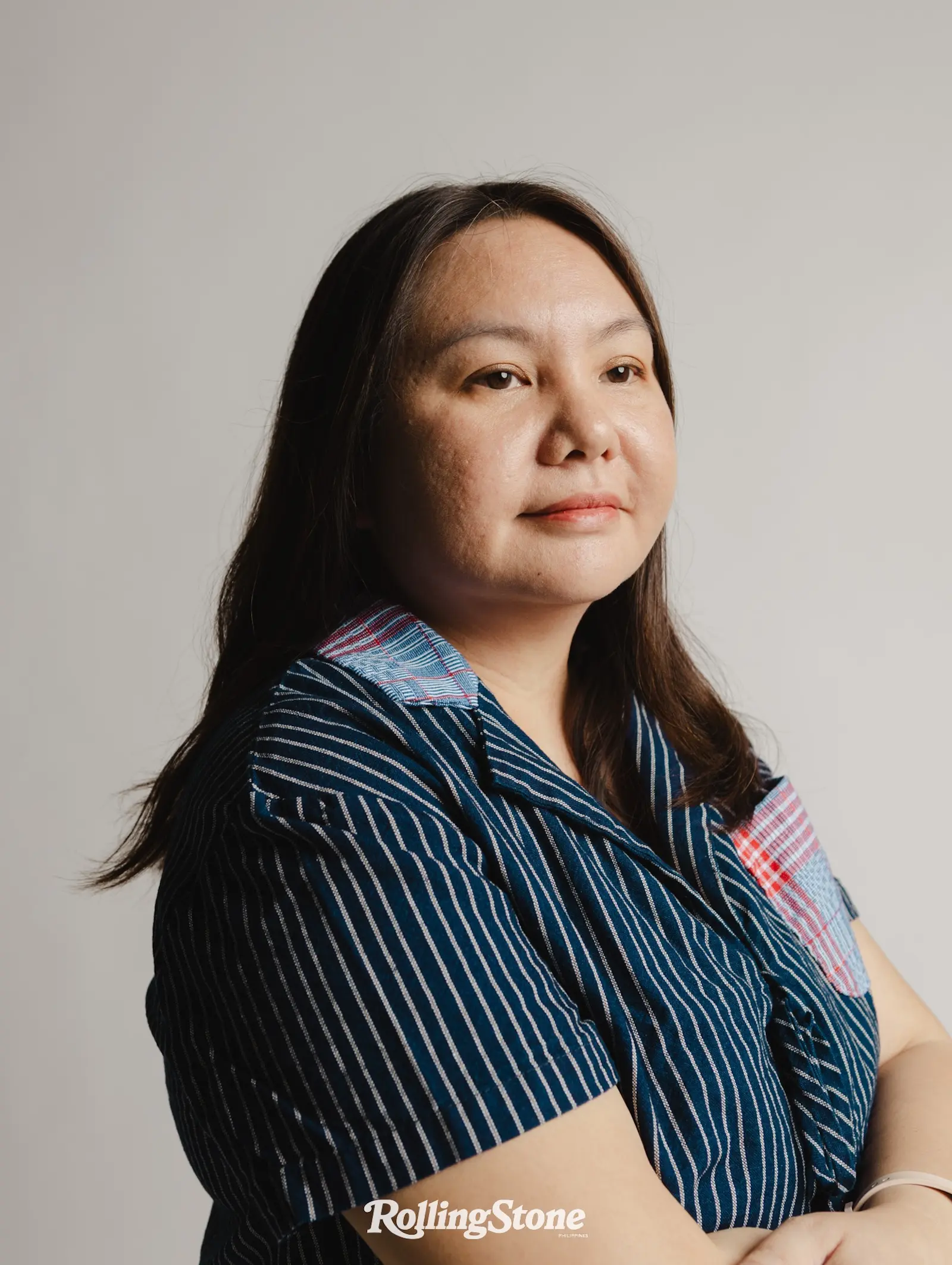
These days, with the rise of onscreen adaptations of romance books like Heated Rivalry, People We Meet on Vacation, and, dare I say, even Wuthering Heights, it seems like a RomanceClass novel adaptation is almost inevitable. But as Esguerra reminded me, that logic is not so cut and dry.
“We’ve been trying to get our books [onscreen] since 2018,” she said. “It’s a lot of work, a lot of money, and honestly, we’ve seen these waves of popularity before. Like when Crazy Rich Asians became popular, we thought that it was going to start this new era of Asian rom-coms. Frankly, the money did not flow in.” However, Esguerra remains hopeful and has even hinted at potential adaptations being in the pipeline.
But, above all else, hosting RomanceClass courses continues to be one of her top priorities. This year’s course began, rather appropriately, two days after Valentine’s Day, with Esguerra organizing both online sessions and in-person writing sprints mainly around Manila. Students were reminded about their weekly writing assignments, which include a story description, a first chapter, and a finished draft due later this year.
“I hope people are inspired and realize that these [romance] stories have just been waiting for years to be the next big thing,” said Esguerra when asked about the future of the genre. “It really takes the people who love something to really champion it.”
Frequently Asked Questions
RomanceClass is a community of Filipino romance authors founded by Mina Esguerra in 2013 that offers writing workshops, critique support, and self-publishing guidance.
Submissions must include clear romantic consent, feature a happy ending, be written in English for global distribution, and involve community feedback during development.
RomanceClass was founded in 2013 by Mina Esguerra, a Filipino contemporary romance author with 29 published titles, including Kiss and Cry and Better at Weddings Than You.
RomanceClass manuscripts are written in English to ensure accessibility on global self-publishing platforms like Amazon, allowing Filipino authors to reach international reader bases.
Yes, all RomanceClass stories must feature a happy ending, explicitly offering positive representation and satisfying resolutions for diverse characters who traditionally lack them.
Recommended Video