

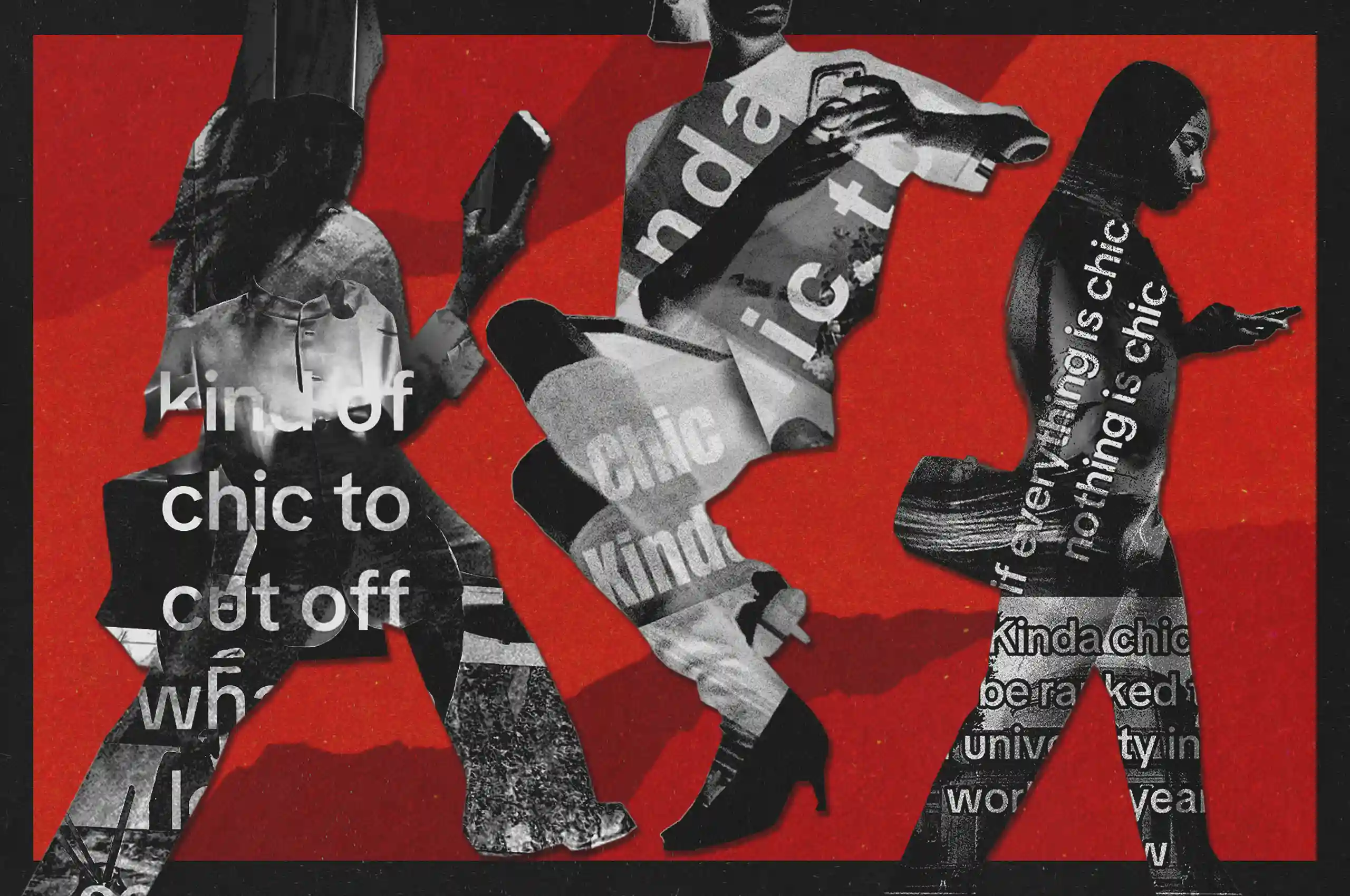
“Kinda chic” is everywhere right now. According to The Guardian, Google searches for the word were up 5,000 percent as of mid-August, and the hashtag has racked up over 60,000 Instagram posts. Earlier in the month, a post that said, “Feels kind of chic to be chubby in a world obsessed with extreme skinny,” gained over 192,000 likes in five days.
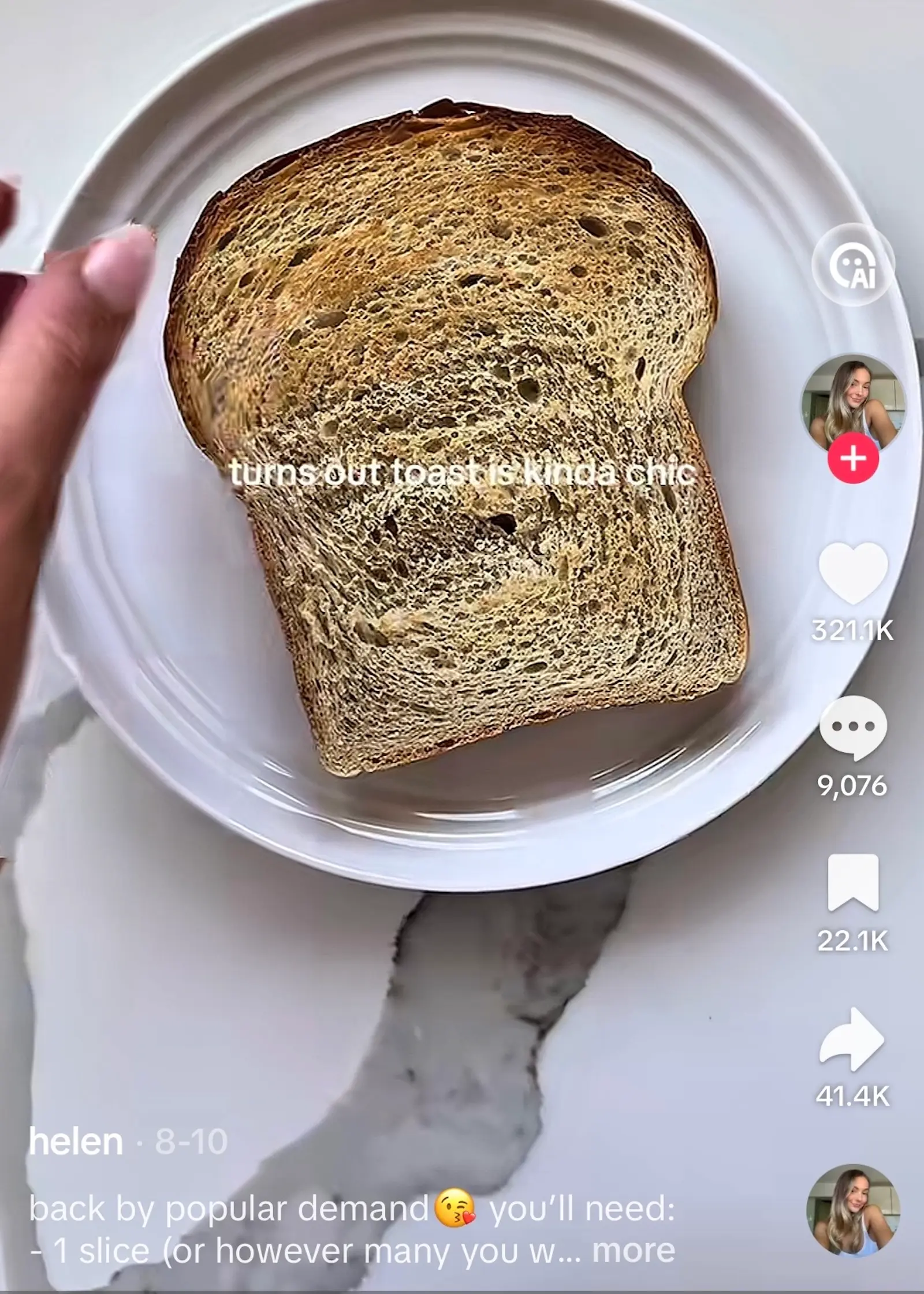
On TikTokTikTokA social media platform for creating, sharing, and discovering short-form videos, featuring music, trends, challenges, and personalized content.Go to TikTok Glossary, a post that says “Turns out toast is kinda chic” has amassed around 4.6 million views and over 322,000 likes. This post in particular has people asking whether the trend still makes sense at all, because if everything really is chic, then maybe nothing is.
Social media collapses meaning at this speed constantly. Whimsy, aesthetic, normalize, limerence, narcissism all went through the same cycle: a word with a precise use gets picked up and applied to everything to the point of meaninglessness.
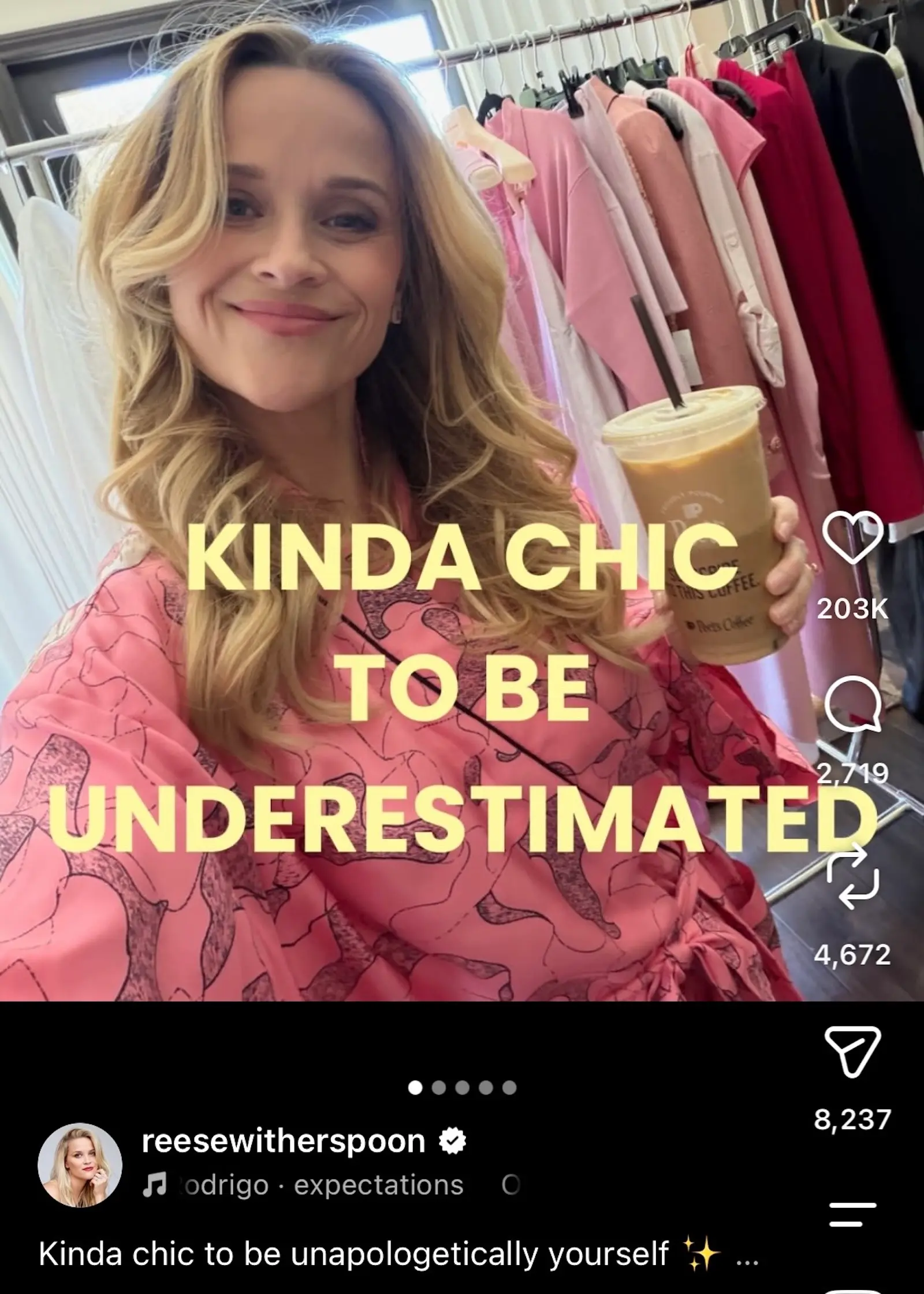
Rachel Lowenstein, a cultural strategist for brands, breaks the trend down in a recent video and calls it an example of linguistic homogenization. “I think there’s something linguistically interesting happening here,” she said. “You’re not someone who spent decades refining their taste and developing a personal sense of style through lived experience. You’re chic.”
“What is happening is we have more labels and fewer descriptors,” she said, citing clean girl, cool girl, coquette, mob wife, brat as examples of labels that get “three months and then a funeral.” Labels like “chic” spread because the algorithmAlgorithmA set of rules a platform uses to decide what content appears in your feed, search results, or recommendations. Algorithms shape which songs, stories, and opinions get seen, and theyGo to Algorithm Glossary can read them instantly and they are “not personal, individual, expressive identity descriptors.”
She adds, “I do wonder if this is all just an outcome of a culture that is increasingly unable or unwilling to express themselves.” Lowenstein suggests that rather than writing essays to express oneself fully, it’s easier to post a picture about what they are doing and call it “kinda chic.” For her, unabated self-expression means being vulnerable before the public, but collapsing that expression into a memeMemeA piece of content, usually an image, video, or phrase, that spreads online as people copy and reshape it with their own twist. Memes are a quick language of internetGo to Meme Glossary — in its most basic sense, a unit of cultural information spread by imitation — lets you dodge criticism.
‘Chic’ Gets Co-opted for Politics
“Chic” has always been used to describe what the hegemony finds tasteful or beautiful. It is adjacent to class, elegance, cleanliness, and luxury.
Some social media users have decided to subvert this, saying it’s “kinda chic” to recover from an eating disorder, to advocate for human rights, to be plus size. But search the word on Instagram or TikTok and the top posts say otherwise. Dressing up is chic, drinking matcha is chic, and being a girlfriend is chic. One Filipino influencer’s Instagram carousel ends on “kinda chic being politically aware,” captioned over a photo of iced matcha. To her credit, the text was in baby blue instead of the usual butter yellow.
To call something chic is to sand it down until it’s easy to swallow, which means the trendTrendA pattern or style that gains popularity for a period of time, whether in fashion, music, language, or online behavior. Trends move quickly in the age of social media, andGo to Trend Glossary ends up reinforcing the same hegemonic taste it claims to escape. Here, the status quo is repackaged to look more palatable to the modern woman, who is the primary audience for these posts. It’s even more alarming that the trend rewards conformity.
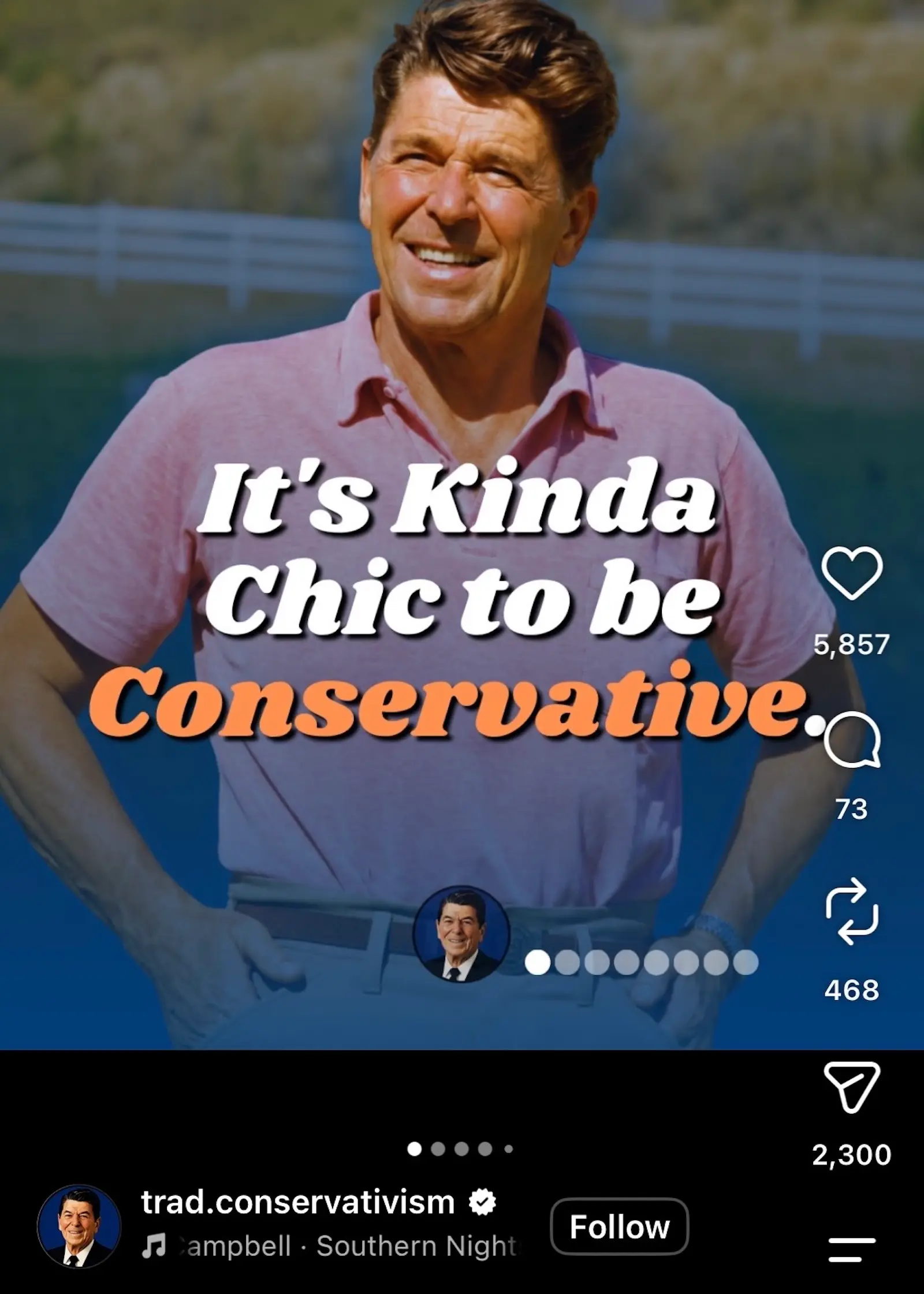
Political social media accounts, many of which lean right, are exploiting this opportunity. One of Instagram’s top posts under the search is a carousel that starts with a photo of Ronald Reagan, captioned “It’s kinda chic to be conservative,” with around 5,000 likes. Another post says it’s “kinda chic” to believe in traditional gender roles.
The same format has been used for more progressive ends, too. It’s “kinda chic” to decolonize, or, as Filipino journalist Natashya Gutierrez put it, “kinda chic to care about your country.” These posts are certainly more in touch with the template’s initial intention, to turn the idea of chic on its head. There is value and reason in participating in a trend to get a political message out to more people, but it would be naive or disingenuous to say that this is all that people are following the trend for.
Alas, like any well-intentioned thing on the internet, the trendTrendA pattern or style that gains popularity for a period of time, whether in fashion, music, language, or online behavior. Trends move quickly in the age of social media, andGo to Trend Glossary has been co-opted for profit and has spiraled into the monoculture. Anyone trying to make something meaningful out of this meme ought to find another way to get their message out, because chic doesn’t mean anything anymore.
Frequently Asked Questions
Kinda Chic is a trend in which social media users share things that they think are “kinda chic” through short-form videos and carousel posts. According to Know Your Meme, the trend started as early as April 2026 on Instagram and TikTok. Various influencers, celebrities, and brands have participated in the trend.
Some have criticized the Kinda Chic trend for its misuse of the word “chic” and oversaturation, with so many posts following the trend’s template.
Rachel Lowenstein is a cultural strategist for brands who broke down the Kinda Chic trend in a recent video, calling it an example of “linguistic homogenization.” She argues that labels like “chic” spread because algorithms can read them instantly, while genuine self-expression, which can come from years of taste and lived experience, gets replaced by shortcuts that let people avoid being vulnerable in public.
The template has been picked up across the political spectrum. Right-leaning accounts have posted things like a Ronald Reagan photo captioned “It’s kinda chic to be conservative” and posts declaring it “kinda chic” to believe in traditional gender roles. On the other side, posts have called it “kinda chic to decolonize,” and Filipino journalist Natashya Gutierrez used the phrase “kinda chic to care about your country.”
Opinions are split. Some users intend the phrase to subvert traditional ideas of what’s tasteful, applying “chic” to human rights advocacy and rejecting traditional gender roles. But the top-performing posts skew toward the inoffensive, suggesting the trend ultimately rewards conformity and repackages the status quo rather than challenging it.
Recommended Video