Warning: spoilers abound!
Lav Diaz’s Magellan has been on a great run so far, premiering at Cannes Film Festival in May before being selected as the country’s entry for Best International Feature Film at next year’s Academy Awards. On September 6, it made its Philippine premiere to the acclaim of film critics and enthusiasts alike, before heading to Canada for the Toronto International Film Festival.
Despite the film being touted as a historical epic, Filipino and global audiences will have to suspend disbelief and what they know of Philippine history if they want to enjoy the film without nitpicking on its accuracy.
While the Film Academy of the Philippines praises Magellan for its “uncompromising perspective on history,” Diaz and the cast implore audiences to keep an open mind as they watch the film. In an X post, film critic Lé Baltar warned, “Revisionist accusations will be inevitable.”
Diaz’s work can be a challenge for many, typically with long takes colored in black and white. With a run time of just 160 minutes, audiences jokingly call Magellan a “short film” for Diaz. The film also departs from his staple monochrome, instead bursting with sharp yellows, vivid blues, warm reds, and the deepest greens.
A review from The Hollywood Reporter calls it the auteur’s most accessible work, but it nonetheless poses a challenge, especially for audiences familiar with the story of Datu Lapulapu and Ferdinand Magellan.
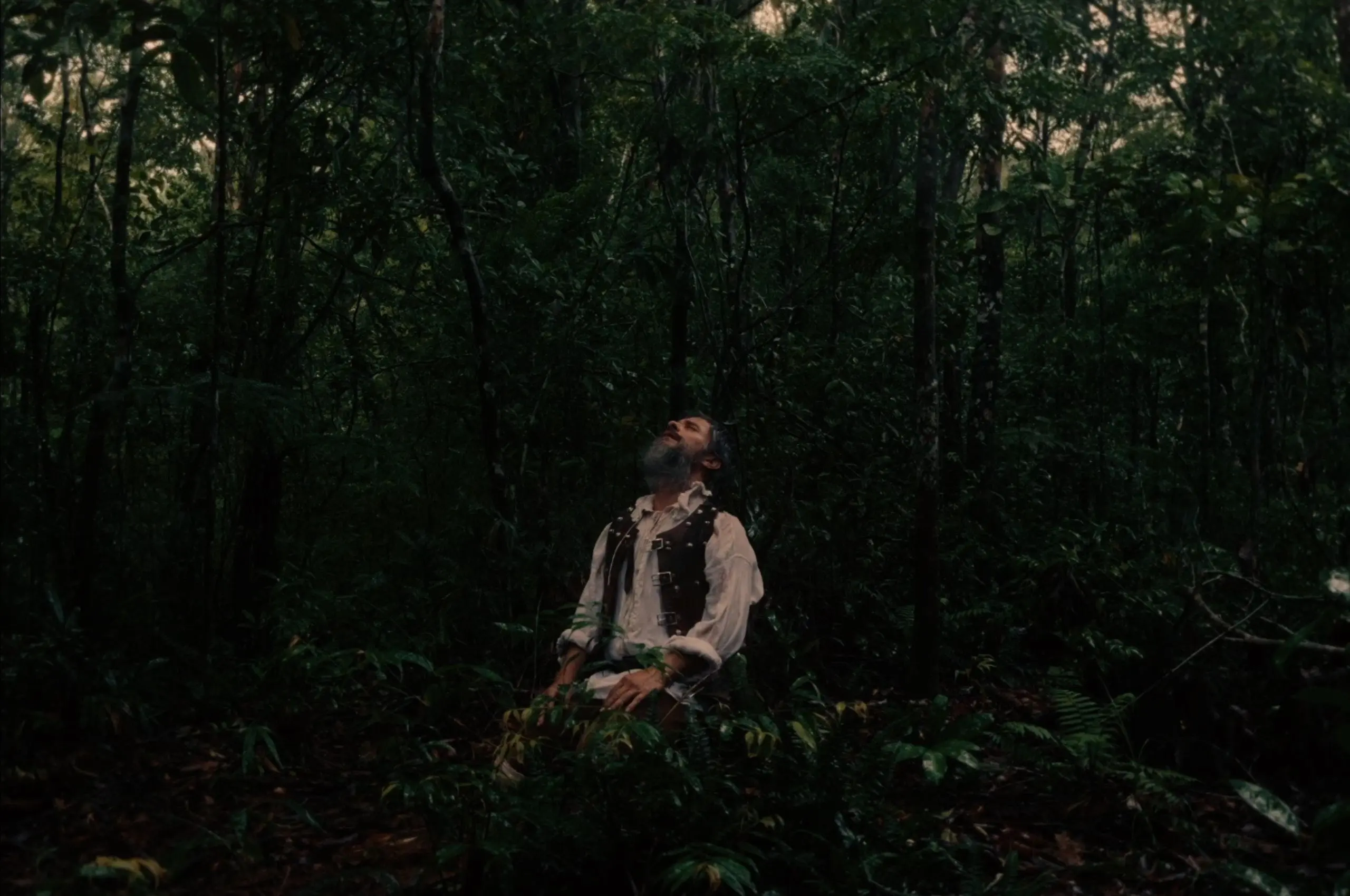
In Magellan, the titular character, played by Mexican actor Gael García Bernal, is shown to be a failed explorer desperate for greatness. And Lapulapu is a myth invented by Rajah Humabon, played by Diaz’s longtime collaborator Ronnie Lazaro, to scare the conquistadores away.
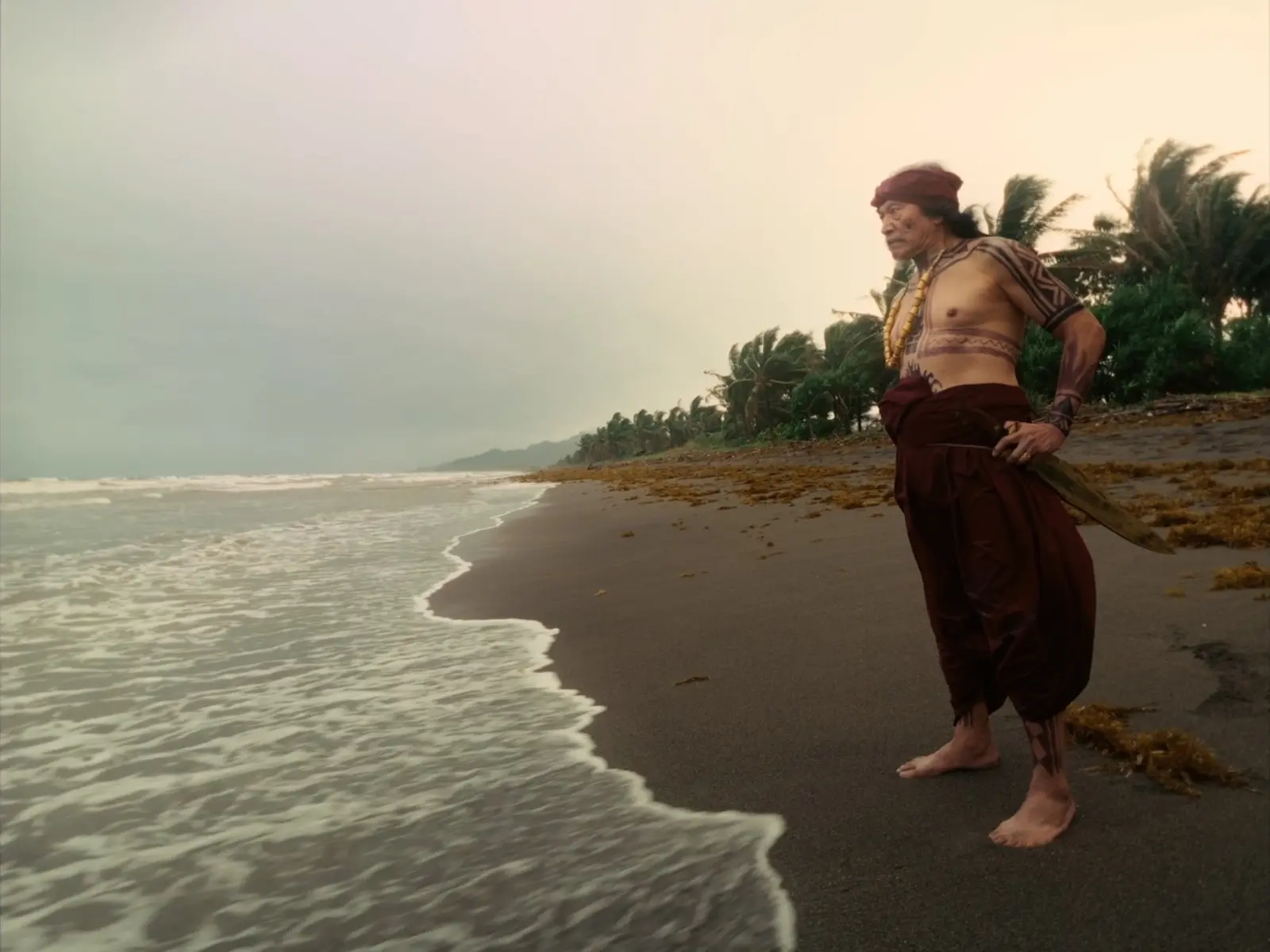
At the Saturday screening and the press conference before that, Diaz said he had collated seven years’ worth of historical records and oral traditions to craft Magellan’s sweeping narrative. While the film does follow Magellan on his arduous journey from Europe to the islands that would become the Philippines, Diaz was keen to use his research to center the story on the Malay peoples, of which Humabon and Lapulapu are part.
“Ang paraang ito’y upang maging mas malinaw kahit papaano ang pagkukuwento nang ayon sa mas totoong kaganapan,” he said in a statement provided to press.
In terms of historical accuracy, the story is at least faithful to Diaz’s years of research, which he claimed suggested that Humabon might have been behind the Battle of Mactan. “Ayon sa pananaliksik ko, mas dapat i-reconsider sa kasaysayan natin si Humabon,” he said at the press conference on Saturday. “Mas malapit ang katotohanan ng parang si Humabon ang gumawa ng lahat.”
Theater actor Bong Cabrera, who plays Rajah Kulambo in Magellan, admitted to feeling anxious when he first heard about the film’s deviations from the widely accepted story of Cebu’s first days of contact with the Spanish and Portuguese.
“Nakakatakot din noong sinabi niya sa amin na ganito ‘yong mangyayari in the story of Lapulapu, because I’m a Bisaya,” Cabrera said during the talkback after the screening. “Sabi pa nga namin, baka ma-cancel tayo nito. Pero I take it with a grain of salt, na this is a film; this is not a documentary. Art should disturb and should start discourse.”
Magellan will be screened in cinemas nationwide starting September 10. Official nominees for the 98th Academy Awards are expected to be announced in January 2026.