

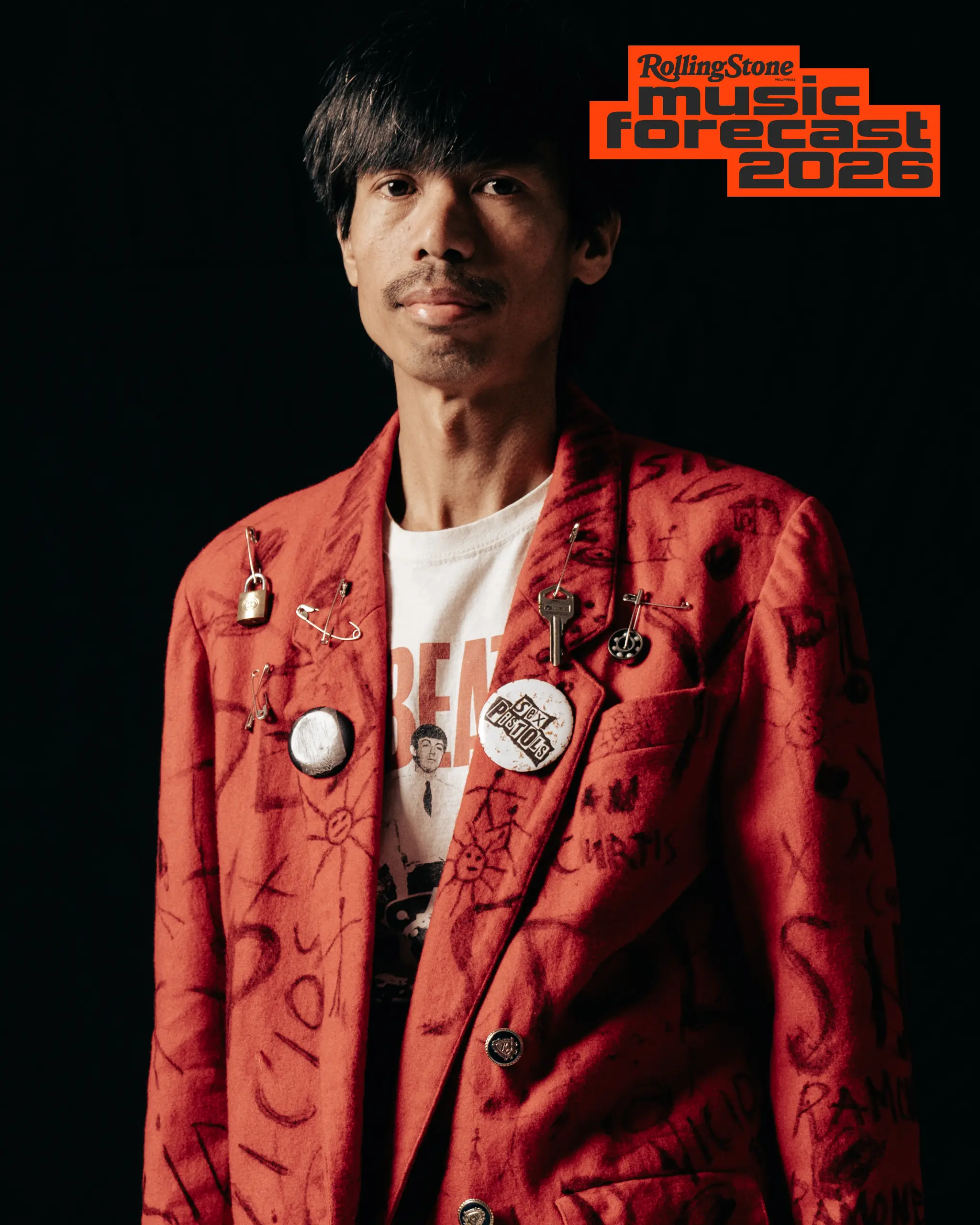
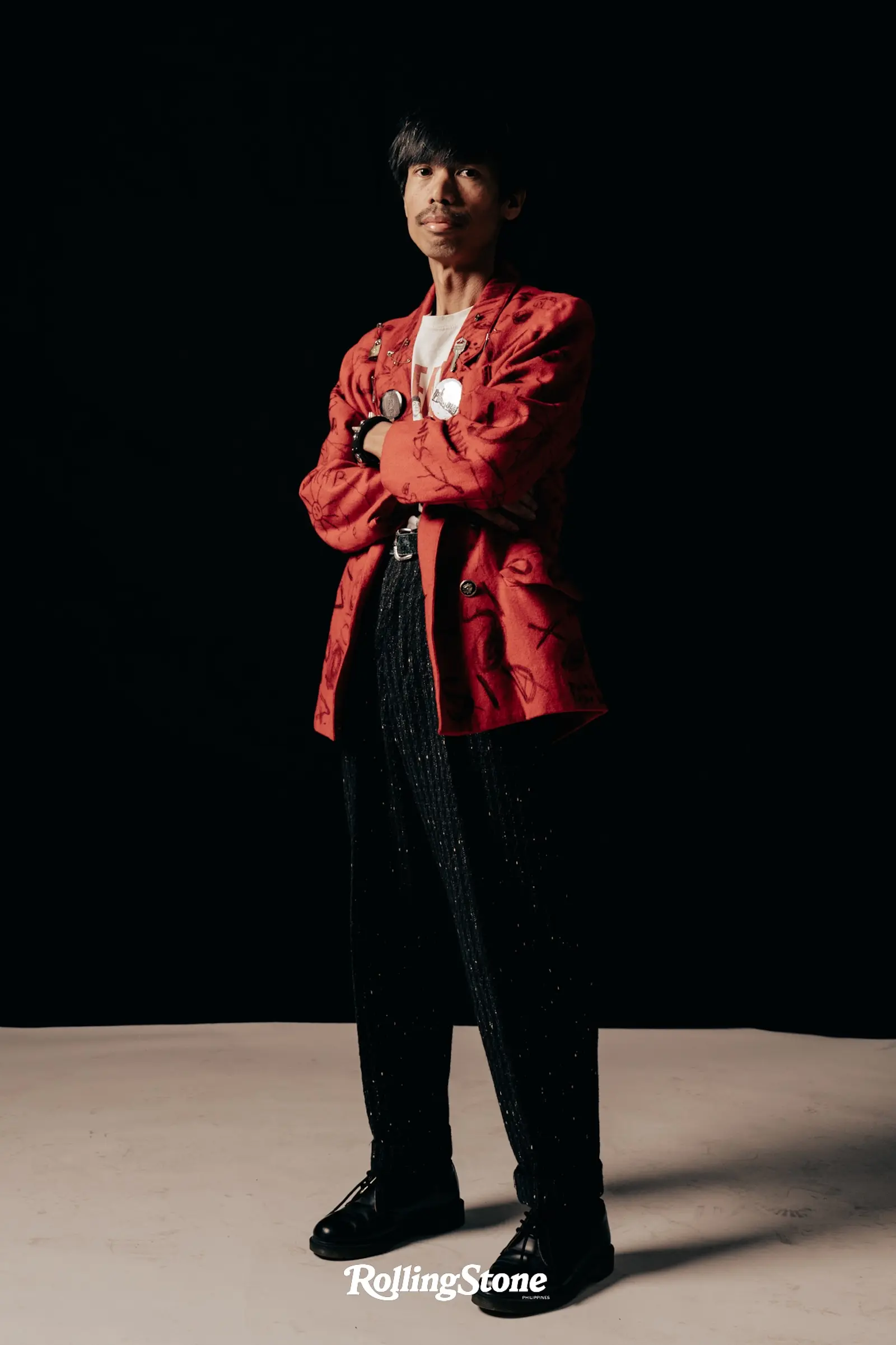
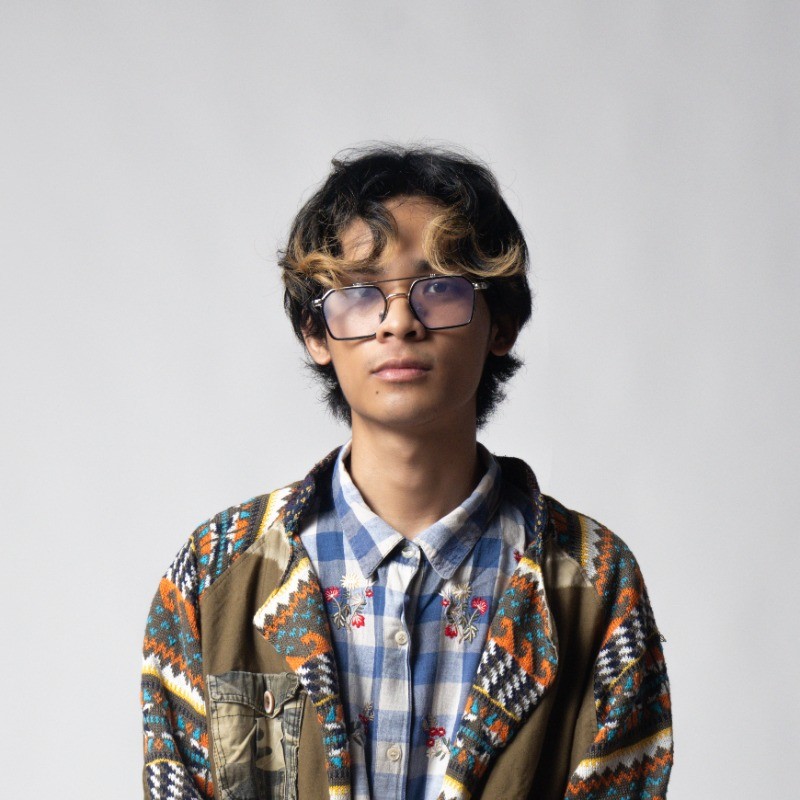
Jay Villarosa cuts hair for a living, but music has always been the thing that keeps him restless. Under his post-punk solo project SexyJay, Villarosa has become one of the most magnetic performers in the local independent music scene, leaning into a DIY ethic that favors imperfect punk rhythms mixed with tongue-in-cheek references to everyday life.
By day, Villarosa runs a barbershop called Unknown Pleasures, named after Joy Division’s 1979 debut albumDebut AlbumAn artist's first full-length record, which introduces their sound, voice, and ambitions to a wider audience. Often shaped by years of writing and rehearsing, a debut sets expectations for everythingGo to Debut Album Glossary. The shop attracts a wide range of people, from punks and fashion kids to regular clients seeking sharp, mod-inspired cuts rooted in ‘80s U.K. punk-era aesthetics. Music and style bleed into one another, just as Villarosa moves easily between these worlds, never overthinking how one feeds the other.
The name SexyJay traces back to his skateboarding years. While skating in Bonifacio Global City around 2010, a park emcee started calling him “sexy Jay” after noticing his tight jeans and confident tricks. The nickname stuck, eventually turning into a musical identity. The pace and attitude of skate culture shaped how Villarosa approaches music, and it remains embedded in how he writes and performs.
Skate Or Die
“Hindi naman sobrang lalim ng tunog ko, pero parang masasabi ko na medyo malayo siya sa ibang tunog ng mga normal ng mga local band.”
His first release as SexyJay arrived in 2018 with “Bolero Lang Sila,” a collaboration with Filipino artist Eyedress released under Offshore Records. Since then, Villarosa has kept his output steady and sharp, favoring short, punchy tracks that capture a feeling. Songs like “Zombie” and “Awit sa Traffic” find inspiration in everyday frustration and isolation, delivered with a swagger that makes even the most mundane scenarios feel charged. Villarosa stays rooted in indie spaces, regularly performing at venues like Mow’s in Quezon City and late-night spots such as Sari-Sari in Makati. Those venues perfectly suit his approach. He writes quickly, records simply, and rarely second-guesses himself.
Villarosa described a process that favors the immediacy of songwriting. He records in his bathroom, runs through seven or eight takes, then moves on using a cheap wired earphone microphone. He jokingly refers to these releases as “Toilet Records,” though the joke barely masks a clear philosophy about preserving time and money.
“Hindi naman sobrang lalim ng tunog ko, pero parang masasabi ko na medyo malayo siya sa ibang tunog ng mga normal ng mga local band,” Villarosa tells Rolling Stone Philippines. “Dire-diretso ‘yung record ko, hindi ako nag-stop kasi parang nawawala ‘yung momentum.”
Skate videos once served as his gateway to music discovery, where tricks and soundtracks are aesthetically married to one another. Villarosa remembers paying attention to how songs matched the speed and aggression of skating, shaping his mood and creativity. That clear vision for the post-punk project, paired with his refusal to overcomplicate things, continues to set Villarosa apart. SexyJay clicks because Villarosa treats music the way he treats skating: a string of tricks where the soundtrackSoundtrackThe music that accompanies a film, series, or game, including original scores and licensed songs. A good soundtrack sets the mood and can become a hit on its own, turningGo to Soundtrack Glossary moves alongside the motion.
“‘Pag nanunood ako ng [skate video], napapansin ko parang andun ‘yung may magagandang background music,” he says. “Doon ko na na-visualize na parang nandito ‘yung [direction ng] SexyJay.”
In 2026, Villarosa is turning that momentum toward a larger body of work. A SexyJay album is already in progress, he says, and rather than save it for a formal rollout, he has begun treating live shows as a testing ground. Unreleased songs such as “Singaw” and “Daga” slip into his sets, often introduced through offhand remarks or shouted cues mid-performance. The approach mirrors how he has always worked: letting repetition, punk attitudes, and audience reaction shape the final form.
Frequently Asked Questions
SexyJay is the stage name of Jay Villarosa, a Filipino post-punk musician who also runs a barbershop called Unknown Pleasures, named after Joy Division’s 1979 debut album, which attracts punks, fashion kids, and regular clients alike.
The nickname originated during Villarosa’s skateboarding years around 2010 in Bonifacio Global City, when a park emcee began calling him “sexy Jay” after noticing his tight jeans and confident tricks. The name eventually became his musical identity.
Villarosa jokingly refers to his self-recorded tracks as “Toilet Records” because he records in his bathroom using a cheap wired earphone microphone, running through several takes without stopping to preserve songwriting momentum.
His debut release as SexyJay was “Bolero Lang Sila” in 2018, a collaboration with Filipino artist Eyedress released under Offshore Records, marking the start of his solo post-punk project.
Yes. Villarosa is developing a full SexyJay album and has been testing unreleased songs like “Singaw” and “Daga” live during performances before their official rollout, using audience reaction to help shape the final versions.
Recommended Video
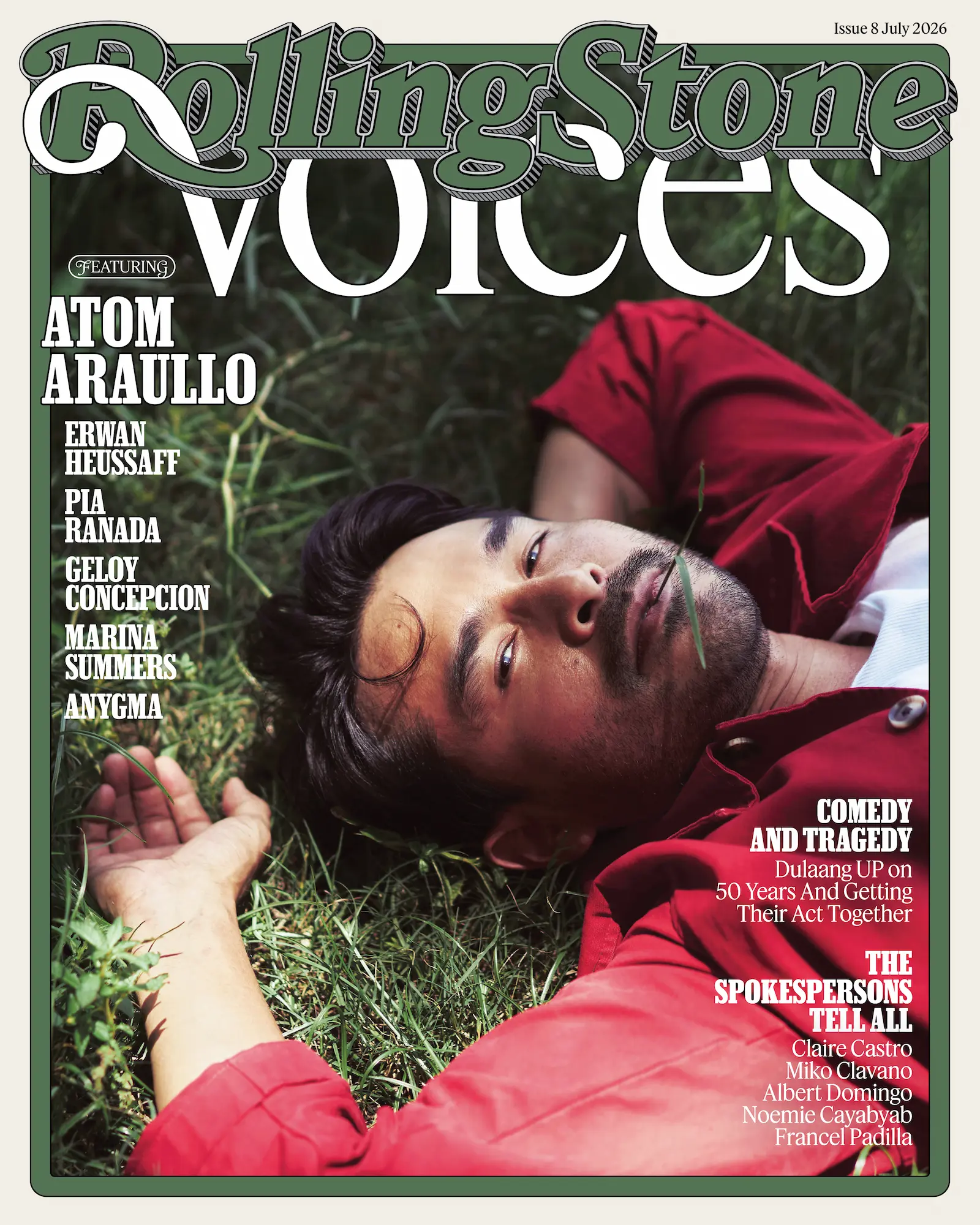
Rolling Stone Philippines Voices Issue, Now Available at SariSari Shopping