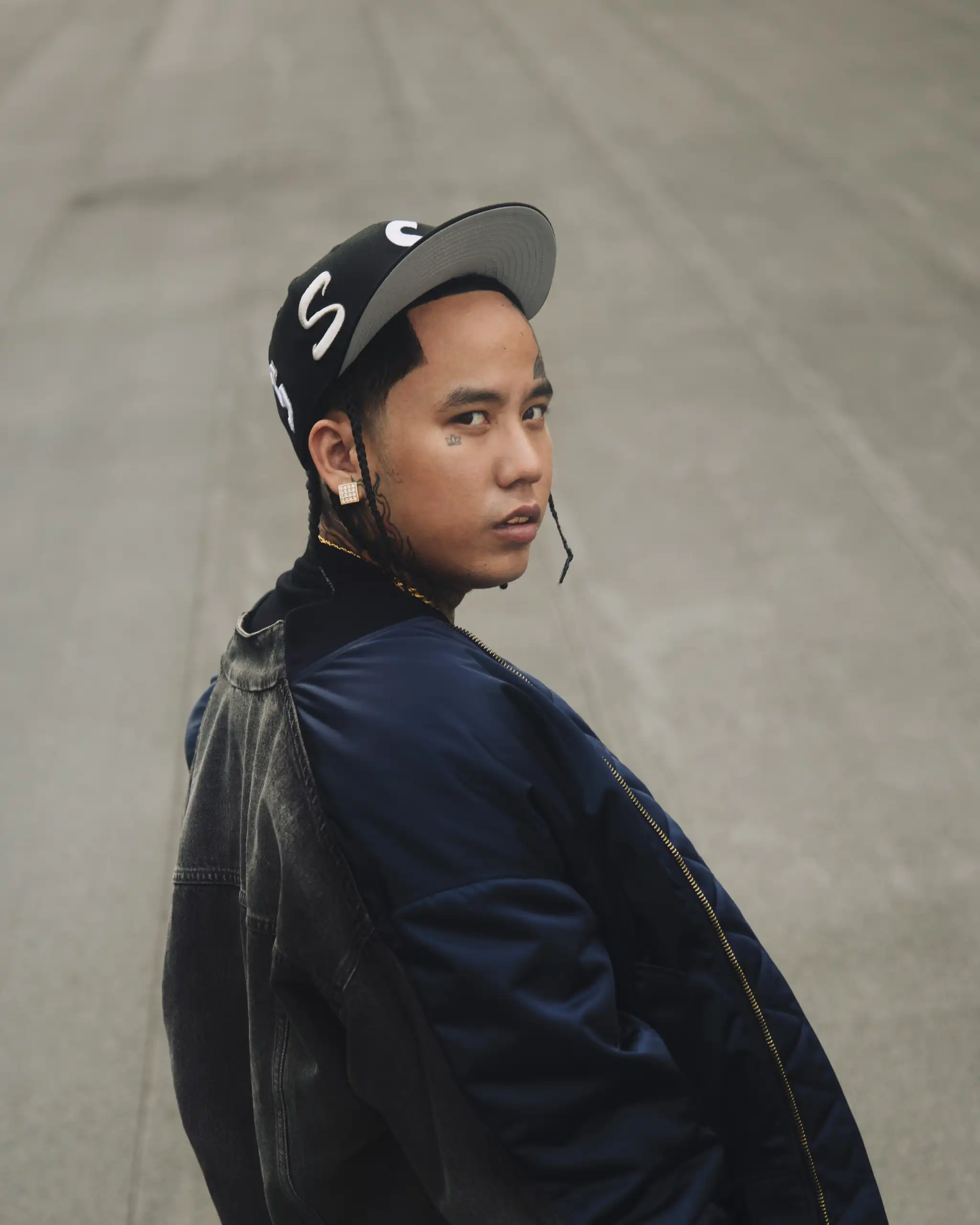
Shanti Dope has always drawn from both ends of the rap spectrum. He cites West Coast legend Tupac Shakur for his meditative wisdom and raw honesty, and East Coast icon The Notorious B.I.G. for his melodic flow and infectious party energy. Rather than choosing between them, Shanti embraces both approaches, blending introspection and mass appeal to create his own unique “era” or lore in Philippine hip-hop. “Dapat may gano’n din akong era na di ako mawawala at hindi rin lagi akong may hit,” he tells Rolling Stone Philippines.
Bursting onto the scene in the mid-2010s as a teenage prodigy, Shanti delivered some of the decade’s most recognizable rap anthems, including “Nadarang,” “Amatz,” and “City Girl.” His collaborations span local hip-hop icons and international pop stars. Now, with experience under his belt, he intends to shape a career that goes beyond fleeting success.
The turning point came when he established Young God Records in 2022, a name inspired by a term he and his friends often used as a twist on “OG” or “Original Gangster.” By then, his fame had brought both highs and lows — whether it was celebrating milestones at late night debaucheries, or finding distractions from grieving the loss of a friend.
For him, real life meant finding ways to heal from habits that were no longer fulfilling. When city life became overwhelming, he returned home to Bacoor, Cavite, providing the reset he needed. In The Rolling Stone Interview, he admits to undergoing a rehabilitation program in late 2024 as he now begins his journey of sobriety and recovery. Since then, he has focused on self-improvement and surrounding himself with family without the chase or guilt that comes with maintaining a high-profile rap career. These moments of solitude gradually helped him rekindle his passion for music, as Shanti now prepares to release his new single on August 29.
Whether he’s discussing the intricacies of his creative process or his connection with Krishna consciousness, this multifaceted episode of The Rolling Stone Interview illustrates Shanti’s story as a commitment to building an enduring legacy. Below are excerpts from his interview, which you can now watch on Rolling Stone Philippines’ YouTube channel.
Shanti’s Creative Flow in Music
“Naging parte na ng sistema ko ang music e. Maski na nasa biyahe ako, may ginagawa o nasa bahay lang. Siguro isa rin ‘yon sa dahilan kung bakit ang dali na lang din sa akin makagawa ng [music]. Kunyari, may tunog ako na gusto kong makuha, nagagawa ko siya talaga e. Tapos doon ako bumibilib. Parang natural high ang binibigay sa akin. Yung idol ko lang nakakagawa nito, yung mga idol ko sa America, tapos na-Tagalog ko yung verse na ’to. Nagawa kong Tagalog! Natural high siya na puwede pala gawin sa Pilipinas ’to. Napakalaking tulong sa akin pakikinig ng music.”
Culture Shock of the Music Industry
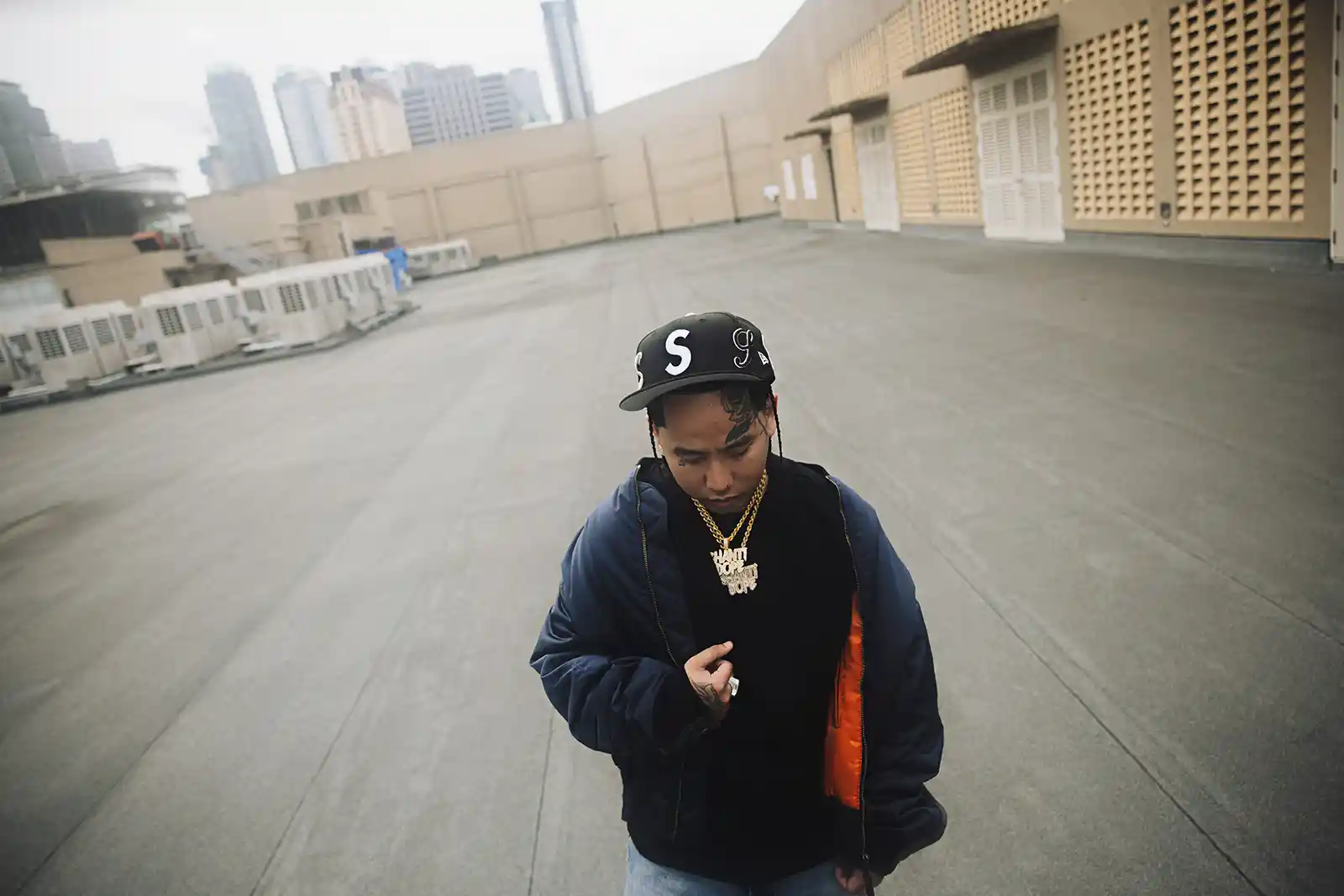
“Nung unang sumikat ang Materyal album, kung nasaan ang mga kantang “Nadarang,” yung collab namin ni Sir Gloc-9, wala akong mindset na gusto kong yumaman para dahil dito. Gusto ko lang mag-rap talaga. Gusto ko lang mag-perform.
“Noong 16 ako nag-sign — 16 din [ako noong] lumabas ang “Nadarang” — hindi ko iniisip na magiging trabaho ’to. Natatawa nga ako minsan pag naaalala ko na meron na akong hit song. Kumbaga, ang dami na nagpapapicture sa akin tapos umuuwi pa rin ako sa nanay ko. [Laughs] Kaya noong lumabas yung “Nadarang,” noong sumikat ’yon, hindi ko rin alam yung gagawin ko, yung next move ko…”
“Noong tumanda na ako, pagdating ng mga 20 [years old], doon ko mas nakilala ang industriya na ganito pala dito. Ganito pala yung laro… Hindi lang siya basta entertainment e. Kailangan mo talagang gumanap. Dati, wala namang ganito e. Minsan nami-miss ko yung normal na buhay. Pero lagi lang ako pinapaalalahanan, hindi, blessing ’to na nangyayari… Lalo na nagka-anak na ako.”
Highs and Lows of the Rap Life
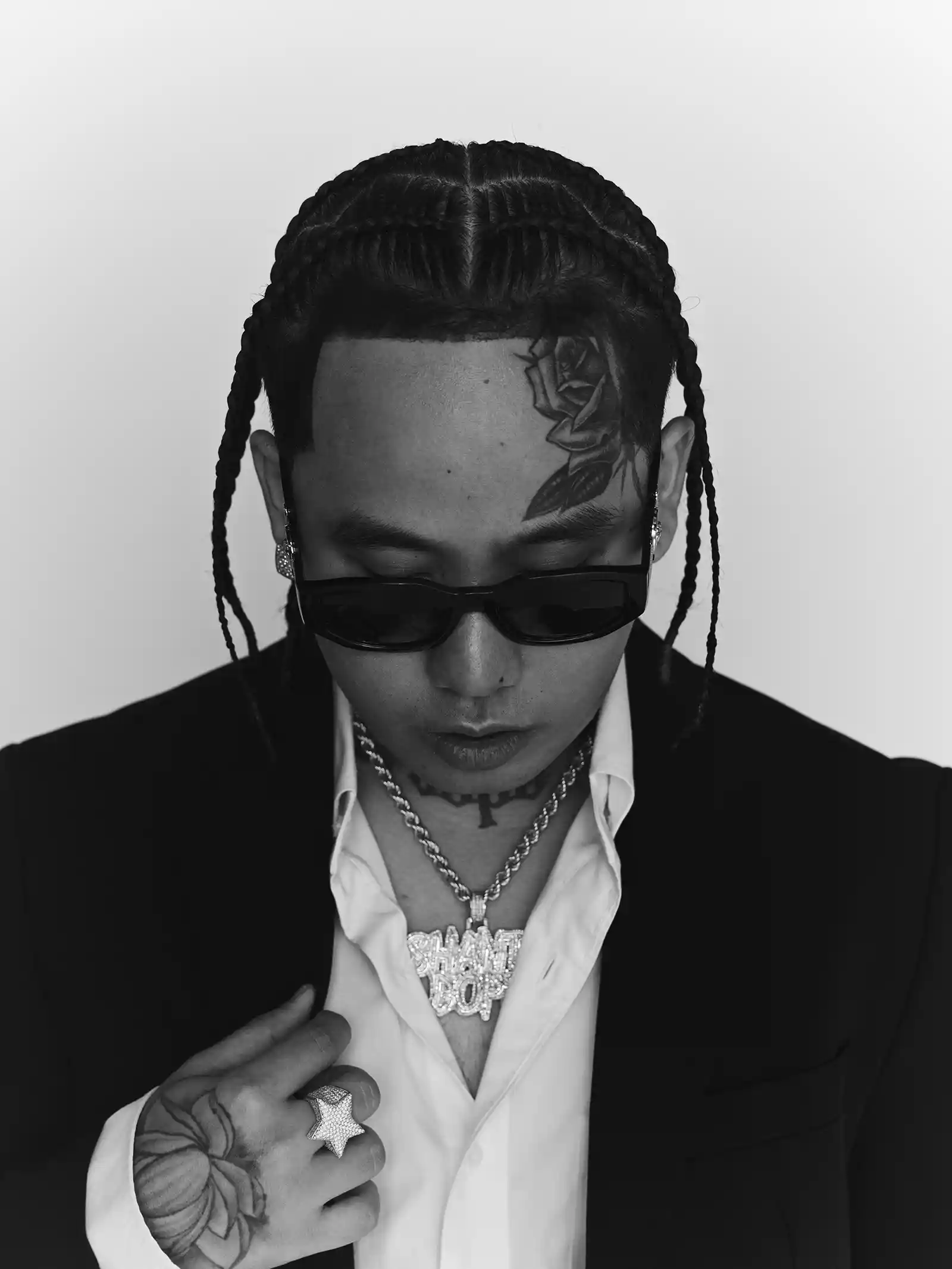
“Hindi ko siya nakikitang mali, kasi ang saya e. Tapos ang dami kong nakikilalang kaibigan, mga babae. Masaya siya noong una e. Lately ko lang din siya narealize na mali ang ginagawa ko. Kasi hindi naman ’yan ang totoong buhay. Pag-uwi mo, mag-isa ka lang matutulog. Wala na yung tropa. Lately ko na lang din siya narealize na hindi ’yon ang totoong buhay. Dati kasi, ang taas ng expectation ko na gusto kong mangyari sa akin e. Dapat may chicks akong ganito. Dapat ganito ang buhay ko kasi yung mga rapper sa America, gano’n eh. Wala, nasa Metro Manila lang ako… Ang saya din, ang daming i-celebrate na gano’n. Tapos namatayan pa ako ng tropa, yung lagi kong kasama mag-gym. Sobrang lungkot ko noon. ‘Di ko alam gagawin ko noong panahon na ’yon. Kasi wala din akong maisip na lyrics. Sobrang nabigla ako.
Makeup artist LUIS ADRIANO BUÑAG
Watch the full interview on Rolling Stone Philippines’ YouTube channel.
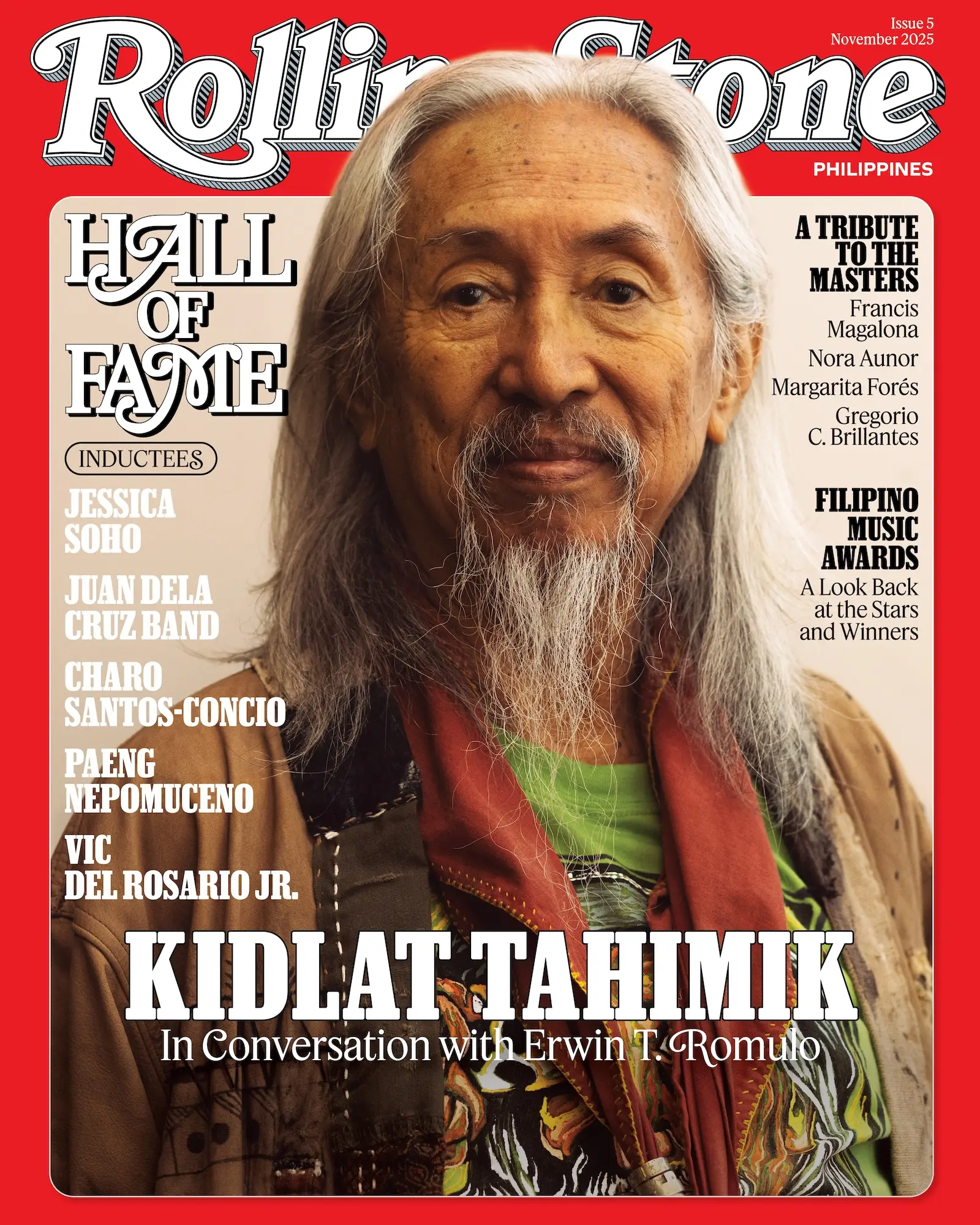
Rolling Stone Philippines November 2025 Issue, Now Available at SariSari Shopping