

At the turn of the 20th century, as the Philippines became a colony of the United States, many Filipinos flew to America for a better life. A number of them settled in Stockton, California to raise their families and build their businesses there. Soon enough, Stockton became the birthplace of the first Little Manila, home to the largest community of Filipino Americans thriving in the land of their colonizers.
“You know the history of Stockton, don’t you?” Jo Koy asks me at the start of our interview. Stockton is where he has set his latest Netflix special, Blue in the House (Out September 15). Most of his specials are primarily set where there’s a strong contingent of Filipino Americans, from Los Angeles to Hawaii. But with Stockton, he makes it a point to share its history and the racism that permeates it to this day.
“[The city] built a freeway system through Little Manila just because it was prospering, and they destroyed the whole city. They had full-on hotels, restaurants, and everything. [Filipinos] started dancing with the white women, and they didn’t like that shit, and they built the freeway through the city and killed Little Manila.”
Koy doesn’t consider himself a political comedian, which makes this part of our conversation so surprising. In his stand-up, this anecdote may seem enough to justify the eight-rayed sun behind him on stage, but here he makes it a point to underline its importance and what it means for him to be there.
“I went to visit Little Manila. It’s completely gone. There’s nothing there to this day. So it was my indirect way of saying, ‘Hey, man, no matter what type of adversity you gave these immigrants that came to this country and dealt with all the racism that they had to face, we’re resilient, and we still prosper,’” he says. “If it wasn’t for those migrant workers and their tenacity, someone like me would have never been able to shine the way I did. I wanted to make a special where it’s like, ‘Here we are in a town where we all know what happened. But behind me, subliminally, is the Filipino sun. And here’s a Filipino on stage.’”
“I started in 1989, and it’s been 37 years to finally see something I’ve been wanting to see since I started.”
Koy is a proud Filipino American and isn’t shy to focus much of his comedy on his upbringing by his Filipino mother. But that doesn’t shield him from criticism, whether it’s his portrayal of Filipino culture or how some find his accent insulting (many of which are coming from Filipinos). He says that he doesn’t pay much attention to it. He doesn’t consider a comment, or the algorithm as a real arbiter of what’s really out there. He does acknowledge the 11 million views his recent post with the Jabbawockeez got at his sold-out show at SoFi Stadium in California, the first comedian to ever do so alongside his co-headliner Gabriel “Fluffy” Iglesias. He considers the sold-out shows, the countless tours, and the connections he’s built with his audience as the real algorithm.
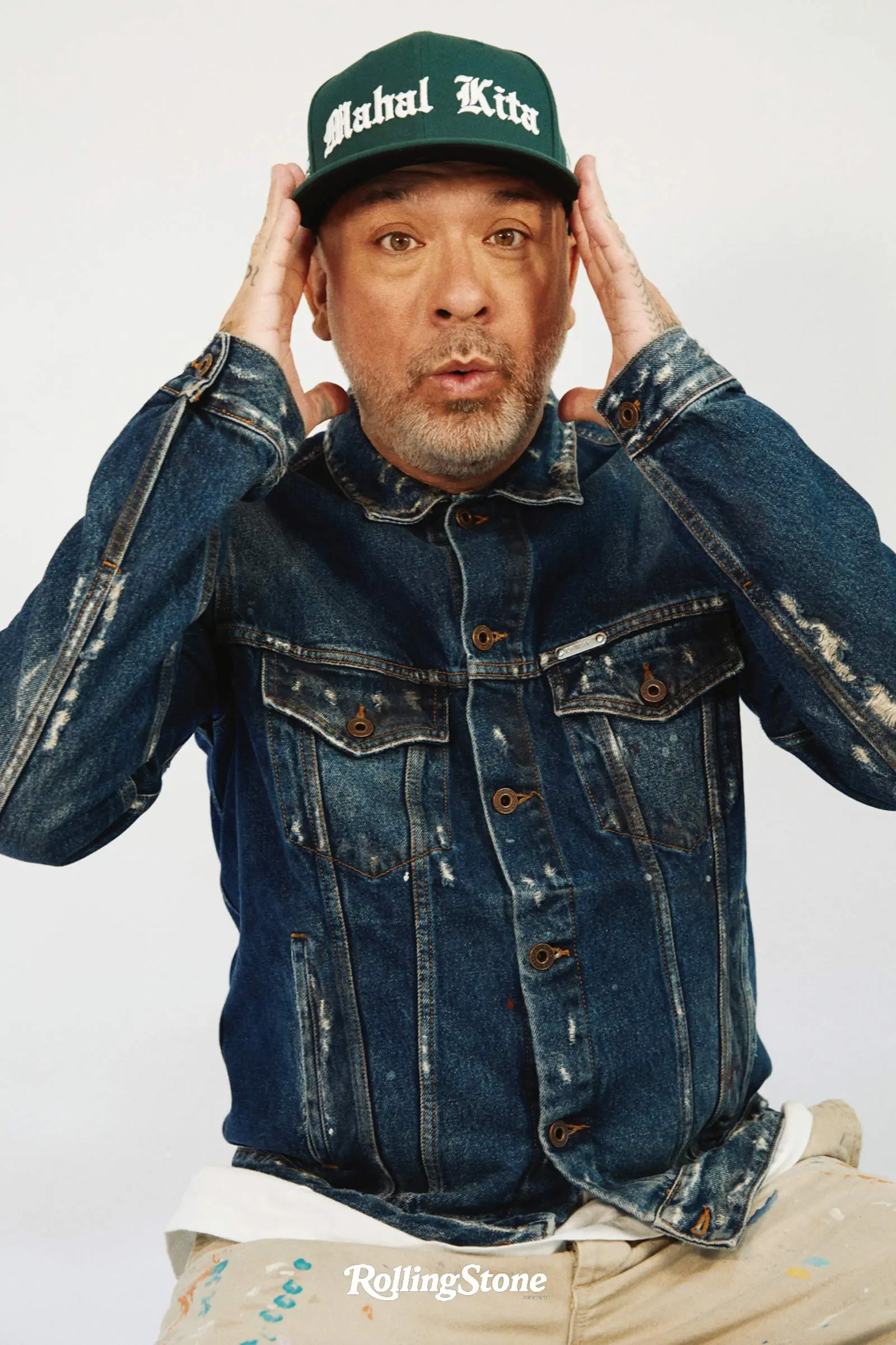
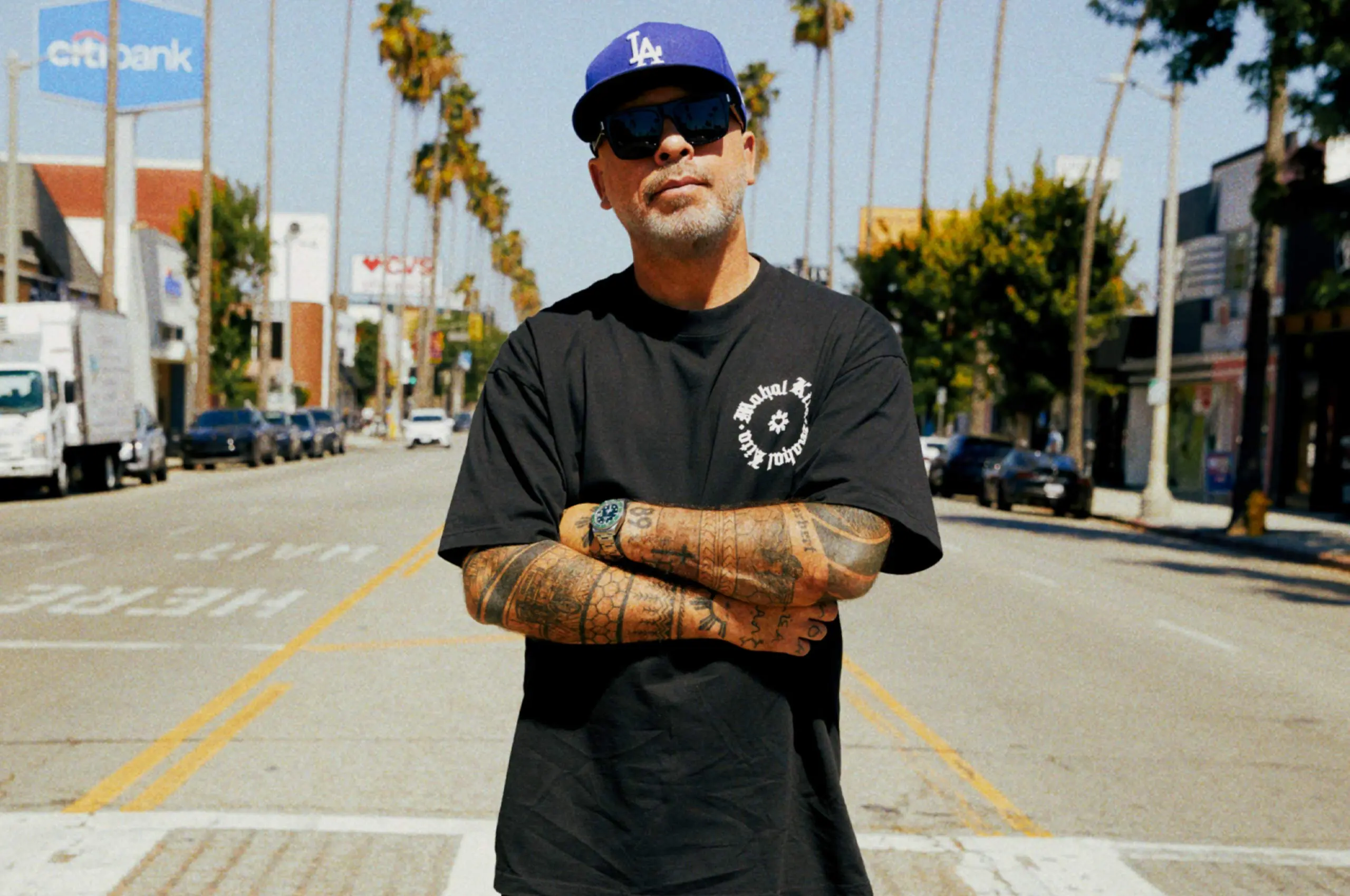
With his latest special, Koy comes off as a man of a certain age who wants to tell his own stories his way. From random moments with his dog (a standout in the special) to his relationship with his stepdad, Blue in the Face leaves out a lot of the accents and dick jokes to reveal a man who, at the end of the day, is a comedian first and foremost.
The following interview has been edited for clarity.
You set your latest special in Stockton, the birthplace of Little Manila. There’s a lot of history there, but within your comedy, you don’t delve too much into racism — but you’ve been known to mention both the subtle and overt ways it impacts immigrants. Like when you mentioned your conversation with Tommy Lee [from Live from the Los Angeles Forum], where he asked you if Filipinos could understand your jokes, that resonated with me in a way that whenever I would go to the States, there’s always this backhanded compliment of “Oh wow, you speak English in the Philippines?” or “You speak well for a Filipino.” And, of course, being Filipino, we tend to be polite even if we’re facing that kind of bullshit, subtly or indirectly.
It’s a perfect example of ignorance, right? And I’m not calling people stupid. It’s just you don’t know, so why don’t you learn?
My mom lived in this country dealing with the same bullshit her whole life, where she’s constantly telling people who she is. But now that she’s got her son talking about it on stage, now she has a voice. Now, people understand who she is as a person. She’s a strong person who speaks English and Tagalog perfectly. And then when you hear the stories, you just realize that, “Oh, it’s just a mom. It has nothing to do with her being Filipino.” I got white people, black people, and they’re coming because they love what I’m talking about. They relate to the stories with my mom because my mom does the same shit your mom does, and that’s what this is all about. I’m trying to do it in a way where we don’t have to keep hammering people over the head about the racism that we already know. I want to do it in a way where it’s like if you guys just fucking listen and laugh about shit, you’ll realize that we’re all the same. And I feel like that’s what I’m trying to do with my comedy because my job is to make people laugh and be comfortable.
In the last couple of years, a lot of comedians feel like they need to be more explicit in how and what they’re doing in terms of their comedy. I remember, the comedian Robby Hoffman did this interview for the New York Times, where she had to explain that “There’s a roughness in comedy, it’s not always polite.” I’m curious if the need to explain affects your comedy or not?
The only thing I can say as far as comedy is that it’s not the same [for everyone]. It’s just like music, right? Do you like 50 Cent or do you like Luke Combs? They both fall under the category of music, but it’s two different audiences that they’re speaking to. You’re not going to ask Luke Combs to do a rap song on his next album. That’s fucking stupid. And you’re not going to ask 50 Cent when he’s going to do a mashup [using] the banjo. It doesn’t make sense because it’s two different genres, and that’s how comedy is.
There are comics that talk with puppets. There are comics that only talk about Trump. There are comics that do storytelling. There are comics that do songs with a guitar. There are prop comics like Carrot Top, who fucking crushes—no pun intended. There’s a different audience for every single person out there. It sucks because the audience still doesn’t understand that. The audience still thinks, “Oh, you’re a comedian. When are you gonna talk about Trump?” Motherfucker, I don’t talk about Trump. Chris Rock talks about Trump, and I love it. That’s where I go for my political comedy. I’ll go to Chris, I’ll go to Jon Stewart.
I have a responsibility too as a Filipino to make sure that my mom gets seen. It’s hard enough in this business just for me to get seen. But the people at home who are watching me and are indirectly inspired by me, I have a responsibility to make sure I get their voices out there. I feel like that’s my way of getting everyone to not only relate but also laugh and understand that we’re all the same.
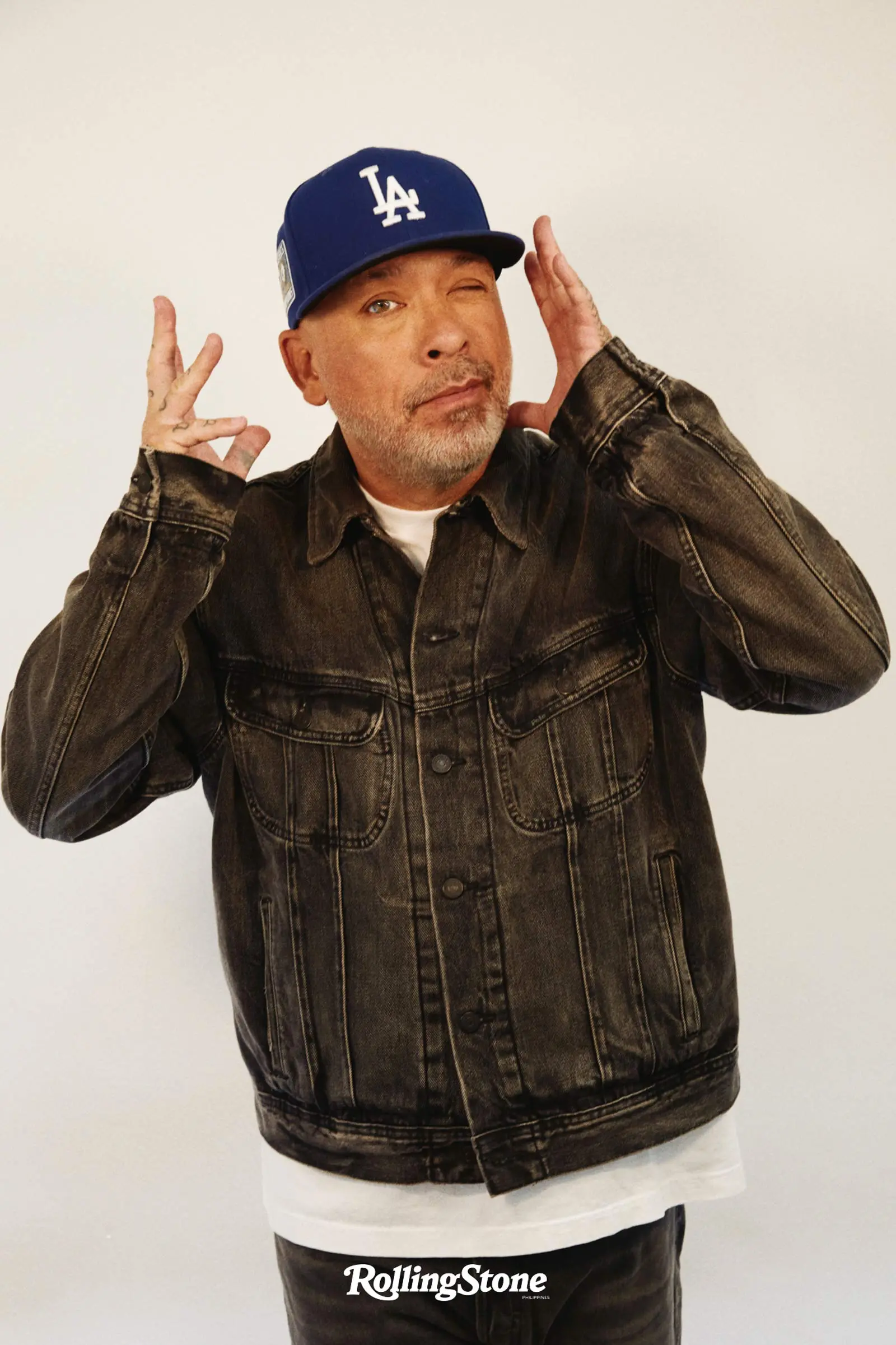
Your mom plays an important role in your comedy, and in your latest special, you had a joke about your teeth and in it, you mention your mom telling you that you deserve to laugh too. And I kept thinking, “Oh why would she say that? Does Jo feel like he doesn’t get to laugh as much?”
Okay, that story was when I broke my teeth, my mom and dad divorced, so we didn’t have money. All we had was military insurance. So they’re just gonna put the teeth back in, and they put it back and it was pretty fucked up. If you see my teeth, it was really really bad, and we didn’t have money to go off base and get them fixed. So my mom’s whole thing was like, “Oh, it will be fine. You’re fine. Don’t worry about it. They’re just teeth.” But in reality, she just did not have the money. She was a single Filipino woman trying to raise these kids, and I was trying to be a comedian, and I can’t even laugh at my own shit because I was so embarrassed by my teeth. I’d always bend my lip over my teeth when I’d laugh, and then sometimes I’d smile big, and then the gap would show, and my mom saw that, but she didn’t say anything. She stayed consistent. “Oh, stop it! Smile. Don’t worry about it.” But when I finally got the money, that’s when she was like, “Do it. You deserve it. It’s your turn.”
I get a little emotional when I say it because I’m used to her being that hard-nosed Filipino woman. I had to tell that story because it just meant a lot to me. I also wanted to show that warm spot that she had. But that was the whole point of that story. We didn’t have any money, man.
Speaking of money, you peeled back the curtain in your L.A. Forum special where you talked about the financial risks you put yourself through to get your first special, Live from Seattle, made. Can you talk more about that?
Yeah, so I love this big explosion that’s happening with the awareness of Filipino culture and how these young Filipinos are coming up now. I love it. I’m so proud that they’re getting the opportunity that they well deserve. But let’s just go back nine years. Nine years ago, when I was breaking records at the Improv and plaques with my name on the wall. But for some reason, while I was breaking those records at the Improv, they didn’t want to give me a [stand-up] special.
I love Netflix now and I know they don’t want to keep hearing this being rehashed, but I’m like, what was it that you didn’t understand? What was it that you thought was so “specific” that no one’s gonna get it? I had to prove it. I had to get the money to get the cameras, hire a director, hire a producer, and hire a stage manager. All this shit that I had to do by myself while other cats were getting these specials. I mean, there were two people that I took on the road that were opening for me that got specials before me, and I’m just like, “What the fuck is going on?”
Were they white male comedians?
Yeah, they’re white. And mind you, while we were shooting the special, Netflix called my manager and said, “Hey, we know he’s shooting it. We want you to know that we really don’t want it.” That’s a real fucking story.
And then after we shot it, we cut it up. We sold it to them, and then, all the algorithms or whatever it is that they said they have were silenced because the people spoke. The minute that thing hit on Netflix, I mean… I had complete sellouts everywhere. Every single show was sold out across the world. I was selling arenas in Australia. I was selling multiple arenas in San Francisco. Madison Square Garden. Sold out. There was none of this algorithm anymore. The people spoke. Like this is something they wanted to hear, and they’ve been waiting for it. But that was the struggle that I had to go through. And I’m so happy that now in 2026, you’re seeing this outbreak of Filipino artists just coming up and doing their thing and getting opportunities. But it wasn’t like that just 10 years ago. I started in 1989, and it’s been 37 years to finally see something I’ve been wanting to see since I started.
“The algorithm is no longer a thing. It’s fake.”
So everyone knows you talk about your mom and your family, but you also talk about, or talk to, men directly about their issues. How do all those things inform who you are?
As far as me telling my story, when I get to the parts where it’s my relationship with my ex-wife, all that comes from me and my experience between my mom and my dad’s divorce. When they got divorced, that was it. I never saw my white side again. I never saw my dad’s family. I don’t know my dad’s mom or dad, you know? I don’t even call them grandparents. I feel bad for saying that, but I didn’t have that when my dad walked away. All I know is my Filipino side. That’s why I talk about it so much because I was raised by my aunt. My nickname “Jo Ko” comes from my Auntie Evelyn. So when I talk about my relationship with Angie [King] or how I am as an ex, you see how me and my ex-wife are best friends. I have this thing like I just want that family unit to always exist. We’re divorced, but we’re gonna be best friends, and we’re gonna be the best parents. And I don’t care what it costs. I don’t give a shit. It’s hard to explain, but I always want to make sure that people see it or hear it, you know?
We’ve talked about your successes, but I also wanted to touch on what you mentioned in your latest special where you talk about social media and negative comments. I know all comics have their share of criticism but being who you are, do you get more affected when you see a Filipino comment in particular? What do you feel when you see someone criticizing your Filipino-ness as opposed to just criticizing your comedy?
I don’t really pay attention. I don’t really care. Don’t get me wrong, it does suck because we do live in the world of social media. But like I said earlier, the algorithm is no longer a thing. It’s fake. When you see SoFi Stadium sold out, then I don’t understand what one comment is. We sold out SoFi Stadium. It’s a football stadium, man. I just posted something like four days ago of my opening with the Jabbawockeez, and it just hit 11 million views, and this is the third time I posted it.
“Before you make your opinion, get to know a motherfucker first.”
I’m glad you have an opinion. We should all have an opinion, but like I said earlier, I’m not talking about anyone else but my mom. You can’t critique me. You don’t know me. Like some of the stories I’ve told you, I haven’t even gone in depth yet, so you don’t know what kind of fucking struggle I went through. You don’t know who my mom is.
I did a joke in Live from Seattle where she kicked my two sisters out of the house. And as funny as that is, if you can really imagine me being a 13-year-old child seeing his sisters getting kicked out of the fucking house, it was a pretty shitty situation, man. I think that’s why I turned to comedy because imagine my whole family was just done. There’s no one there anymore. My dad left. My sisters have moved out. My brother is in a mental hospital, and it’s just me and my mom who’s working nine hours a day. All I had was stand-up. So before you make your opinion, get to know a motherfucker first. Understand what they went through in their pain.
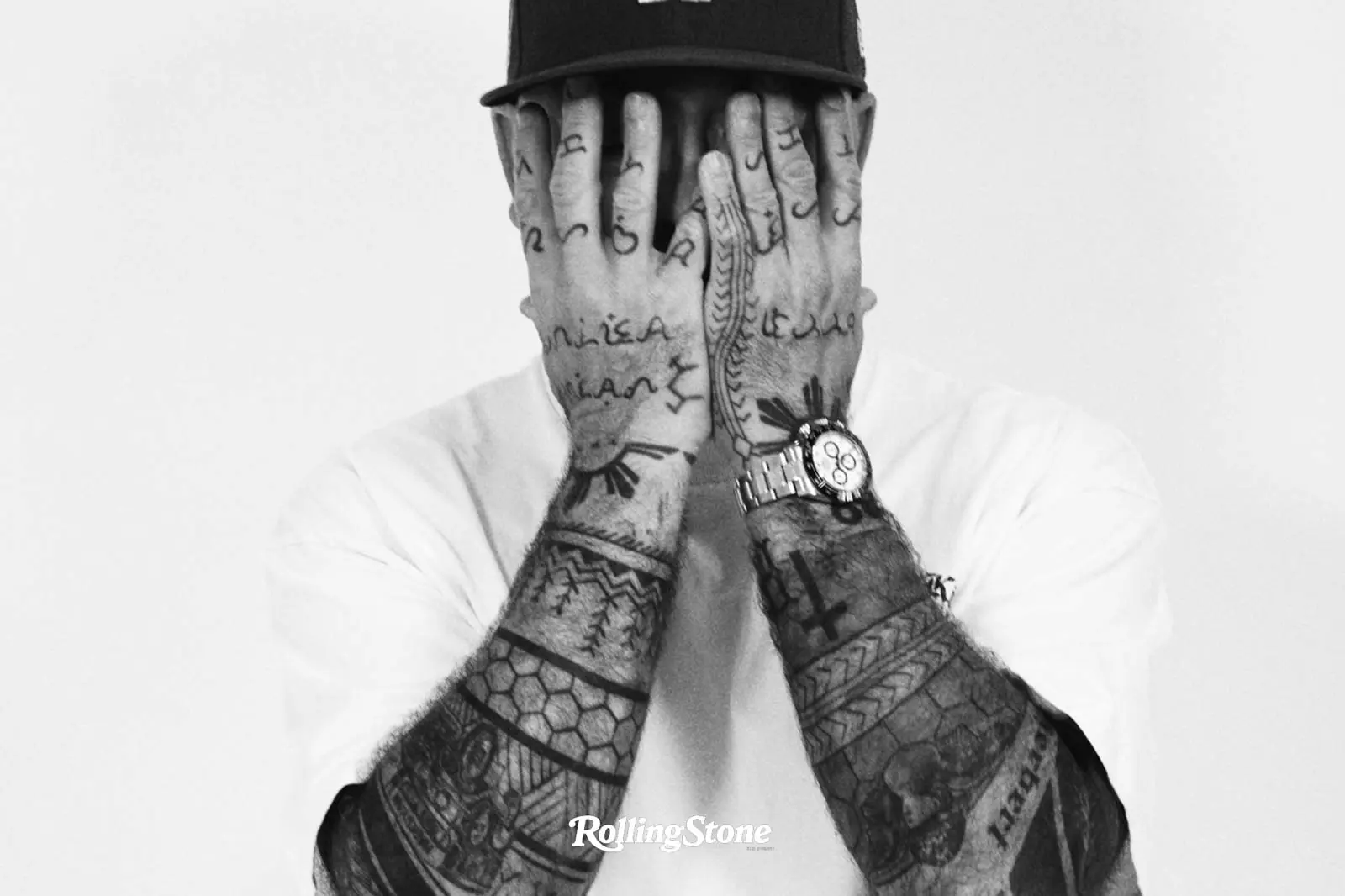
[It’s] not going to affect me. I walked into SoFi Stadium and it was sold out, man. That’s when I know I’m doing the right thing and that’s another bragging right. To be able to say [Gabriel “Fluffy” Iglesias and I] sold out SoFi Stadium, and we’re the first comedians to do it. Not a white comic, not a black comic. It was a Latino and a Filipino comic. We were the first ones to ever do it. And we took on the risk again. When you rent out SoFi Stadium, you’re talking like a million dollars just to turn the lights on. So we’re already in the hole. That’s a risk. So when we sold it out, boom! Now all the other comics are looking, going, “Oh, okay, it is possible. He just showed us.”
That’s the shit that that no one really talks about. Like when I did my Netflix special, that came out of my pocket. If I would have failed, and they didn’t put it on, no one’s following, you know what I mean? They’d be like, “Fuck that! I ain’t gonna invest. You saw what happened to Jo Koy!” Sometimes it just gets a little overwhelming, but you just gotta learn how to ignore it and just accept the real algorithm, which are your fans. That’s all we need, man.
“You go through a lot of shit, you hear a lot of outside noise, and you don’t want to hear it anymore.”
I still think that Jabbawockeez bit from Live from Seattle is your best joke. So it’s nice to see you bring them up on stage at SoFi. It felt like a full-circle moment for you guys.
So why that meant so much to me is because in 1983, when my mom started building her Filipino community, it was the craziest shit because there was no Facebook, there was no Instagram. My mom went to church every Sunday, and she literally would look for brown people who looked like her. I’m not even joking. Like every Sunday, while the sermon was going on, she’d be looking around, and then she’d walk up to a Filipino person, “Anong pangalan mo? I’m Josie. Kamusta. Filipino ka?” And then boom, next thing you know, they’re talking, and then they’re best friends. Then we’re renting out the hall next to the church, and we got potluck, and now we’re all eating Filipino food every Sunday night, and we’re performing and I’m dancing. It was a part of my life.
In an interview back in 2022, you said that the older you get, the more you just want to speak about your truth. Can you elaborate on that?
I think when you’re younger, whatever I’m talking about, I want it to be general. And the older you get, and the less friends you have, and you go through a lot of shit, you hear a lot of outside noise, and you don’t want to hear it anymore. Now I just want to be like, “Nah, I think you guys just need to hear more about whatever it is that I want to talk about. I want to tell you about me and how I feel, and then it’s up to you to decide whether or not you want to listen to that or relate to that.”
But I think when you get to this age, it’s like, now I need to start talking about my truth. It was so funny because I was just in Phoenix and my real dad came, and it was crazy because I had a shot of tequila in me, maybe two, and I shouted out my dad on stage, but then I also told my truth. I told the crowd that I don’t have a relationship with my dad but I still love him. And then I told them why they broke up, like my mom and dad divorced because my brother was dealing with mental issues, and he kicked my dad in the fucking chest, and he broke his ribs. That’s just one of many fights that my brother had with my dad, and my dad was like, “I’m done, I’m out,” and he fucking left us. And when I said that on stage, if you ever could hear silence in your life, I went from like massive laughter to like complete dead silence.
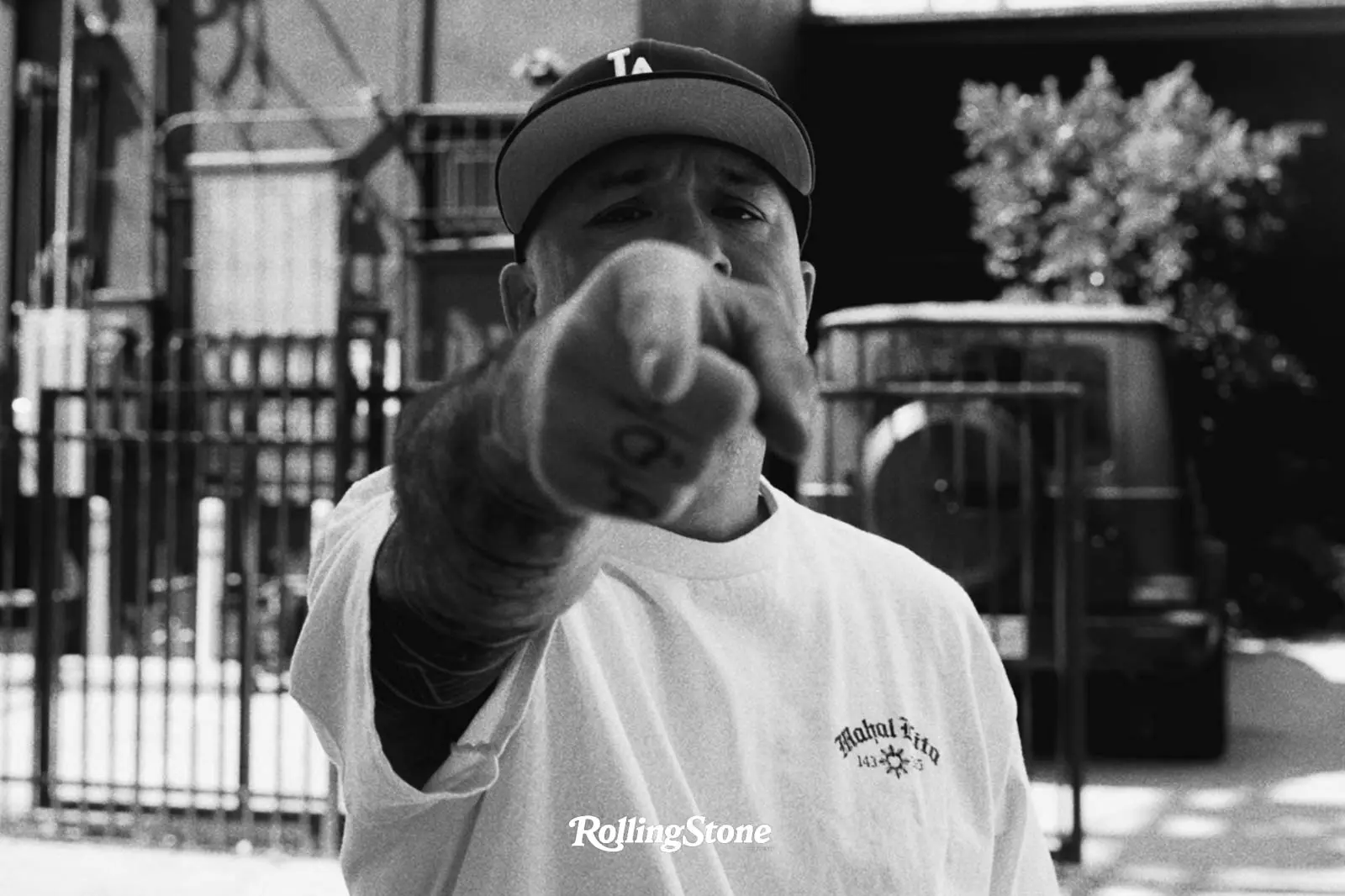
I still turned it around and was able to make it funny but it was that moment of truth where, as I went backstage, I looked at my crew and I was just like, “I think it’s time to talk about my brother.” Because it hurts. It hurts to talk about my brother. It’s not fun. There are no good moments. There’s none, and I have nothing when I reach into the well sometimes, and I end up crying. I get emotional. Like my brother doesn’t deserve to be fucking hammered. He’s already dealing with mental issues and he doesn’t need to hear that. I got to find a way where I can shine light on it because there are other families out there that are dealing with the same problem.
That’s a perfect example of my truth, and how important it is to me. I even told my son, I think it’s time to talk about my dad. I talk about [my stepdad] Fred all the time, but I think it’s time to throw some flowers his way as well.
I went to visit my brother in the hospital. There’s a logbook where you have to log in. And when you turn to the page for my brother, it was all my dad’s signatures. It was just years and years of my dad signing, and I was like, “Fuck, man! Here I am talking so much shit about my dad, but this motherfucker is the only one in the family that visited Robert, and he’s not even his biological son.” He was mom’s first son from another marriage, and here’s my dad, taking his time to fly out and make sure that he visits Robert and gives him what he needs. So I got to talk about that but it’s just going to be a heavy one.
I get the feeling that comedy has become more cathartic for you as you age, just from how you just talked about it.
Yeah.
Do you feel that every time you perform, you end up feeling lighter? It feels like you’re getting to drop or remove a lot of stuff that maybe you’ve been carrying.
Yeah, I feel like I’ve been doing that a lot lately. I do a joke about therapy and how I was paying this therapist to listen to me, and then I’m just like, well, fuck, I can just say it on stage.
Like talking about my brother was crazy because that’s something I harbored for so long. Like it literally just sits in my gut, you know? It’s a tough one, man, because I love my brother. If you listen to my song selections, it’s all inspired by my brother, Robert. He loved Earth, Wind &d Fire. He loved Heatwave. He loved The Gap Band. I get that all from him.
“Not everyone gets that fair shake, man. Some of us have to walk in and tap-dance and smile.”
You mentioned that when you were really young, all you had was stand-up. Who were the comedians or the stand-up specials that you loved?
Richard Pryor was the first one. It was an audio tape cassette that was given to me by my neighbor William. And then Eddie Murphy, Delirious, that came out on HBO, and I recorded that, and I watched it every single day. And then I went to see Eddie Murphy live when I was 15, and that was amazing. I started loving all kinds of comedy, but for some reason I love the storytellers. And it sucks to say it now because of all the bad shit that he did, but Bill Cosby, the shit that he talked about his kids and his family, I just love listening to it. And then there was a guy named Louie Anderson that did a lot of stuff about his mom and his little brother. I couldn’t stop listening. There was another comic named Dennis Wolfberg. He was a teacher, and he always talked about teaching these elementary kids, junior high school kids. That’s where my influence came from.
I loved black comedy the most because I felt like when they talked about family, I identified with it more than I did any other culture. Like if a white family talked about what they were going through, I wasn’t really identifying because we don’t have that. I just gravitated towards the black comedians a lot more because I just felt like their truth about family really hit hard with my comedy. I understood it. It sounded like my family. I was hearing my family through that.
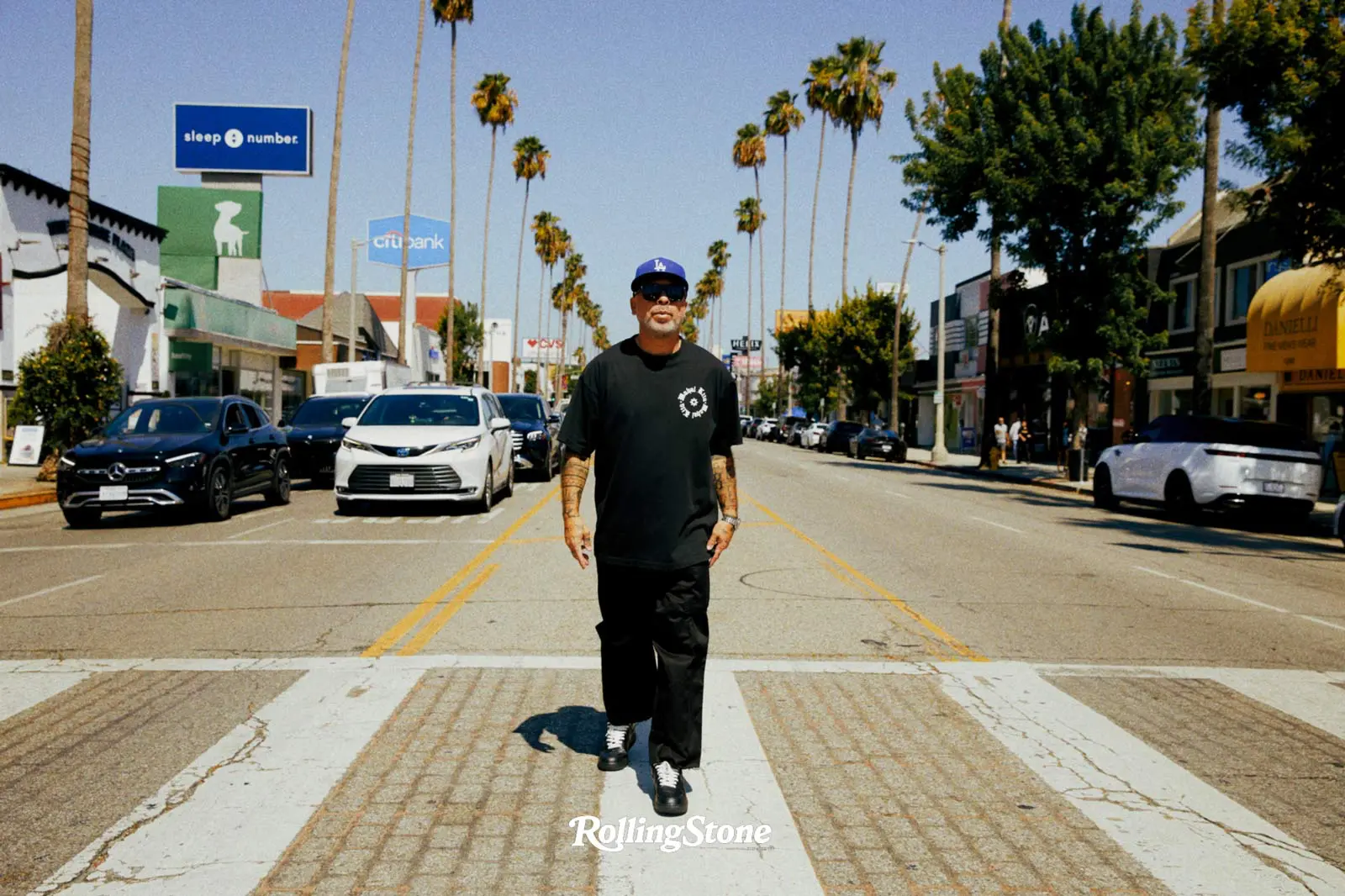
So, your latest movie, Forgotten Island, is coming out and you mentioned at the start how Filipino culture is having its moment. Does that idea bring you back to when you were struggling or does it give you a sense of validation?
I think it’s both. Like one validation, and two that “finally” moment like fucking finally, you know what I mean? Like my movie, Easter Sunday, that was from Steven Spielberg watching Comin’ in Hot. That’s how I got that damn movie. I pitched the movie. He gave it to me. All I did was tell him the same story I just told you about the potluck and all that stuff. That was the pitch, and he took it, and to see all this stuff where there’s investment, and Hollywood is aware now that not only of our people, but our culture, and the more we can get these opportunities to shine and showcase our talent… It’s an awesome moment for me.
If you were with me 30 years ago, it was rough. Like you could only do themed shows. [Comedy clubs] would never put you on the weekends. “Oh, you’re Asian? Okay, well, we have an Asian comedy show on Wednesday night. You want to do it?” Like it was so blatantly racist, man. We all don’t have the same opportunities.
“So, whatever I gotta do, man, I don’t give a shit. If the door is open, I’m gonna keep it open.”
That fair shake.
Not everyone gets that fair shake, man. Some of us have to walk in and tap-dance and smile.
So, whatever I gotta do, man, I don’t give a shit. If the door is open, I’m gonna keep it open. I’m not gonna hold on to these keys and lock the doors. I’m gonna get them doorstops and just keep wedging that door open. Whatever I can do to make these opportunities exist, I’m gonna do it. So, you know, ignore the crabs within our community. They’re delicious, but they eat shit. So let’s just ignore it.
Speaking of crabs, I get that we’re celebrating Filipino culture and its successes, but Filipinos also tend to have this underlying sense of crab mentality. Are you experiencing that even more so now, with your success?
Ah, man, I want to be careful with my words but… especially in America, there’s this colonial type of mentality that’s been pushed upon us indirectly. Through media and through society, for some reason, they trained us to be in competition with each other, and it just doesn’t make sense. I really don’t give a shit but unfortunately, there are people who just don’t like it that they’re not the ones winning. Don’t push that on us. Just concentrate on you. Crabs are always at the bottom of the ocean looking up. They just eat shit all day. You just eat shit all day and walk sideways. You’ll never swim up. You just stay there.
That’s a nice way to put it.
Look, I wish you guys luck, but I don’t need that in my life.
There’s a group of Filipinos out here and we put this festival together called Baryo HiFi, and we do it once a year. And this year we had 22,000 Filipinos, and it was just the most beautiful thing. We had a stage with nothing but Filipino up-and-coming talent. And H.E.R. came out just to support. We had all these local Filipino businesses with their food, and we had jeepneys and tricycles, and just like celebrating culture and life and food and love and entertainment. We didn’t make the money back but I don’t care. I’ll keep investing. I’m gonna do it because it takes me back to when my mom was in the church looking for Filipinos to hang out with, and that’s where that mentality comes from. I’m gonna keep opening the doors because I knew how important it was for her just to have one Filipino friend.
Recommended Video