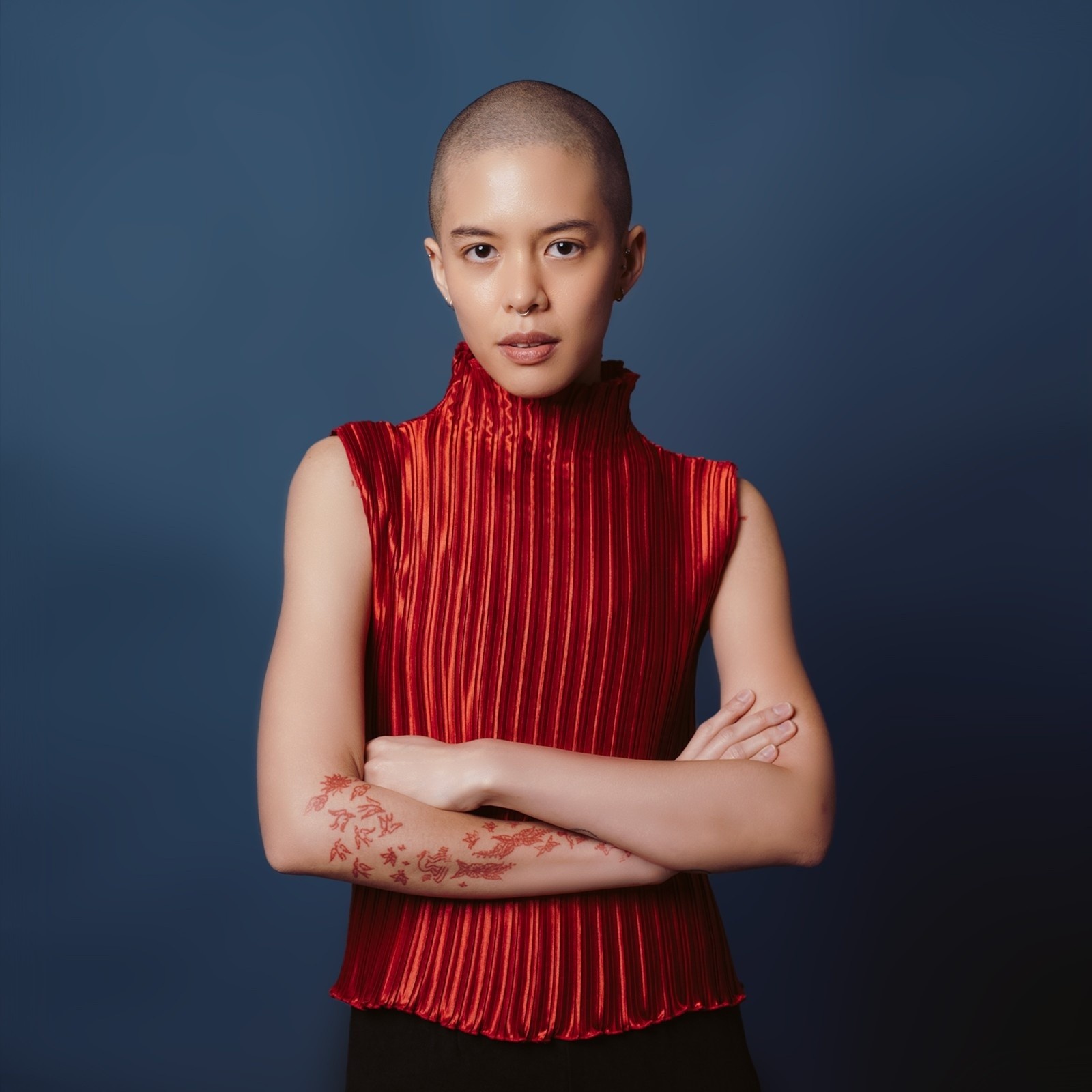


Marina Summers loves it all, she says. “I love beautiful things. I love glamour. I love clothes. I love it all.” In the past few years, Marina has become one of the most recognizable faces of Filipino drag. From her breakout run as runner-up on the first season of Drag Race Philippines in 2022 to her historic stint on RuPaul’s Drag Race UK vs. the World in 2024, she has carried Filipino drag onto big stages in the country and abroad.
On the international stage, Marina has made it impossible to separate her drag from her identity as a Filipina artist. There was the Manny Pacquiao impression in Snatch Game, the bangus-inspired terno, and the many references to Filipino culture woven into many of her looks. As she puts it, for Filipino creatives, there is often a “constant duty to represent where you came from.” In this Rolling Stone Philippines Interview, Marina says that responsibility has never been a burden. “It was a conscious decision. Hindi siya pressure.”
In February, Marina publicly came out as a trans woman, inviting people into a deeply personal journey that she had been navigating long before. After years of embodying femininity through drag, she began exploring what it meant to live as herself beyond the stage and beyond her drag persona.
“I don’t have to project femininity. I don’t have to project my womanhood because I am a woman,” she says. As she continues to understand this new chapter of her life, Marina speaks openly about the vulnerability of learning how to be a woman while also becoming a voice for other trans people.
Visibility comes with a lot of weight. Since her transition, Marina says she has noticed that people listen to her differently, and that she is now often called upon to speak not only as a drag artist, but as a trans woman representing a wider community. It is a responsibility she approaches with both pride and humility, knowing that she is still learning while carrying the hopes and experiences of others with her.
“Now, everyone wants me to come out of drag, speak, and represent the trans community,” she says. “But for me, that’s very tricky as well. Not because I’m afraid to speak for the community. Not because I don’t want the responsibility. It’s because I’m still learning how to be a woman. Takot pa rin ako up until now to say the wrong things, to do the wrong things, because I want to be a role model to a lot of trans people out there. Queer people, even.”
“‘Pag hindi ko siya [drag] ginawa, parang ang boring ng buhay ko. Parang hindi fulfilled ‘yung buhay ko.”
When asked if she ever wished that she didn’t have to prove herself by doing so many things, she said, “Yes, ‘yung job ko, it sounds [like] a lot. But for me, it’s simple because it’s something I love. Ang hirap kasi ng drag talaga, na parang pwede naman kasing hindi mo gawin. Ba’t mo gagawin? Pero ‘pag iniisip ko, ‘pag hindi ko siya ginawa, parang ang boring ng buhay ko. Parang hindi fulfilled ‘yung buhay ko.”
Seven years into her drag career, Marina has reached milestones never met by other Filipinos before: becoming the first drag queen to perform at Miss Universe Philippines, the first Filipina drag queen to walk the Cannes red carpet, and the first trans woman to host Miss Universe Philippines. Yet beyond the titles and firsts, she still works for the communities that built her.
“Ang trabaho ng pag-da-drag ay hindi biro,” she says. “It’s life for us. And ang daming performers natin, mga local artists, local queer artists na sila ‘yung bumubuhay sa family nila using drag. Sila ang nagpapaaral sa mga kapatid nila using drag kasi walang ibang opportunities for them.”
As Filipino drag continues to find its place in mainstreamMainstreamThe ideas, styles, and works that reach the widest audience and dominate popular attention, such as radio hits and blockbuster films. The word is often set against indie or underground,Go to Mainstream Glossary culture, Marina stands at the intersection of its past, present, and future: a performer, an artist, and an increasingly important voice for a community still fighting for its rights. —PIE GONZAGA
This interview has been edited for clarity.
In the last interview that you had with us, you said that you were in your hyper-feminine conditioner campaign. Your sobrang sikip era.
Conditioner era, yes. Masikip. Medyo mas open na siya ngayon. When was that? Last year, ‘no? That time kasi parang I was very, in my own world pa. It was the very early stages of my transitioning kaya parang in-embody ko pa ‘yung hyperfemininity. And I wanted to project that as well. But now, mas, ‘yun nga, mas open na ako na parang I don’t have to project femininity. I don’t have to project my womanhood because I am a woman.
You made this announcement in February about your transition journey. And it took you about a year to muster the courage to do that. There are dolls who helped you prepare also, like your community and your friends. What is the most important lesson that you learned from your friends that you wouldn’t have otherwise thought about yourself alone?
I think one of my biggest fears about transitioning is not public perception. It’s as vain as it sounds, ‘yung bagay ba sakin ‘pag naging babae ako? Totoo siyang question na dinadala ng mga trans woman, especially those people about to transition.
Siyempre parang lumaki tayo sa society, especially as a queer person, as a formerly gay person, parang feeling babae. ‘Yung mga ganon na binabato sa ‘min, especially as a drag queen who’s portraying a feminine character na parang you’re trying hard to be a girl. Or hindi man bagay sa ‘yong maging babae. So, parang dala- dala ko ‘yun when I was going into my transition.
Parang, bagay ba? And kasama nung tanong na ‘yun, ‘yung “Para sa ‘kin ba ‘to?” Is this really what I wanted to do? And I’m really, really lucky na nagkaroon ako ng strong, very small circle, but also a very strong foundation. Marami akong mga naging conversation with my trans sisters na mas na-open nung pananaw ko on what it is. How do I say it? What it takes to be a woman. Hindi siya sa itsura lang. It’s the essence of being a woman.
It’s the heart, it’s the soul. And I had conversations with my friends na once malampasan mo ‘yung hurdle na ‘yun na “Bagay ba sakin maging babae?” parang mas mag-o-open ‘yung sarili mo to all the possibilities without thinking about how you look, how you act, gaano kahaba ba ‘yung buhok mo? Unclockable ka ba? ‘Yun ‘yung number one. Parang ‘pag nag-trans woman ba ako, unclockable ba ako? Cis passing ba ako or whatnot?
‘Yun talaga. As in, isa ‘yun sa mga pinaka-struggle ko talaga when I was about to transition.
So I’m really, really lucky na nagkaroon ako ng support system na pinaintindi sa ‘kin or pinaramdam sa ‘kin na kahit anuman maging itsura mo, as long as you embody being a woman, you are a woman.
What’s the hardest part about being a woman?
Honestly, ‘yang tanong na ‘yan ‘yung hindi ko pa kayang sagutin: What’s the best thing about being a woman and what’s the hardest part of being a woman? Because I’m still early on in the journey. And para akong dalaga ulit. Para ako nagdadalaga, nag-pu-puberty. From being a teenager, parang hinahanap ko pa ‘yung the lady version of Marina.
Parang, “Oh my God, bago sa ‘kin lahat.” I’m still changing a lot with my body and everything.
So I feel like hindi ko pa siya fully alam kung ano ‘yung hardest part about it. Feeling ko nga hindi ko pa siya nadadatnan. Feeling ko nasa early stages pa ako ng pagiging babae. Wala pa ako dun sa kalingkingan ng hirap, ng sarap. But as a trans woman, as of now, sa start ng journey ko, I feel like ‘yung pinaka-mahirap talaga is the ‘yung changes physically and mentally. Ang daming changes.
Mentally?
Napag-usapan namin ‘to ni Kylie [Verzosa] sa podcast niya na merong times na bigla na lang ako hindi makakatulog from 1 a.m. to 7 a.m. And I’m just crying. I don’t know what the reason is. Minsan may reason, kunwari nasa social media ko, may mapapanood akong dogs reunited with their owners after five years. Mga ganoon. Iiyakan ko ‘yun.
Tapos dire-diretso na, ang dami ko nang maiisip. Maiisip ko na I’m so alone. Parang never ko na-experience before na parang sobrang heightened ng emotions ko. ‘Yung battle ko mentally para siyang, paano ba? Everything’s on steroids. Parang ganoon. ‘Yung emotions ko, ‘yung mga iniisip ko, ‘yung changes sa katawan ko, ganoon. Feeling ko ‘yun ‘yung pinakamahirap for me.
Kasi, minsan, especially sa work natin, parang you have to be very professional, especially when you’re leading a team as well. Kailangan logic before emotions lagi, ‘di ba? Pero ang hirap as a trans woman na punung-puno ka ng emotions every single day, na isasantabi mo ‘yun for the sake of your brand, your career, your job, basically.
“Takot pa rin ako up until now to say the wrong things, to do the wrong things, because I want to be a role model to a lot of trans people out there. Queer people, even.”
That sounds about right. I think women have to think about so many things at once so it manifests mentally for sure and I feel like more people need to know that.
I want to talk about ‘yung may isa kang sinabi na hindi mo ma-pin- point kung kailan mo nalaman na gusto mo mag-transition because it’s I think your whole life. You’re thinking about it, whether consciously or subconsciously. But I want to know, were there ways outside of drag that you were able to express the feminine side of your identity prior to transitioning?
I’ve always felt like a girl sa loob ko ever since bata pa ako. And I think nag-manifest din ‘yun sa family ko [na] hindi ako pinapagawa ng mga male chores. Hindi ako pinagbubuhat, lagi akong hugas ng pinggan, walis, ganyan, laba-laba, ganun. Parang puro mga pang-girl chores ‘yung binibigay sa ‘kin. And then ang tawag din sa ‘kin ng family ko hindi “kuya”. “Ate girl” ang tawag nila sa ‘kin, ‘yung mga tito, tita ko. So parang bata pa lang ako talaga, I was given a chance to express who I really was talaga and what I really feel.
Hindi sinabi sa ‘kin kung paano ako dapat umarte, how to act, how to talk, and ano lang ‘yung mga bagay na pwede kong gawin, ano lang ‘yung mga bagay na pwede kong hawakan, or what not, ganun. So I feel like in those mundane things, bata pa lang ako talaga, parang feeling ko babae na talaga ako. I just didn’t have the right word for it.
And then eventually, all of it — for me talaga — revolved around drag. Parang dun talaga na-magnify na, “Ah kaya pala gusto kong tinatawag ako na ‘ate’ before,” “Ah kaya pala ayaw ko ng mga panlalaking chores before,” ganun na siya when I transitioned, when I was doing drag na.
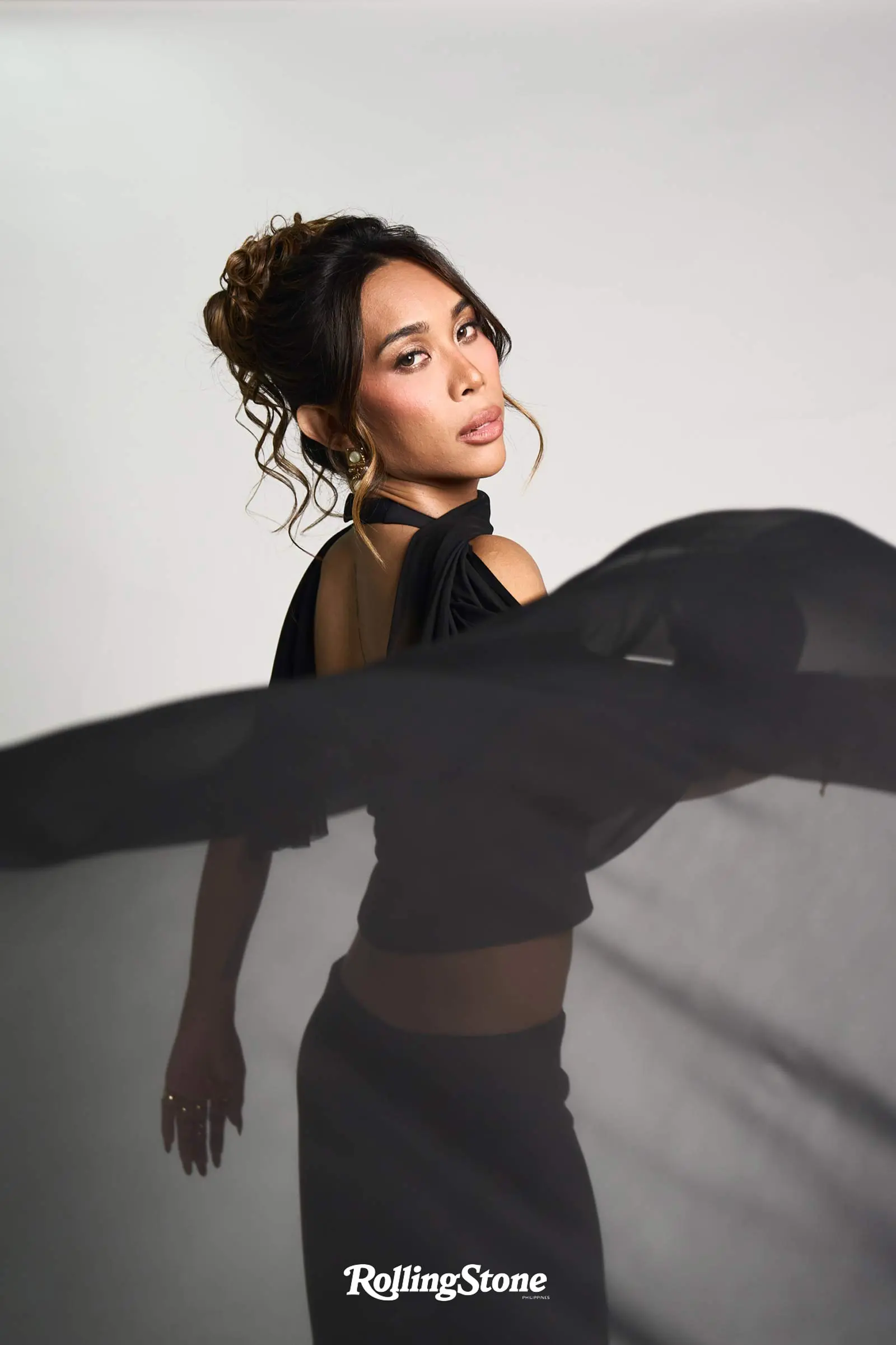
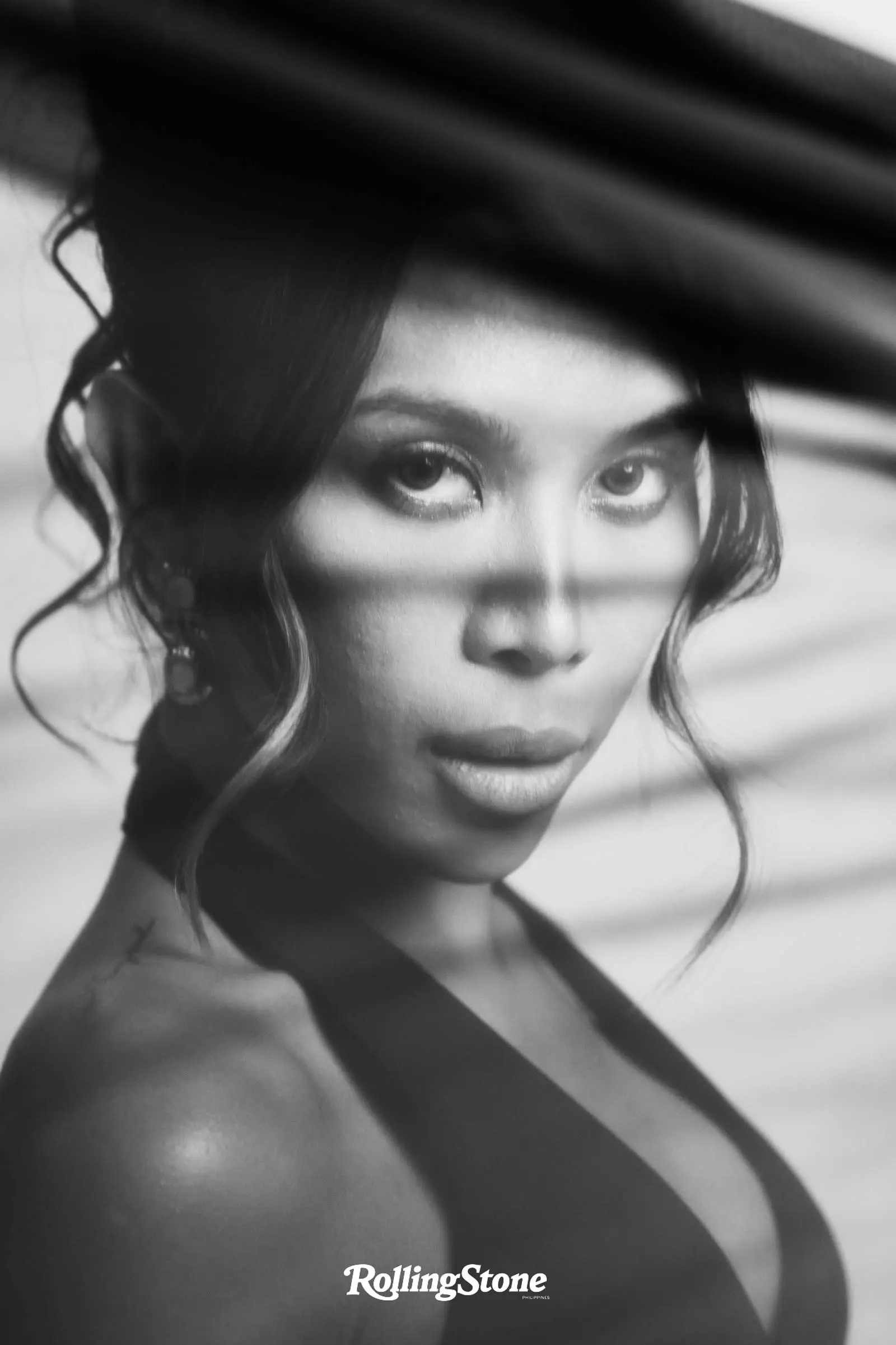
What else? Honestly, art. Performing, dancing, singing, making the bulletin board ng high school namin, nag-de-design sa stage, leading the Nutrition Month jingle, mga ganun. The typical artistic form of expressing yourself. I feel like at a very early age, I was very open about all of these beautiful things. There are a lot of beautiful things to share with the world. And I’ve always been in love with beauty.
I remember when I was little pa, ‘yung mga friends ko, ang pinapanood nila mga Digimon, Naruto. Ako nanonood ako ng Lifestyle Network, Star World, mga ganyan. America’s Next Top Model, Cooking with Martha Stewart, mga ganyan. I love beautiful things, I love glamour, I love clothes, I love it all.
Pageantry even. I’m a huge fan of Miss Universe. May times pa na umaabsent ako para lang manood ng Miss Universe. Yeah, full circle. Here we are now, ‘di ba?
I’ve always invited the glamorous idea in my head back then, without even thinking na “Ah, gagawin ko to in the future” or parang mag-da-drag ako in the future or mag-ho-host ako ng Miss Universe in the future. Wala ‘yun sa utak ko before. I just love it, I just embody, I just invite it sa kaluob- looban ng puso ko.
How have you made sense of this idea of masculinity that is not being tied to a specific gender? Do you feel that you’re still embodying that somehow, or is that something you are sort of really trying to put aside for yourself?
I mean, I am not saying that I’m not happy with my life before. I was very, very thankful I went through that. I’m very thankful na I’m a woman with a trans experience. I think that’s so powerful. But at this point in my life talaga, I feel like me as a masculine person before; that chapter is closed. And it’s this life that I’m living now, I want to live it fully talaga.
And I feel you on that. Like even up until now, like ito ah, na-mi-misgender pa ako nito. Natatawag pa akong “sir.” I think it’s especially because of my voice as well. And I feel like that’s one of the growing insecurities I have now. Kasi ‘pag nag-transition, ang dami talagang insecurities na lumalabas. So you are slowly trying to parang push that away. Kasi siyempre you’re trying to embody this new life ne. And when someone reminds you na “You don’t look like the person you’re trying to be,” ang sakit ‘di ba? That’s why, hindi naman trying to forget it, but that is not me anymore.
I remember there was a very, very sad story. This February, I was in La Union. I came out as a trans woman publicly. Then we had a dinner celebrating and tinawag akong “sir.” Boobs and all ah. I was made up and all.
After I told the world na I’m a woman, nasa “sir” pa rin ako. And thankfully, kasama ko si Eva Le Queen, my knight in charming armor. Talagang kinausap niya naman. And they apologized naman.
Pero moments like those make you think, hindi pa ba enough what I’ve gone through? Hindi pa ba enough to para alam niyo, makita niyo na I’m a woman? Parang, what do I have to do? What do I have to change?
In the previous interview that you had with us, you said that drag is one of the most multifaceted art forms, which is its strength. But do you ever wish that as a queer artist, your life could be simpler or that you didn’t have to prove yourself by doing so many things?
That’s a very interesting question kasi minsan naisip ko din ‘yan. What if ito lang ‘yung ginagawa ko? What if pumirmi na lang ako sa bahay? What if nagsusulat na lang ako? What if ‘yun lang ‘yung ginagawa ko? What if I have a simpler life? What if I have a simpler job? But then again, na-realize ko, yes, ‘yung job ko, it sounds like a lot. But for me, it’s simple because it’s something I love. ‘Pag iniisip ko, ang hirap kasi ng drag talaga. Ang dami mong kailangang gawin to be able to put on a look, a performance, content, na parang pwede naman kasi hindi mo gawin. Ba’t mo gagawin? Pero ‘pag hindi ko siya ginawa, parang ang boring ng buhay ko. Parang hindi fulfilled ‘yung buhay ko. At ‘yun ‘yung ni-re-remind ko sa sarili ko na yes, my job is a lot, it’s too much, but it brings me so much joy as well. It brings me so much life.
And art keeps me alive. The grass is always greener on the other side. ‘Yung mga may simpleng buhay, we imagine a mas glamorous lifestyle. I guess it comes with the trade. Pero siyempre, I still long for the simpler times. Especially when you’re going out. Hindi ka maka-party masyado, or very controlled na, marami nang inaasikaso. You have to be very responsible na din. Pini-picture ko pa rin ‘yung buhay ko sa tabing dagat, tahimik lang, mayroon akong aso, tapos mayroon akong ganung buhay. Pero this is it, baby. This is the life of a showgirl.
“I’m going to prove na I can represent Filipino drag. Not for the people na nagsabi sa akin na hindi ko kaya. It’s for the world to see na this is Filipino drag, I am Filipino drag.”
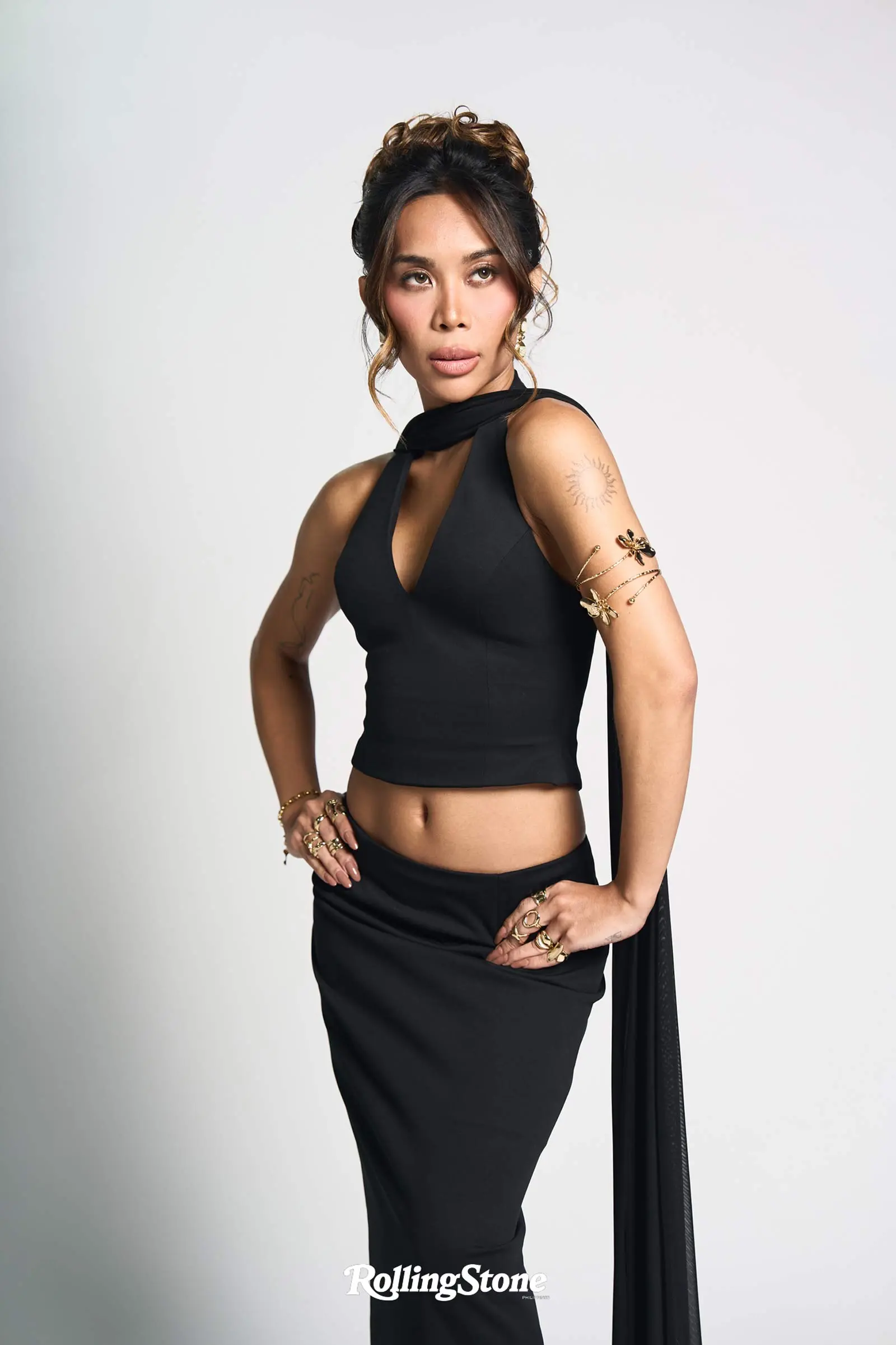
‘Yung mga looks mo, you incorporated a lot of Filipino references. And I want to know, do you feel like may expectations on certain Filipino artists to showcase their culture or represent their culture in a certain way? And I ask that maybe in relation to your looks. Feel mo ba na may fear na if you go too outside of the box, ma-mi-misunderstand ka? How do you balance those?
For Filipino creatives, Filipino artists, I feel like there’s that constant, hindi naman sya pressure, parang duty to represent where you came from. Merong ganun eh kasi we’re not that represented fully. Especially ‘pag nabigyan ka ng ganun kalaking opportunity, you have to do it. ‘Wag ka nang tumingin sa ibang bagay, andyan na eh, nasa harapan mo na eh.
But for me, it was a conscious decision. Hindi siya pressure. Meron siyang konting trying to prove myself eh. Kasi when I did Drag Race Philippines — first time kong sabihin ‘to —most of the comments that I get was like, “Hindi siya nanalo kasi pang- Western ‘yung drag niya.” Na parang, “Guys, Filipino ako.”
I didn’t really get it. Pero na-gets ko siya kasi this is what they see sa mga Western drag queens.
Siguro same kami ng drag style, pero Filipino ako. Bakit hindi ako pwedeng maging Filipino? Dahil I dance a lot, I talk in a different language, ganyan? Bakit hindi ko pwedeng i-represent ‘yung Filipino drag? Bakit ‘yun ‘yung ini-impose sa akin ng mga tao?
So nung nag-Drag Race UK vs. The World ako, at the back of my mind, I’m going to prove na I can represent Filipino drag. Not for the people na nagsabi sa akin na hindi ko kaya. It’s for the world to see na this is Filipino drag, I am Filipino drag. And hindi ko alam if masusundan pa ‘yun kasi sobrang, it was the first time na may pinadala from Drag Race Philippines to compete abroad. And gusto mong sundan ‘yun, gusto mong dumami.
So I really wanted to help put Drag Race Philippines on the map talaga — on the international Drag Race map, rather. So it was a conscious decision na, especially when you’re competing with different types of drag from different countries, meron ding fear na baka maging homogenous kami kasi syempre sinasabi ng mga tao Western ‘yung drag ko.
Kasi maraming mga Western drag queens sa UK vs. The World. So, parang when I was trying to think of a strategy, sabi ko, “find it within your heart kung ano ‘yung kaya mong gawin.” I don’t think too much outside the box. Just do what you know, ‘di ba? And if you know what you do, kahit anong challenges ‘yung ibigay sa ‘yo, you can express something kasi hindi mo fine-fake ‘yung what you’re representing. You know fully well what you’re trying to represent. So, I think it really helped me during that time.
And also, may fear e… I remember there was a time na even Filipino fans were saying, it’s “too much Philippines,” ‘di ba?
Parang when I was on Drag Race Philippines, parang she doesn’t represent Filipino dyan. When I represented Filipino culture naman, parang it’s too much Philippines, the Western people won’t get it.
I’m not trying to please them. I want to spark curiosity. What is she wearing? Hindi siya parang, “What is she wearing? I don’t get it.” It’s more like, “What is she wearing? That’s interesting.” Those are two different responses. And honestly, Filipino fans are saying, mas ‘yung latter.
Pero in all honesty, it’s yung curiosity ng mga international fans. Mas ‘yun eh. Even si RuPaul, every time I talk to her on the main stage, she always asks about the look. Hindi lang dahil hindi niya alam ‘yun. It’s because she really wanted to know what I was wearing. And what type of drag I was representing. And she was very curious about it. And she was really happy to see it on the stage. So, yeah. Fuck it.
Read the rest of this digital cover story in the Rolling Stone Philippines’ Voices Issue, now available for pre-order on Sari-sari Shopping and in major newsstands soon.
Get digital access to the latest issue here.
Frequently Asked Questions
Marina Summers is one of the most recognizable figures in Filipino drag. She rose to fame as the runner-up on the first season of Drag Race Philippines in 2022 and later competed on RuPaul’s Drag Race UK vs. the World in 2024, carrying Filipino drag to international stages.
Marina Summers publicly came out as a trans woman in February 2026, a step she says she navigated privately for about a year beforehand. In her Rolling Stone interview, she describes still learning how to live as a woman while becoming a voice for the trans community.
Marina Summers has achieved several historic firsts. She became the first drag queen to perform at Miss Universe Philippines, the first Filipina drag queen to walk the Cannes red carpet, and the first trans woman to host the Miss Universe Philippines coronation.
Marina Summers says representing Filipino culture has never been a burden but a conscious choice. Known for looks like a bangus-inspired terno and a Manny Pacquiao Snatch Game impression, she describes a duty Filipino artists feel to represent where they come from on global stages.
In the interview, Marina Summers speaks candidly about the vulnerability of transitioning, comparing it to going through a second puberty with heightened emotions and physical change. She also reflects on being misgendered and on the responsibility of speaking as a role model for trans and queer people.
Recommended Video