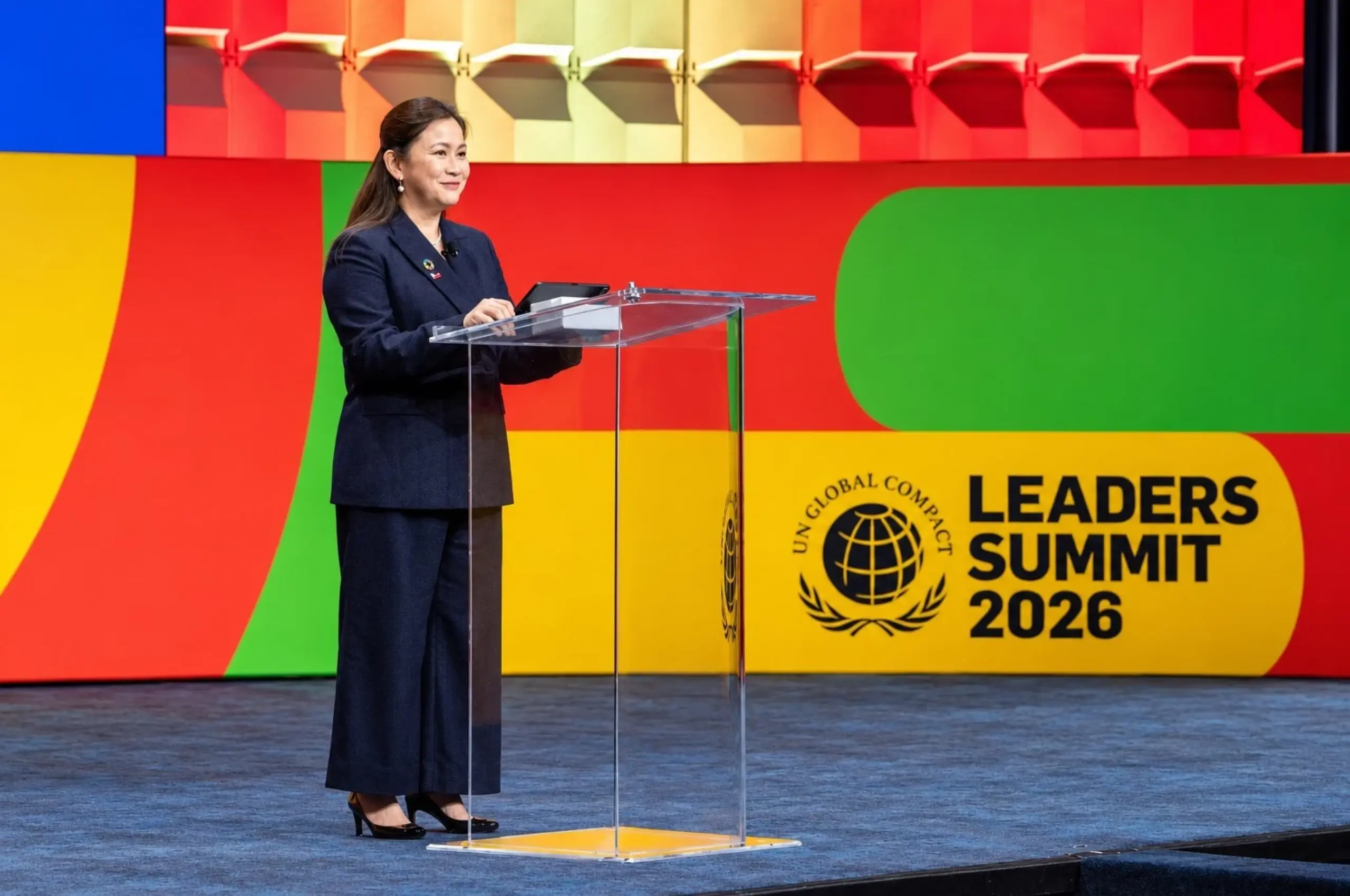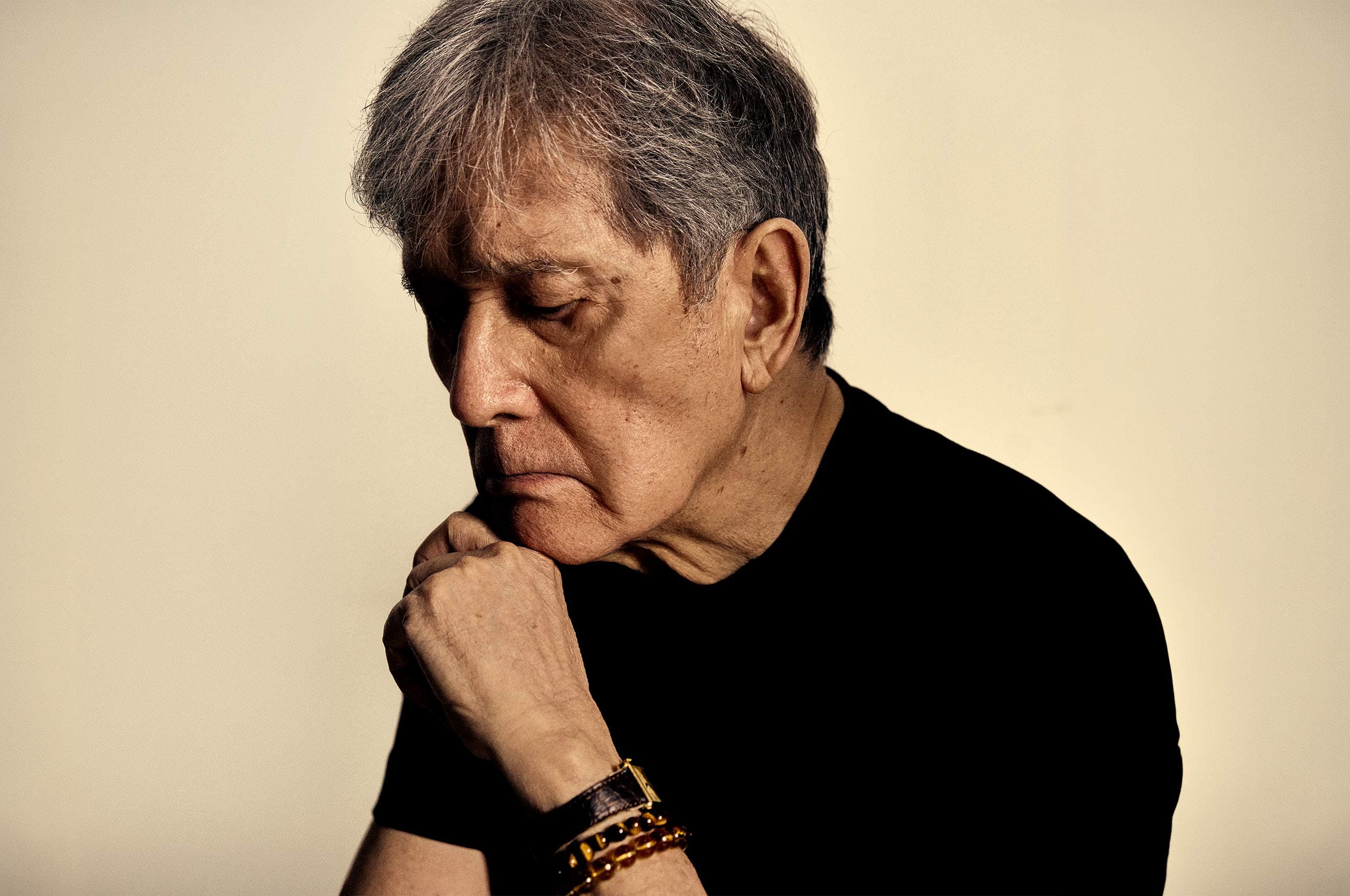


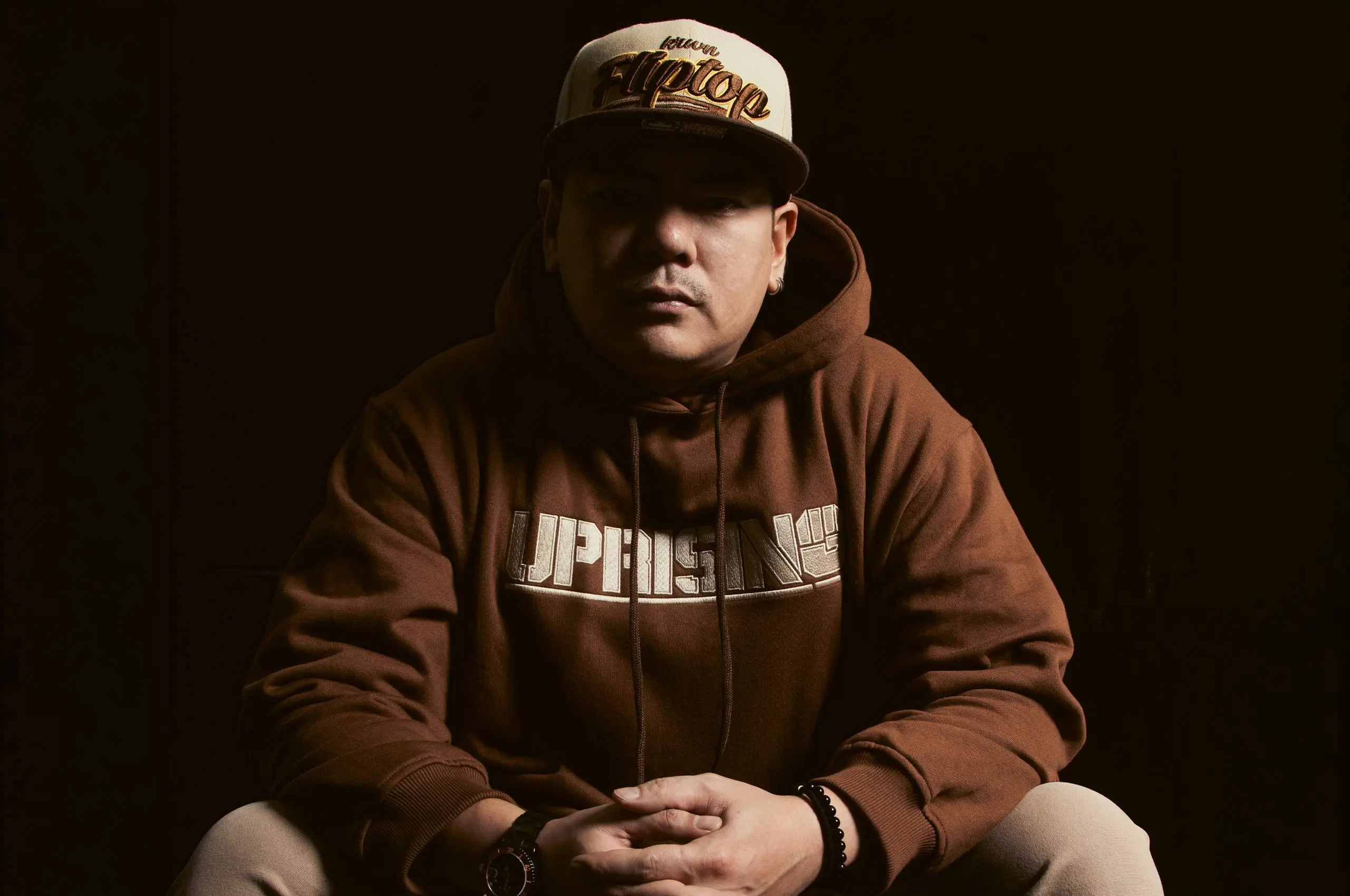
In a video of a rap battleRap BattleA competition in which rappers trade improvised or prepared verses, trying to win over a crowd and judges with wit, wordplay, and delivery. Battle rap has a strong following inGo to Rap Battle Glossary between two emcees, a towering figure with an intimidating voice acts as the mediator. Inside a cramped venue filled with onlookers, he introduces the battlers, gives sponsors a shoutout, and announces the winner. “FlipTop, game?” he shouts in front of thousands of viewers on ground and millions more watching online. That man is Alaric “Anygma” Yuson, who started one of the biggest rap battle leagues on the planet.
Yuson is the head of FlipTop, a Filipino rap battleRap BattleA competition in which rappers trade improvised or prepared verses, trying to win over a crowd and judges with wit, wordplay, and delivery. Battle rap has a strong following inGo to Rap Battle Glossary league that has built a large following that grows with each event. To date, its official YouTube page (@fliptopbattles) has over eight million subscribers with a total of 2.8 billion views and counting. “A lot of people depend on this, on the work,” says Yuson on FlipTop’s success. “One thing I did come to realize and try to remind myself is, when it’s this big, it’s not about you. It’s not about yourself.”
Before becoming the kingpin of the rap battleRap BattleA competition in which rappers trade improvised or prepared verses, trying to win over a crowd and judges with wit, wordplay, and delivery. Battle rap has a strong following inGo to Rap Battle Glossary world, Anygma, who’s the son of literary figure Alfred “Krip” A. Yuson, majored in Philosophy at Ateneo de Manila University. His nascent rap career centered around abstract concepts under the rap collective AMPON. FlipTop was never part of his original plan, but it eventually became his lifeline.
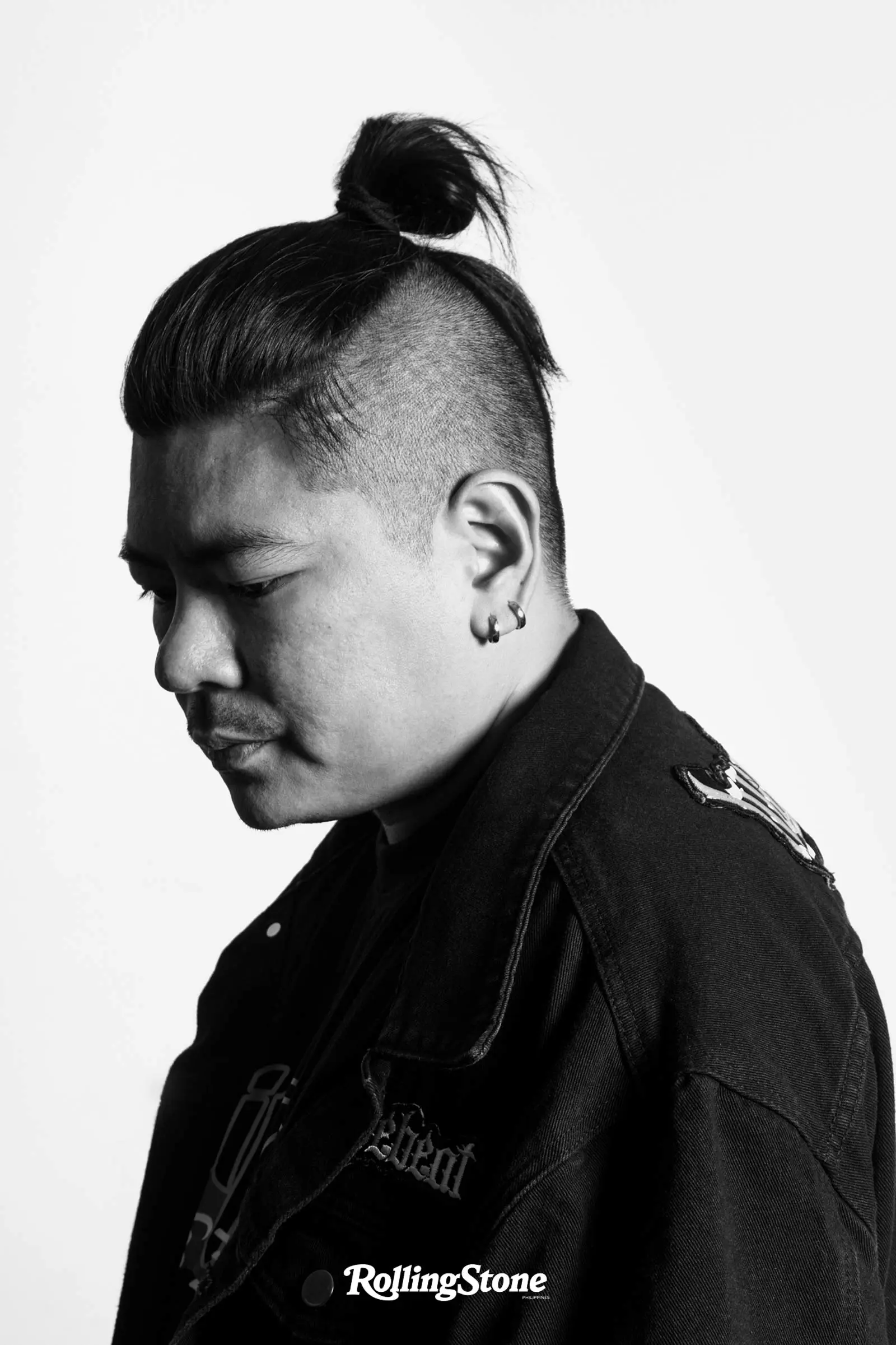
He has played a major role in the careers of rappers who later entered the mainstreamMainstreamThe ideas, styles, and works that reach the widest audience and dominate popular attention, such as radio hits and blockbuster films. The word is often set against indie or underground,Go to Mainstream Glossary consciousness, including 187 Mobstaz’s Smugglaz, Stick Figgas’ Loonie, Dello, and Abra, to name a few. In 2020, FlipTop hosted its own music festival showcasing all the elements of hip-hop culture: rap performances, b-boy battles, graffiti murals, as well as DJ sets. Yuson masterminded a piece of hip-hop oral history even with no desire to personally partake in a rap battle.
Yuson does not favor historical revisionism in hip-hopHip-HopA culture and genre built on rap, DJing, breakdancing, and graffiti, born in New York in the 1970s. Filipino hip-hop has grown into a powerful voice, with artists rapping inGo to Hip-Hop Glossary or the caricaturization of the culture. He’s all too aware that hip-hop has been looked down upon for decades, sidelined by more popular rock music. Despite this, FlipTop was proof that hip-hop was alive and is everywhere. After all, he is the boss of many, the voice behind the biggest platform for rap in the country.
In this Rolling Stone Philippines Interview, Yuson revisits the moments when he questioned his place in the hip-hopHip-HopA culture and genre built on rap, DJing, breakdancing, and graffiti, born in New York in the 1970s. Filipino hip-hop has grown into a powerful voice, with artists rapping inGo to Hip-Hop Glossary community, how socio-political conditions have defined the culture, and what it means to remain uncompromising through the hardest of times. —ELIJAH PAREÑO
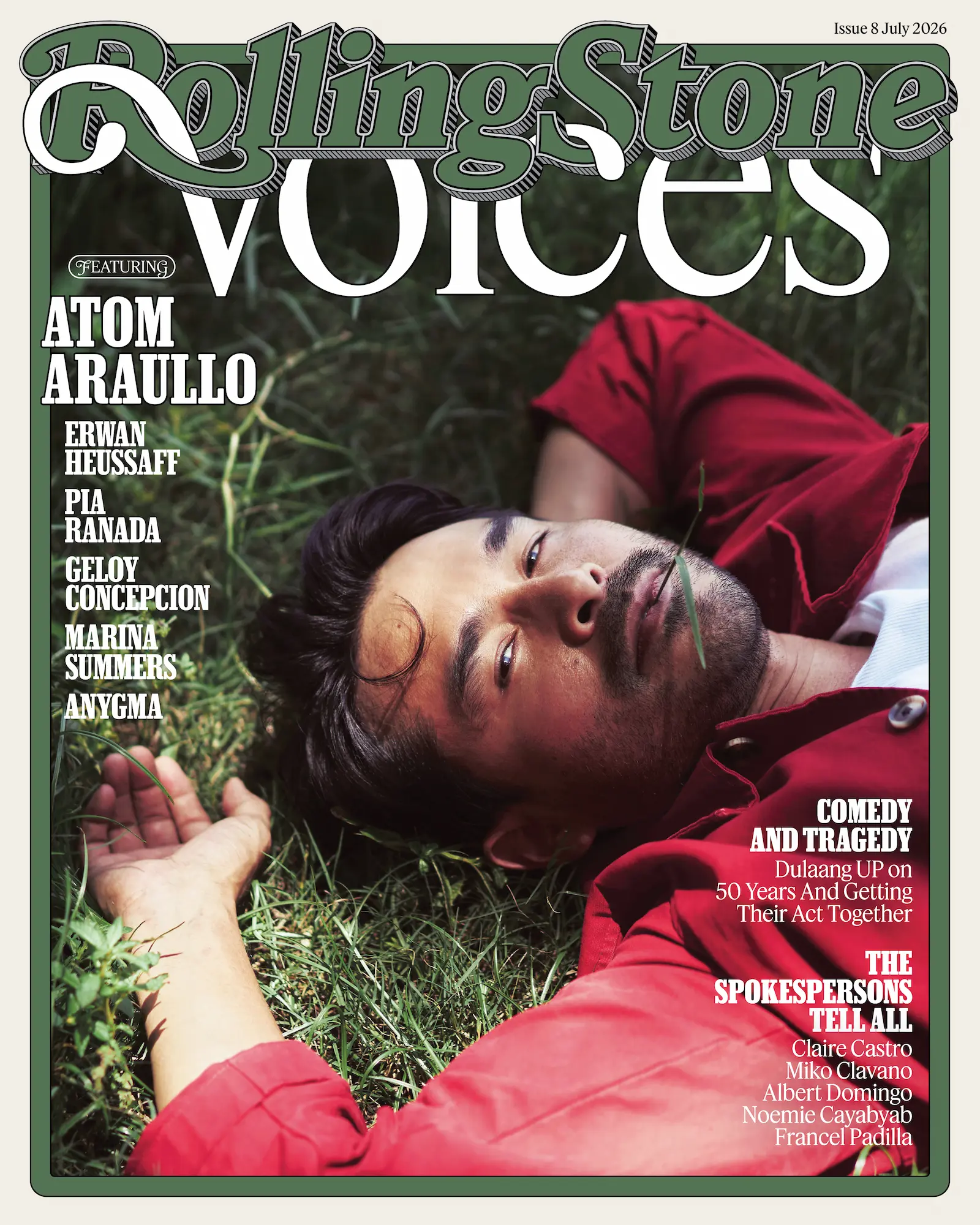
This interview is an excerpt from the Rolling Stone Philippines Voices Issue.
‘Yung battle rap sabi mo na tungkol siya sa inner city struggles ng mga African Americans in New York and I guess through FlipTop ngayon, na-vo- voice out yung struggles ng mga Filipino or ‘yung mga aspirations nila. Bukod sa struggle mo to recognize FlipTop being an art form, may sarili ka bang struggles during those early days when you were starting the platform?
Lahat eh. Dami. Even within hip-hopHip-HopA culture and genre built on rap, DJing, breakdancing, and graffiti, born in New York in the 1970s. Filipino hip-hop has grown into a powerful voice, with artists rapping inGo to Hip-Hop Glossary. Within Filipino hip-hop or the local hip-hop scene, the modern format wasn’t accepted right away. Syempre sanay ‘yung mga old school sa tinatawag na freestyle format or old school format na on beat. More similar to what sila Eminem did in 8 Mile. So when you first start introducing it, marami nagsasabi na “Oh hindi hip-hop ‘yan or hindi tamang battle rap ‘yan. Dapat ganito lang.” So even within the local Filipino hip-hop scene, may pushback na talaga.
Kung sa loob pa lang ng hip-hopHip-HopA culture and genre built on rap, DJing, breakdancing, and graffiti, born in New York in the 1970s. Filipino hip-hop has grown into a powerful voice, with artists rapping inGo to Hip-Hop Glossary, may ganun na. Imagine everyone else who doesn’t even understand hip-hop to begin with. So, when they see it, parang feeling nila ganito-ganyan lang ‘yan. Puro reductionist view na parang, “Insultuhan lang ‘yan.” “Bastusan lang ‘yan.” “Murahan lang ‘yan.” Every year, every day, parang it’s the same thing, really. You’d be surprised up to this point, merong hindi naniniwala. As if, 16 years in a row is not enough to prove to you that it’s gonna work, ‘di ba? Pero, you’ll know, and you’ll have people who doubt and criticize it, who never even knew what battle rap or hip-hop was before it. Imagine that, ‘di ba? Like, I’m the guy, I introduced it to you, and then all of a sudden you’re gonna tell me it’s not gonna work anymore, as if you would know better, ‘di ba? And multiply that by how many million Filipinos that actually follow FlipTop. But it’s nothing new.
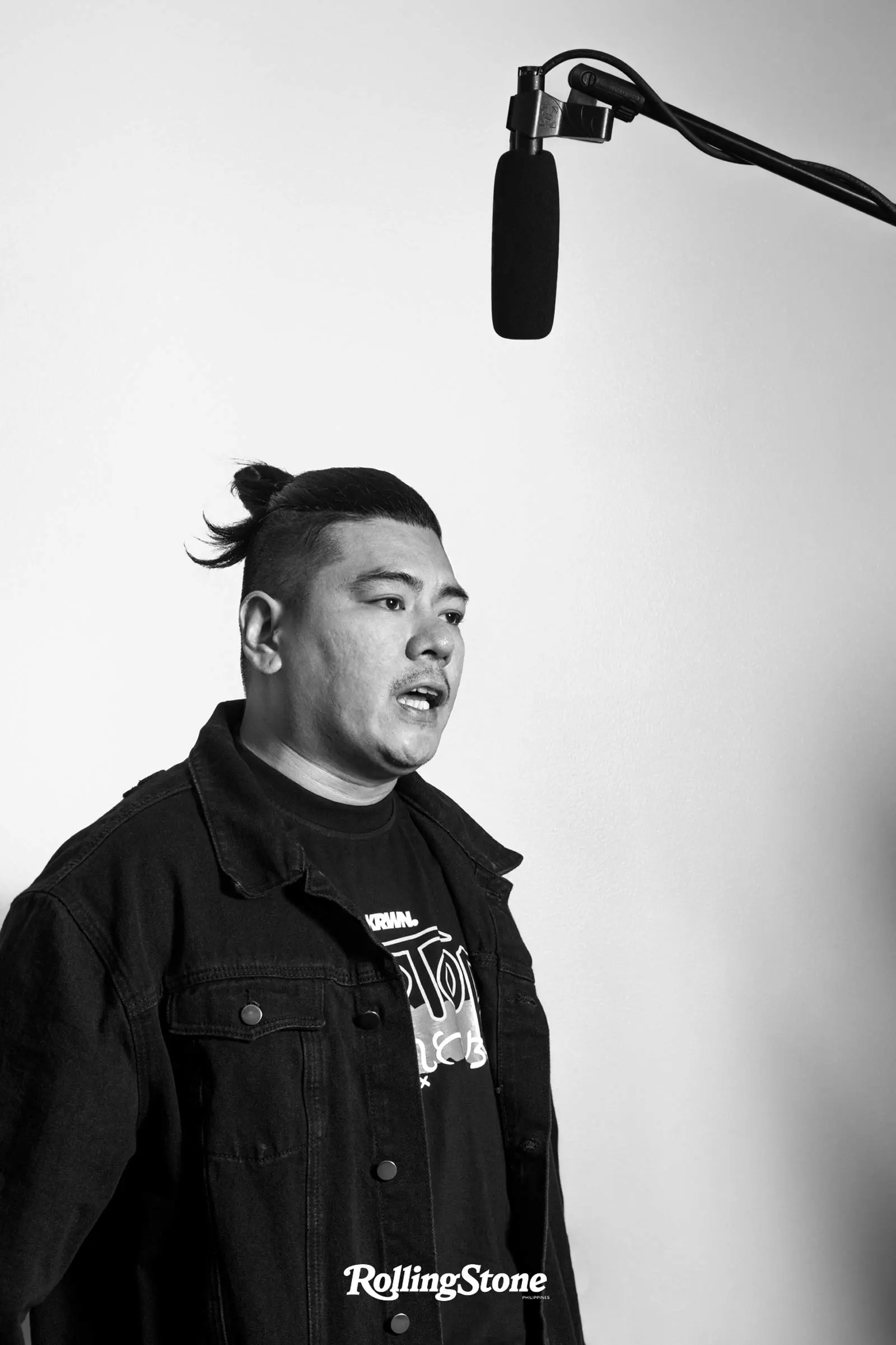
Even hip-hop in itself has always been looked down on. Even in the States, it was looked down on, especially in the Philippines as a predominantly rock and roll country, it was looked down on. And up to this day, despite being the biggest genre in the world and in the Philippines. Still, a lot of outsiders, they like to bastardize it, make fun of it, or caricaturize it. Same shit.
“We can’t really rely on the same machinery that a lot of mainstream things get to rely on. We still have to keep proving ourselves at every level, every step of the way.”
Ano ‘yung nag-instigate sa ‘yo ng desire to play around the battle rap format? Kasi may freestyle, traditional, old school version. And ‘yung pinush initially ng FlipTop, walang beat.
The modern format talaga is a natural evolution from the States din. Ginagawa na siya ng ibang bansa, ng U.S., ng Canada, ng U.K., Australia. And it was about adapting and applying it here. ‘Yun lang naman.
Do you feel like in the 16 years na pinatakbo mo ‘yung FlipTop, may nagbago sa format?
Not necessarily. Siguro very, very slight tweaks lang to match-up styles. Paano ba? Iba ‘yung pagiging battle format niya and ibang usapan din ‘yung league format. So I guess, a lot of the differences would be more in that. By league format, I mean how you run the league and what the system is compared to in other countries. So, for example, King of the Dot in Canada, they also have a champion but it’s kind of like UFC na whoever wins, he has to be challenged by the next guy until he loses or until he’s dethroned. Sa FlipTop, it’s a yearly tournament and you’re champion this year. If you want to be champion next year, you have to join again. So it’s more of a king of the hill kind of thing instead of a linear champion format. So ganun. The league format differences would be ‘yung scheduling, amount of battles, other details like round limits. Maybe even penalties. Siyempre ‘yung divisions, they had their version of it and then we have our version of it. The fact that we can rap in Tagalog and English — there used to be two conferences, ngayon puro Tagalog na.
Ano ‘yung pinaka-importanteng lesson na natutunan mo sa pagpapatakbo ng FlipTop na feeling mo hanggang ngayon pinapatunayan mo pa rin?
Just take it day by day talaga. A lot of things require very hands-on focus eh. And you can only really do that by the day. I mean you can always have things lined up in your head pero syempre, kung ito ‘yung kailangan tapusin ngayong araw, ‘yun ‘yung kailangan mong ayusin. And then, if you have things lined up in your head then maybe slowly work towards that but still by the day. So there aren’t really any overarching plans or anything like that na, “Oh, this year dapat ganito-ganyan.” Wala namang ganun.
And then I guess if anything, I try to stick to doing things for what I think are the right reasons. So there’s that. It’s always about remembering that. So even sometimes like when there are certain things that I want to do and then I remind myself of why we started this, why we’re still doing it.
When you were younger, did you feel like you were more idealistic about what you wanted to do?
Even more. Not just idealistic but militant. I guess I still hold on to it. But then, you have to also accept that by definition, the idealism is always there. Pero iba pa rin ‘yung araw-araw. No one can ever really reach their idealism. It also doesn’t mean you have to give up. Pero you have to accept its place without letting it affect your day. Hindi pwedeng idealism right now, this instant. It’s a process. And sometimes if you get lost chasing that too much and your feet aren’t on the ground, then you might also lose your way. And then at the same time, if you’re always looking at the ground, you’re not looking up, you know, you might also lose your way as well if you navigate metaphorically through the stars.
“One thing I did come to realize and try to remind myself is, when it’s this big, it’s not about you.”
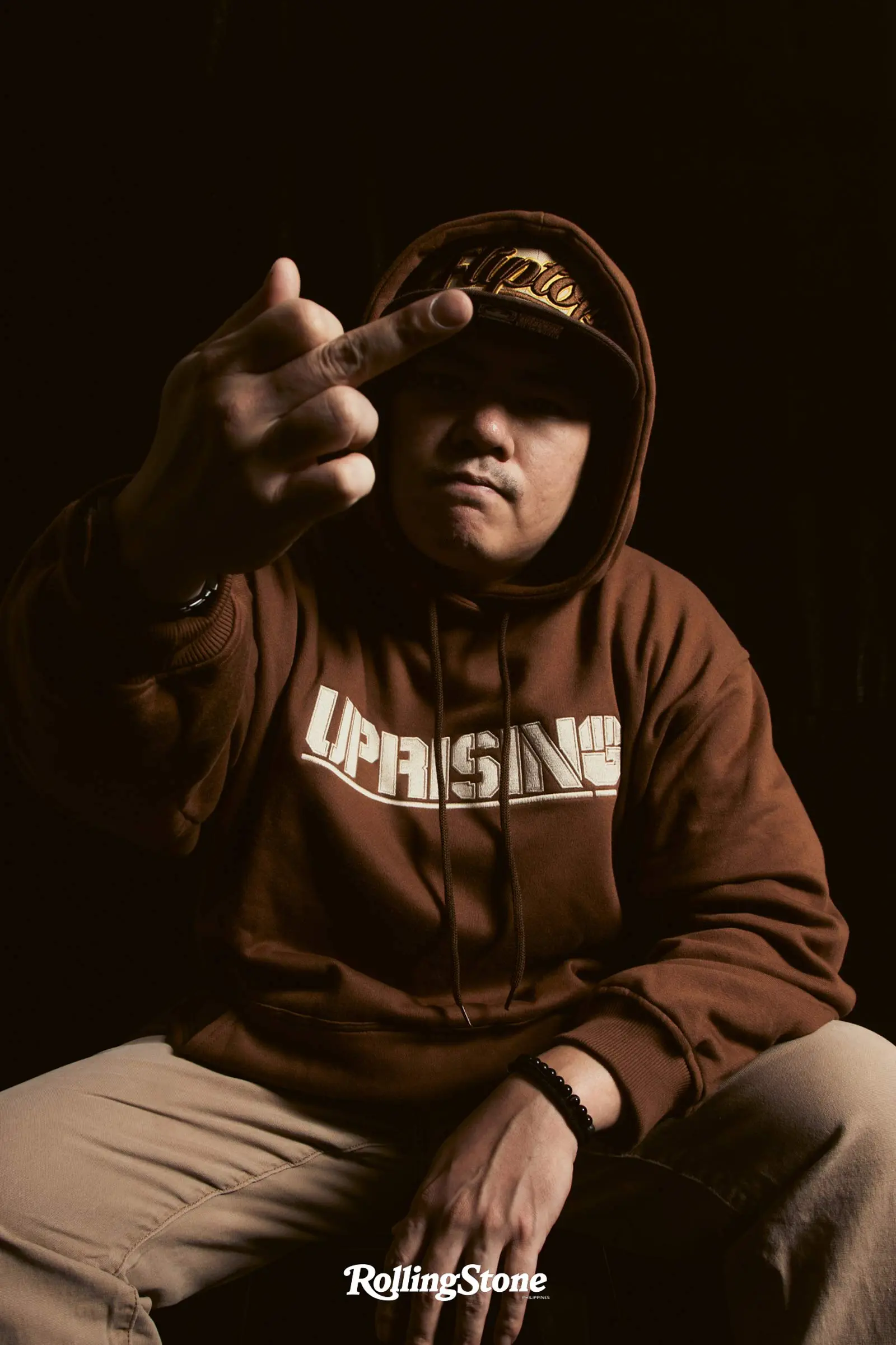
You seem so headstrong about it, but hanggang ngayon ba dini- debate mo pa sarili mo kung paano mo ito nagagawa? Kasi ‘pag galing grassroots, laging may pressure. So, nasan ka ngayon sa struggle?
It requires a certain balance. I feel like I still strive for that balance every day. So does everyone. Hindi naman ako lang ‘yung ganun. Lahat naman ata tayo ganun. Yeah, I just try to maintain the balance.
Balancing the idealism of the grassroots and preserving what you feel like is right and the demands of the livelihood. And minsan kasi ‘yung day-to-day, very administrative or very calculated. Na-accept mo na ba ‘yun? Balancing that with the idea.
No choice talaga. Kailangan talaga. A lot of people depend on this, on the work. And early on din, parang, I guess, one thing I did come to realize and try to remind myself is, when it’s this big, it’s not about you. It’s not about yourself. Parang that and having your back against the wall na you have to succeed because a lot of people depend on it and failure is not an option.
I’m interested in this concept of and this is sort of an open discussion of gaano ka-importante ang gatekeeping sa hip-hop and music in general. Ako, taga-dance music ako and there’s sort of a radical mindset when it comes to pushing for grassroots music. At the same time, gusto mong i-broaden ‘yung access para maintindihan pa ng mga tao kung saan ka nanggagaling. After many years in paano mo na-realize or na-negotiate this idea na naging gatekeeper ka na rin ng isang eksena?
‘Yung gatekeeping alam ko sensitive ‘yan eh. Kasi andaming ma-ba-butthurt sa ganyang usapan eh. I think, simply put, kailangan talaga siya. But at the same time, hindi siya kailangan maging militant.
There’s a purpose naman for that. Parang sasabihin mo, Michael Jordan fan ka pero hindi mo alam kung saan siya naglaro. And I’m not allowed to call you out on that. Ako bilang fan talaga, sasabihin ko sa ‘yo, “Parang hindi ka naman fan eh.” Tapos magagalit ka? Sasabihin mo, “Eh, gatekeeper ka pala eh.”
[But] at the same time, part of it is it’s not about me anymore. So, I don’t really try to concern myself with things about gatekeeping. It’s an endless discussion. Sige, if you want to hear my side, if you want to talk about what I think of this, what I know about the history of hip-hop, you can ask me. Pero, I’ll read comments and ang daming mali. Pero parang, what am I gonna do? Am I gonna waste my time correcting every single one? Hindi na. It’s like, I know what I know and I know what I don’t know. I still enjoy searching for what I don’t know. And sometimes that’s enough for me. Okay na ‘yun. Ako, enjoy ako sa hip-hop. Hindi ko na kailangang sumali sa correction, debates, discussions, especially on social media. And especially sa arguments for and against gatekeeping. Sobrang dami pong mas maraming importante kesa doon. Especially sa role ko.
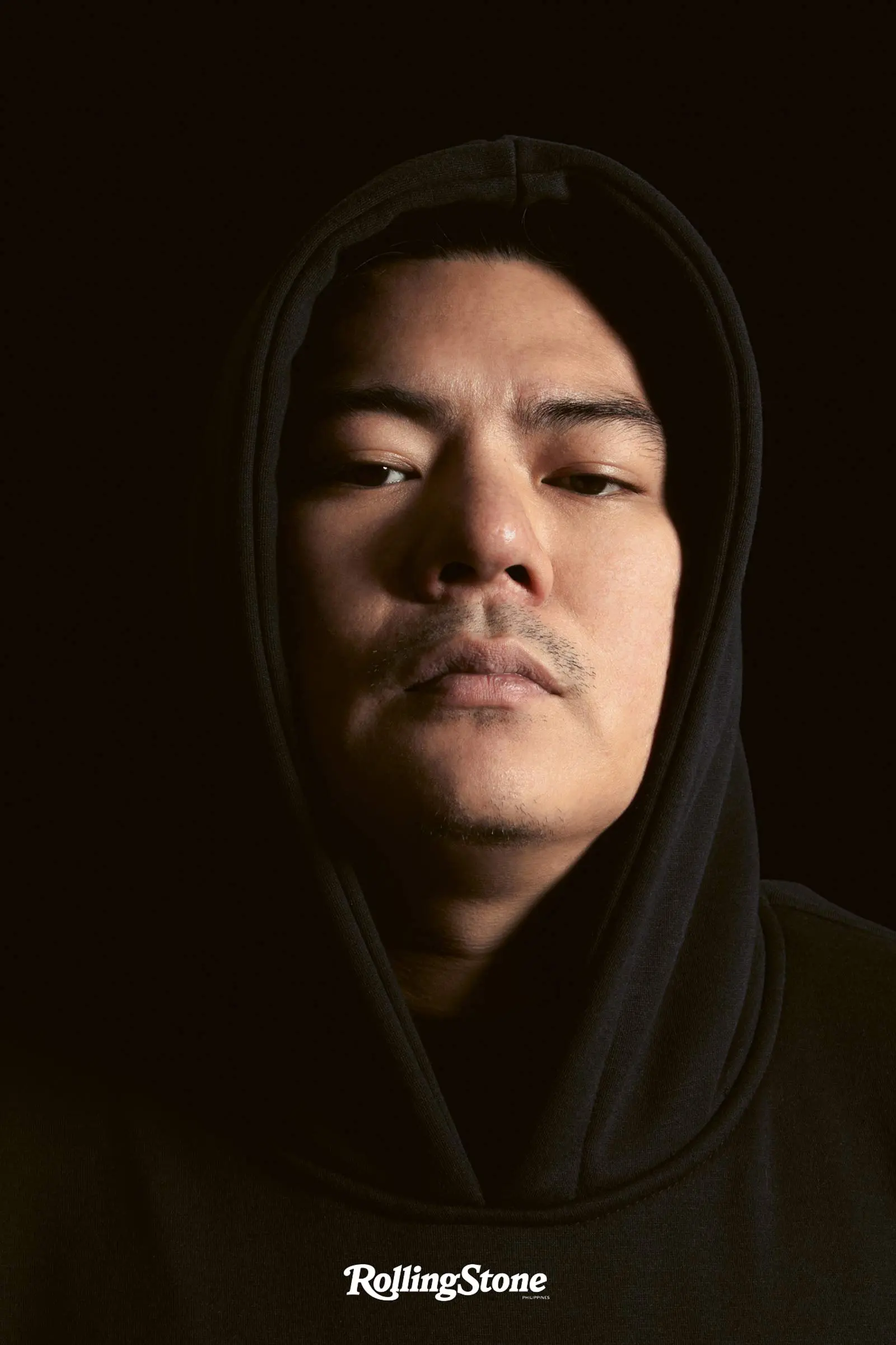
Nagsimula ang FlipTop and Uprising Records as a grassroots initiative and binuhos mo talaga lahat ng efforts mo in preserving the integrity of the platform. But at the same time, you’ve admitted na people depend on this. There’s less naivety around that and marami ka na ding na mentor na MC, rappers, producers na naging mainstream artists na din. How have you dealt with and how do you feel about FlipTop and Uprising still operating within the underground kahit malaki na ‘yung visibility mo?
I feel like mainstream media doesn’t give us a fair shake. Pero gets naman sige, if you have your reasons, if you feel like masyadong bastos, masyadong bulgar, gets naman din. Pero, you know, syempre, a certain part of me wants it to be recognized for — again, not about me, but — what has it accomplished, especially on the global scale. If si part- Filipina or -Filipino gets 8th place in Olympics, blah blah blah, and they get celebrated, then why can’t the most viewed battle rap league in the world be celebrated the same way? Hindi ko rin gets. It’s not a stats thing, it’s not a demographics thing, because a lot of people know what fliptop is anyway, so I can’t understand if a media person were to tell me, “Ah, kasi baka it’s not a big enough interest piece to be featured on mainstream.” Paano nangyari ‘yun?
Masasabi mo pa ba na underground ‘yung mga ginagawa mo kahit malaki ‘yung visibility.
In that aspect, yeah, it’s definitely, especially Uprising, all the more underground ‘yun kasi hindi talaga kumikita doon. So, parang to even be able to pursue something in today’s economy or especially the last 16 years. For anyone to pursue anything that doesn’t even make them money. You would think that that’s nothing else but passion. But with FlipTop, same thing. We can’t really rely on the same machinery that a lot of mainstream things get to rely on. We still have to keep proving ourselves at every level, every step of the way, whether it’s legal processes for an LGU or eventually having to deal with different forms of media. It’s still really underground. The people who also make up the entire staff of a single event, a lot of them are hip-hop people themselves. It’s like a lot of us didn’t necessarily go to school for the roles that we do in the company. So yeah, very underground, very rag-tag.
Read the rest of this cover story in the Rolling Stone Philippines’ Voices Issue, now available for pre-order on Sari-sari Shopping and in major newsstands soon.
Get digital access to the latest issue here.
Frequently Asked Questions
Anygma is the stage name of Alaric Yuson, the founder and head of FlipTop, the Philippines’ biggest rap battle league. The son of writer Alfred “Krip” Yuson, he studied Philosophy at Ateneo de Manila and rapped with the collective AMPON before building FlipTop.
FlipTop is a Filipino rap battle league founded by Anygma, widely considered one of the biggest in the world. Battlers face off in a modern, mostly a cappella format in Tagalog and English, competing in a yearly tournament rather than a linear championship.
FlipTop has grown into one of the world’s largest rap battle leagues. Its official YouTube channel has amassed over eight million subscribers and around 2.8 billion views. Over 16 years, it has also helped launch mainstream rappers like Loonie, Abra, Smugglaz, and Dello.
No. Although Anygma hosts and runs FlipTop, he does not personally compete in rap battles. He instead serves as the league’s organizer and emcee, introducing battlers and announcing winners. He says that once FlipTop grew so large, the work became “not about you” but the community depending on it.
Anygma says hip-hop has long been looked down on, especially in a rock-leaning Philippines, and that FlipTop still has to prove itself at every level without mainstream machinery. He believes some gatekeeping is necessary but not worth endless online debate, staying focused on the community instead.
Recommended Video