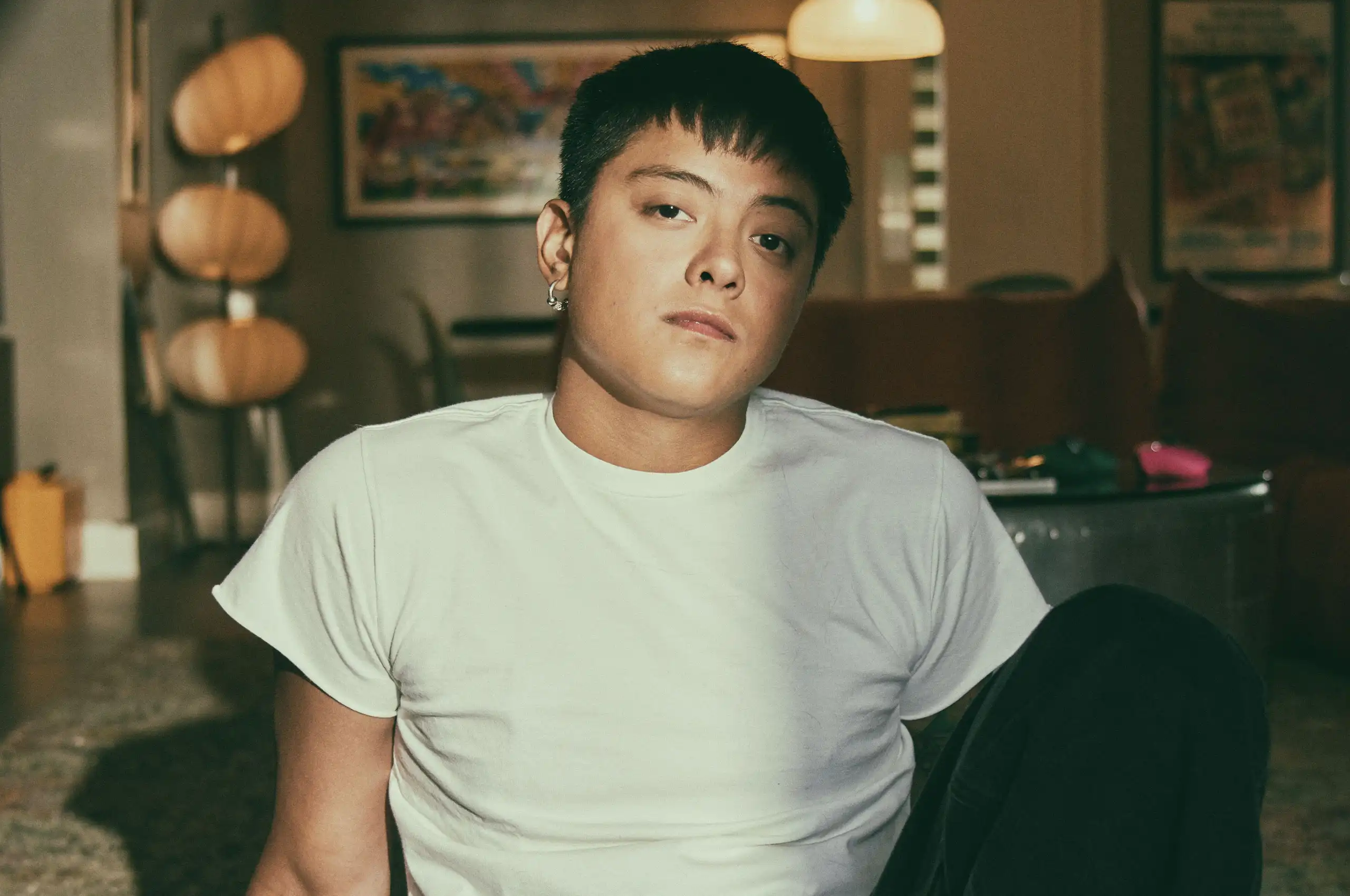
Actor Daniel Padilla sits down comfortably in his own music room, the weight of fame momentarily forgotten as the conversation turns to music. The actor-singer, known for his chart-topping rom-com soundtracks and teen idol status, reveals an unexpected pivot in his musical journey; one that has more to do with acid jazz than adolescent angst. “Ayoko nang ako lang kasi naririnig ‘yong sarili ko, which is deafening for me. ‘Yong utak mo nakakabingi,” Padilla confessed in his Rolling Stone Philippines cover story. “Pero sa music, ngayon, kanina ‘yong pinapatugtog ko, sobrang into Jamiroquai talaga ako.”
Padilla’s musical roots trace back to the holy trinity of emo: Paramore, Fall Out Boy, My Chemical Romance. It was the soundtrack of every angsty high school kid. But it was a gift from a former girlfriend that reshaped his tastes entirely: a Jamiroquai shirt featuring the iconic bull-horned silhouette of frontman Jay Kay. What started as a fashion statement became a gateway to a funk-infused universe. “So ‘yong Jamiroquai shirt, lagi kong suot,” he says. “Favorite ko ‘yon kasi black and white ‘yon e. Tapos binalikan ko lang siya kasi naalala ko ‘yong kwento na binigyan niya ako ng shirt. So pinakinggan ‘yong Jamiroquai, boom. Sobrang favorite band ko ‘yong Jamiroquai. Hindi lang ‘yong music nila. Pero ‘yong personality ni Jay Kay mismo, ‘yong singer. ”
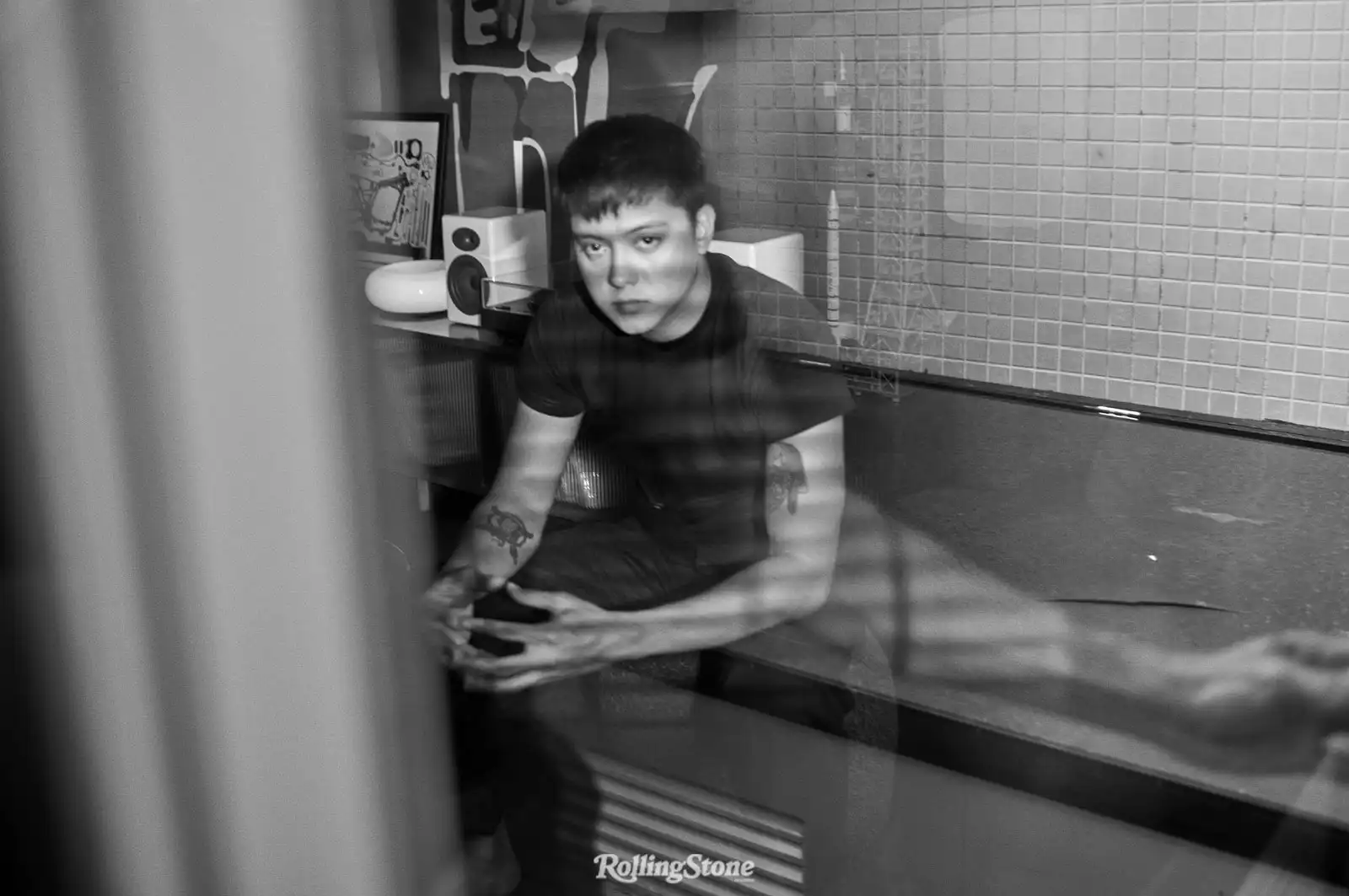
The revelation isn’t just about swapping one genre for another. For Padilla, Jamiroquai represents a departure from the predictable — a rebellion against the saccharine pop that once defined his career. Jay Kay’s swagger, the hypnotic basslines of “Virtual Insanity,” the effortless fusion of jazz and electronic beats. It’s a far cry from the teenybopper ballads that made him a household name. Photographer and collaborator Mark Nicdao nods in agreement during their Rolling Stone Philippines cover story conversation, noting how Jay Kay’s artistry was “ahead of his time.”
Padilla’s musical evolution mirrors his own career crossroads. After years of soundtracking romantic comedies and playing the heartthrob, there’s a palpable hunger to explore beyond the expected. Jamiroquai was never a phase for Padilla after all. The shirt, now worn with intention rather than nostalgia, symbolizes a shift: from performing love songs to chasing the kind of creative freedom that defies genre.
The interview circles back to fame; its perks, its pitfalls, the way it can drown out everything else. But when the topic returns to music, Padilla’s demeanor changes. The fatigue lifts. Because here, in the realm of vinyl grooves and funk basslines, he isn’t the teen idol or the box-office star. He’s just a fan, marveling at how a single band can make the noise of fame feel a little quieter, all the while a Jamiroquai live festival footage plays in the background in mute.