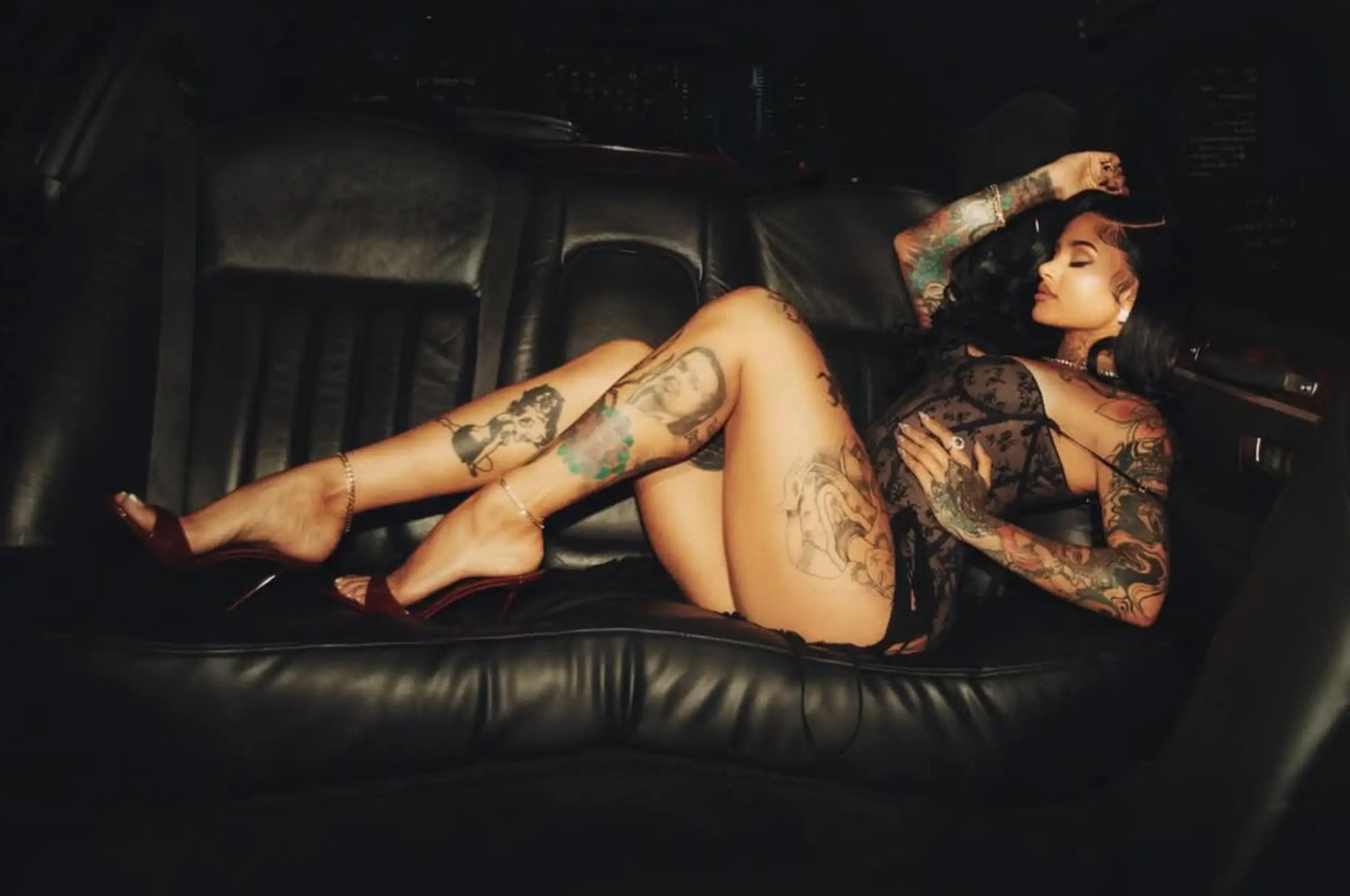
Oakland native Kehlani has spent nearly a decade dismantling expectations of what an R&B artist should sound like. From her 2014 mixtape beginnings to last year’s back-to-back releases CRASH and While We Wait 2, the singer-songwriter has treated the genre like a playground. Her latest single, “Folded,” continues this trajectory; a sultry, self-assured track that proves why she remains one of music’s most compelling voices, blending traditional R&B sensibilities with contemporary edge in ways that feel both fresh and fundamentally authentic to her roots.
The singer’s impact extends beyond just her music. As a queer woman of color in an industry that often tries to confine artists to narrow identities, Kehlani’s unapologetic attitude has made her particularly notable. She navigates the complexities of fame while maintaining a remarkable degree of personal and artistic autonomy, proving that success doesn’t require compromise. Her willingness to speak openly about mental health, relationships, and the creative process has helped destigmatize these conversations in the music world.
In doing so, Kehlani has built one of the most devoted fan bases in contemporary music. From the confessional intimacy of It Was Good Until It Wasn’t to the genre-defying explorations of CRASH, Kehlani has fostered a rare level of trust with her audience where they follow her wherever the music leads, confident that each new direction comes from a place of genuine creative exploration rather than commercial calculation.
“People tend to think about where the music is going to be played and how it’s going to hit people,” Kehlani tells Rolling Stone Philippines. “When you’re thinking of strings and real instruments, you imagine people listening while cleaning the house or driving home. You stop worrying about making a club record or song of the summer. That’s when the really musical stuff comes in.” This philosophy has guided her through multiple eras, from the youthful exuberance of her debut album SweetSexySavage to the emotional complexity of It Was Good Until It Wasn’t, allowing her to create music that resonates on a deeply personal level while still pushing creative boundaries.
Mixtapes and Albums
The 28-year-old artist recalls her mixtape days with particular fondness, believing it was crucial to developing her artistic identity. “It was less pressure — I didn’t even know what an album meant. As far as I’m concerned, [my mixtapes] performed like albums. They did the same things a lot of my albums have done. And a lot of people still mix it up and say that they were albums. But it just allows you to kind of express yourself without having to be so serious. Something about the word “album” feels so serious, and it feels so intense. A mixtape is just, like, ‘you know what? I made all these songs. I feel really good about them. I like them. Let’s go.’ So that was fun to do when I was 19.”
“Why should we be restricted from making things that we love just because we’re stuck in a kind of a world in a lane?”
This spontaneity remains central to her process, allowing her to drop projects months apart without overthinking commercial expectations. Her ability to maintain this creative freedom while operating at the highest levels of the music industry speaks to both her artistic integrity and business acumen. Her Oakland roots keep her grounded amid fast-moving trends. “Musicians are collages of everything we’ve ever ingested,” she notes, citing influences ranging from the smooth sophistication of Sade to the raw energy of contemporaries like Teyana Taylor. Yet, she resists easy categorization, challenging the industry’s need to pigeonhole artists.
“I think all the artists I know listen to so much music. We’re just an amalgamation of all these incredible things we listen to,” she says. “Why should we be restricted from making things we love just because we’re stuck in [one] lane?”
This boundary-pushing mentality has produced some of R&B’s most exciting recent work with songs that honor the genre’s traditions while refusing to be constrained by them, creating a sound that’s both timeless and thoroughly modern. For emerging artists navigating today’s complex musical landscape, Kehlani offers refreshingly simple advice that cuts through the noise: “I just think, you as artists, we should all work on our own time. You want to make a rock album, drop the rock album. You want to make an R&B album, drop an R&B album, make a ‘Rock&B’ album? Live your life, and people who are meant to find it will find it.”