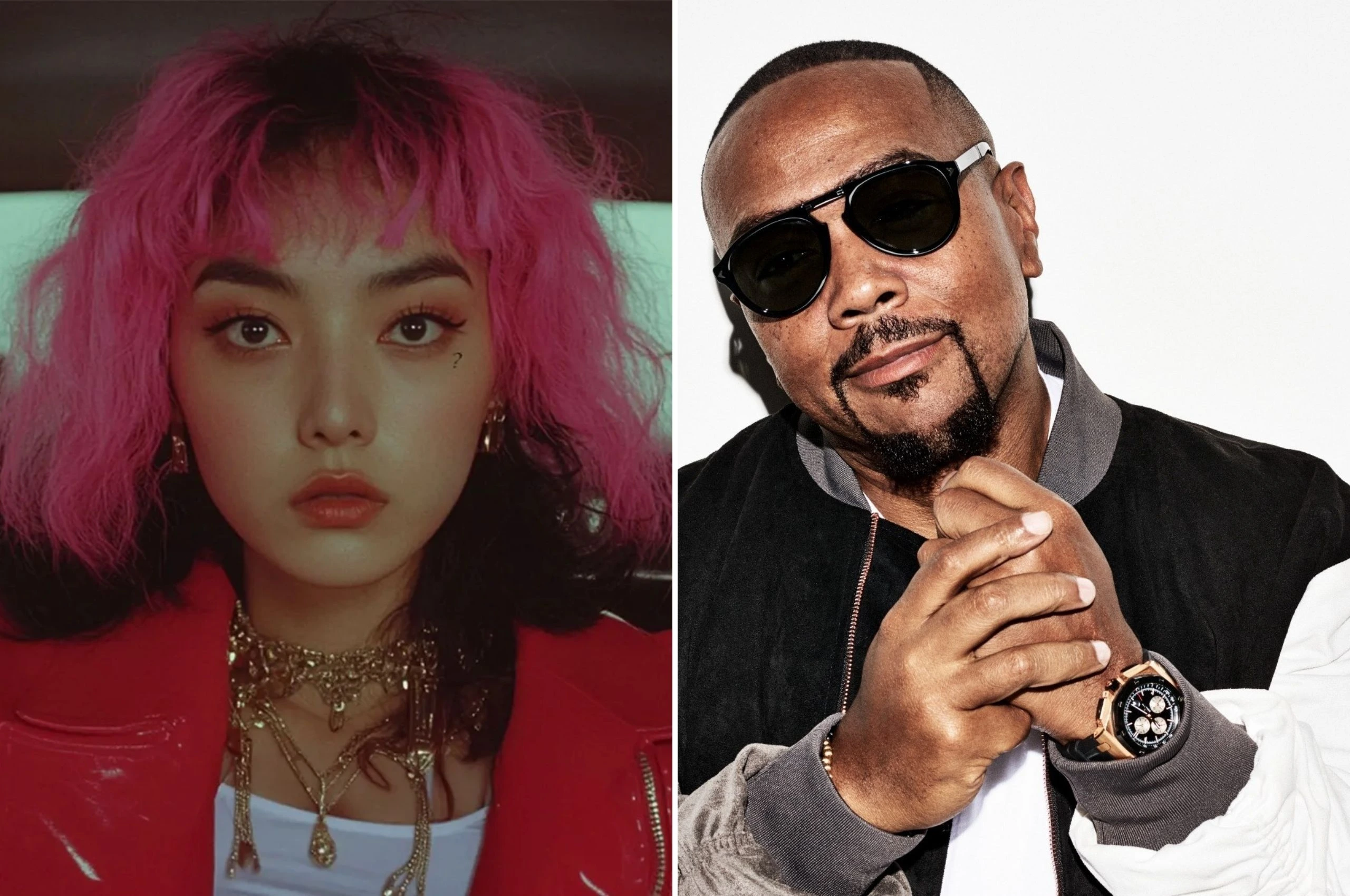
Last June 6, hip-hop producer Timbaland launched his own A.I. label called Stage Zero, an entertainment company built around artificial intelligence. The move follows his ongoing experimentation with A.I. softwares like Suno, marking the debut of the company’s first A.I. artist, a digital figure named TaTa.
According to Timbaland, TaTa is just the beginning of what he calls a new genre of music dubbed “A-pop.” The process behind the songs involves feeding demos into Suno, which then generates vocals and melodies without the use of live musicians or human singers. Timbaland emphasized this isn’t a pivot away from collaborating with real artists, but rather an extension of creative possibilities. “I know I’m trolling, but let’s have a real conversation,” he wrote on an Instagram post. “I love my independent artists. This doesn’t mean I’m not working with real artists anymore.”
In a follow-up post, he addressed common concerns about intellectual property, claiming that the music isn’t trained on existing tracks made by real musicians. “And nah, I don’t train A.I. off y’all music,” he added. “This just means more creativity for creators.”
The rollout also included a video of music executive Ray Daniels defending the decision. In the clip, Daniels tries to draw comparisons between A.I. and classic animated figures. “Why the fuck wouldn’t you?” he says. “Mickey Mouse is an A.I. character. Donald Duck is an A.I. character. Bugs Bunny is an A.I. character.”
A.I. as Uncharted Territory
In the Philippine music scene, musicians and legal experts remain uncertain about how artificial intelligence will impact the music industry. While it offers new tools for songwriting, beat-making, and demo production, the legal and creative implications remain uncharted territory. In the absence of any clear local legislation that addresses A.I.-driven music production, the possibilities feel wide open, but not without risk.
“Medyo gray area pa yan. The basic law on IP kasi says that copyright of the song belongs to the creator. In A.I., hindi pa nadedefine who is the creator,” says Carlo Ybañez, a lawyer and bassist of the band Hey Moonshine.
What happens when a musician uses A.I. to build a track from scratch? If the artist trains the model themselves, can they claim ownership, or does the software company hold the rights? These are the kinds of legal knots artists might face in the near future, especially when A.I. software is marketed as a collaborative tool but governed by strict terms and conditions.
“A.I. is a tool. Or, if we use it for making music, it can be considered an instrument. We now have people who know nothing about music who claim they “composed” a song because they used A.I.,” Ybañez explains. “However, I am aware that this thinking is a resistance to technology. Parang ‘yong mga tao who protested against electricity when it first came out because it was ‘dangerous. ‘”
Fruits of Labor
A.I. does not sleep, eat, or ask for royalties. It is fed information and powered by electricity. For working artists and cultural workers who rely on their creativity for a living, that reality cuts deeply. The appeal of fast, low-cost music production might be tempting for executives and content mills, but it leaves behind a troubling question: What happens to artists who spend years honing a craft when a bot can do the job in minutes?
The concept of rushing into this space without thinking about long-term consequences speaks volumes. Timbaland’s move seemingly shows little concern for the ethics of erasing human labor. It flattens the emotional stakes of music into mere data. Releasing an A.I. artist without tackling these issues shows a short-sightedness that prioritizes trend over substance.
“It’s a terrible thing since a lot of actual human effort will devolve into the dependency of computers,” says producer and singer Nick Lazaro. “But I feel it’s also a producer’s obligation to adapt to the swiftness and capabilities of A.I. There’s gonna be plenty of haters, but in the end I’m going to have to study this on my own so I can survive the next 10 years.”
Whether A.I. becomes a new lane for music production or a threat to creativity, the discussion has already begun, and artists in the Philippines are watching closely. It’s no longer a question of whether this technology will reach local shores. It’s already here. The only thing left is deciding how to face it without losing the soul of the work.