

If connections were all one needed for success, the ‘70s all-female rockRockA guitar-driven genre that grew from rhythm and blues in the 1950s and splintered into countless styles, from punk and metal to alternative. With a long history of rebellion andGo to Rock Glossary band Fanny really could have had it all. David Bowie sang their praises. They’ve kept close company with Bonnie Raitt and worked in the Beatles’ Apple Studio in London. Their producer was responsible for hits like Carly Simon’s “You’re So Vain” and Ringo Starr’s Ringo.
“Everybody in the biz knew us,” says lead guitarist June Millington about the band’s early days of being signed to a major label. “And yet the record company somehow didn’t quite believe in us as much.”
The Filipino-American musician tells me on our video call that she’s in the office of her longtime partner, Ann Hackler, executive director of the Massachusetts-based Institute for the Musical Arts (IMA). The two founded the institute in California in 1986 with Canadian record producer Roma Baran and American feminist activist Angela Davis, growing the institute over the decades into a teaching, performing, and recording facility for women and girls in music. In 2001, the IMA moved to a permanent location in Goshen, Massachusetts. Millington was headed to IMA’s summer camp for pre-teens.
Of teaching that age group, she says, “They’re still in the years of magical thinking, so I like it a lot. They’re not going to resist you so much and say they really want to do it a different way or whatever — which the teenagers get a lot more into because they’re asserting their independence and they’re hearing stuff that they really want to try to manifest and call their own. It’s really important to them.”

Millington then reflected on her own teenage years. At 15 years old, two years after her family had moved from the Philippines to the U.S., she discovered that she wanted to make and perform music when she and her sister Jean tagged along with her boyfriend, who played bass in a surf rock band. “We would go to those gigs, and we were kind of experiencing the music scene, looking at it from like, ‘Oh, wow. I wish we could do that kind of thing.’”
The Millington sisters eventually formed The Svelts before moving to a band called Wild Honey, joining guitarist Addie Lee Clement and drummer Alice de Buhr. Following a few years of playing gigs in Los Angeles and failing to secure record deals, the band decided they would split up after one last gigGigA live performance, especially in a smaller, independent venue like a bar, café, or music hall. Gigs are where local scenes grow, letting bands test new songs, build loyal followings,Go to Gig Glossary at the Troubadour in 1969.
“Everybody thought we couldn’t do it,” Millington says of the band’s early days, when they were teenage girls. “We’d go to a music store and they fully expected us to go to the acousticAcousticMusic performed or recorded with instruments that produce sound naturally, such as an acoustic guitar, piano, or violin, rather than relying on electronic amplification. Acoustic sets feel intimate and raw,Go to Acoustic Glossary guitar section. I wanted the electric guitars.”
But it was at that “final” gigGigA live performance, especially in a smaller, independent venue like a bar, café, or music hall. Gigs are where local scenes grow, letting bands test new songs, build loyal followings,Go to Gig Glossary that Warner Bros. producer Richard Perry’s secretary found the band. Perry, in particular, was looking for an all-female rock act to mentor. Without the label even hearing the Wild Honey play, he had the band sign with Reprise Records under Warner Bros. and put pianist Nickey Barclay on board before the band went through another name change, christening them Fanny.

Read the full story and more in the Arts and Culture issue of Rolling Stone Philippines. Order a copy on Sari-Sari Shopping, or read the e-magazine here.
Recommended Video

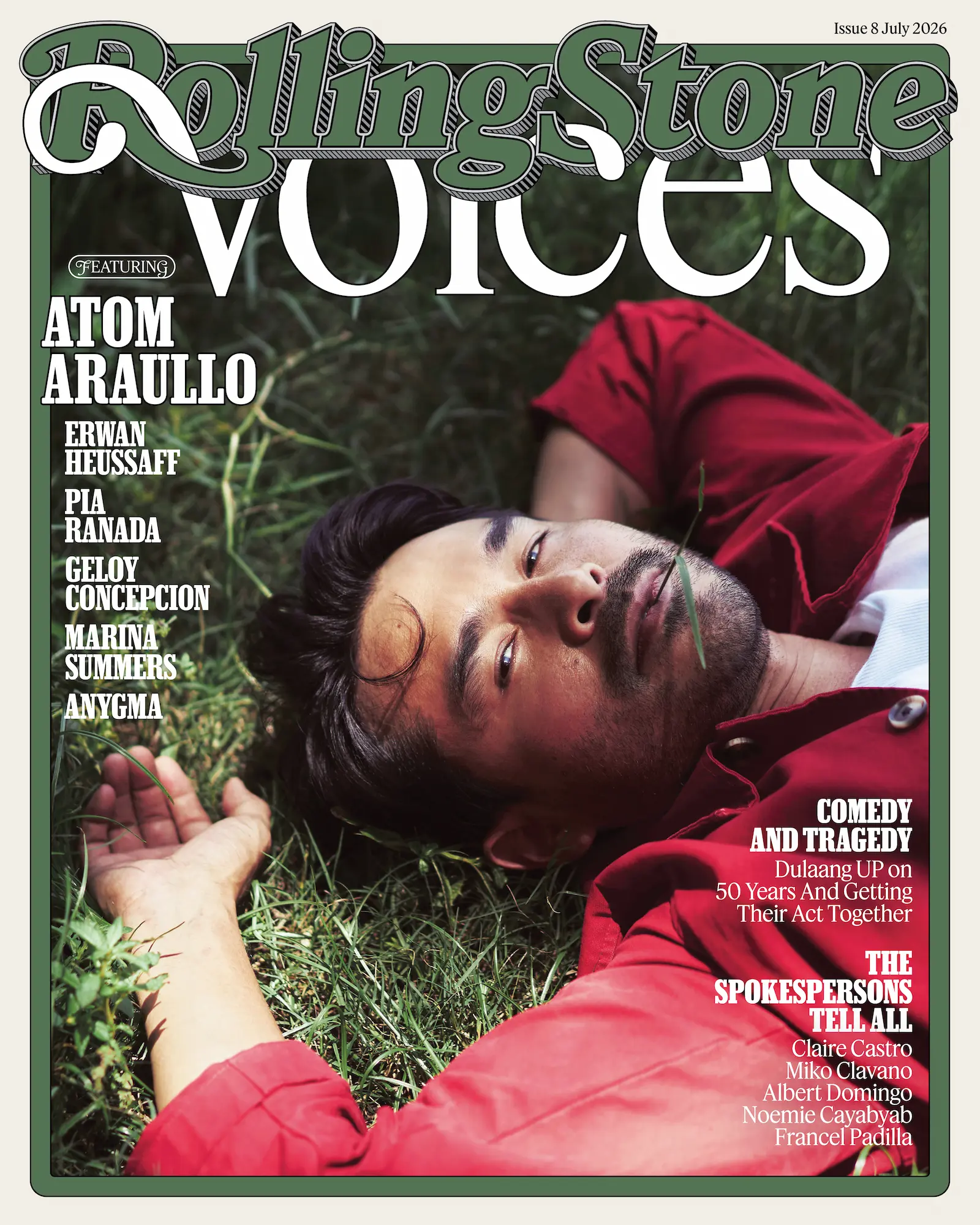
Rolling Stone Philippines Voices Issue, Now Available at SariSari Shopping