


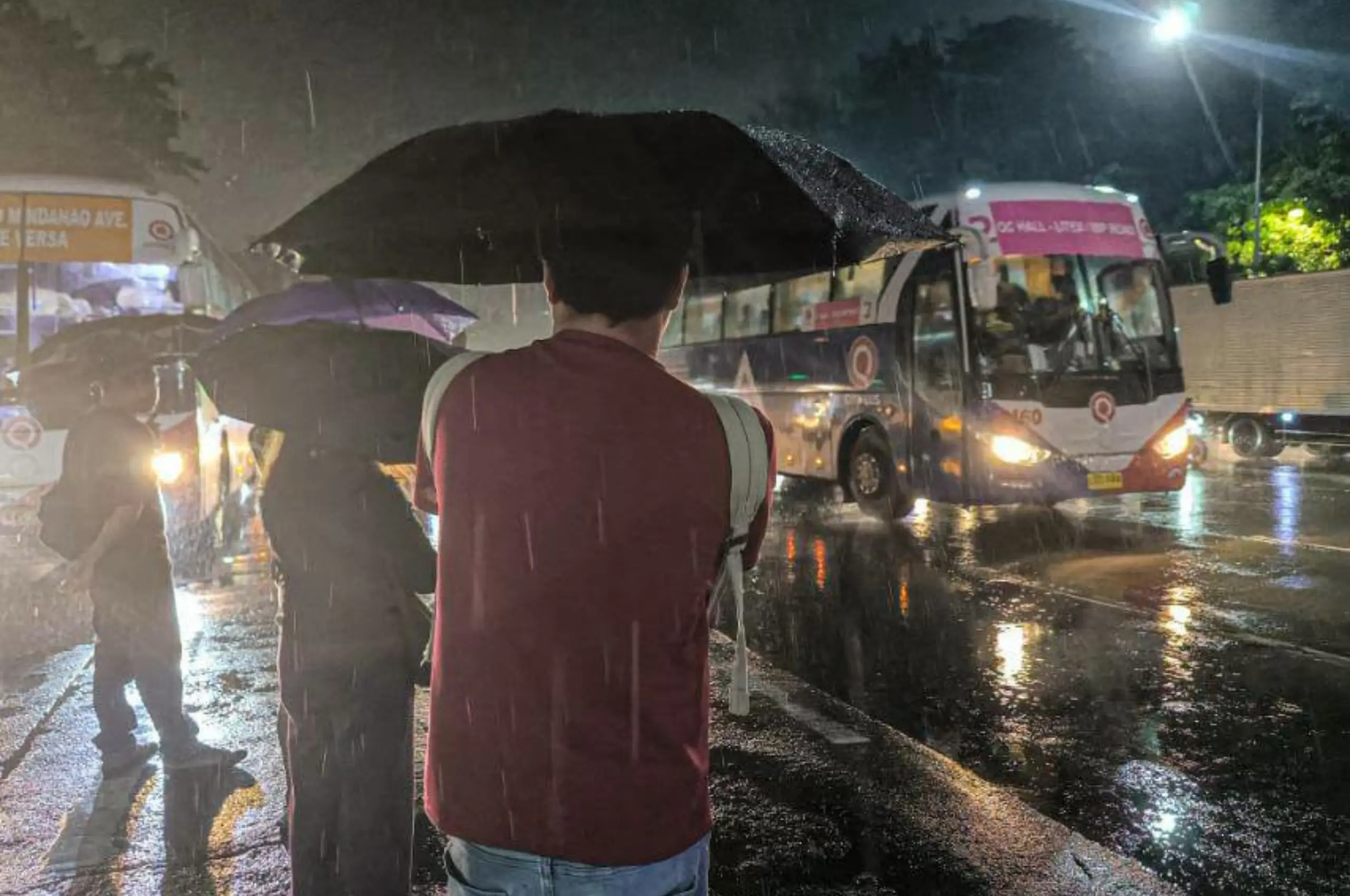
When a calamity strikes, most people’s immediate response is to ensure their safety. But disasters don’t necessarily stop work, and for some workers, their livelihood often takes dangerous precedence, and their daily pay becomes another issue they have to deal with.
House Bill 4435, or the Calamity Pay Law, aims to answer that uncertainty by providing financial protection to employees who still render work despite perilous conditions. It mandates that 30 percent additional compensation should be given to both public and private employees who are required to report.
Filed in September 2025, the bill was brought back into focus by TRABAHO Party-list Rep. Johanne Bautista after the consecutive heavy rains and flooding that left most communities stranded for weeks.
“This bill is an act of social justice and compassion, recognizing the extraordinary circumstances and sacrifices made by Filipino workers to deliver services not only for the benefit of their employers, but also for the benefit and recovery of their communities,” the bill’s explanatory note said.

How Can One Be Eligible for Calamity Pay?
According to the bill, an employee is entitled to the extra pay if they are still required to render service despite the following conditions:
- The worker’s area of residence or work is placed under a state of calamity by the President or local government unit.
- The worker’s area of residence or work is not placed under a state of calamity by the President or local government unit but is severely affected by a disaster
- The worker’s area of residence or work is placed under Signal No. 3, red rainfall warning, or an equivalent calamity classification
- A work suspension is declared in the worker’s area of residence or place of work
This covers essential sectors like healthcare, transport, media, food supply, relief work, and utilities.
Other Benefits of the Calamity Pay
Section 8 of the bill further states that there shall be no decrease in pay for employees who were not able to report to work due to a calamity or by reason of imminent danger. It also provides security from any disciplinary action.
The employers are also instructed to verify the employee’s eligibility. They must also strictly abide by the act, as any violation or “deliberate failure or refusal” to provide Calamity Pay to its qualified employees shall make the employers liable for a fine not exceeding P100,000.00, or imprisonment of not less than six months nor more than one year.
Other attempts for a calamity pay bill, like that of Sen. Loren Legarda’s Senate Bill No. 520 or the proposed Calamity Work Compensation Act, which was filed in November 2025, only cover private-sector employees. So for both public and private workers who have to choose between safety and a day’s wages, the newly proposed bill is an attempt to make that choice a little less punishing.
frequently asked questions
The bill aims to provide financial protection to employees who still render work despite perilous conditions. It mandates that they be given an additional 30 percent pay, and it applies to both public and private employees.
TRABAHO Party-list Rep. Johanne Bautista filed the Calamity Pay Law in September 2025.
The bill makes employers liable for a fine not exceeding P100,000.00, or imprisonment of not less than six months nor more than one year.
An employee is entitled to 30% extra pay if they still rendered service despite:
a) The area of residence or workplace being placed under a state of calamity by the President or local government unit b) can also be not under a state of calamity but is severely affected by a disaster c) the worker’s area of residence or work is placed under Signal No. 3, red rainfall warning, or an equivalent calamity classification d) if a work suspension is declared in the worker’s area of residence or place of work
Sen. Loren Legarda filed Senate Bill No. 520, or the proposed Calamity Work Compensation Act, in November 2025 for private-sector employees.
Recommended Video