

On September 10, the Philippines opened the two-day 2026 Luzon Economic Corridor (LEC) Investment Forum, a trilateral initiative hosted together with the United States and Japan. It featured a coalition of partner countries (Australia, Canada, Denmark, France, Italy, South Korea, Sweden, and the United Kingdom) and was said to bring additional resources and private-sector capabilities. But on the other side of the door are Filipinos questioning if the corridor could actually aid the country or only give foreign countries the upper hand.
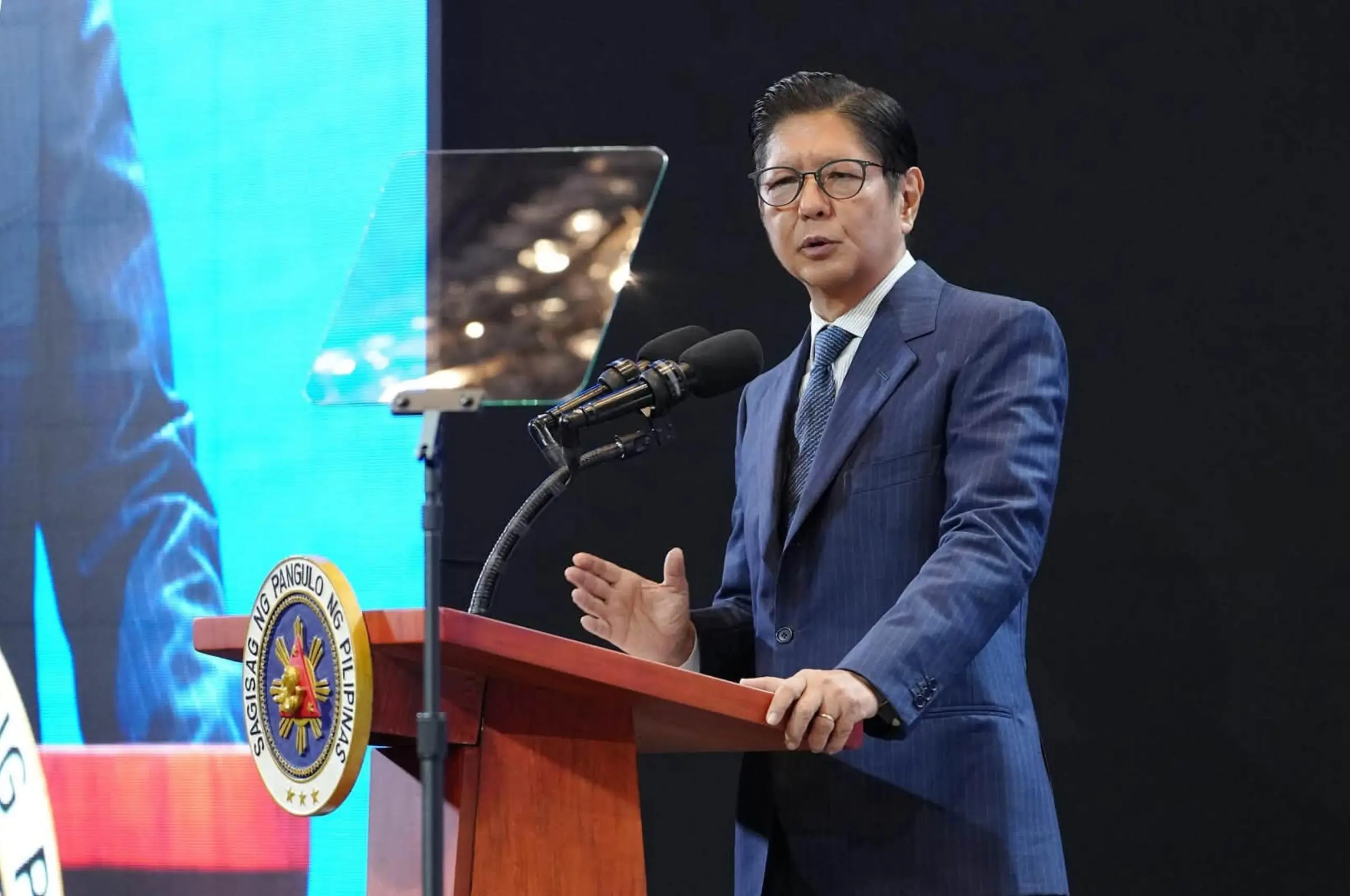
During the forum, President Ferdinand “Bongbong” Marcos Jr. urged foreign investors to build and invest in the country through the LEC. He cited the different strengths of Subic, Clark, Manila, and Batangas, which the corridor connects, as well as the benefits investors would get.
According to Marcos, Subic Bay shall serve as a “strategic maritime and industrial gateway,” Clark as a “center for aviation, logistics, technology, and urban development,” Metro Manila as the country’s “commercial and financial center,” and Batangas for “manufacturing, energy, and international trade.”
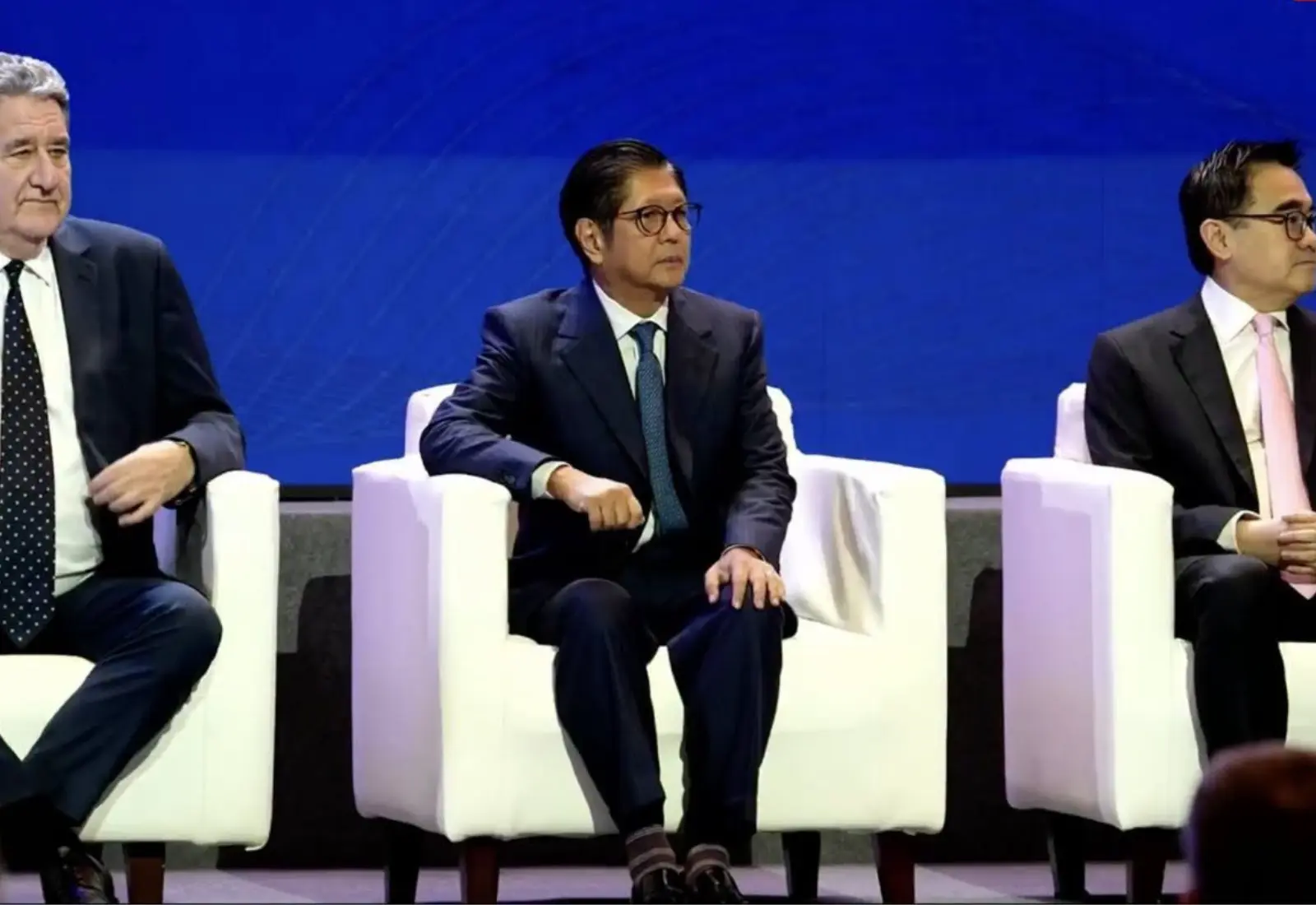
“Build your next enterprise in the Philippines. Bring your capital, technology, and your expertise. Develop Filipino talent and local suppliers. Form lasting partnerships with our businesses and communities. You can place your trust in the Philippines,” the chief executive said. He added that the corridor would open more job opportunities, build economic growth, and support advanced manufacturing and trade industries.
The initiative also includes the controversial Pax Silica project, the U.S.-led artificial intelligence (AI) hub planned to be set in Tarlac. As part of the corridor’s push for a modern economy, Marcos highlighted the country’s efforts to expand secure connectivity, advanced computing technology, cybersecurity, and safeguards for the responsible use of AI.
‘Rolling Out Red Carpet’
Outside the forum, the LEC plans were met with a different view. Various sectors rallied to strongly condemn the corridor, raising their concerns over its implications for national sovereignty, foreign interests, and who ultimately stands to benefit from the investments it is designed to attract.
In a statement, the Philippines-Palestine Friendship Association (PPFA) called out Marcos for “rolling out a red carpet” for investors and funders, warning that ordinary Filipinos will bear the brunt of the social and environmental costs that the LEC will impose.
“The government presents the corridor as an ‘economic development program,’ but its projects will involve land conversion, increased resource extraction, and the expansion of infrastructure for foreign and private investment. It also serves broader U.S. economic and strategic interests in the Philippines,” PPFA said. They also urged Filipinos to reject Pax Silica and resist the sellout of the country to “imperialist plunderers and war criminals.”
Among those protesting was Kilusang Magbubukid ng Pilipinas (KMP), which argued the same sentiments and pushed for genuine agrarian reform and national industrialization. “Filipino land, resources and infrastructure are being prepared to serve foreign corporations, global supply chains and the strategic military interests of the United States,” KMP Chairperson Danilo “Ka Daning” Ramos said.
Bagong Alyansang Makabayan (BAYAN) and the International League of Peoples’ Struggles (ILPS) also denounced the corridor, noting that a centerpiece of the LEC is the Pax Silica’s Economic Security Zone (ESZ), which they said will “displace Indigenous and farming communities and plunder our critical minerals nationwide.”
“Because the LEC is apparently designed to also support American military presence and projection, it will further expose the Filipino people to U.S. wars and conflicts,” the groups added.
According to human rights group Karapatan, there were at least 27 protesters who were injured when the police dispersed the crowd with nightsticks, while five paralegals were arrested for complaints of “serious disobedience, alarms and scandals, tumults, and direct assault.”
FREQUENTLY ASKED QUESTIONS
The Luzon Economic Corridor is a trilateral Philippines-U.S.-Japan initiative linking Subic, Clark, Metro Manila, and Batangas for foreign investment in industry, logistics, finance, and manufacturing.
Australia, Canada, Denmark, France, Italy, South Korea, Sweden, and the U.K. joined as coalition partners, adding resources and private-sector capabilities alongside the Philippines, U.S., and Japan.
Pax Silica is a U.S.-led AI hub planned for Tarlac under the LEC. Progressive groups and other sectors warn that it could displace communities, harm natural resources, and serve U.S. strategic interests.
Groups like PPFA, KMP, BAYAN, and ILPS argue the LEC favors foreign corporations and U.S. strategic interests over Filipinos, citing land conversion and displacement risks.
Karapatan reported at least 27 protesters injured in clashes with police during LEC forum demonstrations. Five paralegals were also arrested on various criminal complaints.
Recommended Video