



While the Philippines has not yet reported any cases of the Nipah virus following an outbreak in India this month, the Department of Health said on Tuesday, January 27, that it is ready to test and monitor potential cases in the country.
ABS-CBN News reports that in West Bengal, India, five health workers have been confirmed to be infected with the virus, while around 100 people have been placed under quarantine. According to the BBC, Thailand has started screening passengers at airports receiving flights from West Bengal. Nepal, a neighboring country to India, has also begun screening arrivals at land borders. In Taiwan, the government is considering declaring the Nipah virus a Category 5 disease, classifying it as an emerging or rare infection with major public health risks, and requiring immediate reporting and special control measures.
In the Philippines, no special measures have been implemented at airports so far to prevent the virus locally. The last known Nipah infections in the country were recorded during a 2014 outbreak in Sultan Kudarat, after 17 individuals reportedly ate horse meat and made contact with another infected individual.
In the meantime, Health Assistant Secretary Albert Domingo said Filipinos can take precautions by avoiding bats or other sick animals, cooking food, and eating meat approved by the National Meat Inspection Service.
Symptoms and Prevention
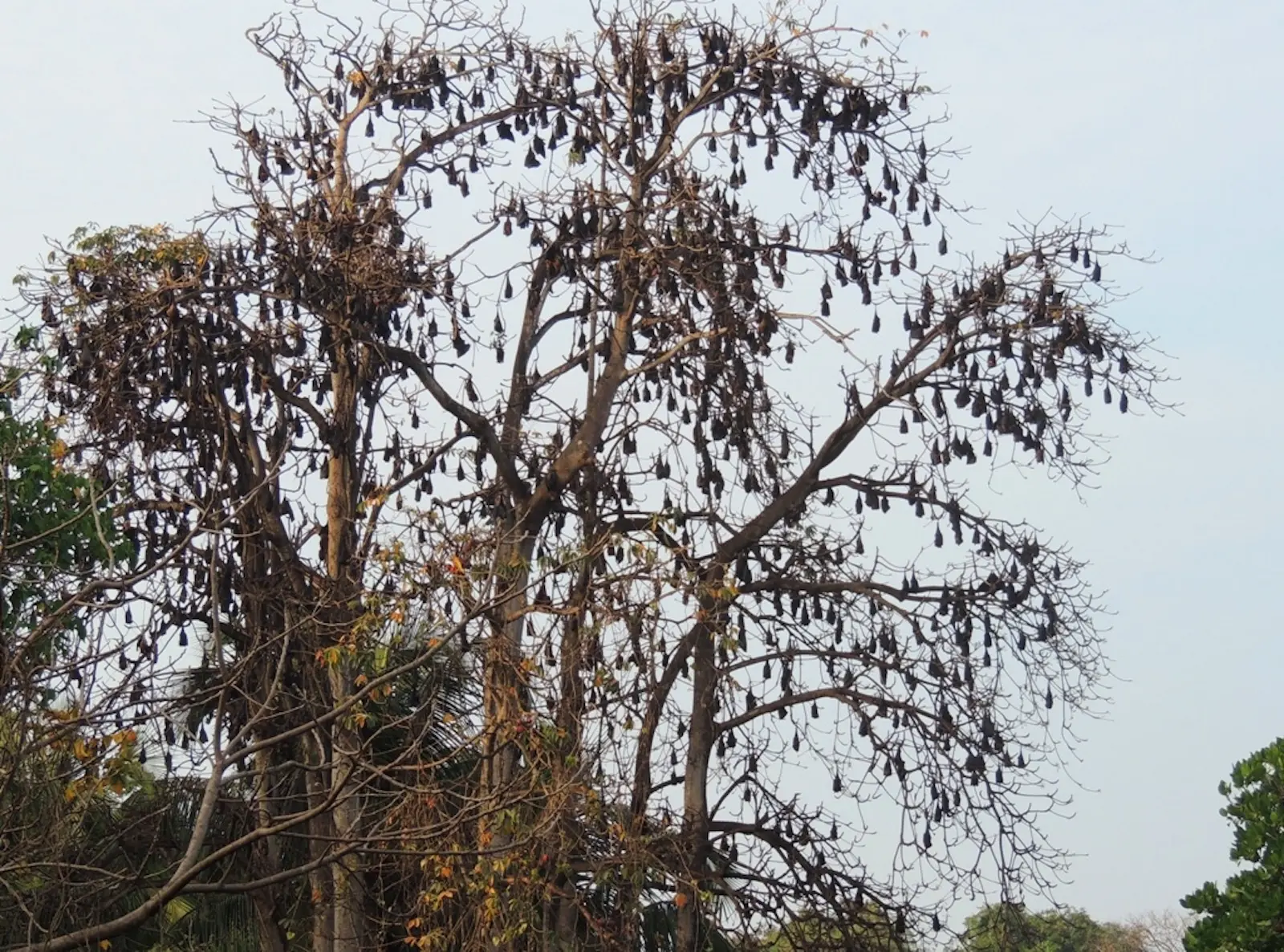
According to the World Health Organization (WHO), the Nipah virus is transmitted from animals to humans and is found in bat species across parts of Asia, including India, Cambodia, Indonesia, Thailand, and the Philippines. The virus could be transmitted through direct contact with contaminated animals, consuming fruits or fruit products contaminated by bats, and “close contact with people’s secretions and excretions.”
Initial symptoms of the Nipah virus include fever, headaches, muscle pain, vomiting, and sore throat, followed by dizziness and drowsiness. Respiratory problems may also develop, but other infected individuals may also present asymptomatic. In severe and fatal cases, an infected person could develop acute encephalitis, marked by sudden confusion, disorientation, changes in personality, behavioral changes, and altered consciousness.
WHO has identified Nipah as a priority for the organization’s Research and Development Blueprint, as there are currently no drugs or vaccines against the virus.
Frequently Asked Questions
No. As of the article’s publication, the Philippines has not reported any Nipah virus cases following the outbreak in West Bengal, India, though the Department of Health says it is ready to test and monitor for potential cases.
Five health workers in West Bengal, India, have been confirmed infected, with around 100 people placed under quarantine, according to ABS-CBN News, prompting airport and border screening measures in neighboring countries like Thailand and Nepal.
Health Assistant Secretary Albert Domingo advised avoiding contact with bats or sick animals, thoroughly cooking food, and only eating meat approved by the National Meat Inspection Service as basic precautionary measures.
Yes. The last known outbreak occurred in 2014 in Sultan Kudarat, after 17 individuals reportedly ate horse meat and had contact with another infected individual, according to the article.
No. According to the World Health Organization, there are currently no approved drugs or vaccines for Nipah virus, and the WHO has designated it a priority for its Research and Development Blueprint.
Recommended Video