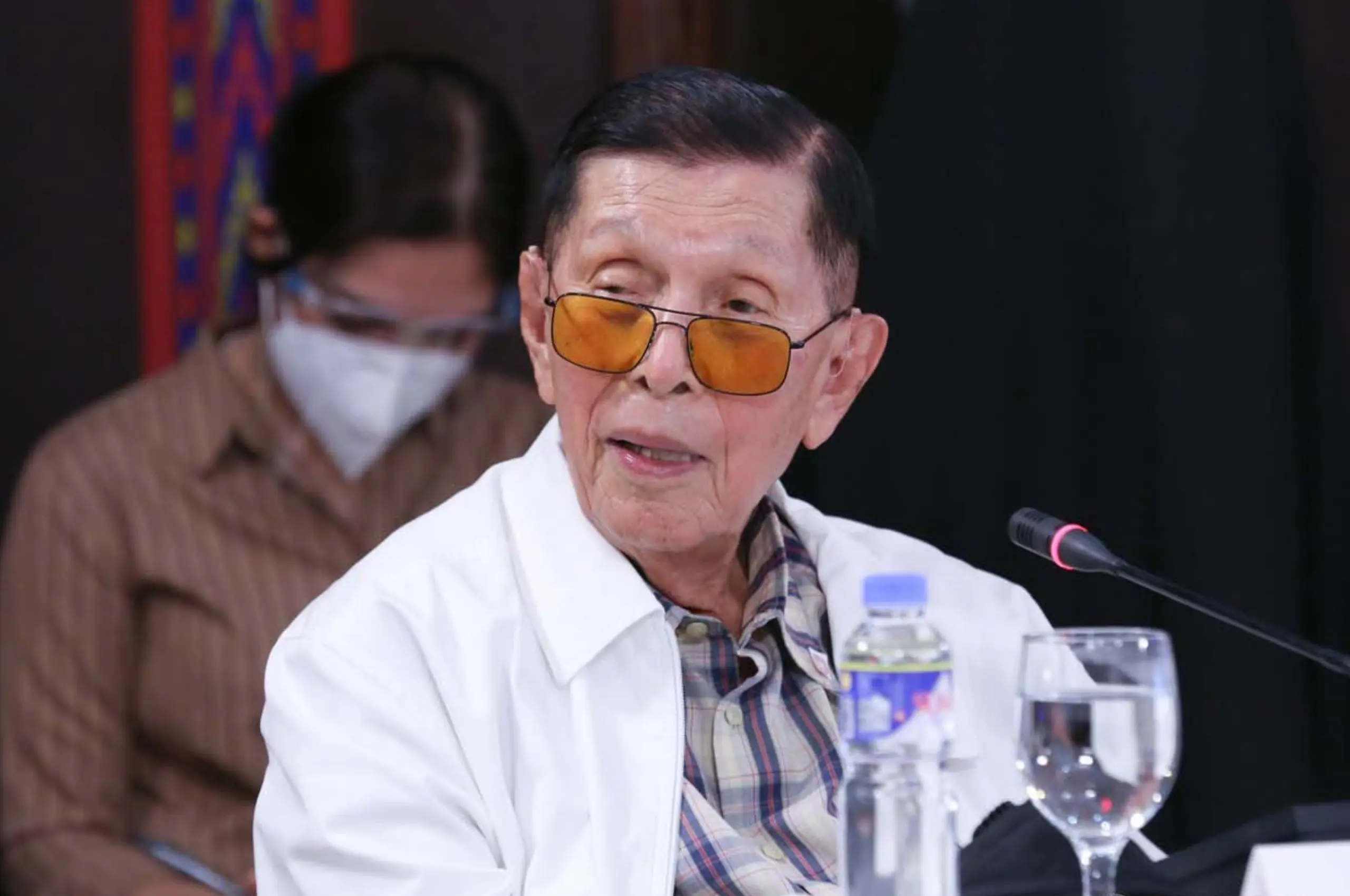
Reactions to the death of Juan Ponce Enrile are split sharply along political lines. Allies and officials mourn and hailed him as a stabilizing force in government, while civic groups and martial law survivors reiterated his role in one of the darkest periods in Philippine history.
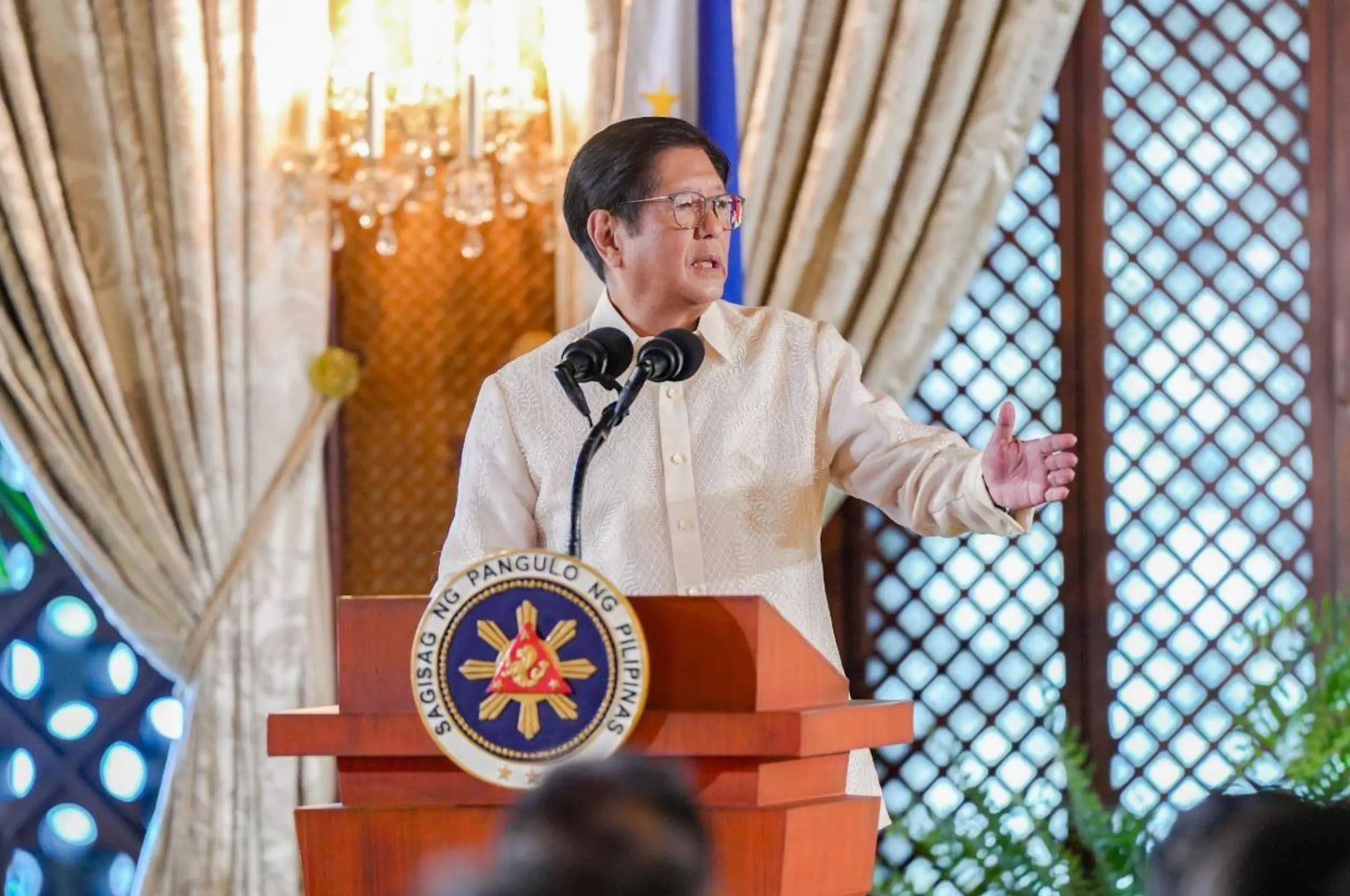
President Ferdinand “Bongbong” Marcos Jr., who appointed Enrile as his chief legal counsel, described him on Facebook as “one of the most enduring and respected public servants our country has ever known.” He credited Enrile for helping steer the Philippines “through some of its most challenging and defining moments,” adding that his passing “marks the close of a chapter in our nation’s history.”
Senator Jinggoy Estrada, who once faced graft charges alongside Enrile in relation to the pork barrel scam, called him a “towering figure” and a mentor whose guidance “shaped much of my first two terms in the Senate.” He said he considered Enrile a father figure, adding that he felt blessed to have worked with him both inside and outside the Senate.
Meanwhile, Senate President Vicente “Tito” Sotto III highlighted Enrile’s influence within the institution he helped lead, saying he would be remembered for his “formidable intellect” and for showing compassion to Senate employees. Sotto said Enrile’s decades in public service left an imprint “etched within the walls of the Senate.”
Education Secretary Sonny Angara also remembered Enrile as a “brilliant lawyer and lawmaker” with deep expertise in finance, taxation, national defense, and constitutional law. He noted the long-standing friendship between Enrile and his late father, former Senate President Edgardo Angara, who once shared with Enrile a vision of building a Pacific Coastal Highway to connect provinces along Luzon’s eastern seaboard.
No Mourning
Civic groups, on the other hand, used the moment to underscore what they describe as Enrile’s legacy of repression and impunity.
Project Gunita, an academic research organization, said martial law “would not have been possible without Juan Ponce Enrile,” citing his role in counterinsurgency campaigns that devastated communities in Mindanao and Samar. The group said it would mourn “Enrile’s victims, from the killing fields of Samar to the blood-soaked provinces of Bangsamoro.”
The Samahan ng Ex-Detainees Laban sa Detensyon at Aresto (SELDA), a group of former political prisoners, said it had “no tears to shed” for Enrile, calling him “one of the chief architects and defenders of tyranny, repression, and corruption.” The group cited his responsibility for arrests, torture, and disappearances under martial law. SELDA said Enrile never apologized for abuses and continued to defend the Marcoses later in life, including through his appointment under Marcos Jr.
The group also pointed to Enrile’s implication in the pork barrel scam as part of a broader pattern of impunity that, they said, defined his long career. “Never again to dictatorship. Never again to martial law,” SELDA wrote.