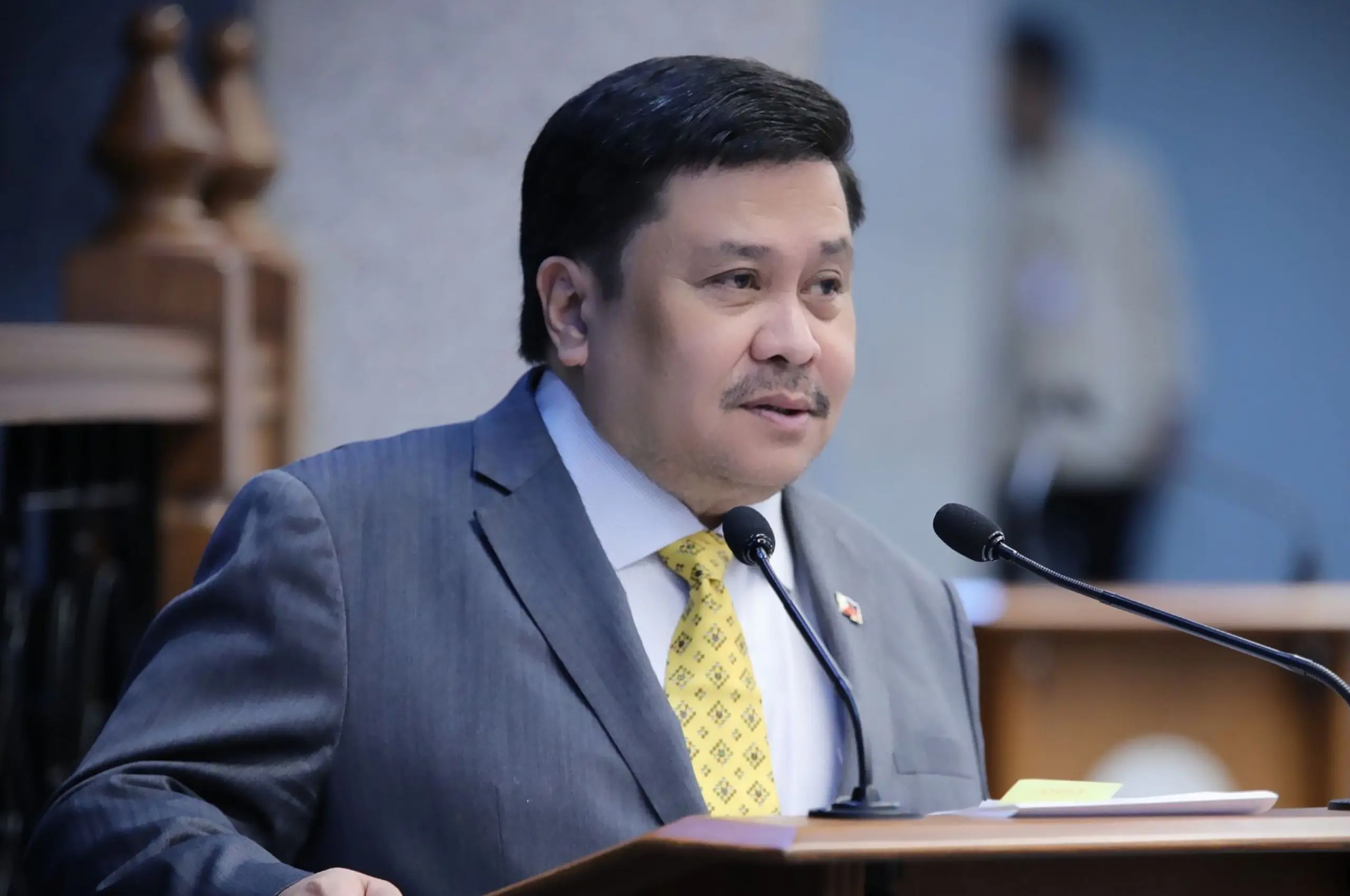
The Sandiganbayan has ordered an arrest warrant against Senator Jinggoy Estrada, who faces graft and plunder cases related to the flood control corruption scandal. Former Department of Public Works and Highways (DPWH) Secretary Manuel Bonoan was also issued an arrest warrant.
Estrada posted a P90,000 bail on the graft case on the same afternoon the arrest warrant was issued, Friday, May 29. He may still be arrested for plunder, which is a non-bailable offense.
“Our evaluation shows that substantial public funds were deliberately funneled into designated infrastructure projects in exchange for predetermined commission fees or kickbacks,” said Assistant Ombudsman Mico Clavano. He added that case documents indicate that Estrada received over P573 million from illicit payouts.
This is not the first time Estrada has faced an arrest for a corruption case. In April 2001, Estrada, then the incumbent mayor of San Juan, was arrested with his father, ex-President Joseph “Erap” Estrada, for plunder. In June 2014, the senator was once again arrested on the charge of plunder, this time in relation to the pork barrel scam.
This story was updated on May 29, 2026, 6:17 p.m. to include the detail regarding Sen. Jinggoy Estrada posting bail.
Frequently Asked Questions
The Sandiganbayan issued an arrest warrant for Senator Jinggoy Estrada over graft and plunder charges tied to the flood control corruption scandal involving P573 million in kickbacks.
Case documents from the Ombudsman indicate Estrada received over P573 million from illicit payouts connected to infrastructure projects funded by deliberate misuse of public funds.
Former DPWH Secretary Manuel Bonoan was also issued an arrest warrant for plunder, a non-bailable offense, in connection with the same flood control corruption scandal.
Yes, twice. In 2001 he was arrested for plunder alongside his father, ex-President Erap Estrada. In 2014 he was arrested again for plunder in relation to the pork barrel scam.
Assistant Ombudsman Mico Clavano stated that public funds were deliberately funneled into infrastructure projects in exchange for predetermined commission fees and kickbacks from involved parties.
Recommended Video