Advertisement
HomeState of Affairs
Sky-High Prices

Philippines Tops List of Countries With Most Unaffordable Housing

In 2025, more than half of Filipinos reported housing-related financial issues, as high costs and limited affordable options squeeze households

By
FacebookTwitterEmailCopy Link
philippines unaffordable housing disparity
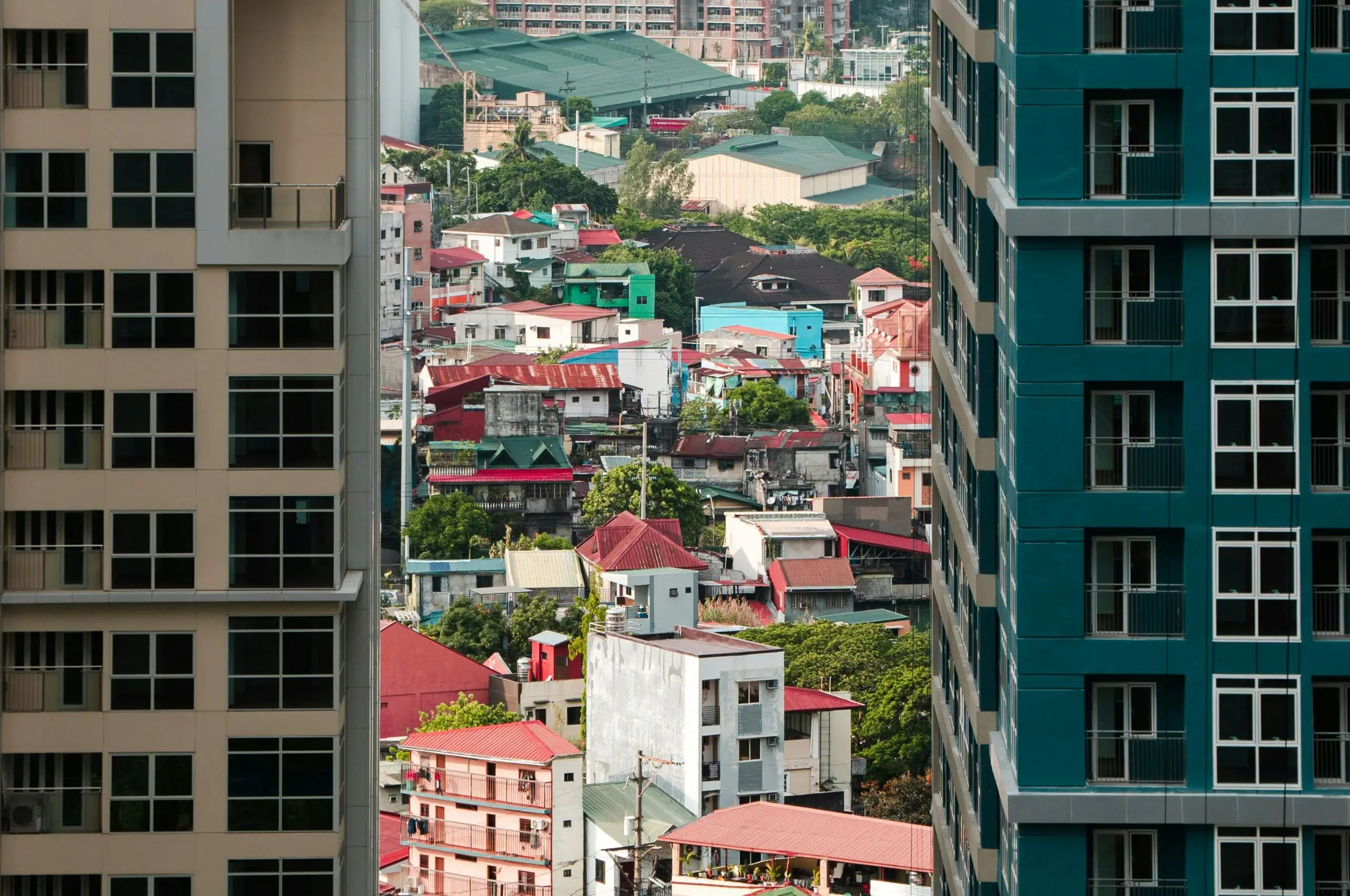
In The Economist’s report, Quezon City Mayor Joy Belmonte says property developers aren’t keen to develop affordable housing because they’re not as profitable as higher-end units. Photo by Taylor Keeran/Unsplash

The most expensive housing isn’t in developed countries, but in developing countries, The Economist reports. And according to a 2025 survey by analytics company Gallup, the Philippines ranks the worst in terms of housing affordability in emerging markets.

A graphic based on Gallup’s data shows that around 54 percent of respondents from the Philippines experienced housing-related financial problems. The Philippines is followed by 10 other Asian countries: Sri Lanka, Myanmar, Thailand, Bangladesh, India, South Korea, Nepal, Indonesia, China, and Singapore. 

In Manila, quality apartment units cost 20 times as much as the median household income, according to  Hong Kong-based real estate research firm Urban Land Institute. The report by The Economist also cites Quezon City Mayor Joy Belmonte as saying that developers are reluctant to build affordable housing in the country because they profit more from higher-end projects.

On a national scale, even public housing programs don’t do well for lower-income households. A June 2025 report by the Philippine Resource Center for Inclusive Development shows that the country’s socialized housing program is unaffordable for the poor and overly dependent on the private sector.

{“@context”:”https://schema.org”,”@type”:”FAQPage”,”mainEntity”:[{“@type”:”Question”,”name”:”Why is housing so expensive in the Philippines?”,”acceptedAnswer”:{“@type”:”Answer”,”text”:”Housing in the Philippines is unaffordable due to rapid urbanization, high land values, and developer preference for lucrative high-end projects over low-income homes. Additionally, government socialized housing programs remain heavily reliant on private developers, limiting access for low-income families.”}},{“@type”:”Question”,”name”:”What percentage of Filipinos face housing-related financial issues?”,”acceptedAnswer”:{“@type”:”Answer”,”text”:”According to data from analytics firm Gallup, approximately 54 percent of surveyed respondents in the Philippines reported experiencing housing-related financial difficulty. This statistic ranks the country worst among emerging markets in housing affordability.”}},{“@type”:”Question”,”name”:”How expensive is apartment housing in Metro Manila relative to income?”,”acceptedAnswer”:{“@type”:”Answer”,”text”:”According to research by the Urban Land Institute, quality apartment units in Metro Manila cost roughly 20 times the median annual household income. This severe price-to-income imbalance places quality urban housing out of reach for average working families.”}},{“@type”:”Question”,”name”:”What other Asian countries face high housing affordability issues?”,”acceptedAnswer”:{“@type”:”Answer”,”text”:”Following the Philippines, 10 other Asian nations struggle with housing affordability in emerging and regional markets: Sri Lanka, Myanmar, Thailand, Bangladesh, India, South Korea, Nepal, Indonesia, China, and Singapore.”}},{“@type”:”Question”,”name”:”Why are private developers reluctant to build affordable housing in the Philippines?”,”acceptedAnswer”:{“@type”:”Answer”,”text”:”Developers profit significantly more from high-end residential, commercial, and luxury condominium projects. As noted by local municipal officials, low profit margins on socialized housing discourage private firms from constructing units tailored to low-income buyers.”}}]}

Frequently Asked Questions

Housing in the Philippines is unaffordable due to rapid urbanization, high land values, and developer preference for lucrative high-end projects over low-income homes. Additionally, government socialized housing programs remain heavily reliant on private developers, limiting access for low-income families.

According to data from analytics firm Gallup, approximately 54 percent of surveyed respondents in the Philippines reported experiencing housing-related financial difficulty. This statistic ranks the country worst among emerging markets in housing affordability.

According to research by the Urban Land Institute, quality apartment units in Metro Manila cost roughly 20 times the median annual household income. This severe price-to-income imbalance places quality urban housing out of reach for average working families.

Following the Philippines, 10 other Asian nations struggle with housing affordability in emerging and regional markets: Sri Lanka, Myanmar, Thailand, Bangladesh, India, South Korea, Nepal, Indonesia, China, and Singapore.

Developers profit significantly more from high-end residential, commercial, and luxury condominium projects. As noted by local municipal officials, low profit margins on socialized housing discourage private firms from constructing units tailored to low-income buyers.

Recommended Video
Tap to Unmute
Unmute
0:00
0:00 / 0:00
0:00
Pie Gonzaga

Pie Gonzaga

State of Affairs Writer

Pie Gonzaga is the State of Affairs Writer of Rolling Stone Philippines, covering politics and social issues. Her work with Rolling Stone Philippines includes interviews with figures inside and outside of governance, from congressmen to activists. Aside from politics, she has also written various culture and music stories, such as album reviews, TV show recaps, and explainers for internet/pop culture phenomena.

To provide a customized ad experience, we need to know if you are of legal age in your region.

By making a selection, you agree to our Terms & Conditions.