

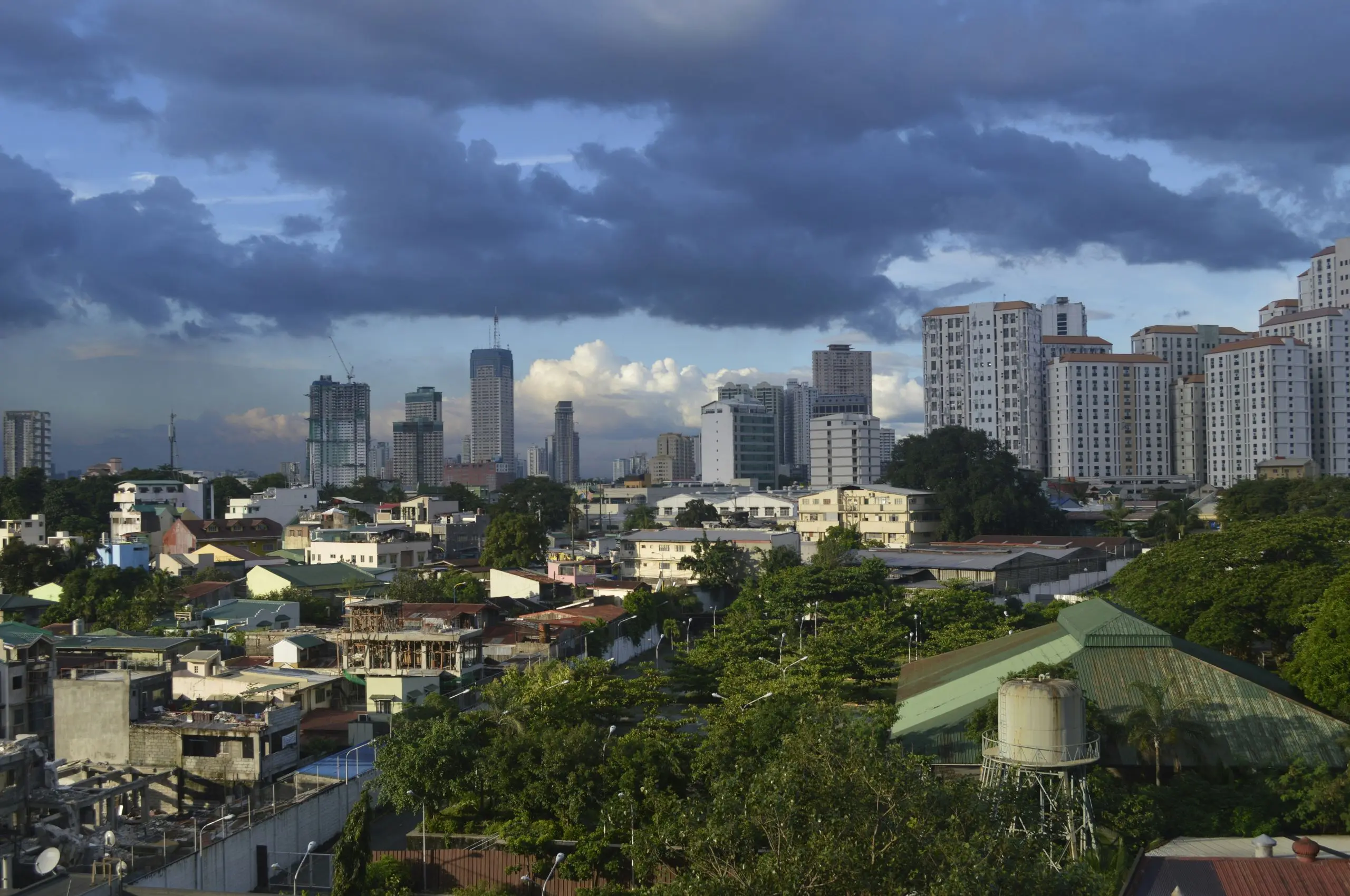
Do Metro Manila residents really have to brave hours of traffic just to get to work or buy groceries? A recent study says the megacity can become a network of 15-minute cities, where daily needs like work, school, shopping, and healthcare are all within a 15-minute walk or bike ride from home.
Published in the LSE International Development Review, the study by public transportation advocate Anna Mae Yu Lamentillo explores how the 15-minute city model could work in a congested and fragmented megacity like Metro Manila. Lamentillo previously worked as the undersecretary for public affairs at the Department of Information and Communications Technology, and now works in urban development and artificial intelligence (AI).
The 15-minute city, introduced by Colombian urbanist Carlos Moreno, promotes self-contained neighborhoods that reduce car dependence by localizing essential services. In theory, it means less time stuck in traffic and more time living. In Metro Manila, where over half of the study’s surveyed residents report spending more than an hour to access basic services, the appeal is clear. Lamentillo’s study found that 81 percent of respondents supported the idea of a 15-minute city, and 87 percent believed it would improve their quality of life.
But bringing the model to life in a city shaped by sprawl, car culture, and chronic underinvestment will take time and deliberate planning. Lamentillo proposes a phased transformation that could take more than eight years. The strategy is built around Metro Manila’s three dominant urban typologies — inner cities, outer suburbs, and informal areas — each with its own set of challenges and opportunities.
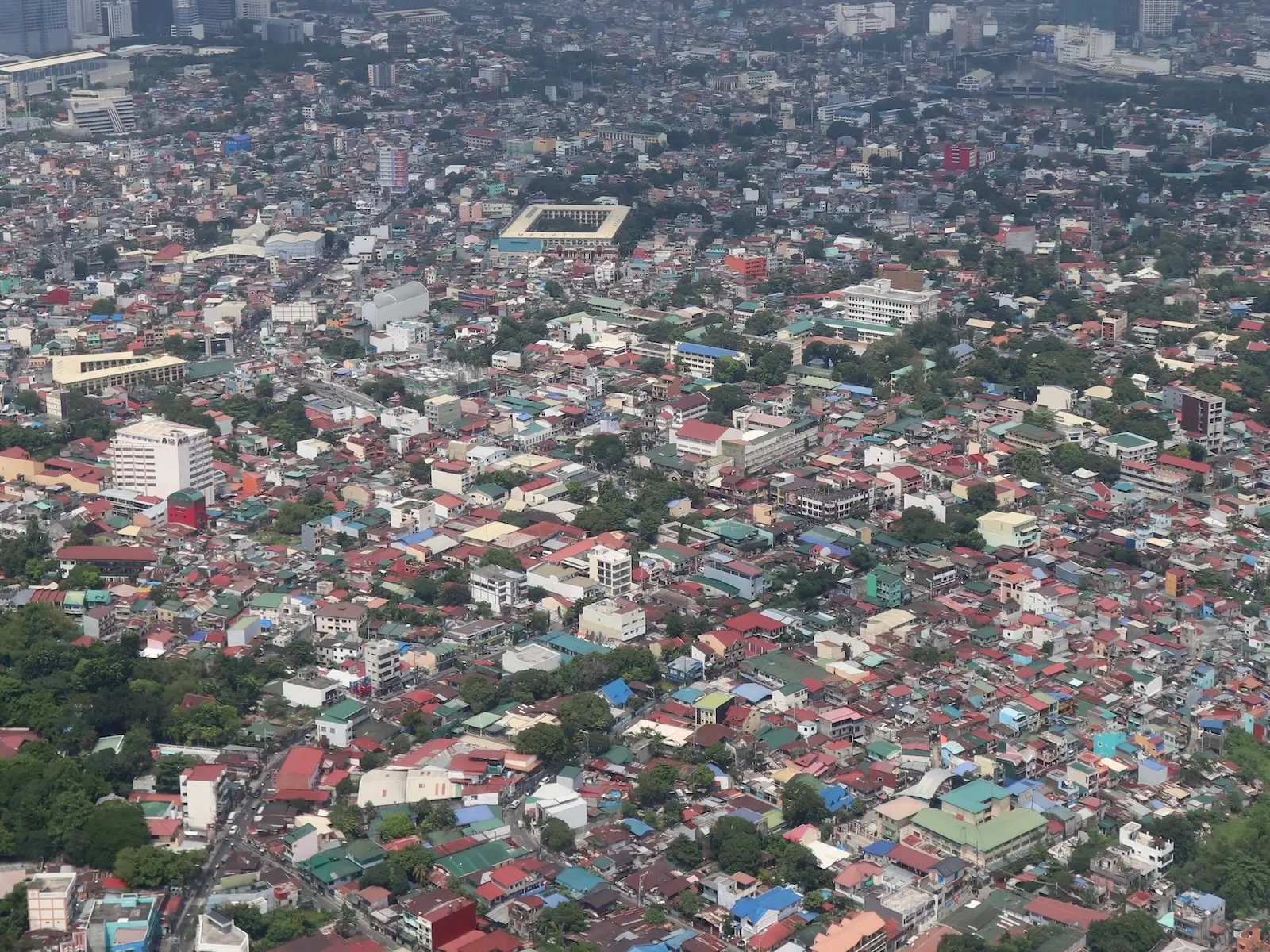
In informal communities, the immediate focus is on securing land tenure, improving basic infrastructure, and involving residents in land use decisions. Suburbs would need flexible policies that allow for small commercial hubs inside residential areas and better public transport options like park-and-ride systems. Inner-city areas, where density is already high, would benefit from zoning reforms, expanded bike lanes, and traffic calming efforts.
The plan moves in stages, from short-term pilot projects and zoning tweaks to medium-term public transit expansion and, eventually, long-term goals such as climate-resilient infrastructure, net-zero buildings, and smart mobility systems.
While the obstacles are real, with high costs for projects, fragmented governance, and a deeply embedded preference for private vehicles, the study makes one thing clear: the 15-minute city is viable, and it is something many Filipinos already want.
Recommended Video