Palestinian journalist Anas al-Sharif and four other Al Jazeera staff were killed by an Israeli drone on Sunday, August 10, adding to the nearly 270 media workers that have died reporting on the situation in Gaza since 2023. It’s the highest journalist death toll any global conflict has seen, according to Al Jazeera, citing statistics from Brown University’s Costs of War project.
As more journalists’ lives are put on the line, western media’s coverage of the conflict in Palestine has shifted. In the past two years, prominent media outfits from the U.S. and U.K. have been flagged several times for biased coverage that favored Israel. In January 2024, The Intercept reported that the New York Times, Washington Post, and Los Angeles Times demonstrated a “consistent bias against Palestinians,” based on an analysis of their coverage.
But in July, BBC News, Agence France-Presse, the Associated Press, and Reuters released a joint statement concerning the media workers in Gaza as the city came under threat of starvation. “We are desperately concerned for our journalists in Gaza, who are increasingly unable to feed themselves and their families,” the statement said. “We once again urge the Israeli authorities to allow journalists in and out of Gaza. It is essential that adequate food supplies reach the people there.”
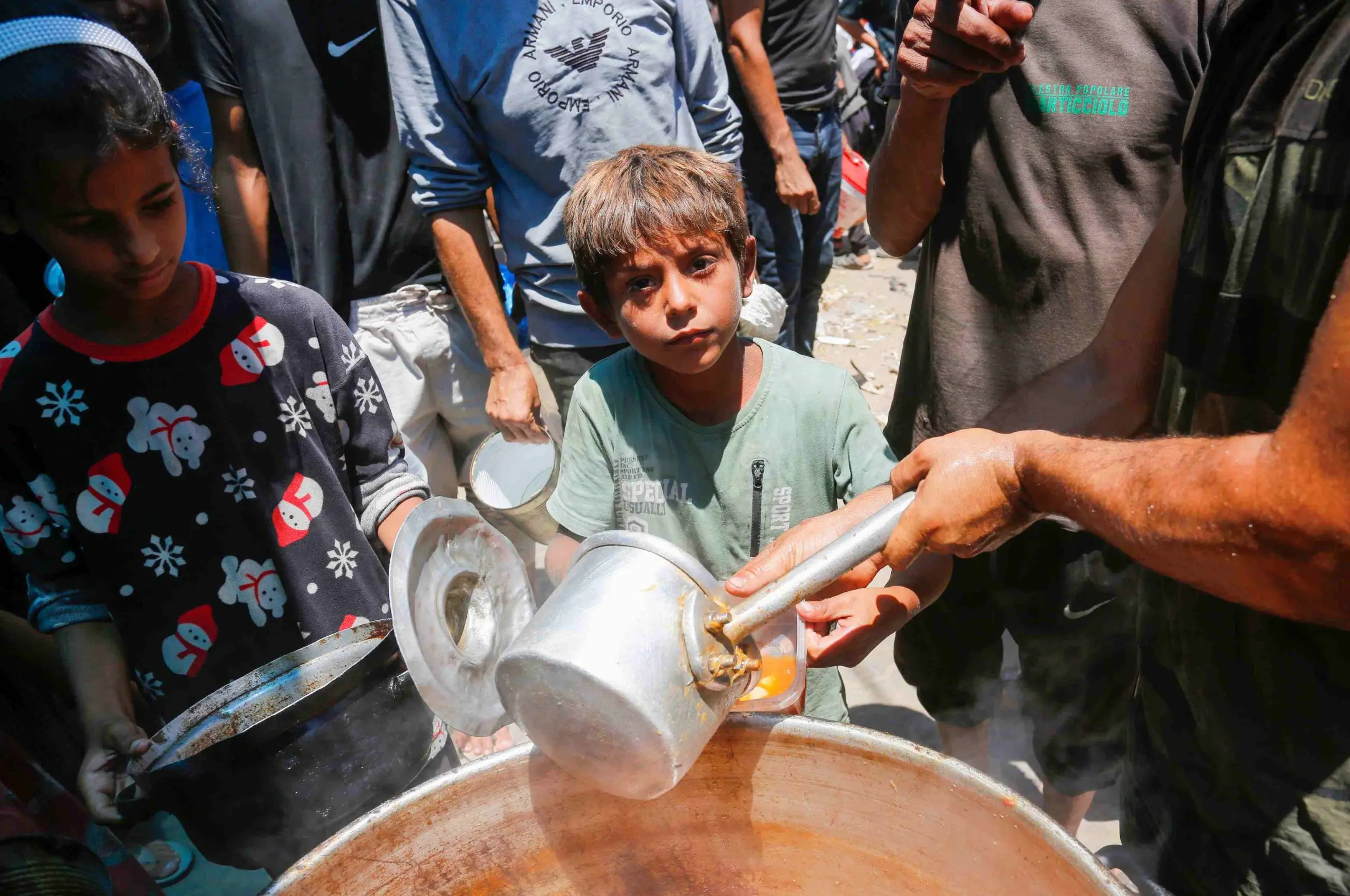
Since July, the New York Times and Washington Post have also reported on the famine in Gaza. The coverage now stands in sharp contrast to what the Al Jazeera Media Institute observed in June: reluctance to use words like “famine” and “starvation” in favor of more ambiguous terms like “food depletion” and “nutrition crisis.”
The western media’s about-face can be attributed to a few things, such as concern for fellow journalists in Gaza, mounting pressure from activists and the larger public to check their biases, and undeniable evidence of the devastation in the city.
The Palestinian Press Agency also says western news outlets are shifting their language outside of the famine, confident with naming the crisis more precisely. The news agency noted that references to “occupation” and “siege” occur more frequently, while Israeli bombings are now seldom framed as “responses.”
Declaring A Famine
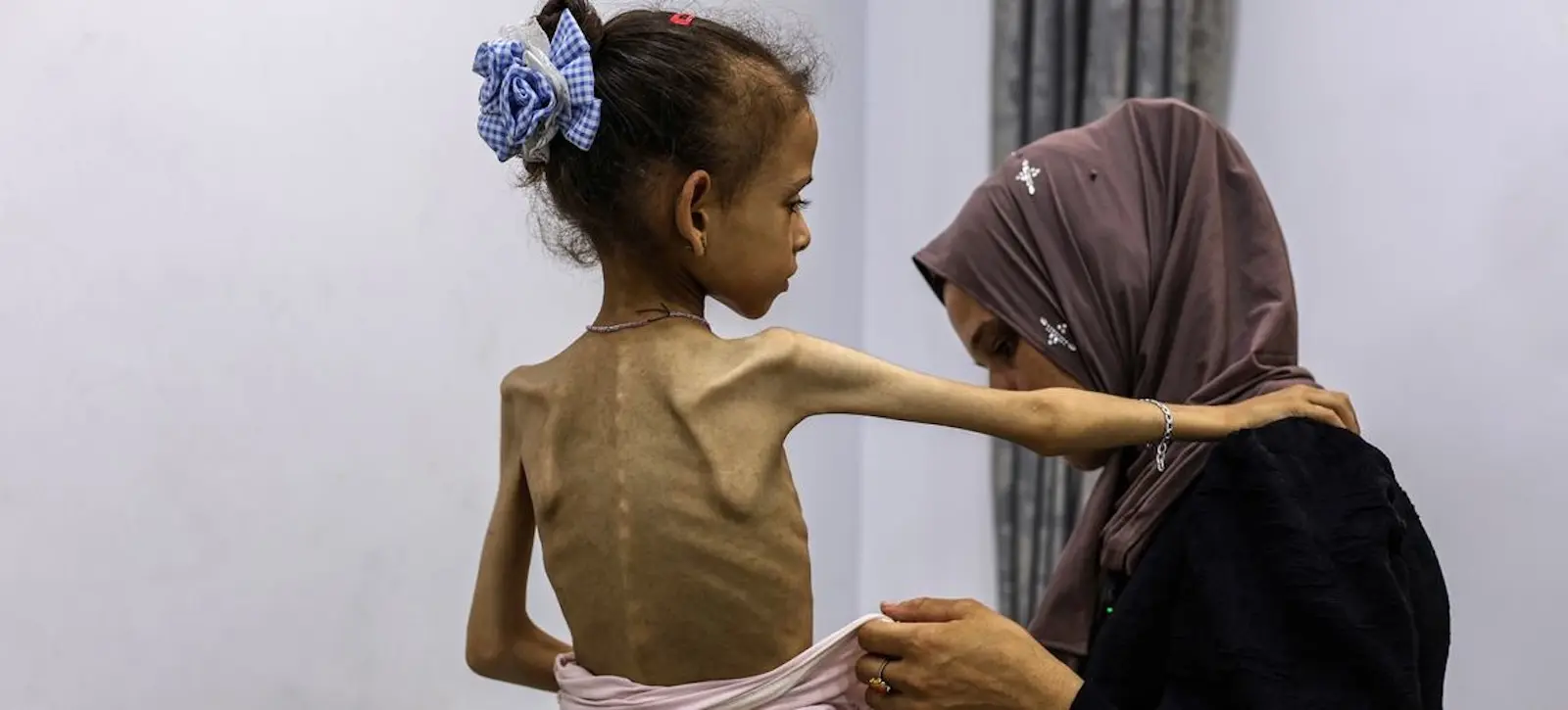
Meanwhile, the Integrated Food Security Phase Classification (IPC), the international system that analyzes food security levels, has yet to officially declare a famine in Gaza. The United Nations (UN) reports that the city has reached two out of three famine thresholds, plummeting food consumption and acute malnutrition. But in order for famine to be declared, there must be evidence of deaths from malnutrition.
Nonetheless, the UN says evidence of hunger-related deaths in Gaza is mounting. Since July, at least 16 children under five have died from hunger, while hospitals have treated over 20,000 children for acute malnutrition since April. This comes amid an ongoing blockade on medical and food supplies, which Israeli authorities enforced in March this year.