

By this time, Irene Emma Villamor’s The Loved One has already invaded local cinemas as a box-office smash, extending its emotionally wrenching reach into select territories abroad. By now, we’ve witnessed leads Anne Curtis and Jericho Rosales re-assess the shiniest and darkest parts of their 10-year relationship, all leading up to a conversation over lunch, to finally put an end to their long-festering incompatibility. Curtis stars as Ellie, a bright twentysomething who captures the affections of Eric (Rosales), a family-oriented IT worker who sees everything in a traditional path. The two initially seem like a match made in heaven, how Ellie’s free spirit brushes Eric’s life of a straight-laced lackey with more colors than he could handle. Then, the fissures start to appear.
The Loved One is a Molotov cocktail in a rom-com-oriented industry that loves formula. Ligaw, honeymoon stage, denouement, resolution. Villamor’s film literally deconstructs everything that’s expected of a love story. The present, shot in black and white by cinematographer Pao Orendain (Sunshine, Only We Know), exists to foreground the recollections from Eric and Ellie’s points of view, then culminates in a conclusion that would leave die-hard rom-com fans weeping.
This isn’t Villamor’s first time at the romance rodeo. The director has cut her teeth directing straightforward romance films such as Relaks, It’s Just Pag-ibig (co-directed with Antoinette Jadaone), moving from one deconstruction to the next, from Meet Me in St. Galen to last year’s Only We Know. In between exists Curtis and Villamor’s first collaboration, Sid and Aya, which is literally branded as “not a love story.” In the 2018 film, Curtis stars opposite Dingdong Dantes, who plays Sid, a stockbroker who pays Aya (Curtis) to keep him company during his sleepless nights. In an interview, Villamor shared how Curtis was very reluctant to play Aya, but as the shoot went on, Curtis became more collaborative about her er character. For Ellie, Curtis, having already established a working relationship with Villamor, was more active in creating her character, even insisting that Ellie have her own point of view in the story, not just Eric, making the film more cohesive.
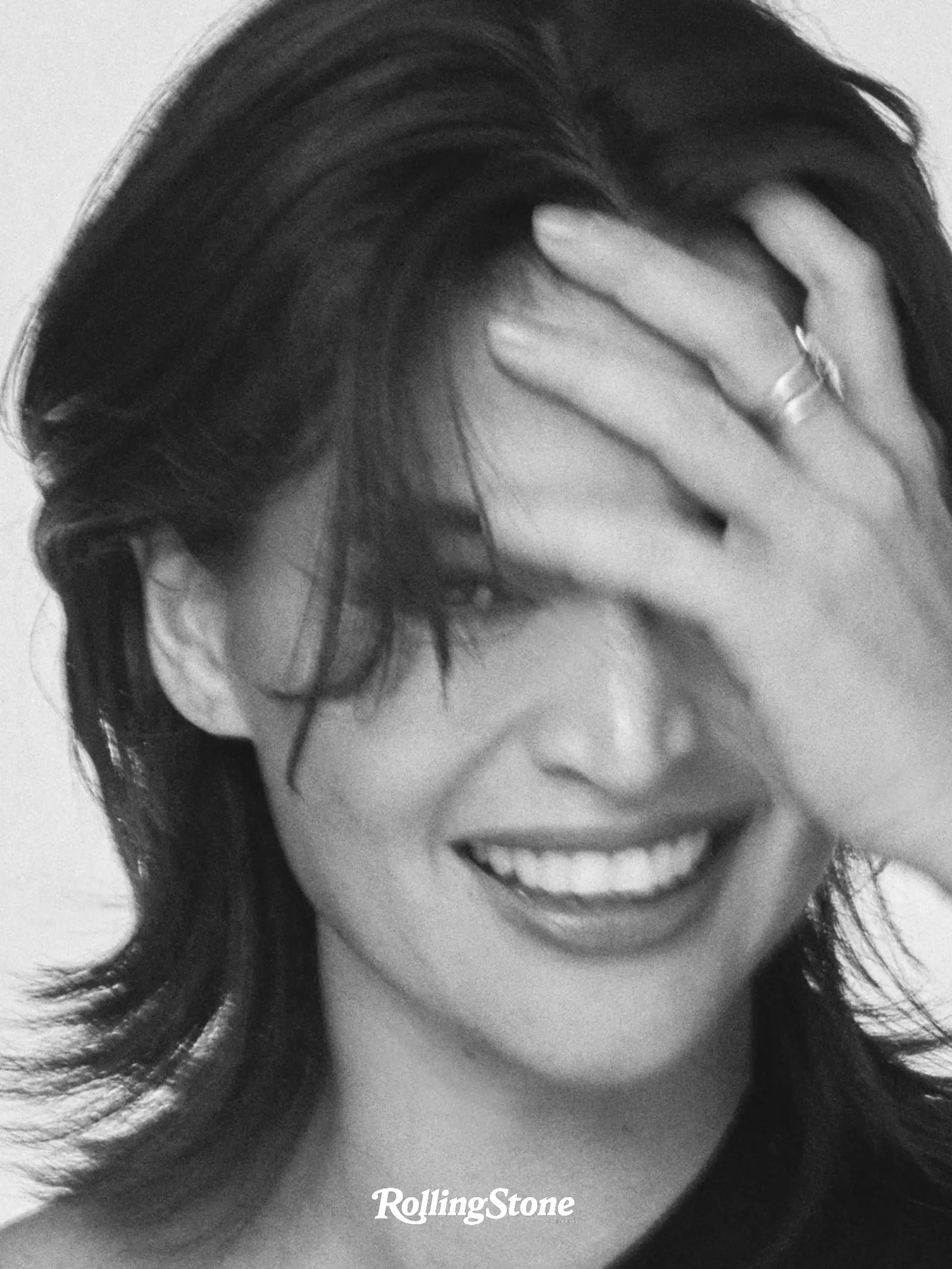
The Loved One marks Curtis’ return to film after a brief break since 2019, which was extended by the COVID-19 pandemic. Curtis gradually returned to showbiz, from her hosting duties onIt’s Showtime in 2025 to her TV comeback in the Filipino adaptation of the hit South Korean dramaIt’s Okay to Not Be Okay. The Loved One is her follow-up to the box-office hit M&M: The Mall, the Merrier, with her It’s Showtime co-host Vice Ganda, a noontime show tandem that has launched countless memes (“Capsicum?”). After the box office success of The Loved One, we’ll see Curtis next in her reunion with Erik Matti for the BuyBust sequel and spin-off, BuyBust: The Undesirables, a nine-episode series streaming on Netflix. In a career with numerous highlights, Curtis has always surprised audiences, from her teenybopper days in T.G.I.S., working with Peque Gallaga and Lore Reyes in Magic Kingdom: Alamat ng Damortis, to a brief stint as a horror movie fixture, to the beginning of her primetime teleserye days in Maging Sino Ka Man to Dyosa, the box office reign of campy kabit-core in No Other Woman, her sold-out concerts, and now, her return to auteur films. In any shape or form, Anne Curtis has become part of our pop culture consumption.
But fame has a tricky way of giving us the unexpected. In the weeks following the success of The Loved One, at a Congressional hearing no less, Quezon City Fourth District Representative Jesus “Bong” Suntay made lewd remarks regarding Curtis. The actress had no connection to the topic at hand, yet still the misogynistic remarks found their way into a public hearing. The backlash was swift and just, even from Suntay’s own wife, with many calling for the congressman to apologize. “Please keep your sick thoughts to yourself,” posted the journalist Karen Davila on X. “Women’s month pa talaga.”
A day before International Women’s Day, Curtis gave her first public statement on Instagram. “I do not accept your non-apology,” read her statement, adding, “We deserve better. Not just now, while this topic is a hot issue, but EVERY. SINGLE. DAY. Not just from Mr. Suntay. From all of it.” In this Rolling Stone Interview, her first cover story since the controversy, Curtis talks about how she’s been dealing with these last couple of months, the success of The Loved One, and how she views her career thus far —Don Jaucian
How have the last couple of days been like, and what’s stood out for you — both the good and the bad? Could you take us through the last week or so?
The last few days have been intense, but to be honest, the past couple of months have actually been very difficult and almost feel unkind to me.
The first quarter of this year has probably been one of the hardest starts to a year I’ve ever experienced. It began with my biggest heartbreak: losing my dad. Since then, it has felt like one thing after another has just unfolded in a negative way.
So when this recent incident happened, it landed during a time when I was already emotionally exhausted. When the news broke, my priority was reuniting with my family, who were stranded in the Middle East, and getting home safely. Once I was home and able to breathe for a moment, that’s when I started processing everything that had happened, and what stood out most to me was the contrast between the good and the bad. The bad was obvious: hearing my name used in a vulgar and degrading way by someone in public office. I feel language like that reinforces a culture where women are treated as objects or not taken seriously.
But then there’s the good, and that was overwhelming. The support from women and from men, from colleagues, from organizations, and from people I’ve never even met reminded me that many Filipinos are tired of that culture and want better. So while the incident itself was deeply disappointing, the response from people also gave me hope.
And another ray of light of goodness has been my movie doing so well in cinemas.
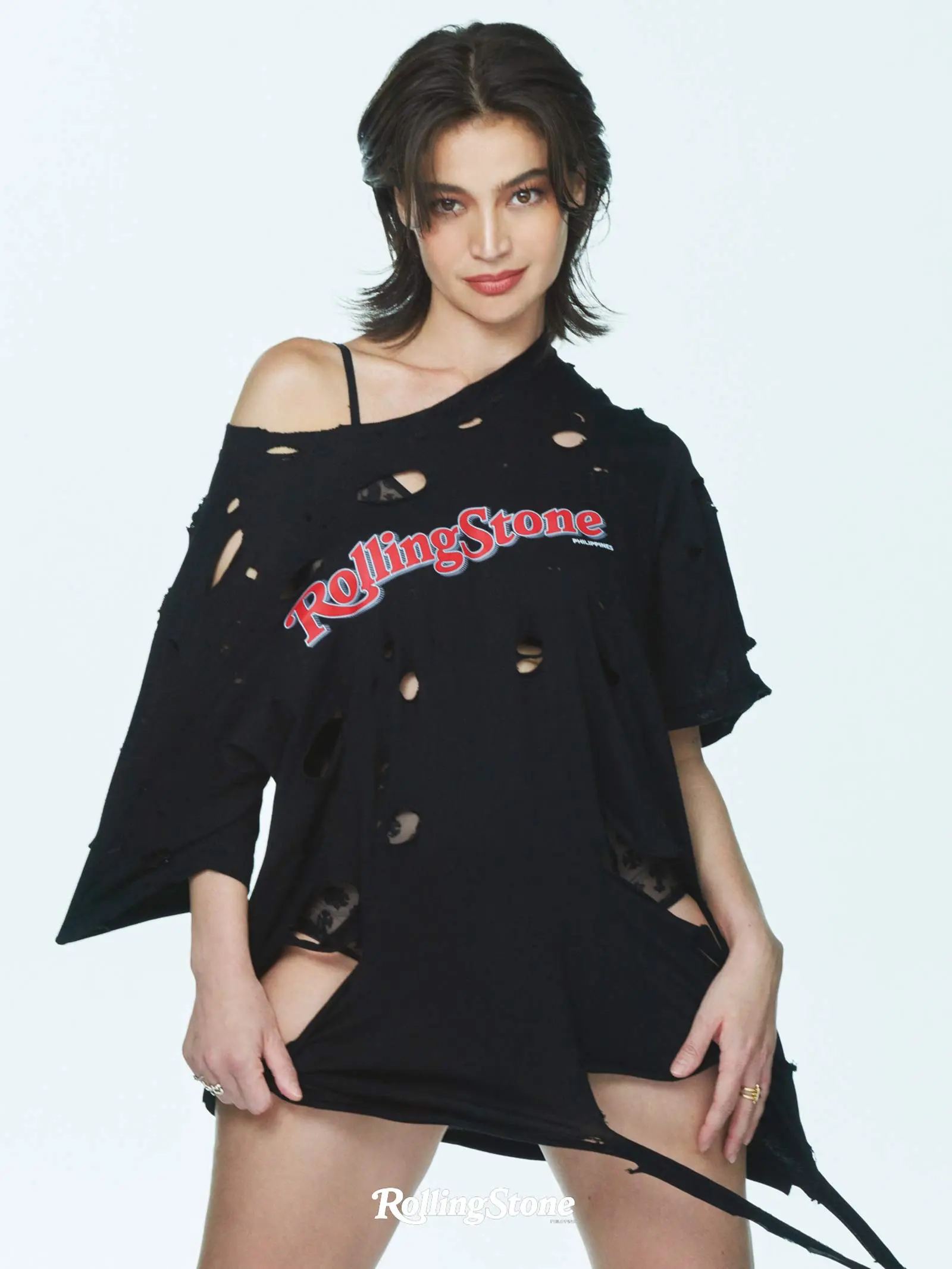
The recent events really highlighted how prevalent misogyny is here in the Philippines. How have you dealt with it in the past, and what made this different?
Believe it or not, this is actually the first time I’ve experienced something like this so directly and so publicly. Of course, I’ve always been aware that misogyny exists. Like many women, you see it, you hear about it, and you know it’s something many people deal with. But for me, well, at least from what I remember — unless I’ve forgotten an incident — it hasn’t happened in my career yet or personally. But regardless of whether I had personally experienced it or not, I’ve always believed in advocating for women’s rights and for equal treatment in whatever field that may be. Respect and fairness shouldn’t depend on someone’s gender.
So when this happened, I was honestly shocked. And what made this situation different kasi was not just the comment itself, but where and who it came from. This wasn’t a random remark on the internet or a private joke among friends. It came from someone holding public office. Someone whose words carry influence and responsibility. And when behavior like that comes from a position of power, silence can start to feel like acceptance. So I couldn’t let it pass because I don’t think that’s the message we should be sending, especially to the next generation of girls or even to my fellow women who are watching and listening.
A lot of people have used your line from The Gifted, “People never change, science tells us that our genetic imprint predetermines your faith, your character, your choices. Pinanganak kang bobo, lalaki kang bobo, mamamatay kang bobo.” Do you think people can change, given the state of misogyny in the country?
Oh my gosh! How I love that character, Zoe Tuazon! That line from The Gifted is powerful because it reflects a kind of cynicism that many people feel. I actually believe people can change. Societies change, cultures evolve, and people learn. Well, not all, but I’d like to think a majority do, especially when they are willing to listen.
Misogyny is deeply rooted in many cultures, including ours. But it’s not inevitable. It’s learned behavior, and anything that is learned can also be unlearned. What matters is accountability. When harmful behavior is called out, when conversations happen, when people reflect, that’s when change becomes possible. I’ve seen it from reading the comments. Even men do not agree with this kind of behavior. Some have even come up to me and have told me, “We stand with you.” So, there’s hope there.
“The support from women and from men, from colleagues, from organizations, and from people I’ve never even met reminded me that many Filipinos are tired of that culture and want better. So while the incident itself was deeply disappointing, the response from people also gave me hope.”
What would you want to tell men in particular on how to be better?
First, understand that respect isn’t complicated. It’s basic decency. It starts with seeing women as equals, as partners, not as objects, not as jokes, not to be looked down upon, and not something to comment on casually in a disrespectful way.
Second, listen. When women say something is offensive or harmful, the first reaction shouldn’t be defensiveness. It should be curiosity, reflection, and knowing when to apologize sincerely. It doesn’t take away from manhood to admit when you’re wrong.
And finally, speak up. The responsibility to challenge misogyny shouldn’t fall only on women. When men call it out among their friends or coworkers or strangers, that’s when culture really begins to shift. Because at the end of the day, this isn’t about one comment or one incident; It’s about building a culture where women are respected, not just in private, but in public, in leadership, and in everyday conversations. And more importantly, this was never just about me. It’s about the kind of culture we choose to tolerate and the kind of respect we expect for every woman.
Since you mentioned it already, let’s talk about The Loved One. Were you scared of people’s reactions to it
Oo! Kasi it was a different way of storytelling… we were so scared, pero okay naman. It really helped that cinemas, or, well, the malls, lowered [ticket] prices.
I was scared with how people might connect with it or resonate with it, but okay naman.
The movie goes into the details of this relationship, perspectives, and looking back on it. So given that, I wanted to tie this back to you: across your career, when you think about it and look back, are there those key points you think about a lot?
You’ll always have memorable projects that were a key element in molding your career. There are quite a few for me. There were also bad ones, ‘no? It’s not always good, good, good, good, good.
But you know what? I feel like that was the beauty of my career. There were a lot of hits or misses. It was also such a long time, that’s why I had the beauty of experimenting. I wasn’t sheltered or molded in a way that I had to be this perfect image, only goody-two-shoe roles. I just had the opportunity to experiment with whatever roles and scripts come around.
But when you started, was there a particular goal that you wanted to go towards?
No. That made me open to trying…
Before social media, the only way for you to make a mark was to accept projects here and there. You attend all the press cons, you do all of that. Now, it’s so easy for everyone. You have social media, you’re a hit, you become this [star] overnight. You’re given projects right away, unlike us, our batch, and even the ones before us.
It was really like… you [just] accept roles. I started off as a sister, tiny little roles in the background of Angelu De Leon and Antoinette Taus, that’s how I started. You can’t be picky when you’re starting off. I think that’s for anyone as an actress. If you really want to be an actress, you’ll accept any work that you can get. I had no right, I think, to say, “No, I don’t wanna play only the sister in this role.” I was open to attacking different roles, no matter how small they were. I made sure that I did my best in each one.
So how do you view social media now, na parang… ang daming overnight successes?
I don’t think it would be a concern. I mean, it’s amazing, because even for me, it’s helped me in such a huge way to be able to connect to my followers. I don’t have anything against it, but it’s more of… I would prefer to hope that those who are given that kind of opportunity, that they value it as a craft. They could become a KOL [key opinion leader], or or influencers, or whatever field you’re in, excel in that. So if you decide, “Hey, I’m gonna take a job in acting,” I hope that you take it seriously and learn the craft and love the craft and learn more about acting instead of just treating it as another job.
It’s a great tool, honestly, and it’s a great instrument.
Read the rest of the story in the Anniversary Issue of Rolling Stone Philippines. Pre-order a copy on Sari-Sari Shopping, or read the e-magazine now here.
Makeup by ROBBIE PIÑERA
Hair by RAYMOND SANTIAGO
Styled by JOLO BAYONETA, JETHRO BARRIETTA of Stylized Studio
Official Venue Partner PIONEERX STUDIOS
Official Food Partner KHAO KHAI THAI CHICKEN HOUSE
Frequently Asked Questions
Curtis said she does not accept the non-apology from Rep. Bong Suntay, who made lewd remarks about her at a Congressional hearing unrelated to her. She called for accountability “not just now… but EVERY. SINGLE. DAY.”
Suntay made lewd remarks about Curtis during a public Congressional hearing where she had no connection to the topic at hand, drawing swift backlash, including criticism from his own wife and public figures.
“The Loved One,” directed by Irene Emma Villamor and starring Anne Curtis and Jericho Rosales, is a box-office hit in local cinemas that has also expanded into select international territories.
Curtis said the first quarter of the year was one of the hardest of her life, beginning with the loss of her father, followed by the public controversy over Suntay’s remarks.
Curtis said men should see women as equals, listen without defensiveness when called out, and speak up against misogynistic behavior among their peers, rather than leaving that responsibility to women alone.
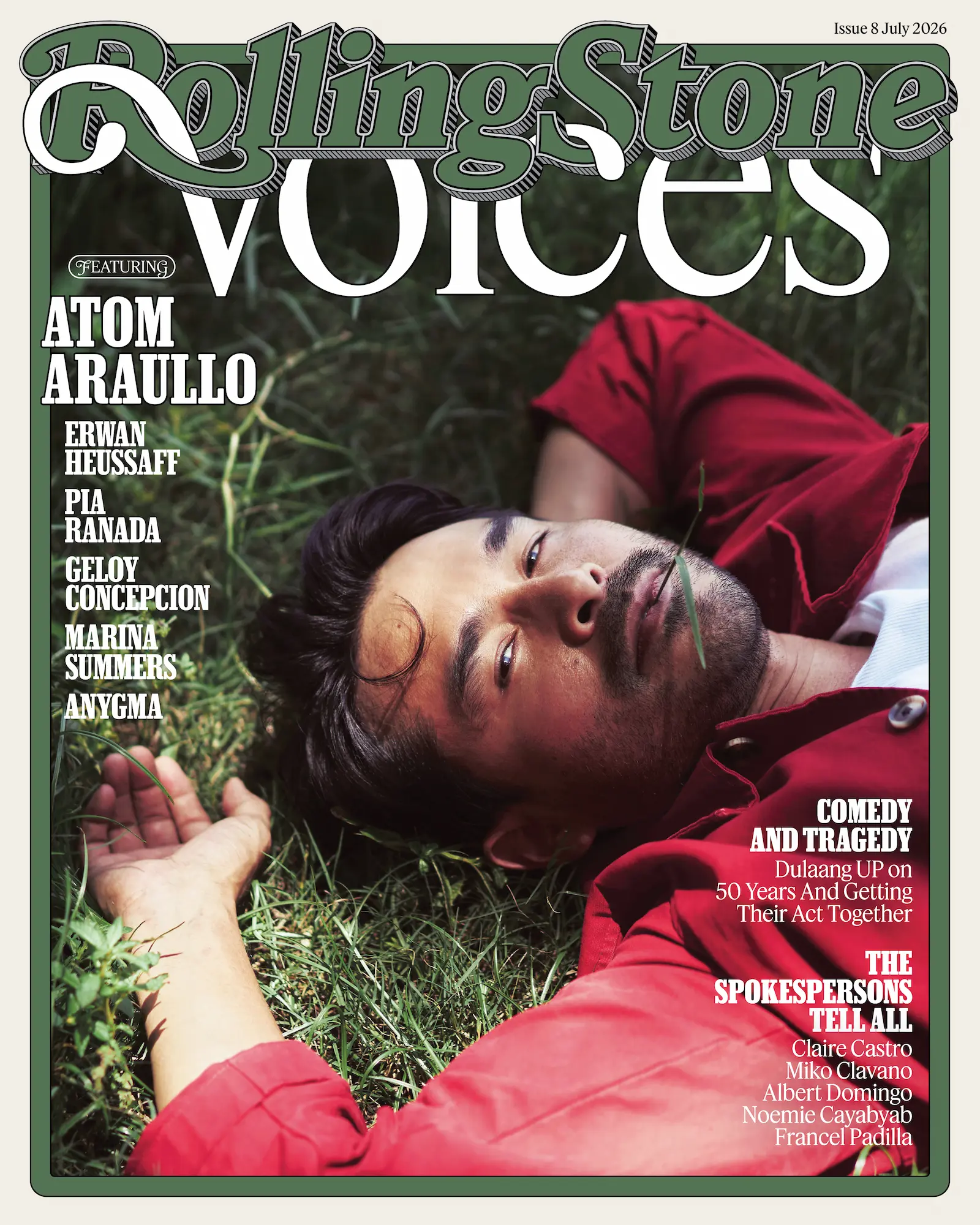
Rolling Stone Philippines Voices Issue, Now Available at SariSari Shopping