

Amnesty International found that indigenous peoples and rural communities in the Philippines are not adequately informed of the health and environmental hazards that come with nickel mining, and that companies and government agencies are lax in obtaining these communities’ free, prior, and informed consent (FPIC) to mining projects.
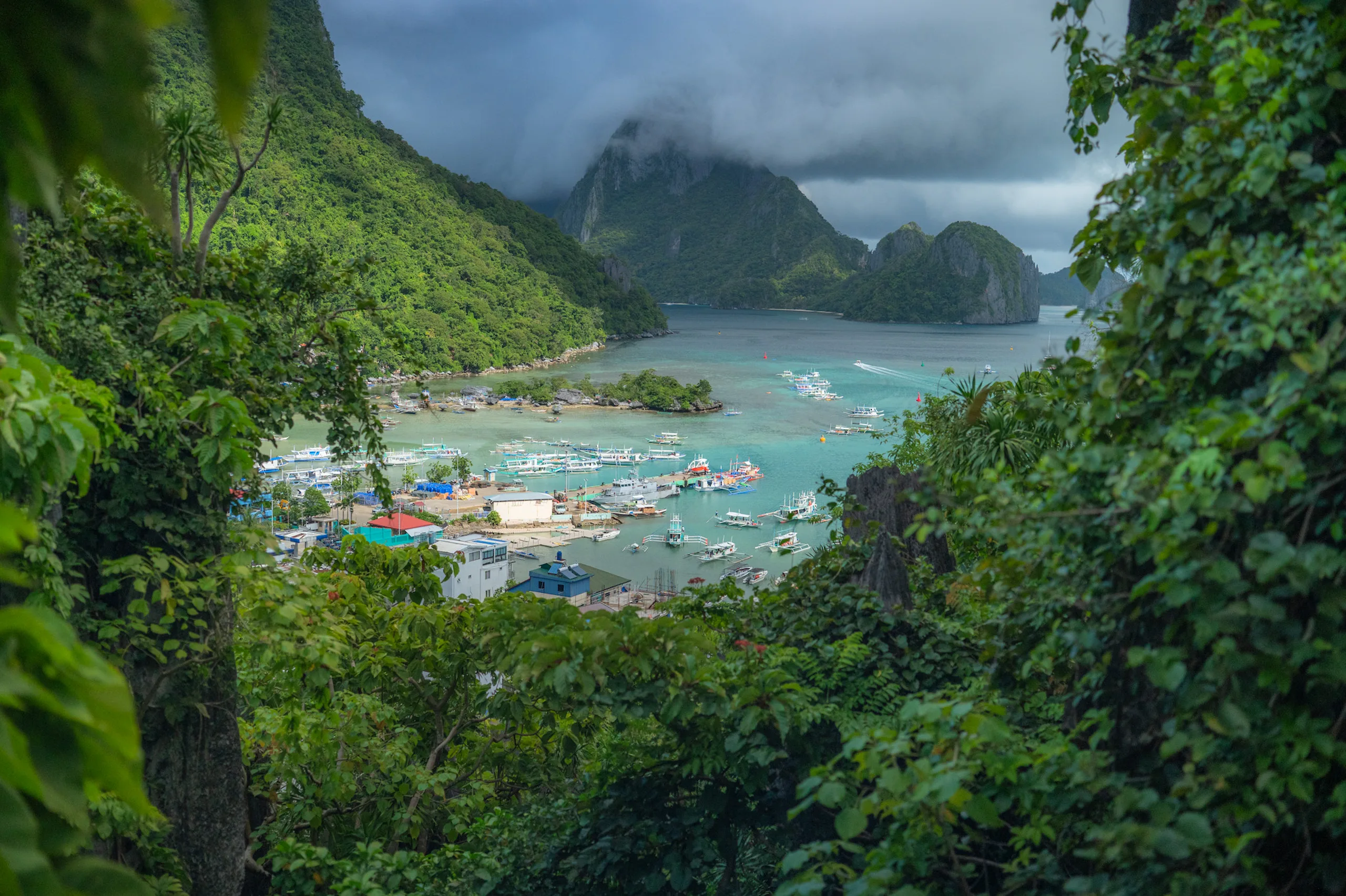
According to a report released on January 9 by the non-government organization, communities in Brooke’s Point, Palawan and Santa Cruz, Zambales have reported health issues and declining water quality due to heavy metal contamination in the air, water sources, and food supply. The hazards point to nearby nickel mining projects and lax FPIC practices.
“Not only did these communities undergo seriously flawed consultation processes — blighted by misrepresentations and a lack of information — they are now being forced to endure the negative impacts of these mining operations on their health, livelihoods and access to clean water,” says Amnesty International Philippines chair Veronica Cabe.
The NGO conducted its research between September 2023 and October 2024, interviewing a total of 90 members from the communities in Brooke’s Point and Santa Cruz.

During this period, Amnesty says it was only able to find environmental impact studies for three out of seven mining companies in the report. “The organization requested copies of the environmental impact studies from the other companies and the Philippine Department of Environment and Natural Resources (DENR),” Amnesty says, “However, this information was not provided.”
The organization reports that DENR also denied community members access to documents, “preventing them from making an informed decision” regarding the use of their lands for mining.
Other interviewees also told Amnesty that community members known to be opposed to nickel mining were “deliberately excluded from consultations,” Amnesty adds, “Those who attended consultations said they were either dismissed or ignored when they raised concerns about the potential risks of the mining projects.”
Why Nickel Mining?
The report says that the Philippines is the world’s second largest nickel producerProducerThe person who shapes how a record sounds, from arranging and recording to guiding performances and making creative choices in the studio. A great producer can bring out the bestGo to Producer Glossary, just after Indonesia, and that the provinces of Zambales and Palawan are home to some of the country’s largest nickel deposits.
Amnesty identifies the municipalities of Brooke’s Point and Santa Cruz as “sacrifice zones,” which the organization defines as “places where residents suffer devastating physical and mental health consequences and human rights violations as a result of living in pollution hotspots and heavily contaminated areas.”
According to the organization, the Philippines exports raw nickel for processing, where the value is added, making multinational electric vehicle makers and consumers in industrialized countries the ultimate beneficiaries of these sacrifice zones.
Recommended Video