


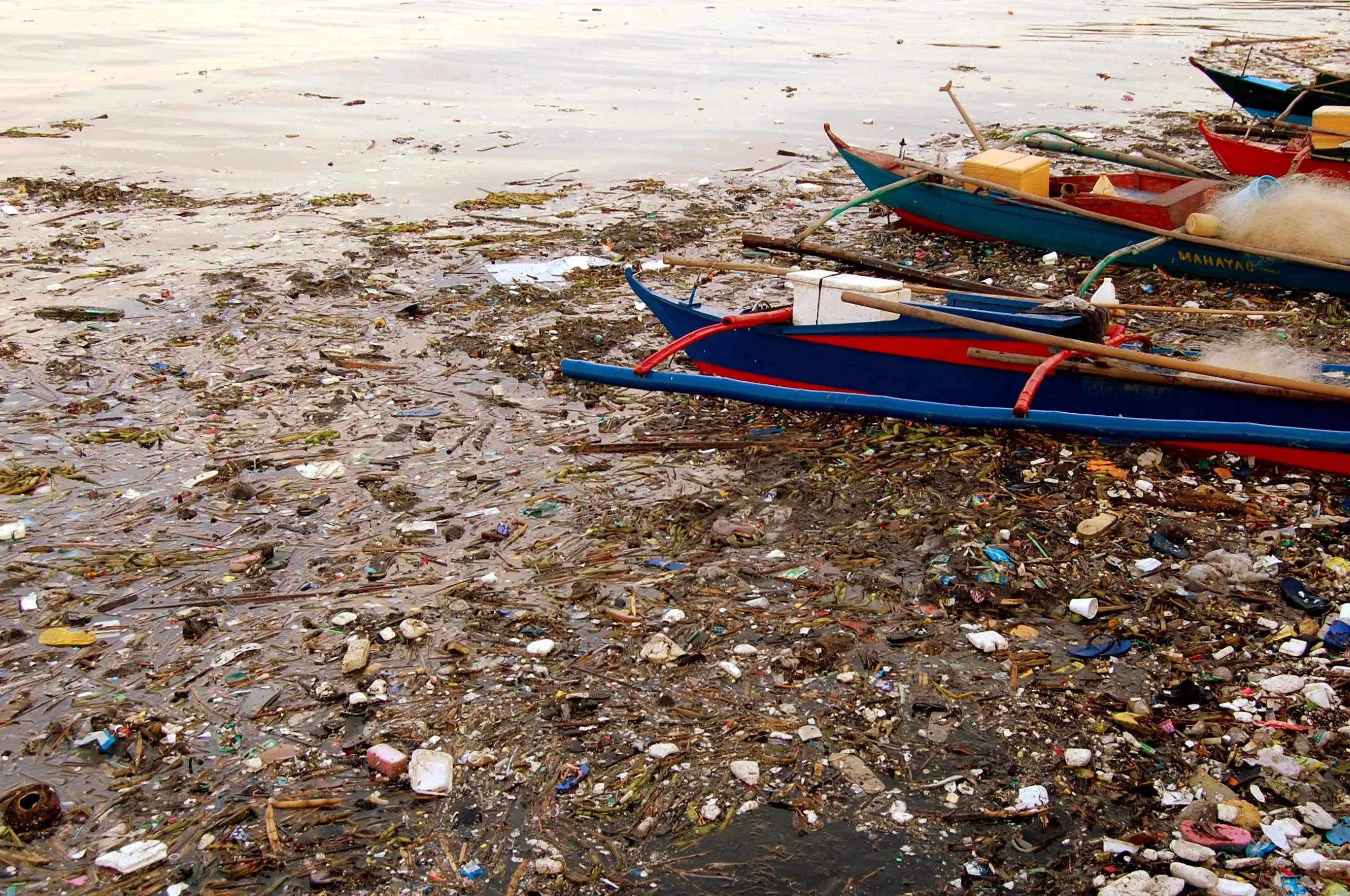
In the next 25 years, Southeast Asia’s plastic waste leaking into the environment could reach 56 million tonnes (Mt), according to a report by the Organization for Economic Cooperation and Development (OECD). Without stronger action, plastic pollution in the region is projected to rise by 68 percent by 2050.
The ASEAN Plus Three (APT) region — the 10 Southeast Asian nations along with China, Japan, and Korea — now accounts for nearly a third of global plastics use, consuming 152 Mt between 1990 and 2022. Over that period, 33 Mt of plastic waste was mismanaged, a figure expected to climb sharply, choking rivers, coastlines, and other ecosystems.
But the OECD says this upward trendTrendA pattern or style that gains popularity for a period of time, whether in fashion, music, language, or online behavior. Trends move quickly in the age of social media, andGo to Trend Glossary can still be reversed. With comprehensive government action, plastic use could be cut by 28 percent, recycling rates could more than quadruple to 54 percent, and mismanaged waste could drop by 97 percent by 2050. Recommended measures include slowing plastic production and consumption, scaling up reuse systems, expanding waste collection, and crafting detailed national policy roadmaps.
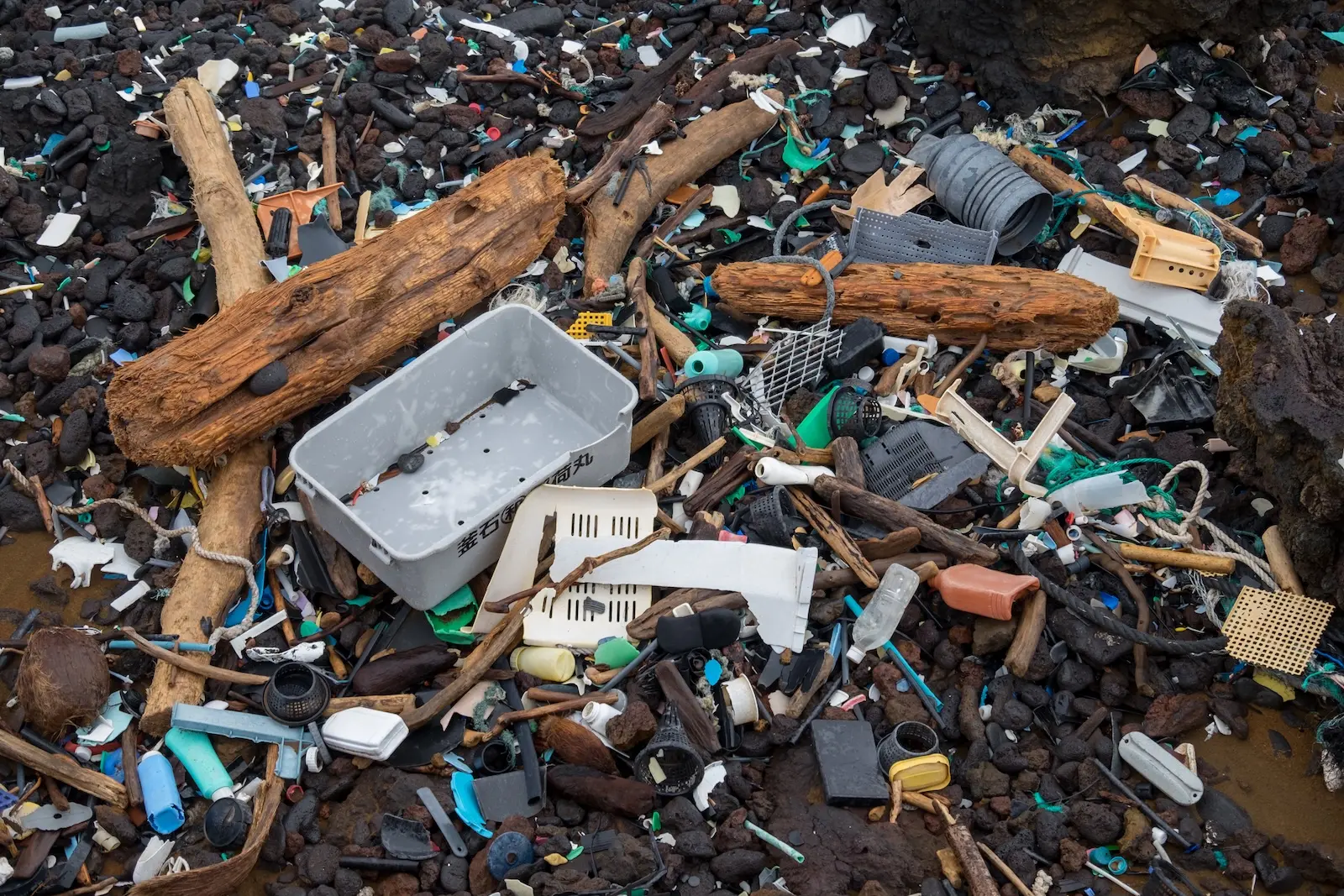
The urgency is acute for countries like the Philippines, Malaysia, and Indonesia, where dense coastal cities and major rivers accelerate the flow of mismanaged waste into the sea. In 2019, the Philippines alone accounted for 36.38 percent of the world’s ocean plastic, the highest of any country. Crispian Lao, the late founding president of the Philippine Alliance for Recycling and Materials Sustainability, told Eco-Business that 70 percent of Filipinos lack access to disposal facilities, driving waste directly into the environment.
Plastic pollution weakens ecosystems’ ability to adapt to climate change, according to the United Nations Environment Programme. In turn, it threatens livelihoods, food security, and social well-being, stakes that will only grow higher for Southeast Asia if decisive action is delayed.
Recommended Video