

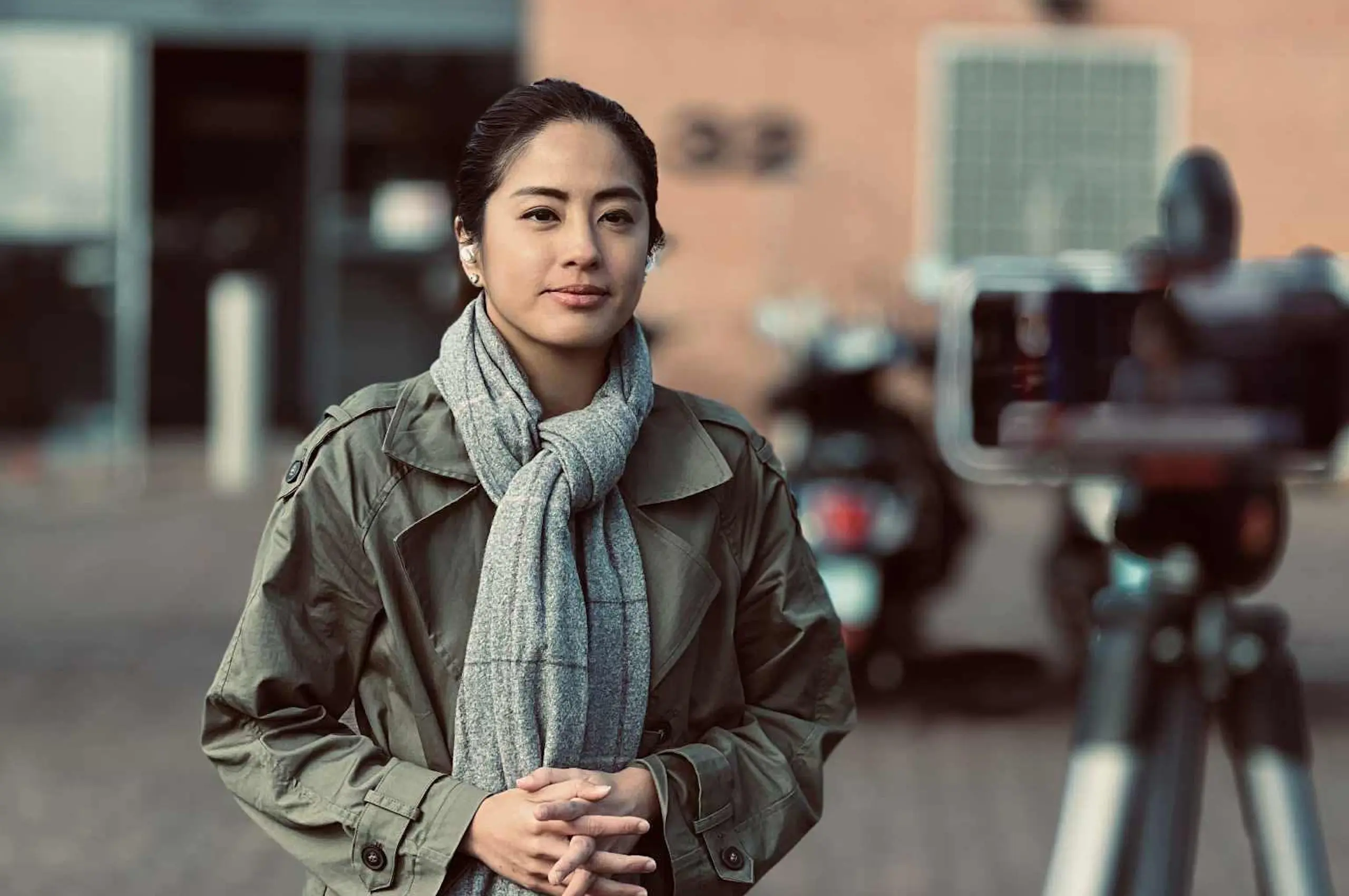
On October 6, television broadcaster Gretchen Ho took to social media to share how one of her family members had been denied service at a foreign exchange counter at the Gardermoen Airport in Oslo, Norway. The incident sparked conversations online about the global scrutiny the country may be facing as corruption issues persist.
“Lady at the counter goes, ‘You came from the Philippines? We cannot exchange your dollars because of the corruption and money laundering in the Philippines,’” Ho wrote on a Facebook post. “This family member (along with a group of friends) told me they were asked to exchange their money elsewhere but not at the airport. Family member was just trying to exchange 300 USD.”
PH’s corruption record
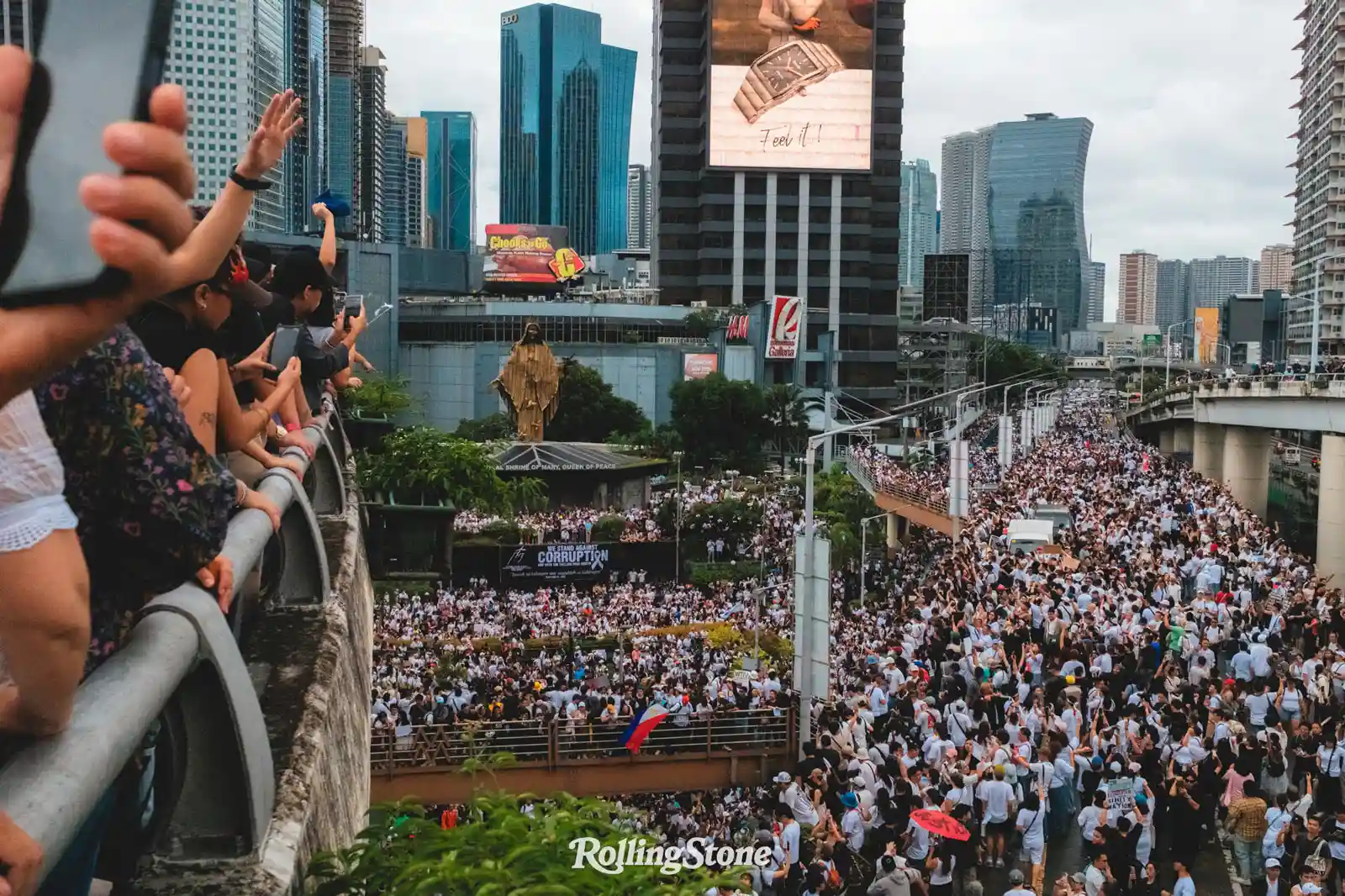
Ho’s story has sparked conversations amongst Filipino netizens who recall being denied service over the alleged high-risk nature of the Philippines’ politics. While some have alluded to issues of racism, others have noted that increased reports of money laundering, scams, and corruption within the country are all valid causes for concern.
Ho’s story also comes at a time when the Philippines is under increased international attention. On September 26, the United States Department of State published its annual Investment Climate Statements, in which it described corruption in the Philippines as “a pervasive and long-standing problem in both the public and private sector.”
Since 2019, the Philippines has ranked 114th out of the 180 countries on Transparency International’s Corruption Perceptions Index. The country’s corruption problem has also been cited by multiple organizations, including the World Economic Forum, as being one of the main obstacles hindering business in the Philippines. “The Bureau of Customs is still considered to be one of the most corrupt agencies in the country,” the State Department’s statement wrote.
However this year, global money laundering watchdog Financial Action Task Force removed the Philippines from its grey list after recognizing that the country had implemented a four-year reform effort attempting to confront the problem.
“Terrible,” wrote Ho, reflecting on her family member’s experience. “What are we going to do about this, Pilipinas?”
In a separate Facebook post, Ho stated that the Philippine Ambassador to Norway, Enrico T. Fos, called her after she emailed an official incident report detailing her family member’s experience. “The Ambassador was surprised,” wrote Ho. “As far as he knows, these incidents shouldn’t be happening. He says he’ll be meeting with the Norwegian foreign ministry to address the issue.”
“I believe getting some clarity would help not just our family,” continued Ho, “but other Filipinos who have shared similar experiences at the same airport in Oslo, saying they have been declined foreign exchange services upon knowing their country of origin is the Philippines.”
Recommended Video