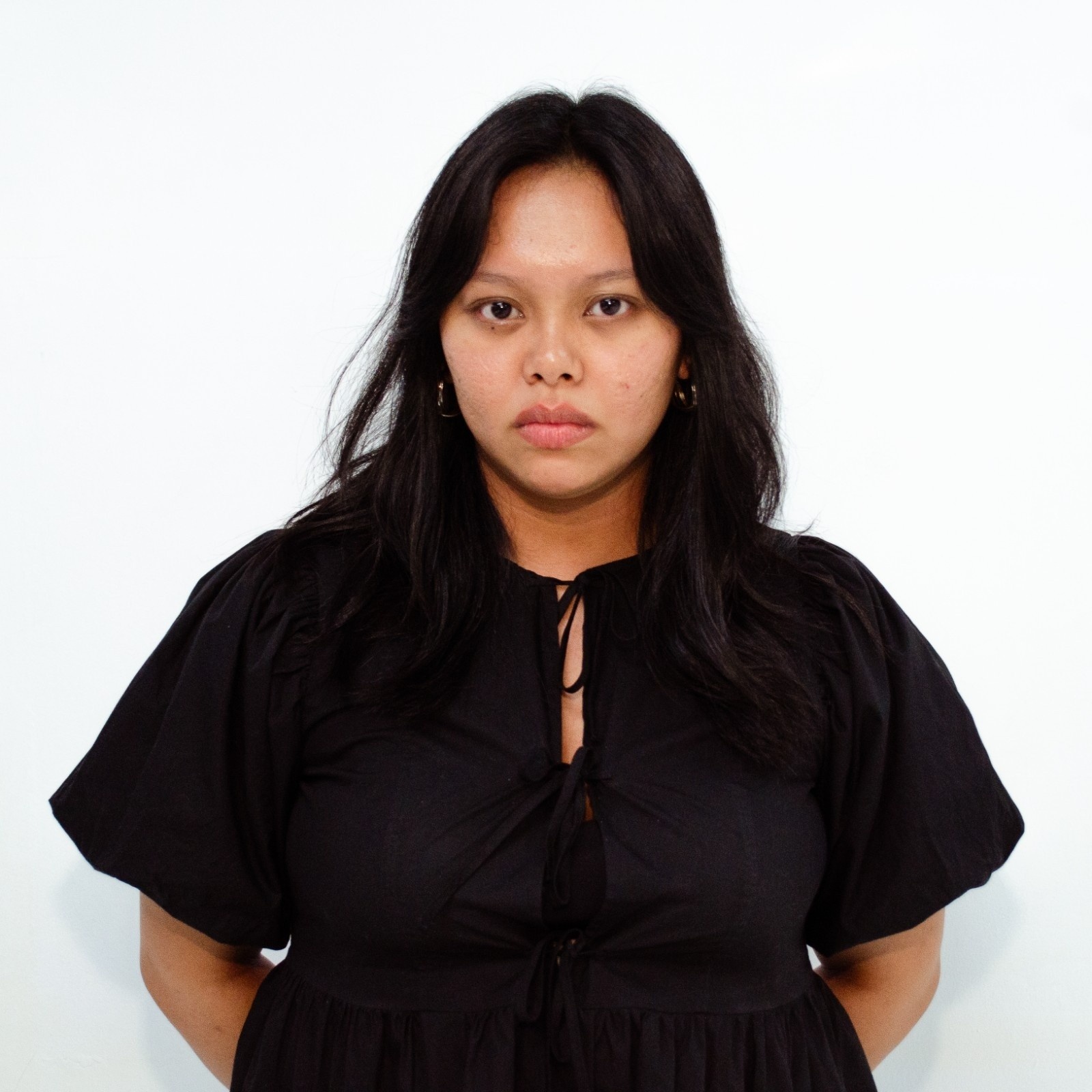


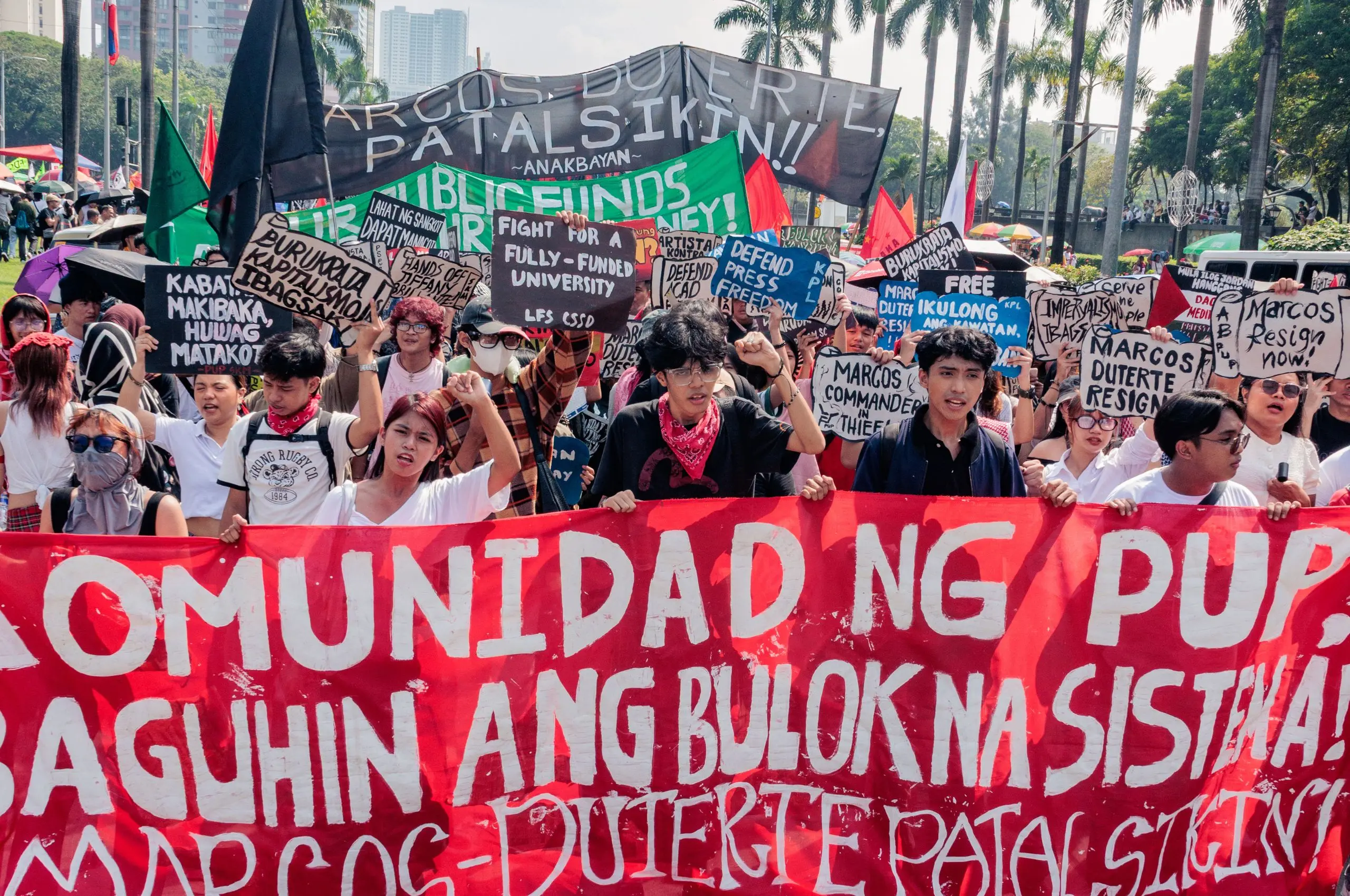
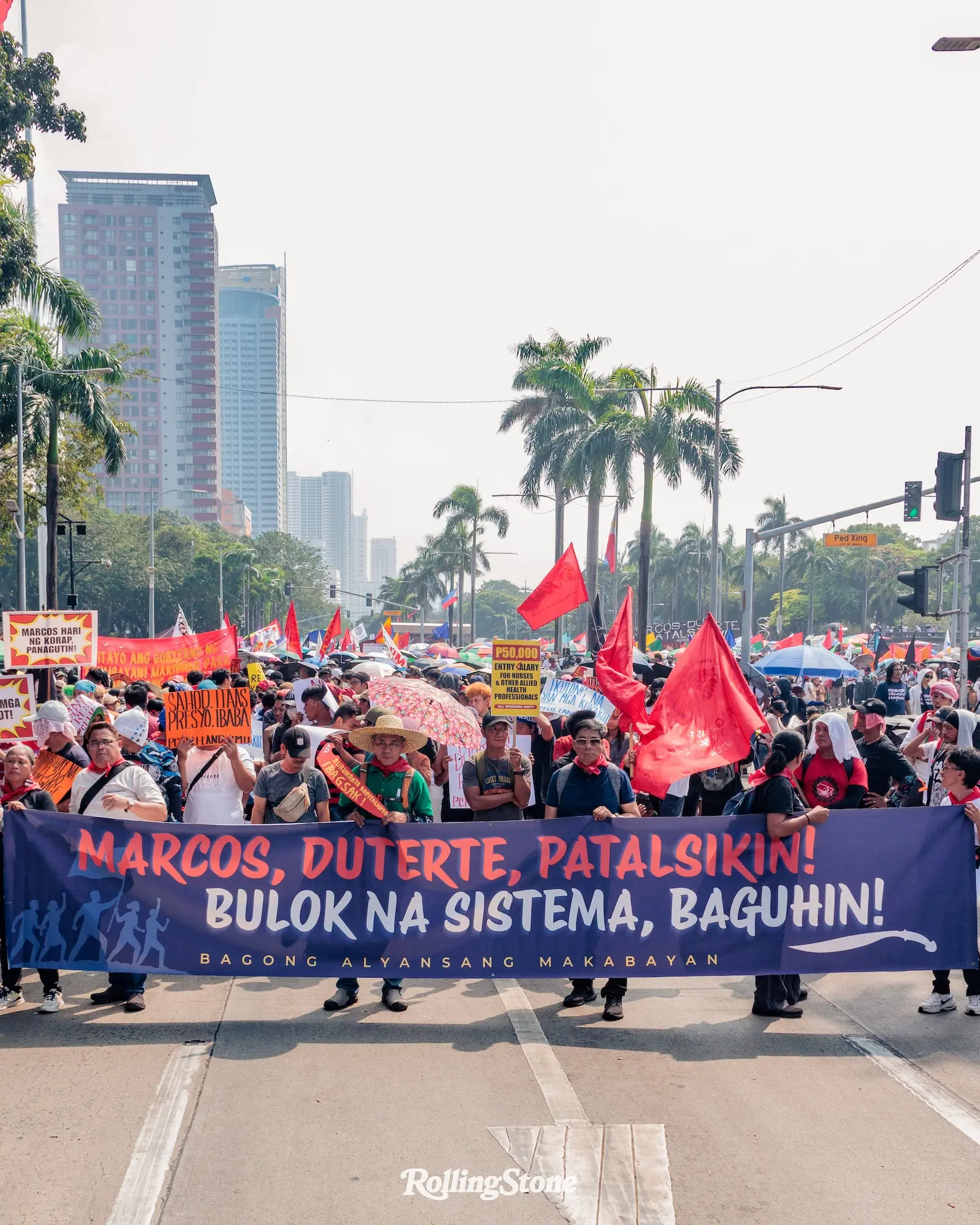
After the September 21 anti-corruption rallies, November 30 saw various civil society and political organizations gather once more at Luneta Park in Manila and the EDSA People Power Monument in Quezon City. But several months into the government’s infrastructure corruption investigations, photographer Dominic Pamatmat notes that frustration and fatigue have washed over the people.
Tensions were high on Sunday morning at Luneta as Manila police prevented the Baha sa Luneta organizers, Kilusang Bayan Kontra Kurakot (KBKK), from setting up a stage for their program at 12 a.m., Philstar reports. This didn’t stop smaller groups from gathering and holding discussions amongst themselves, Pamatmat noted.
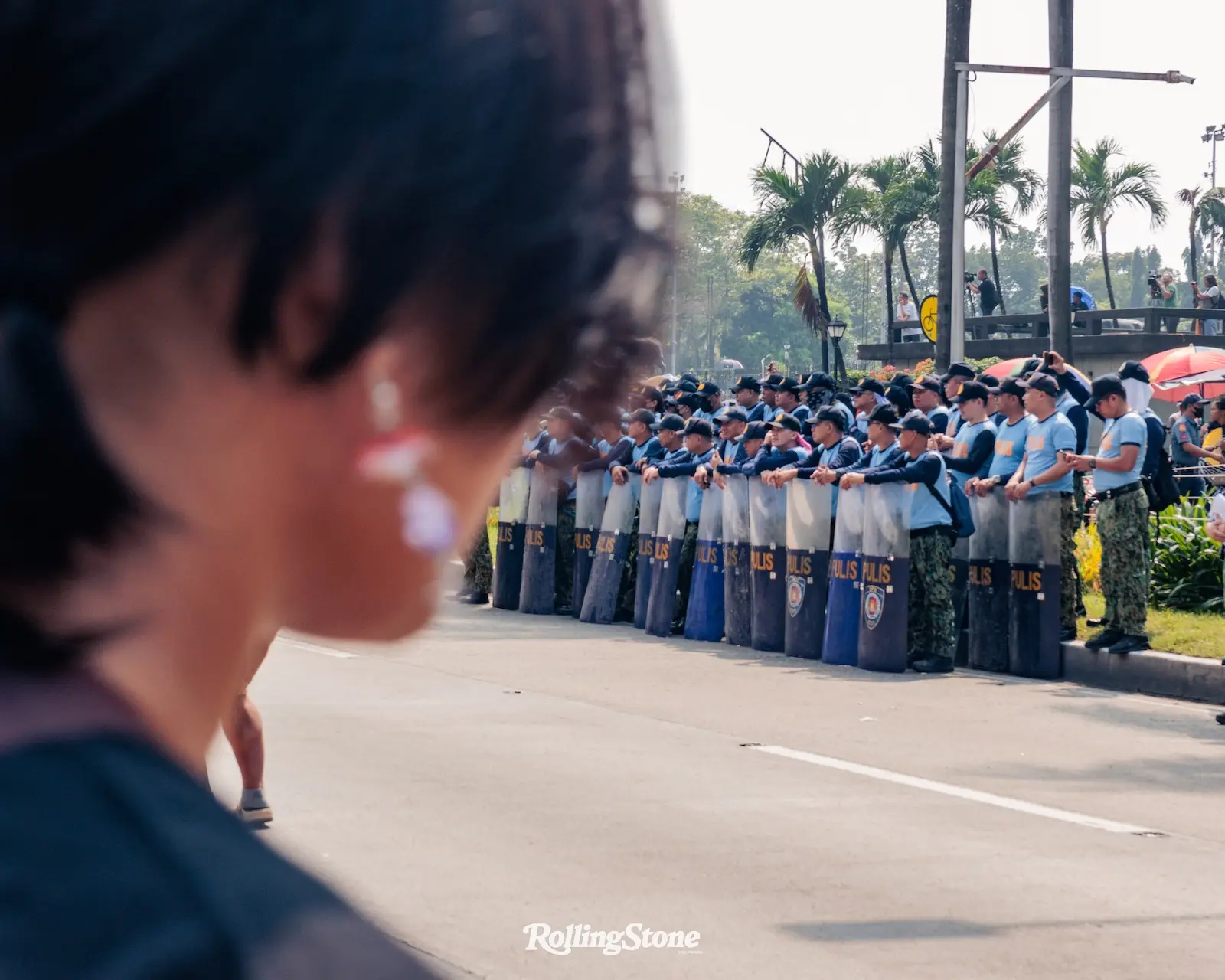
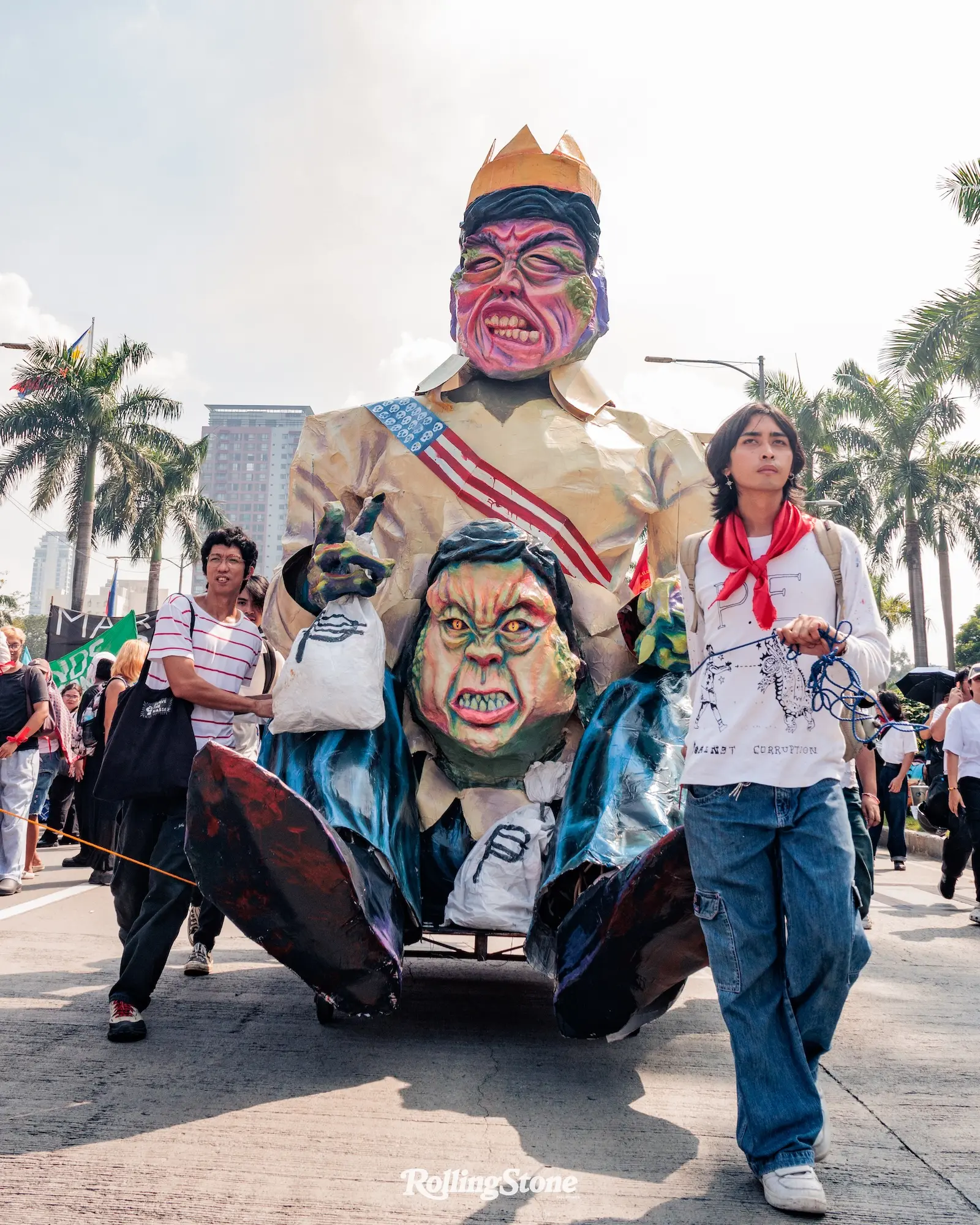
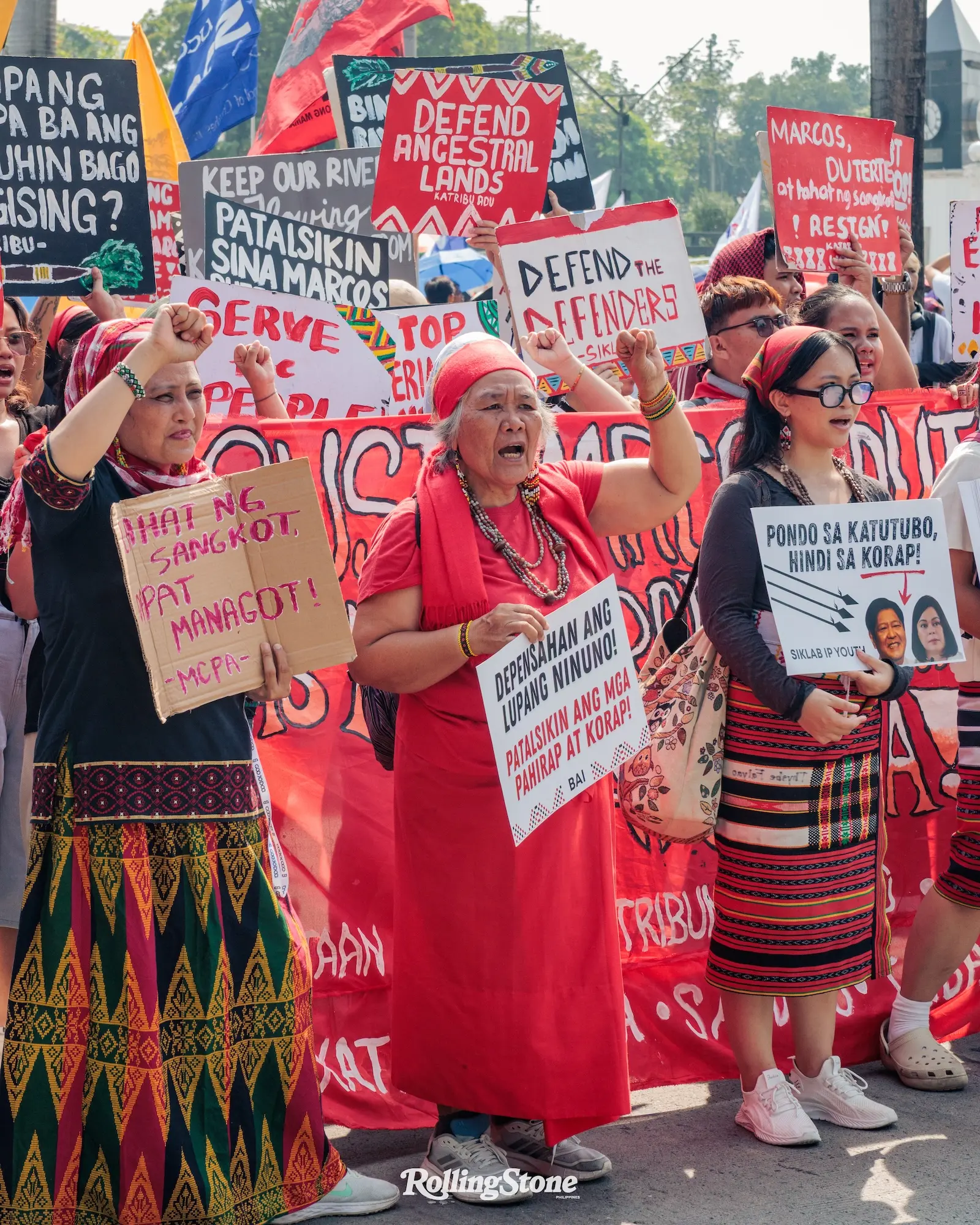
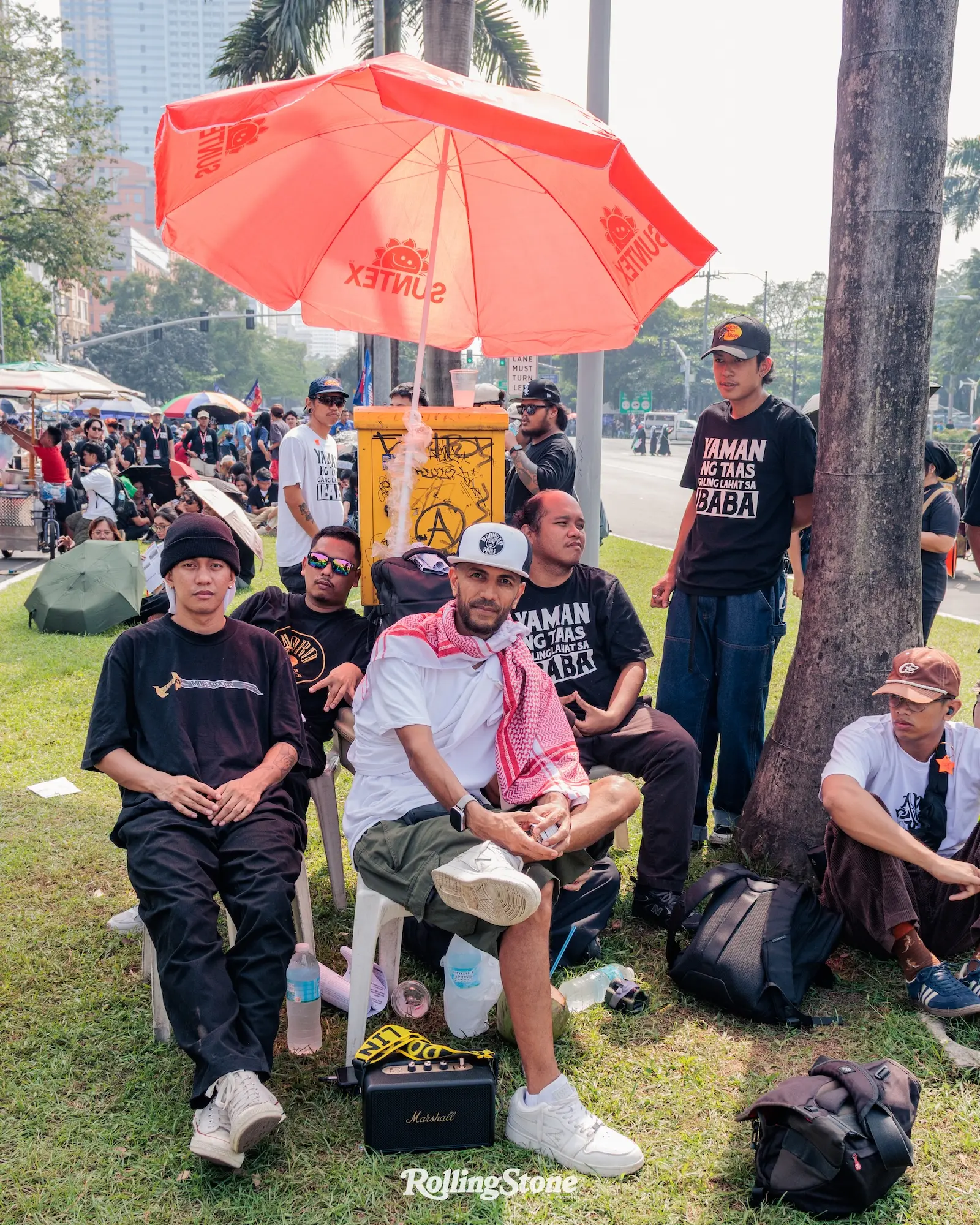
The Manila Police District estimated that by 9 a.m., a crowd of around 3,000 had gathered at the park after marching in from other parts of Manila. The morning’s tensions didn’t get to Luneta’s protesters, among them actresses Mae Paner, Bibeth Orteza, Carmi Martin, and Maris Racal. As the day went on, Pamatmat observed that more people poured in. The main program, delayed due to disagreements with police, then took place on a small stage where representatives of various sectors, from labor to education, gave speeches.
“That was the calm part,” Pamatmat tells Rolling Stone Philippines. “The chants and energy picked up when it was time for them to march to Mendiola.”
“[The energy] can wax and wane, but it can’t be quenched, and I think that’s all we need to actually start making progress.”
No riots broke out this time around at the anti-corruption rallies. Police had barricaded a section of Recto Avenue with barbed wire — Interior Secretary Jonvic Remulla watching demonstrations — to prevent progressive groups from getting closer to Mendiola and the Malacañang Palace.
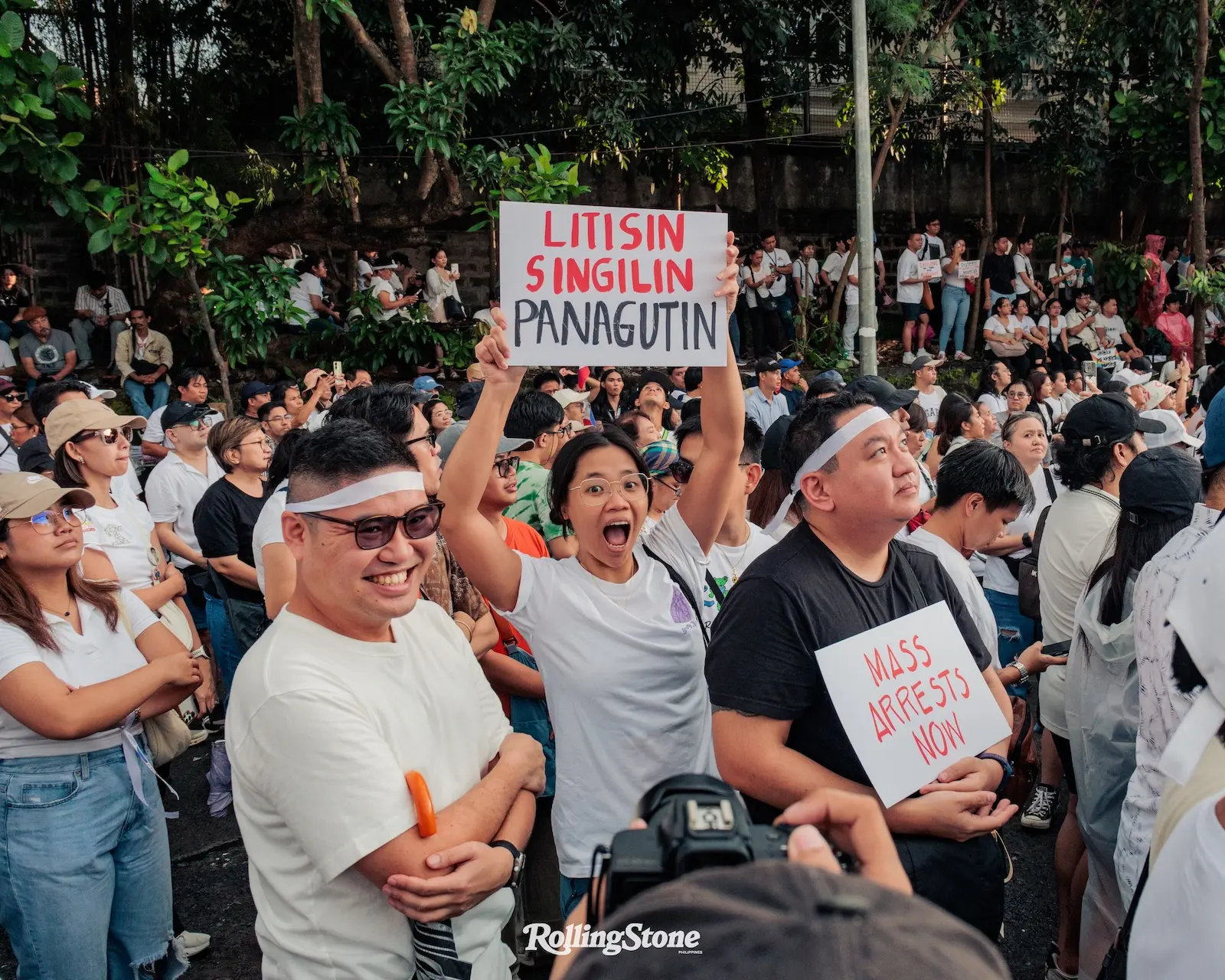
Meanwhile, Pamatmat had made his way to EDSA for the Trillion Peso March, where he was expecting to see protesters fill the highway as they had in the earlier rallies. “It just felt so much smaller than what was there noong September,” he says.
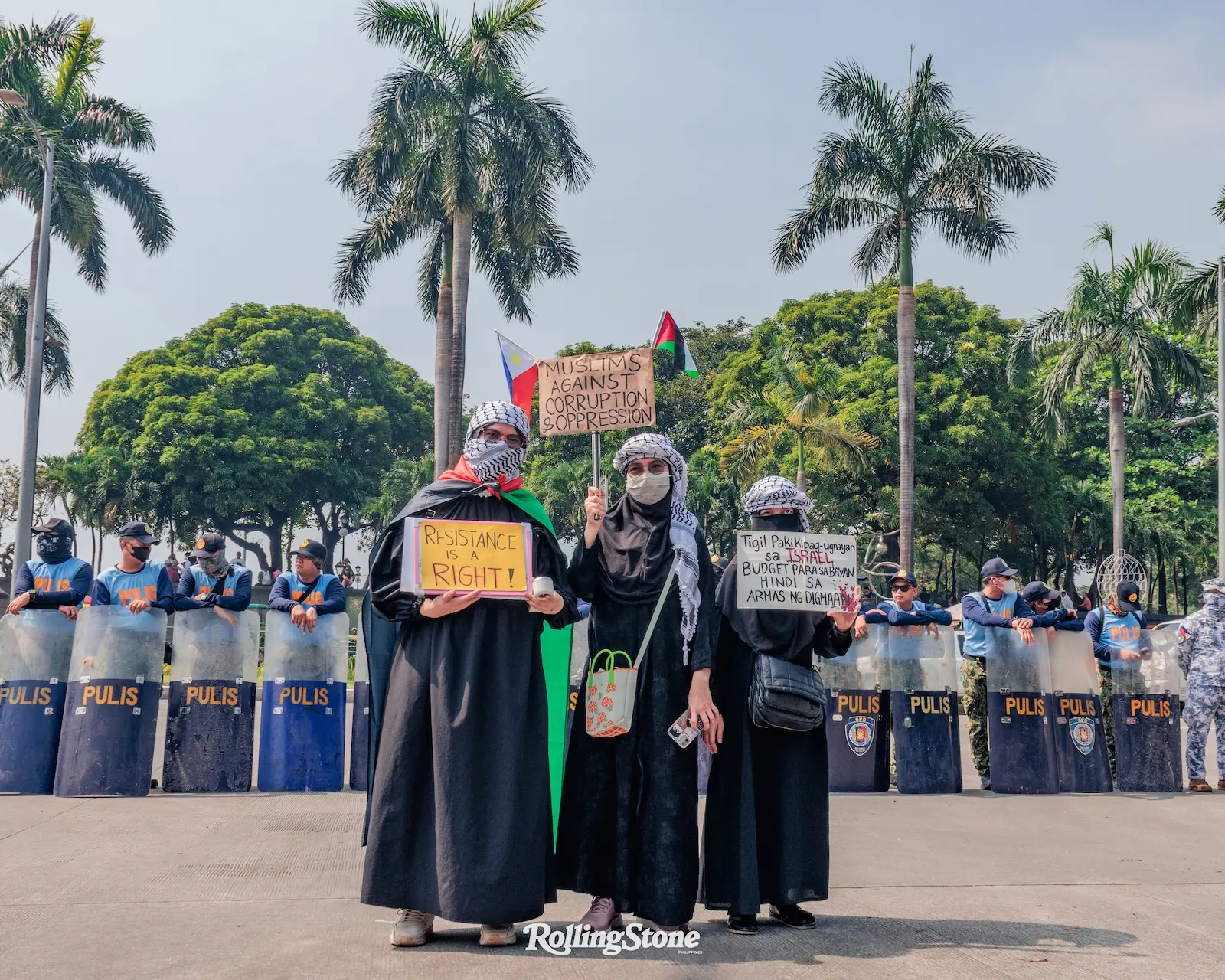
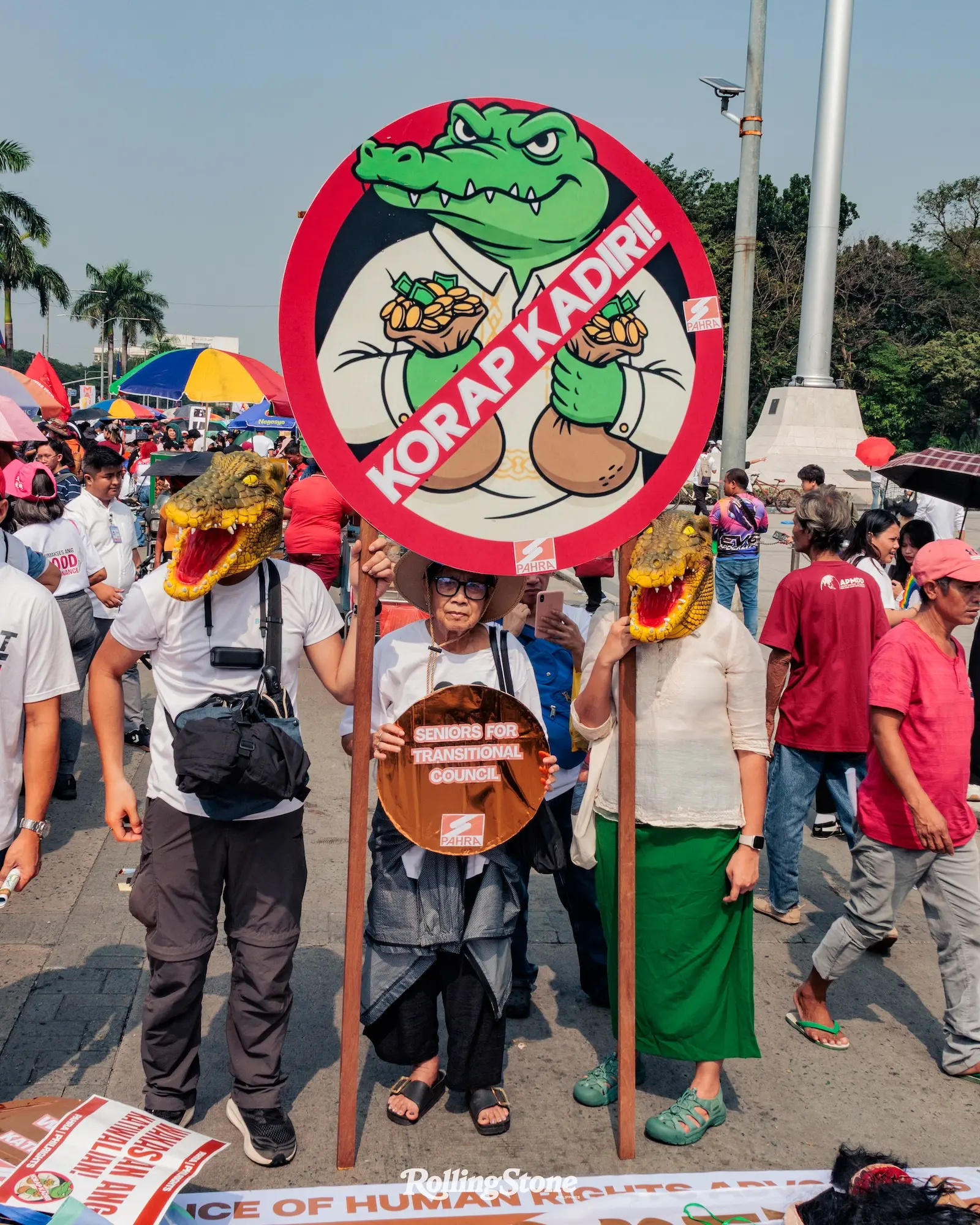
Trillion Peso March organizer Kiko Aquino Dee said that 30,000 to 55,000 individuals came and went, though the Philippine National Police estimated the crowd gathered along White Plains Avenue to be at 5,000.
“A lot of them were just kind of paying attention to the program, the people speaking, the performances. It did feel a little bit kinder, a little bit softer,” Pamatmat said.
“I guess, maybe, for a different section of society, that might be a good thing, because I know that anger isn’t always going to be an appealing thing to everyone. But I also do acknowledge that the heightened emotion, the heightened stress, and the level of discussion that you had in Luneta, that’s the kind of impact that you want to create.”
At EDSA, Pamatmat came across a couple of men he’d also met at Luneta earlier. “The two of them have been protesting since the ‘80s, and this is something that they’ve been doing for such a long time. 40 years later, they’re still protesting the same thing.”
When asked how he’d sum up the energy of the anti-corruption protests, he said, “I think tired nga is a pretty good way to describe it, but also kind of like tired in two ways. Luneta, tired in a way that people are just continually frustrated.”

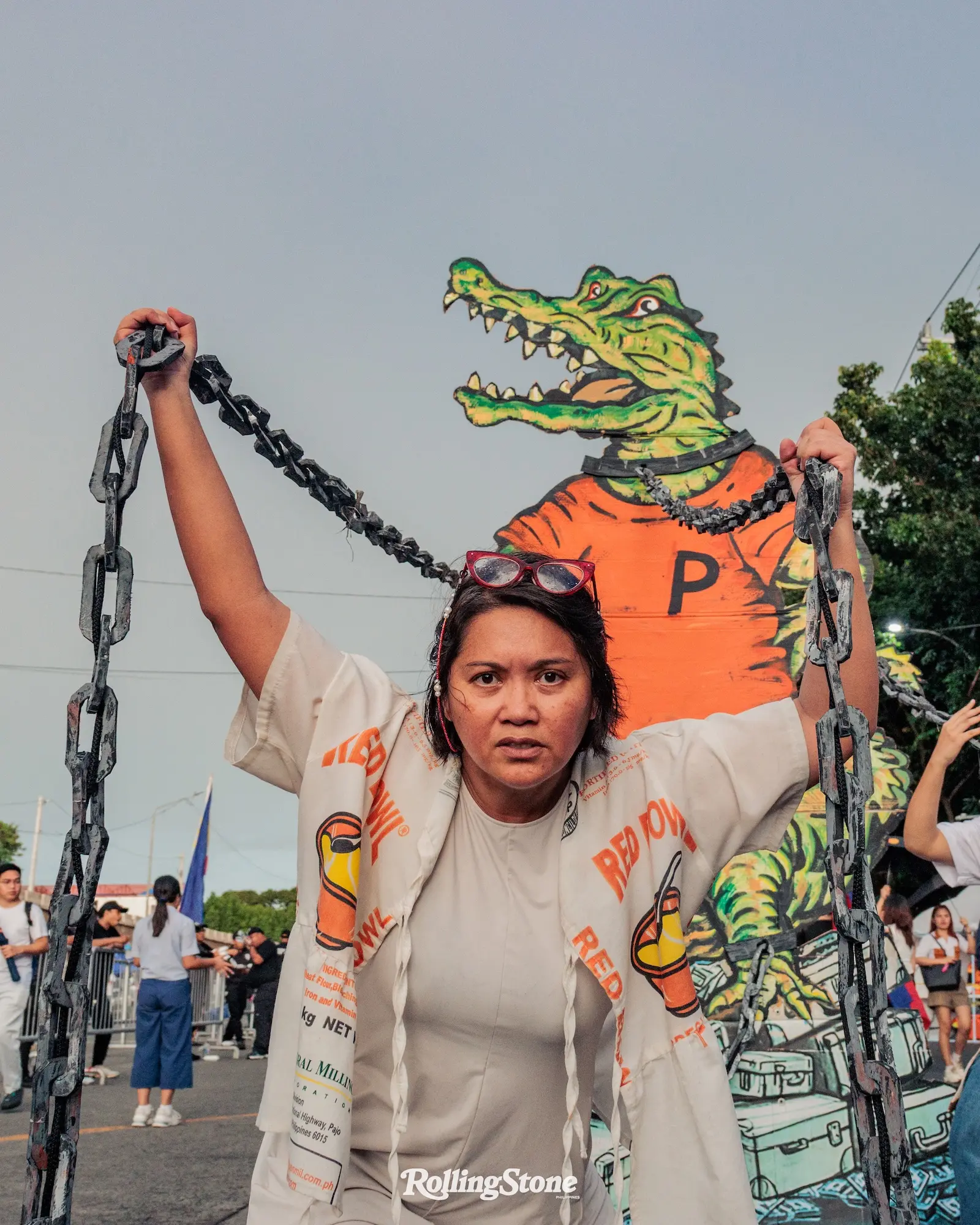
“[In EDSA], maybe a little bit more just going through the motions of it. Like ‘We’ll keep this up, we’ll keep it going, we’ll try to have fun in the process, but we’re just tired. And I don’t know how much energy we have left to keep this up.’”
But, reflecting on the two protesters he met, Pamatmat believes “the energy is still there.”
“It can wax and wane, but it can’t be quenched, and I think that’s all we need to actually start making progress,” he said.
Recommended Video