

It’s been almost 10 years since photojournalist Raffy Lerma took “Pieta,” a photograph of a woman cradling the body of her boyfriend, Michael Siaron. The 30-year-old pedicab driver and alleged “drug pusher” was killed by unidentified assailants in one of several extrajudicial killings (EJKs) a mere month after Rodrigo Duterte was inaugurated as president.
The photo, taken in July 2016 and originally published on the front page of the Philippine Daily Inquirer with the original title “Lamentation,” became symbolic of Duterte’s war on drugs and won Lerma an award for the best news photograph from the Society of Publishers in Asia in 2017. But the photographer tells Rolling Stone Philippines, “No award is greater than justice.”
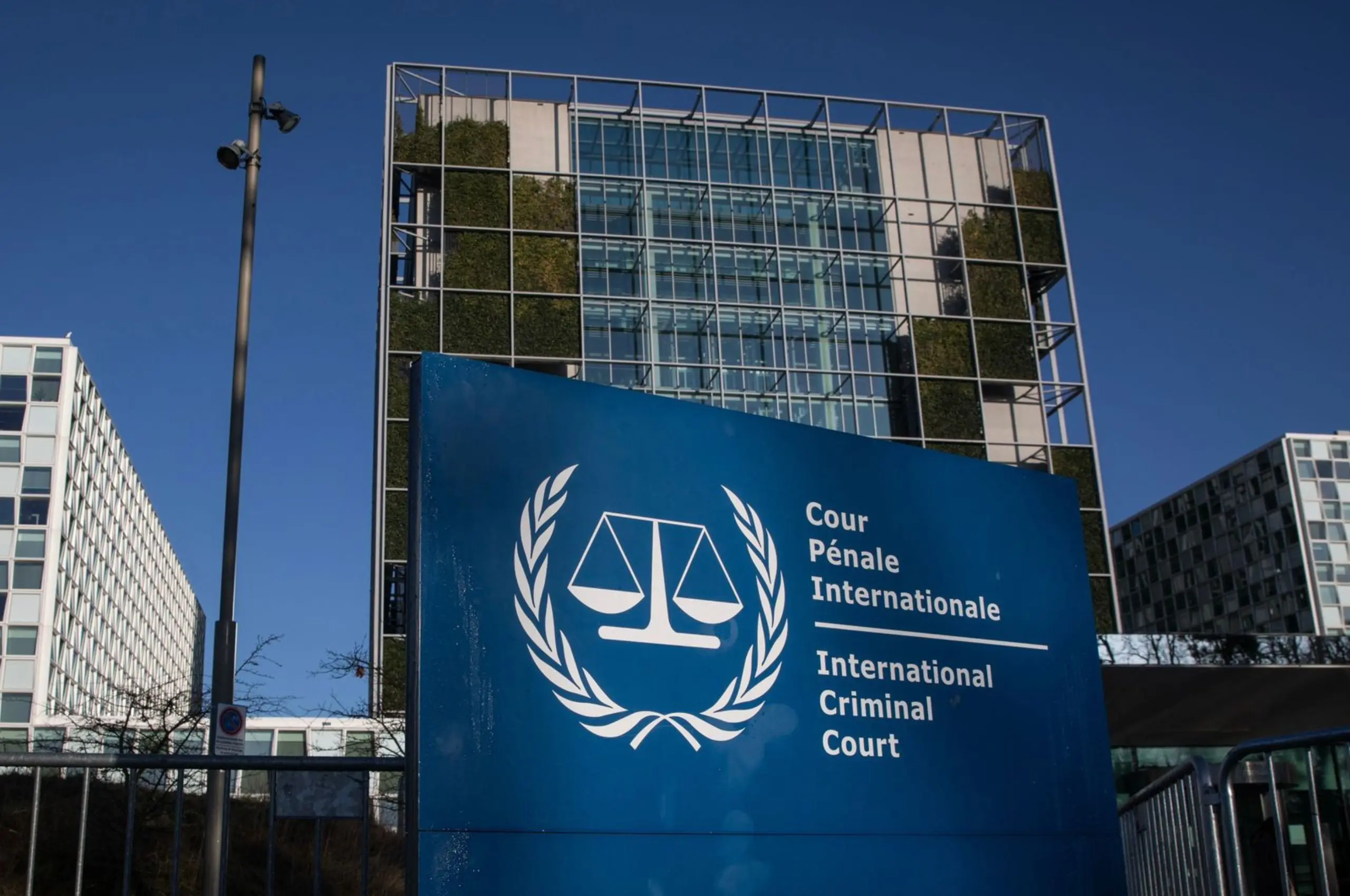
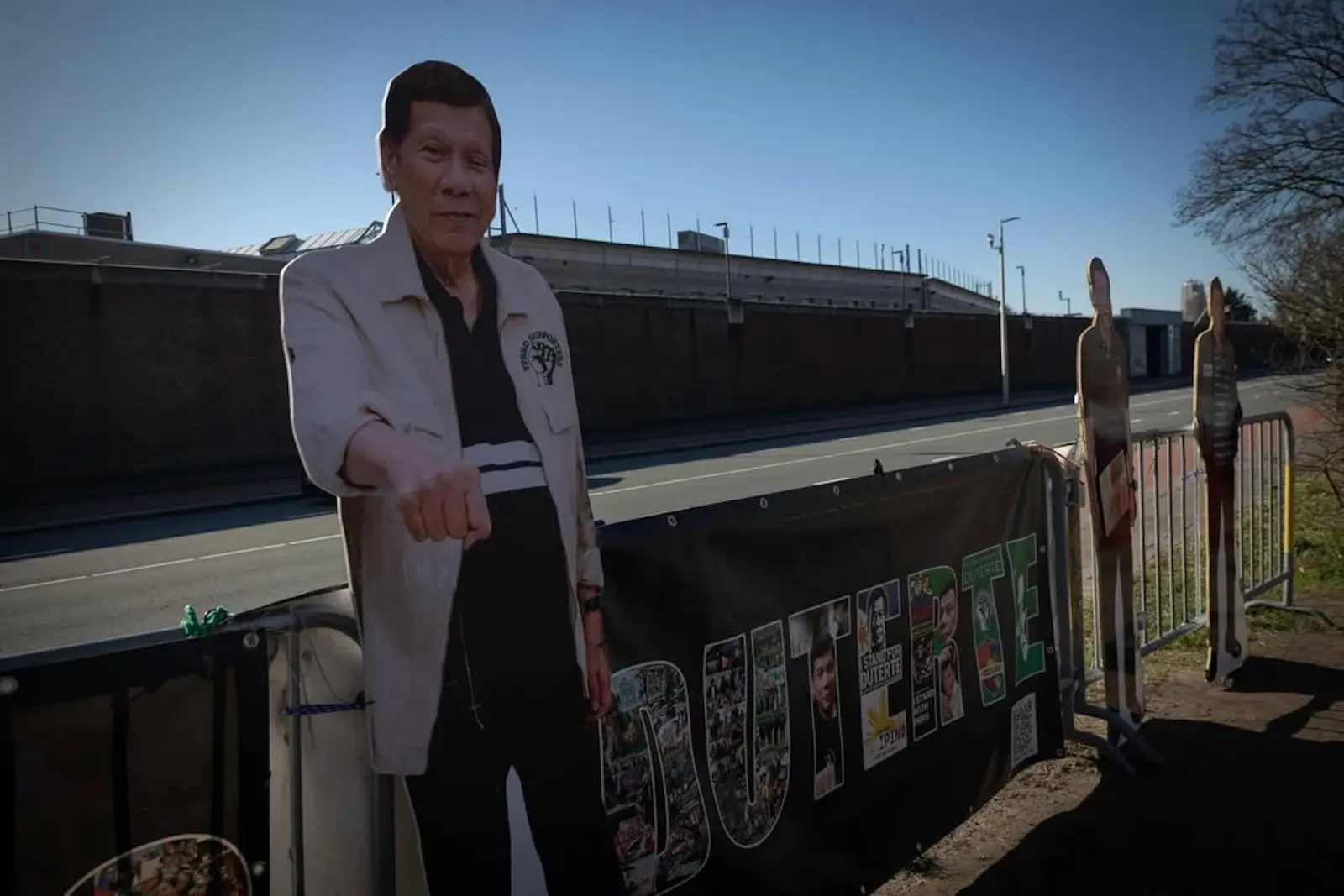
Lerma had just returned from The Hague, Netherlands, where his photo exhibit Pananagutan is on display. He did not intend to cover Duterte’s confirmation of charges hearing at the International Criminal Court (ICC), but decided to secure a media accreditation badge to observe the proceedings when he arrived.
“When you enter the ICC, medyo surreal to see this institution [that] feels secure,” he says. “Parang kasi, ‘pag sa courtroom dito, ‘yong process ng justice sa Philippines, there are different standards e.”
“They cannot deny I saw these killings, these crimes. I saw it with my own eyes, and I have the photographs to prove it.”
Lerma adds that watching the hearings made him emotional. “Hindi naman nakakataba ng puso e, pero parang you’re reaping the fruits of your labor, the sacrifices, despite the odds. It took a long time,” he says.
Asked if he expected Duterte’s case to reach the pre-trial stage, Lerma says, “Naniwala akong maa-arrest siya. [Pero] hanggang doon lang imagination ko. I didn’t think any form of justice would happen in the Philippines. Because it took how many years? He appeared in hearings sa Senate, pero walang case na na-file.”
Duterte was notably absent from the four-day proceedings, which Lerma says contradicts the strongman image the former president had cultivated over his political career. “He said sasampalin niya ‘yong ICC, all this cursing. But this is the time to show kung ano ka talaga. And I hope people see that. ‘Yong mga families [ng mga biktima] nga pumunta e. And they’re willing to face Duterte, or kung sinuman ang responsible sa patayan na ‘to. Sabi niya, he will take responsibility. Why can’t he face them [now]?”
After ‘Pieta’
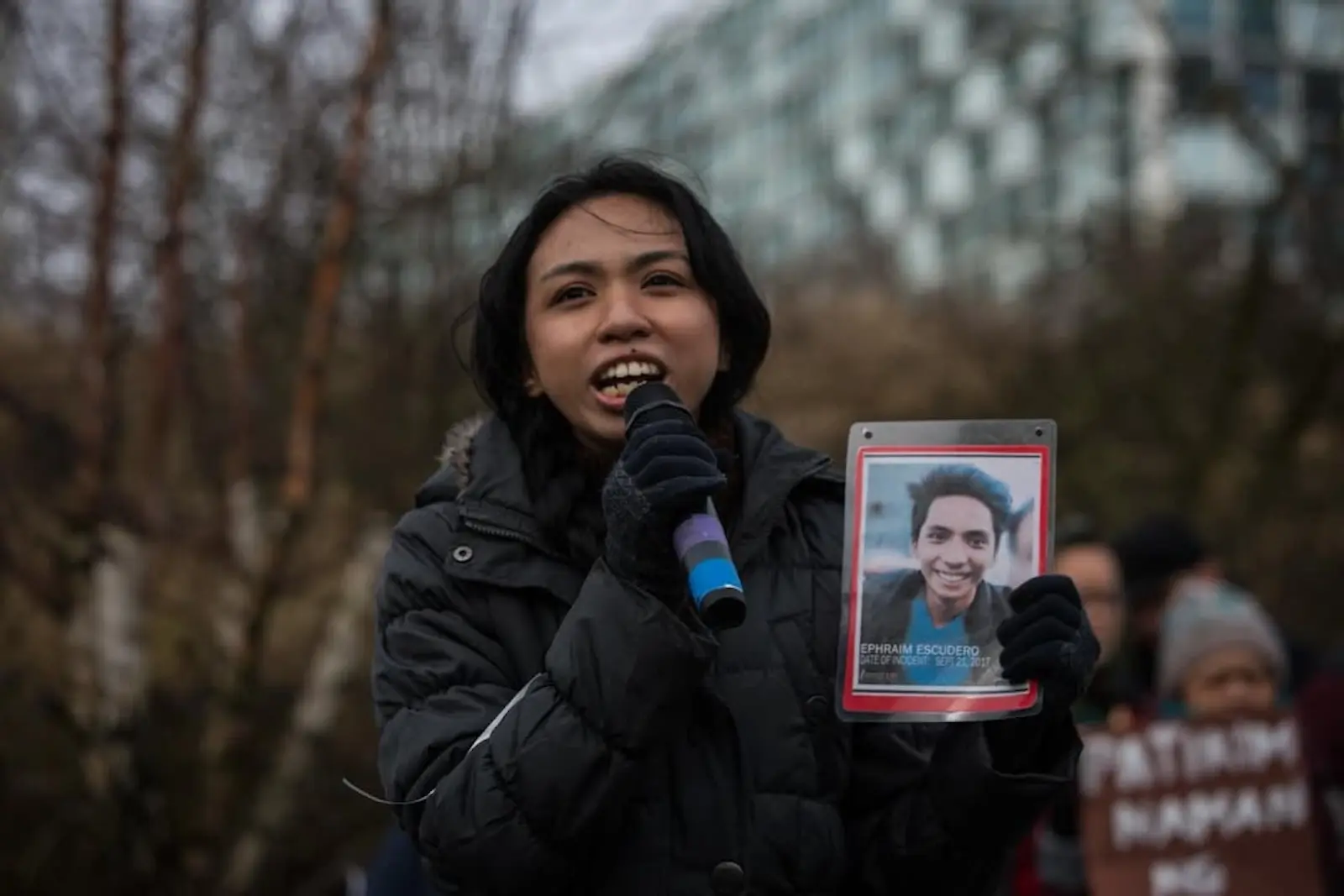
One moment that struck the photographer during the hearings was when the prosecution’s presentation deck flashed a photograph similar to the “Pieta,” as he had contacted Siaron’s family before he flew out to the Netherlands.
“Sabi ko sa kanila, dala ko ang alaala ni Michael at ng libu-libong Pilipinong pinatay sa gyera kontra droga,” Lerma says. “Matagal bago sila nagreply, but I messaged that to them, not knowing na maso-show ‘yong photograph, not knowing na umabot ‘yong kwento ni Michael sa ICC.”
After Siaron was killed in 2016, Lerma had managed to stay in touch with the victim’s family and Jennilyn Olayres, Siaron’s girlfriend and the woman in the photo, despite initial feelings that he had hurt them.
“When I took that photograph, I had this guilty feeling, but it was the work we had to do,” he tells me. He recounted attempting to attend Siaron’s wake, during which the family turned reporters and journalists away. “I saw a copy of the newspaper [with ‘Pieta’] sa funeral place. I grabbed the newspaper and showed it. ‘Yon pala, ‘yong kausap ko, ‘yong tatay [ni Siaron]. Sinabi niya sa akin, ‘Matagal na kitang hinihintay.’”
When I asked Lerma why it was so important for him to stay in touch with Siaron’s family, he said, “Naging parte na rin ako ng buhay nila, I guess. It’s also a journey with them. Naging kaibigan ko sila.”
For Lerma, there’s a closeness he feels with the families of drug war victims from being at the crime scenes. “I’ve seen them at their worst, ‘yong time na namatayan sila ng mahal nila sa buhay […] Grabe ‘yong pain [nila], the healing process they’re going through. Nakakasira ng ulo when I saw the bodies being exhumed and re-examined by [forensic pathologist] Dr. Raquel Fortun. I saw them in that state, how they were killed, the bones, ‘yong mga sabog na skulls, ‘yong mga wounds nila.”
Quest for Truth
“It’s also always this quest for the truth, ‘yong work ni Dr. Fortun, ‘yong kwento ng mga families,” Lerma says. He considers his work part of that quest, especially in challenging narratives from the Duterte administration and the police, who often claimed that the victims “fought back.”
The photojournalist recalled dealing with harassment from Duterte’s supporters on social media at the height of the drug war. “Nagpo-post din kasi kami, and there was a time before na grabe ‘yong mga attacks. But there came a point na the more they attack, the more you know effective pala [‘yong work namin] because it gets to them. And sometimes, hinahanap mo ‘yon.”
Over the years, Lerma has learned not to address every comment on social media. “Mas importante sa akin na I continue doing the work,” he says. “They cannot deny I saw these killings, these crimes. I saw it with my own eyes, and I have the photographs to prove it.”
Frequently Asked Questions
“Pieta” (originally published as “Lamentation” in the Philippine Daily Inquirer in July 2016) is a photograph by Raffy Lerma depicting Jennilyn Olayres cradling the body of her slain partner, Michael Siaron, an extrajudicial killing victim during former President Rodrigo Duterte’s war on drugs.
Raffy Lerma traveled to The Hague, Netherlands, for his photo exhibit Pananagutan and secured media accreditation to observe the ICC pre-trial confirmation of charges hearings involving former President Rodrigo Duterte.
No, Rodrigo Duterte was notably absent from the four-day pre-trial proceedings at the International Criminal Court in The Hague.
Raffy Lerma documented the exhumation and forensic re-examination work led by Filipino forensic pathologist Dr. Raquel Fortun as part of ongoing efforts to establish factual evidence regarding extrajudicial killings.
Raffy Lerma was awarded the Best News Photograph by the Society of Publishers in Asia (SOPA) in 2017 for his photograph.
Recommended Video