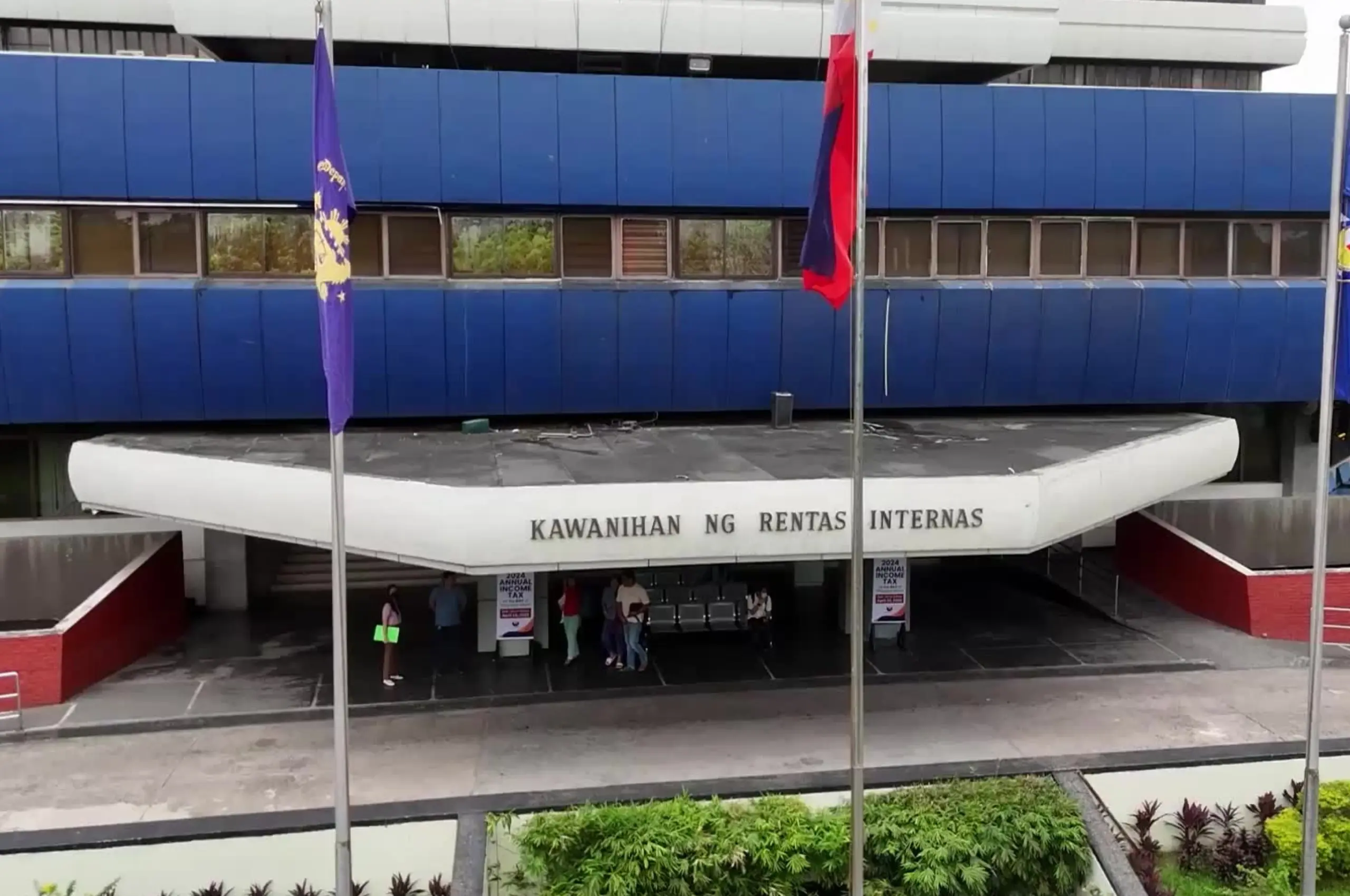


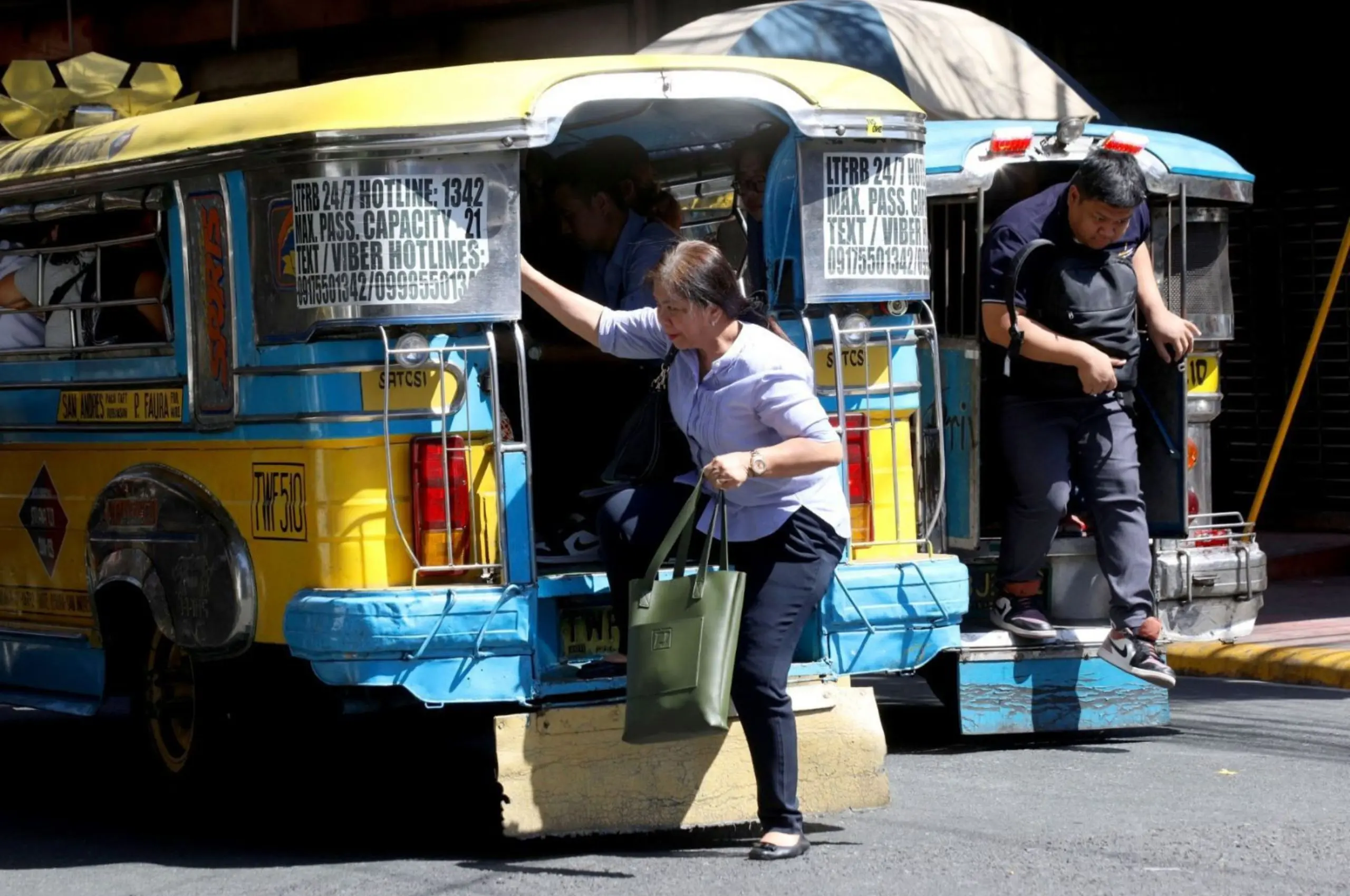
Fuel costs continue to rise in the Philippines, with diesel prices having exceeded P100 at many gas stations across the country. President Ferdinand “Bongbong” Marcos Jr. has temporarily suspended the transport fare hike slated for mid-March, providing relief for commuters using public transportation. But with the oil price hike and a nationwide transport strike, it may be time for Filipinos to work from home again.
On March 19, several schools, colleges, and universities shifted to online classes due to the strike. Meanwhile, workers and the Department of Labor and Employment (DOLE) are seeking a return to hybrid and remote work arrangements.
Earlier that week, the DOLE suggested that private employers allow their employees to work from home or adopt a four-day workweek to help workers and ease operational costs. Some government offices have already implemented four-day workweek schemes amid rising fuel costs, distributing the required 40 hours of work across four days instead of five. Cavite First District Representative Jolo Revilla, who chairs the House Committee on Labor and Employment, also urged the private sector to shift to more flexible work setups.
The BPO Industry Employees Network (BIEN Pilipinas), a group of employees in business process outsourcing, also called for expanded remote work arrangements. In a statement, BIEN Pilipinas said, “As fuel prices rise, the effects quickly spread across the economy through higher transport fares, food prices, electricity costs, and other basic goods. […] Allowing employees to work from home is the fastest and most practical way to shield workers from the rising cost of daily commuting.”
According to Inquirer, the Federation of Free Workers (FFW) also said that it would support adjusted working arrangements provided that they are “worker-centered,” with employers paying workers in full.
Meanwhile, on March 29, Senator Erwin Tulfo also suggested that private companies should consider work-from-home schemes to help save energy. “If a worker’s physical presence or activity is not required at the workplace, why not just have them report online? For instance, those in office roles like planning, research, admin, customer service, and other similar jobs can work from home,” he said.
This story was updated on March 30, 2026, 1:22 p.m.
Frequently Asked Questions
Rising diesel and oil prices, exceeding P100 per liter at many gas stations, combined with a nationwide transport strike, have prompted DOLE, BPO groups, and lawmakers to push private employers toward remote or hybrid work to ease commuting costs for employees.
The Department of Labor and Employment suggested private employers allow work-from-home arrangements or adopt a four-day workweek, distributing the standard 40 work hours across four days instead of five to reduce commuting costs.
On March 29, Senator Erwin Tulfo suggested private companies adopt work-from-home schemes for roles not requiring physical presence, citing jobs like planning, research, admin, and customer service as suitable for remote work amid rising energy costs.
The BPO Industry Employees Network (BIEN Pilipinas) called for expanded remote work arrangements, arguing that rising fuel prices increase transport fares, food costs, and electricity bills, making work-from-home the fastest way to shield workers from commuting expenses.
Yes. President Ferdinand “Bongbong” Marcos Jr. temporarily suspended the transport fare hike originally slated for mid-March, providing relief for commuters using public transportation amid the broader oil price hike and transport strike.
Recommended Video