

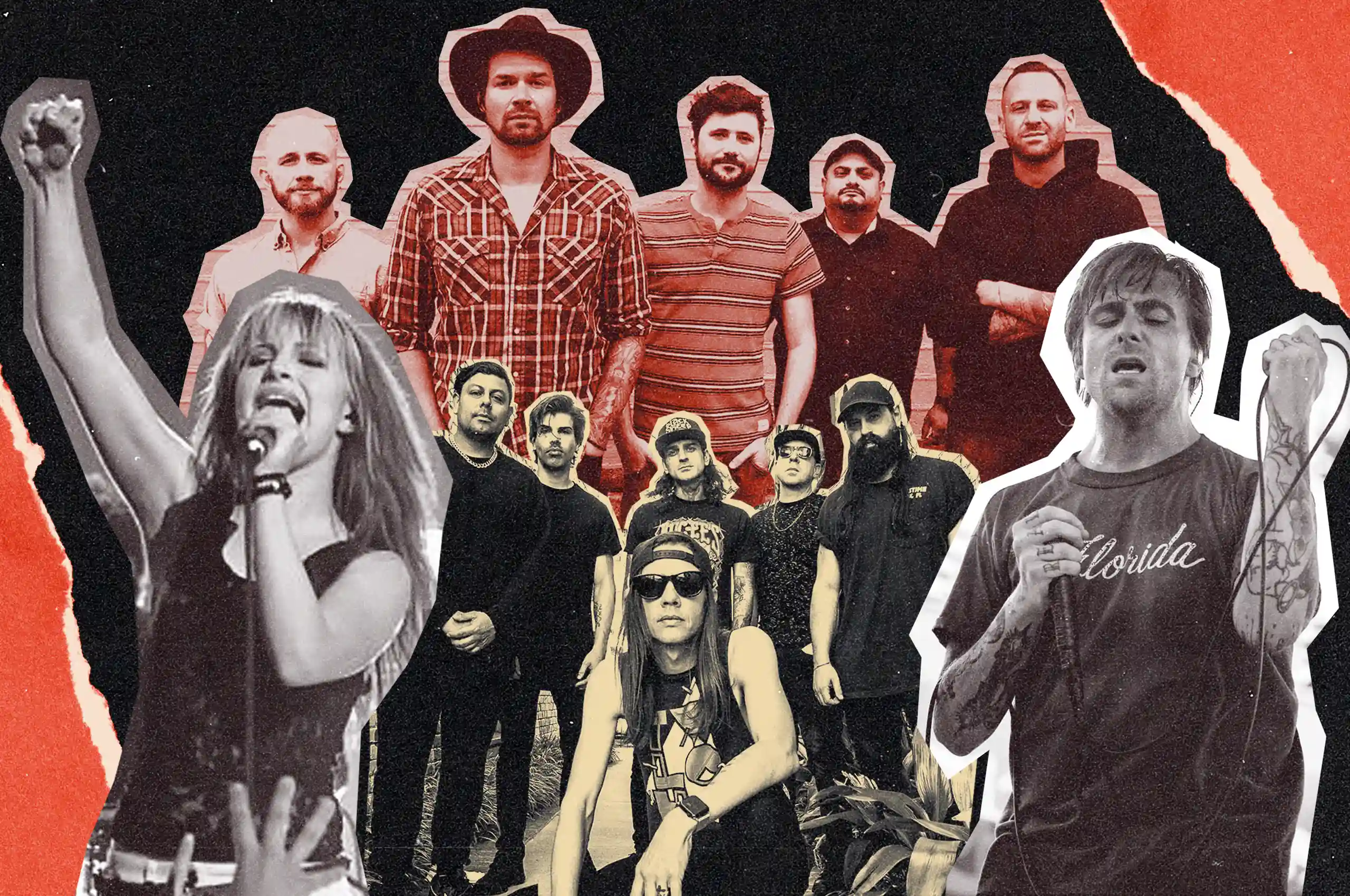
The Philippine concert scene is currently facing its own Mall Emo-chella for an entire week. With bands like post-hardcore legends Saosin recently visiting Cebu, granddaddies of the Midwest emo revival Algernon Cadwallader channeling Philadelphia basement show energy at Mow’s Bar in Quezon City, and Hawthorne Heights showing that Manila is the new Ohio is for lovers at Skydome in SM North EDSA all in the same evening, the magic of ‘mall emo’ remains a symptom of repressed feelings, too many nights watching MTV, and a combination of raw, diary-entry angst with high-production popPopShort for popular music, a broad genre built on catchy melodies, clear hooks, and polished production that aims to reach a wide audience. Pop constantly borrows from other styles, andGo to Pop Glossary hooks that became the soundtrack for a generation of teenagers.
The term ‘mall emo’ or emo pop derives from popPopShort for popular music, a broad genre built on catchy melodies, clear hooks, and polished production that aims to reach a wide audience. Pop constantly borrows from other styles, andGo to Pop Glossary-oriented songwriting, cleaner production, and features more radio-friendly hooks and general accessibility in the 2000s compared to other styles of emo that came to prominence in the North American DIY scene in the late 90s. The spirit of emo pop still resonates strongly with a generation that has long since passed it, while another generation is still learning to be emotional by discovering these songs. Here are five of some of the essential emo pop songs you need to know.
Taking Back Sunday, ‘MakeDamnSure’
There’s a reason Taking Back Sunday’s “MakeDamnSure” became one of the defining popular emo songs of the 2000s: it validated the slanted bangs and flannel polos aesthetic of its time. Vocalist Adam Lazzara’s microphone-swinging personality reached tenfold in masteringMasteringThe final stage of music production, in which a finished mix is polished so that it sounds balanced and consistent on every kind of speaker and platform. A good masterGo to Mastering Glossary the art of whiny singing. The song practically spits every line like he’s cornering someone in a parking lot after midnight while the guitars swing wildly in all their glorious riffage. That push-and-pull made Taking Back Sunday stand out from the cleaner mall emo bands of the era. If they made a big splash with “Cute Without the E,” they made an even bigger one with this single in particular. Even the famous “I just wanna break you down so badly / Well, I trip over everything you say” line still fits the kind of dramatic desperation that made teenagers replay this song on burned CDs for years.
Saosin, ‘Seven Years’
There’s no countdown when you play Saosin’s “Seven Years.” The song jumps right into the drum rolls, feeling like getting thrown headfirst into a wall of guitars and emotive vocals at the same time. The moment former vocalist Anthony Green opens the track with “Taking on seven years,” the song immediately sounds larger than life. Saosin separated themselves from other post-hardcore bands because they would rather cut through the chase and have you remember every lyric, word for word. Every part of “Seven Years” bleeds with yearning. It became a gateway song for kids discovering heavier music, especially after the track appeared on their 2003 debut EPEPShort for extended play, a release longer than a single but shorter than a full album, usually three to six songs. EPs let emerging artists introduce their sound without aGo to EP Glossary, Translating the Name.
Red Jumpsuit Apparatus, ‘Face Down’
A lot of popular emo songs at the time were vague about heartbreak and anger, often depicting a faceless figure ranting at a wall with no specificity, making the relatability feel less intentional. But Red Jumpsuit Apparatus‘ “Face Down” was another thing emo kids were willing to rip off after hearing it at an American Boulevard branch. Ronnie Winter wrote the song about domestic abuse, and that honesty is what made it hit harder than most radio rockRockA guitar-driven genre that grew from rhythm and blues in the 1950s and splintered into countless styles, from punk and metal to alternative. With a long history of rebellion andGo to Rock Glossary songs from the time. Musically, it had everything mid-2000s emo fans wanted: calmer verses, explosive choruses, and enough theatricality — a specific element emo pop had that purer forms of emo didn’t — to make it feel massive on MTV. Underneath all of that, though, was a song genuinely furious at somebody hurting another person. That gave “Face Down” staying power beyond the scene itself, even as fans joked that the band were technically “honorary Filipinos” for how often they’ve played in the Philippines.
Dashboard Confessional, ‘Vindicated’
Dashboard Confessional’s Chris Carrabba spent his entire career sounding painfully exposed, and “Vindicated” might be the clearest example in his catalog. Tied forever to the Spider-Man 2 soundtrackSoundtrackThe music that accompanies a film, series, or game, including original scores and licensed songs. A good soundtrack sets the mood and can become a hit on its own, turningGo to Soundtrack Glossary, the song captured the feeling of somebody trying to justify every decision. Maybe Peter Parker just needed a reason to be more responsible for his emo thoughts. That emotional spiral then leads to Carrabba’s voice cracking, straining, and practically unraveling throughout the track, which made Dashboard Confessional stand out in an era when vulnerability started becoming a genre in itself.
Paramore, ‘Decode’
The breakout single “Decode” turned Paramore from scene favorites into a household name in the mansion of mall emo. The song was part of the soundtrackSoundtrackThe music that accompanies a film, series, or game, including original scores and licensed songs. A good soundtrack sets the mood and can become a hit on its own, turningGo to Soundtrack Glossary for the first Twilight film, released in 2008. Hayley Williams and company used “Decode” to hone the darker side of their sound. The guitars garner a colder tone compared to their material at the time, while Williams outperforms her contemporaries with a soaring vocal performance. It proved Paramore could come from their humble beginnings in Warped Tour pop punk and skyrocket directly to much bigger stages.
Frequently Asked Questions
Mall emo refers to a 2000s emo pop subgenre featuring clean studio production, pop-oriented hooks, and mainstream radio accessibility compared to late-1990s North American DIY emo.
Emo pop gained massive popularity among 2000s Filipino youth through MTV broadcasts, local concerts, and relatable themes of raw emotional angst, heartbreak, and teenage isolation.
Emo pop emphasizes structured melodies, accessible pop hooks, and polished production, whereas classic 1990s emo relied on unpolished DIY aesthetics, aggressive post-hardcore riffs, and underground distribution.
Paramore achieved widespread mainstream prominence with “Decode,” a dark, soaring rock anthem featured on the official 2008 Twilight film soundtrack.
Red Jumpsuit Apparatus’ “Face Down” stood out by tackling domestic abuse directly, combining theatrical 2000s rock chorus arrangements with explicit social commentary against violence.
Recommended Video