

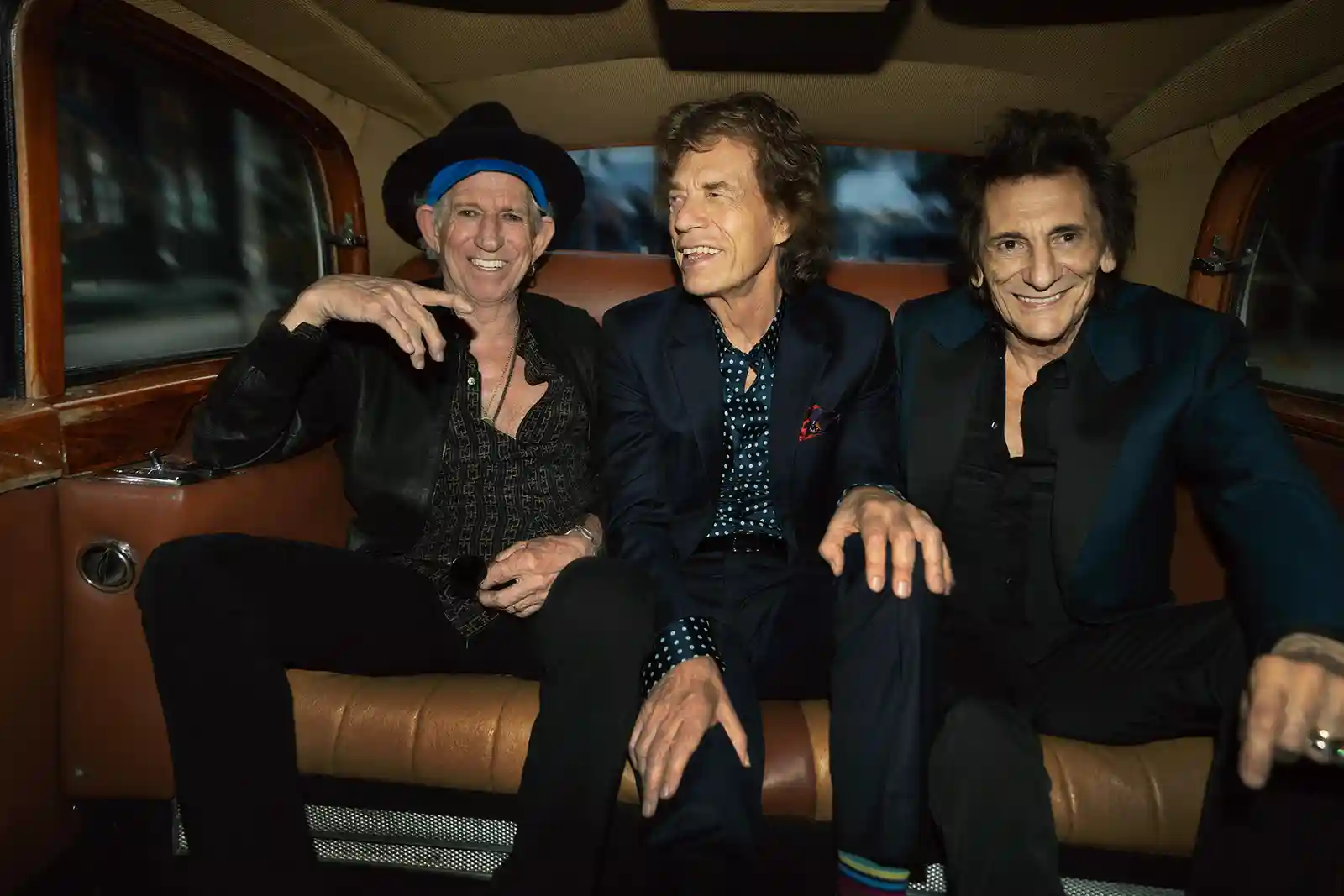
Only three years after their Grammy Award-winning album Hackney Diamonds, the Rolling Stones are releasing their 14-track follow-up Foreign Tongues on July 10.
Hackney Diamonds saw the Stones return after 18 years without releasing new original material, leaning into their aggressive sonic instincts. Foreign Tongues, however, finds Mick Jagger, Keith Richards and Ronnie Wood traverse a much wider gamut of musical influences, including disco, country, ballads, and, most importantly, blues — a genre that Jagger owes much of the band’s success to, cutting their teeth in the early ‘60s covering blues artists like Howlin’ Wolf, Muddy Waters, and Jimmy Reed, among others.
Indeed, there’s a blues swagger that undercuts much of Foreign Tongues, an infectious groove and chemistry that only six decades of sticking around can teach you. Yet, there’s an immediacy to the music that also makes it poignant today — whether it’s the subtle shade on Elon Musk in the punkish “Mr Charm” or their updated cover of Amy Winehouse’s “You Know I’m No Good” with Jagger performing harmonica instead of the song’s iconic horns. The album, produced by Andrew Watt, even has an appearance from Charlie Watts, the Stones’ original drummer, in the track “Hit Me In The Head” before his passing in 2021.
Other star-studded guest artists in Foreign Tongues include Paul McCartney playing funky bass in “Covered In You,” The Cure’s Robert Smith on guitar in “Divine Intervention,” and Red Hot Chili Peppers drummer Chad Smith covering Chuck Berry’s “Beautiful Delilah.” Even Bruno Mars plays the cowbell in “Never Wanna Lose You”!
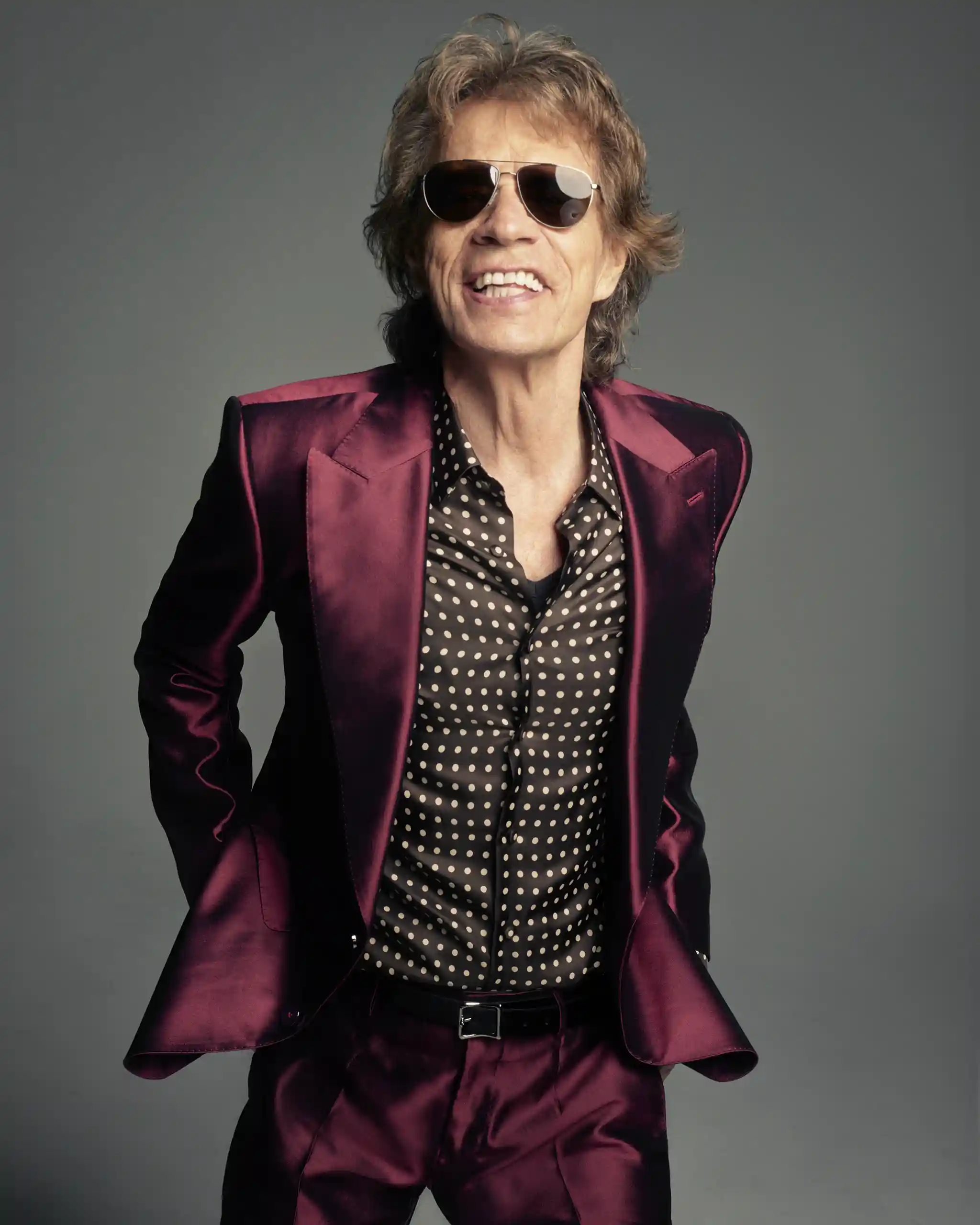
The Rolling Stones frontman Jagger spoke with Rolling Stone Philippines on what genres of music are on his current rotation, his approach to songwriting, and why, at age 82, he isn’t fazed by the once idealized version of himself.
This interview has been edited for clarity.
Could you describe a moment recording Foreign Tongues in the studio where everyone might have had a strong opinion on how to do a certain thing, and how did you guys overcome that?
I can’t really remember any disagreement on any of these tracks, really. The way we set it up to the way of working was that we don’t have time for any disagreements. Just do the song. And if you don’t like it after the whole session is over in four weeks, you can say so. But you’re not allowed to say you don’t like it before you do it, because you don’t know it. You don’t know what it’s like, so just try it. Just play it. People don’t like things because they can’t find something of their own to play, because maybe they don’t know the song well enough [to be] bemused by it. But then you have the opportunity to overdub afterwards. So after the live sessions are finished, you spend a long time doing overdub to create other things that you haven’t had before.
All these songs came together in a very amicable kind of way, and nobody really thought, “I don’t know what to do.” I think it was easy because we had the experience of doing Hackney Diamonds in this way. We did this album, we [took] a similar approach. So everyone knew what to expect. It was difficult when we did Hackney Diamonds because nobody knew what to expect. But [now] we had a way of working that made it easy.
There are studies about how musical taste is sort of formed in your teens and twenties and that many people stop listening to new music at age 30. I don’t think that’s true for you because you’ve been in the business for six decades and you’re exposed to a lot of music. But I ask this because the album very much works around the Stones’ signature taste in music. Did you challenge that in this album?
I mean, I have all kinds of taste in music, not only popPopShort for popular music, a broad genre built on catchy melodies, clear hooks, and polished production that aims to reach a wide audience. Pop constantly borrows from other styles, andGo to Pop Glossary music. I’m a big fan of Latin music. So I listen to a lot of Brazilian music, Cuban music, Mexican music, and I don’t really speak Spanish or Portuguese very well.
I think you are influenced by what’s going on. You can’t help it. If you’re aware of what’s going on, you can’t really avoid it. So, I listen to lots of indieIndieShort for independent, describing music, film, or art made outside the major-label or big-studio system. Indie work often gives creators more freedom and a distinct voice, and in the PhilippinesGo to Indie Glossary bands. I don’t listen to old rock music and things like that. I’m not really interested. I’ve heard it all. I’ve taken it all in. I still listen to old blues music and old favorites. But I’ve always really liked what’s going on in pop music. I think I’m really aware of what’s going on.
And how that influences my writing in this album, I have a lot of lighthearted social comments that run through it. There’s quite a lot of people doing that without it being too much because of the times we live in, because it’s very politically, socially, and economically difficult for some people. There’s a lot of that comment in the music, but it’s not treated in the same way as it was, say, 50 years ago.
Sonically, the album is very modern. If you listen to [Foreign Tongues] and then you listen to Exile on Main Street, let’s say, which was 50 years ago or something, it doesn’t sound anything like that. The bass sound is utterly different, the top end is utterly different. It’s much clearer. It’s super, super crisp. That’s what contemporary records sound like. It sounds like a record that was made this year, because it was. It doesn’t sound at all like the ‘70s or ‘80s. I’m not saying the musical styles, but the sound.
In a 1995 Rolling Stone interview, when you were 52, you said that songwriting wasn’t just about experience, but it’s about embroidering it with imagination. And you were talking about this in context to “As Tears Go By,” which you wrote at 21. You said that you were imagining the perspective of an older person looking out the window and seeing children. So, if the Mick Jagger who gave that interview at 52 was looking out a window into your life now, what would he see?
Maybe I’m [still] looking at people much younger than me! [Laughs] You try and avoid being too adolescent in your themes, you know, because it doesn’t really fit. But sometimes it creeps in, you can’t help it.
Like the song “Ringing Hollow” [from the album Foreign Tongues] is a love letter to America. Everything in it is from a personal experience, but not necessarily a personal experience of this year or last year. It could be from 30 years ago. But nevertheless, it’s still an experience you remember and you put it into this song. It’s obviously a current feeling, but you’re using your old experiences. So any kind of writing — whether you’re writing journalism or writing books or writing songs — you use your own experiences and you use your imagination. You have to have imagination today. It’s not only about autobiographical subjects.
Many musicians reach a point in their careers where they have to negotiate with the once idealized versions of themselves. Maybe they’re not as relentless and uncompromising, or they’ve slowed down. Have you had to grapple with this, as someone who’s been making music for six decades?
No, I just do what I do. I think of myself for the process. One of the things I’m well known for is being a performer. I love to do that because I’m an extroverted character. So for me, that’s very easy. But also I’m a writer. I have to write songs that I have to then interpret. So that’s another thing. I realize that that’s what my job is. I don’t find it particularly difficult. Sometimes it’s hard work, but I know what I’m doing because after all this time, I understand how I have to do this. It might be difficult, but I know I’m going to get there in the end. I know that I’m going to do it.
Frequently Asked Questions
Foreign Tongues, the Rolling Stones’ 14-track follow-up to Hackney Diamonds, is set for release on July 10. Produced by Andrew Watt, it moves beyond Hackney Diamonds’ aggressive rock sound into disco, country, ballads, and blues influences.
Guest artists on Foreign Tongues include Paul McCartney on bass in “Covered In You,” The Cure’s Robert Smith on guitar in “Divine Intervention,” Red Hot Chili Peppers’ Chad Smith on a Chuck Berry cover, and Bruno Mars on cowbell in “Never Wanna Lose You.”
Yes. Original Rolling Stones drummer Charlie Watts appears on the track “Hit Me In the Head,” recorded before his death in 2021, marking a rare posthumous appearance on a new Stones release.
Mick Jagger says he listens to Latin music — Brazilian, Cuban, and Mexican — along with indie bands, old blues, and pop. He says he doesn’t listen to older rock music as much, saying he has “heard it all.”
Jagger describes songwriting as a blend of personal experience and imagination rather than strict autobiography, citing “Ringing Hollow” and his earlier song “As Tears Go By”” as examples of using memory filtered through invention.
Recommended Video


Rolling Stone Philippines Voices Issue, Now Available at SariSari Shopping