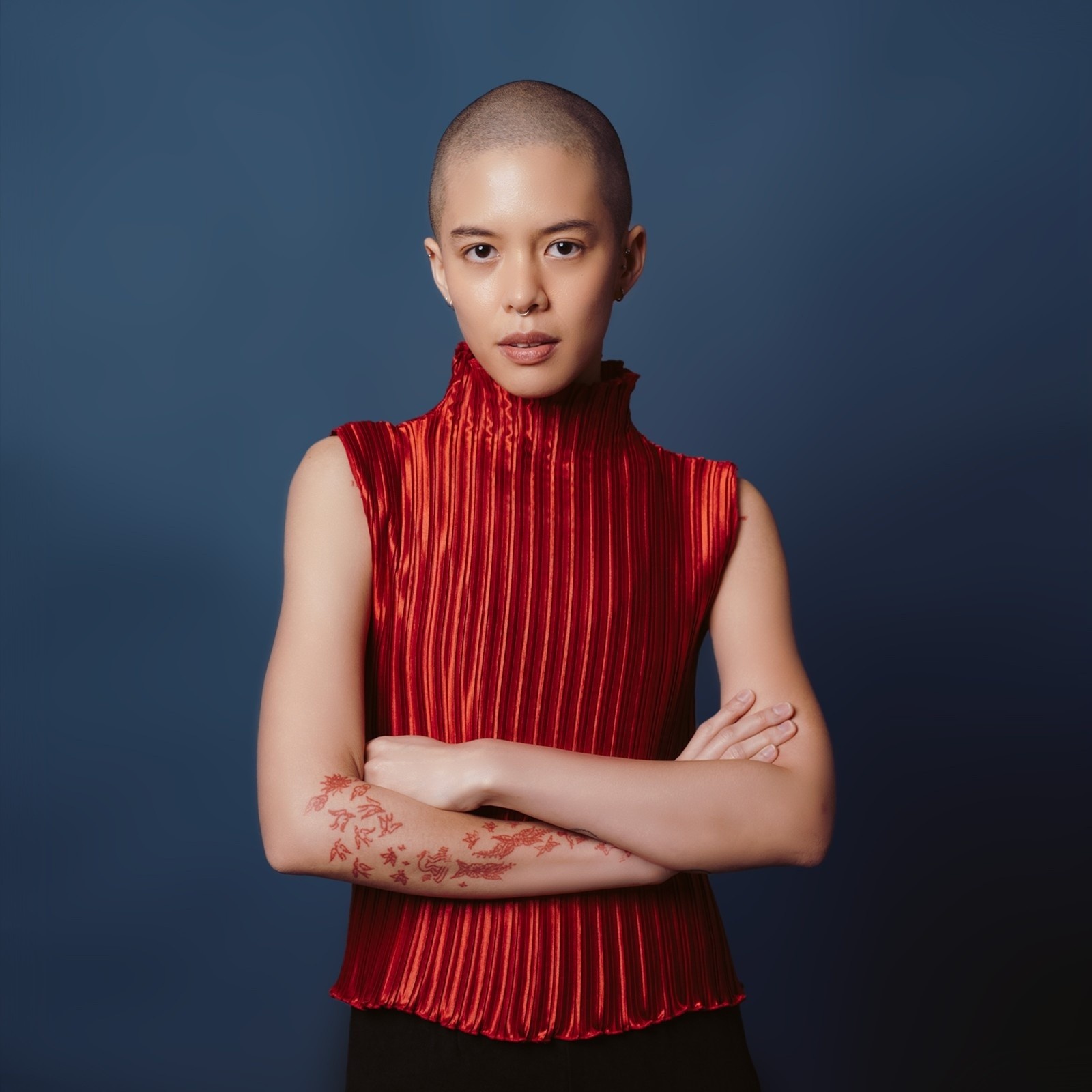


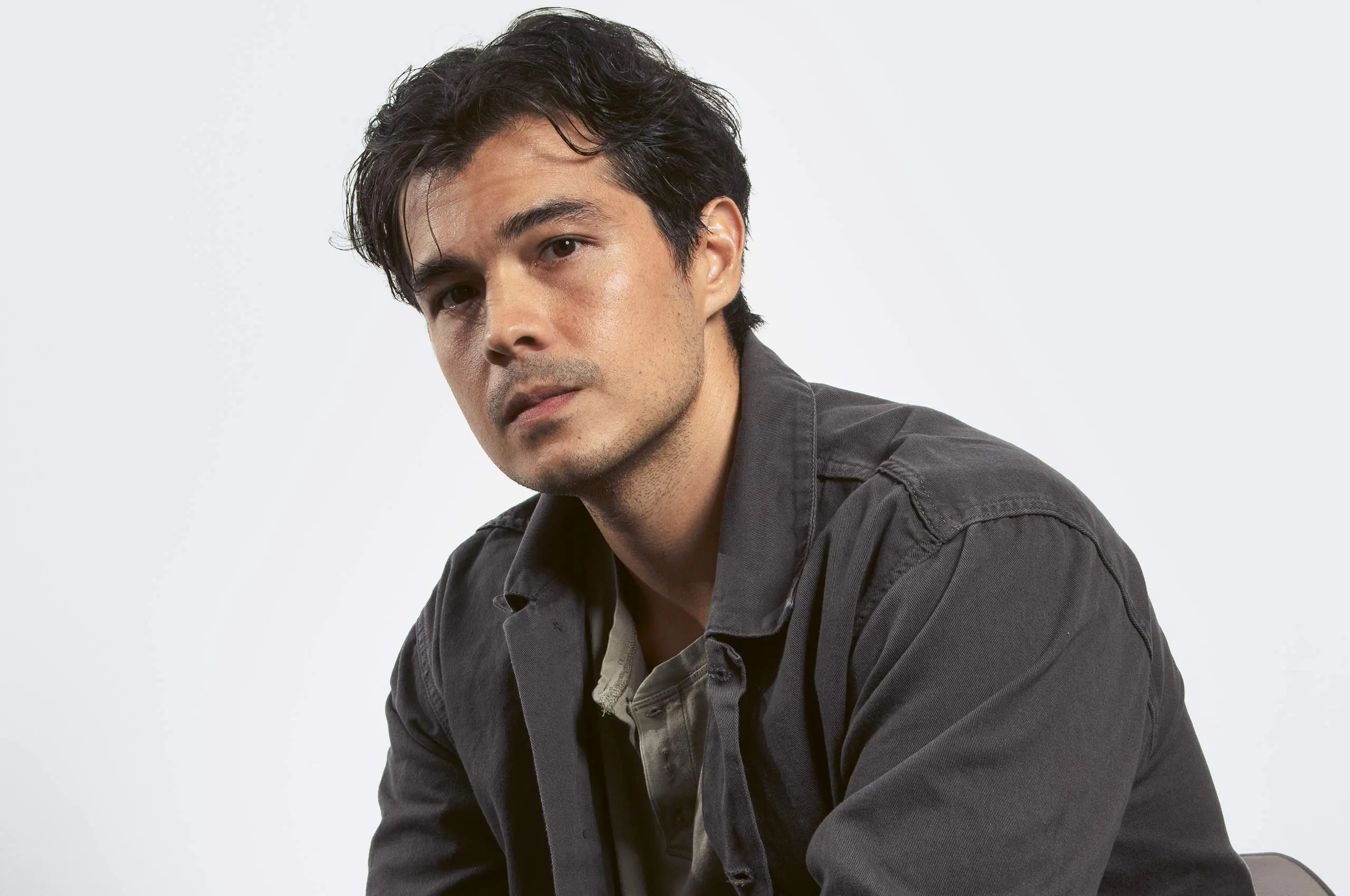
Erwan Heussaff knows that he isn’t the main voice of FEATR anymore. Although the restaurateur-slash-content-creator (or, as he likes to call himself, “a guy who makes videos online”) built his media platform by posting cooking vlogs and recipe explainers, Heussaff knows that there’s only so much ground he can cover on his own. A FEATR video today doesn’t always mean that he’s in front of the camera; instead, Heussaff may popPopShort for popular music, a broad genre built on catchy melodies, clear hooks, and polished production that aims to reach a wide audience. Pop constantly borrows from other styles, andGo to Pop Glossary in for a few minutes in the intro, or stay for a voice-over, but otherwise he’ll let the experts take the lead.
Take, for instance, one of FEATR’s most viralViralDescribes content that spreads rapidly across social platforms as people share it, remix it, and react to it. A viral moment can turn an unknown song, clip, or person intoGo to Viral Glossary videos to date: a deep dive into asin tibuok. Heussaff is in it long enough to taste-test a pinch of it on-camera and explain that it’s one of the rarest salts in the world, but he immediately gives way to the members of the Manongas family in Bohol to explain how they’re reviving their father’s asin tibuok business.
For an entire documentaryDocumentaryA nonfiction film that explores real people, events, or issues, using interviews, archival material, and observation to tell its story. Documentaries can inform, challenge, and move audiences, and Philippine filmmakersGo to Documentary Glossary video, the Manongas siblings become the faces of FEATR as they explain in Boholano how complicated the process is (it involves a lot of manual labor, coconut husks, and patience) and how they weren’t ready to leave their father’s legacy behind.
“We try not to get involved in the story,” explains Heussaff. “We just try to document it as purely and as honestly as we can.”
FEATR may not be the only online platform that focuses on Filipino cuisine, but Heussaff’s channel stands out as one of the only ones to honor the culture and heritage behind these local flavors. No FEATR video is quite the same, and neither is the Filipino palate: considering how the Philippines is composed of over 7,000 islands, Heussaff’s goal with FEATR has always been to document as many different tastes across the archipelago as possible.
“What we’re trying to do is give people as much information as possible so that they can make up their own minds [about Filipino food],” he says. “I don’t see the content as surviving on its own: I see it as a larger portfolio that people can access so that they can form their own opinions.”
Heussaff is restructuring how the Philippines — and the rest of the world — sees Filipino cuisine, one video at a time. With FEATR, he jumps across the country’s different regions and provinces to give a more holistic picture of our gastronomic heritage, and to make sure that Manila alone doesn’t dictate how we think of the food on our table.
“We always try to showcase that we’re so diverse, ethnolinguistically, geographically, culturally,” says Heussaff. “It’s really important to showcase all those different facets as a Filipino.”
For this Rolling Stone Interview, Heussaff speaks candidly about his career under the public eye, the challenges that come with trying to paint an accurate picture of Filipino cuisine, and why it’s so important to pay attention to how Filipino cuisine is being presented outside of our shores.—MEL WANG
This interview has been edited for clarity.
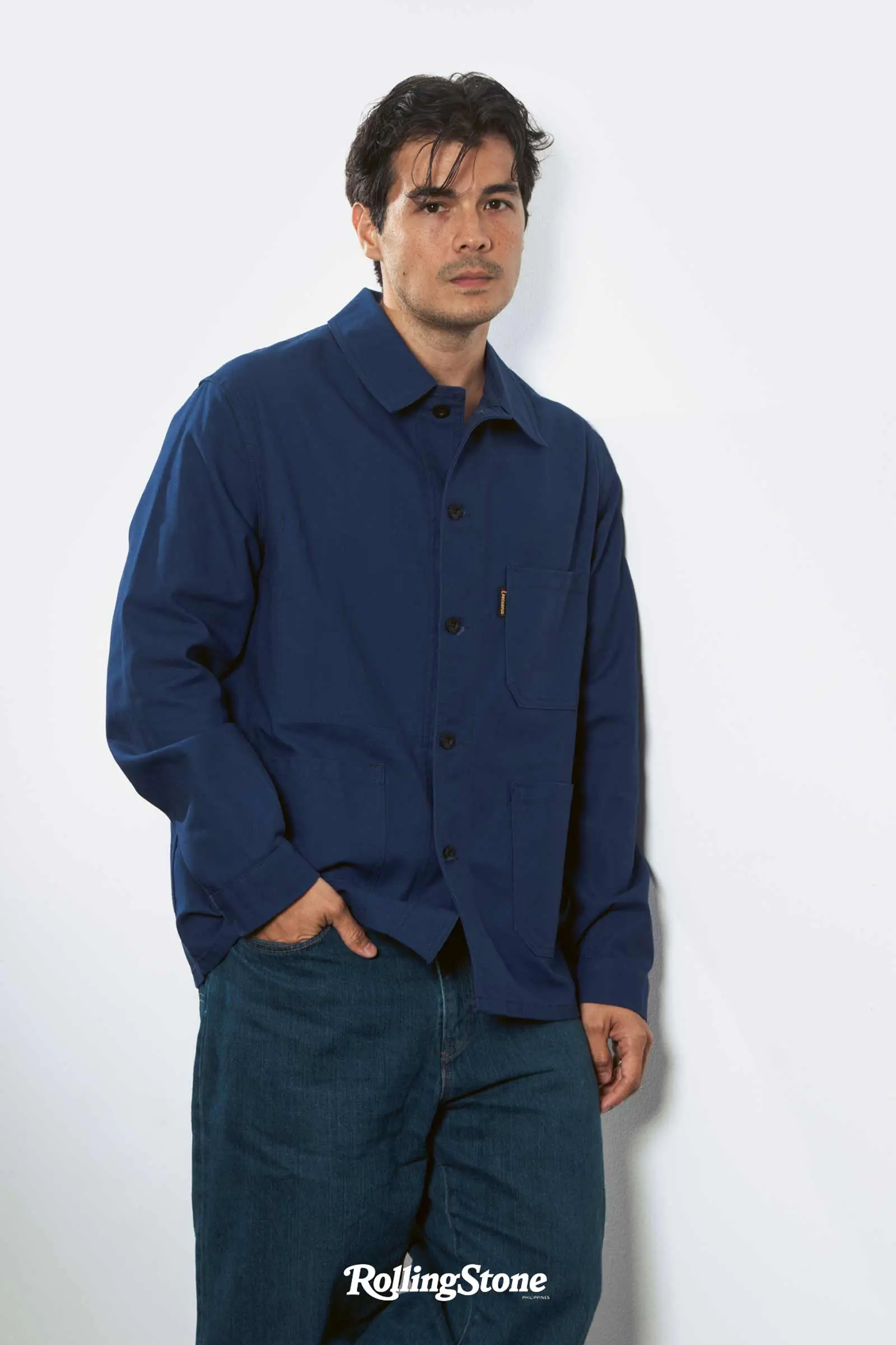
I’ve followed your career ever since your blog, and because you’re such a public figure, your viewers and fans tend to objectify you, which feels like a distraction from what you do. As a male public figure in the world of food, who has gone through this health journey, how do you navigate that public eye?
I think I’ve been very good at separating my personal life from my professional life. I always tell people I don’t have the most entertaining personality. So I’m not someone who can just stand with a camera and make you laugh, or tell jokes, or enthrall you with a story.
I always need to inform people about something, so that’s why I started with health recipes. It was something concrete to build the narrative around and easier for me to shoot on camera. That has followed me through my career; every video I’ve done always has purpose and intent. It’s shot because I wanted to say something in particular.
It’s funny, when I break away from that and do something that shows a bit of my personality, people are like, “Oh! He’s actually quite funny and quite chill.” That’s why I think for the longest time, people saw me as suplado.
Especially when [my wife] Anne [Curtis] would have a movie, and there was a red carpet, and we were already together as husband and wife… I would never walk the red carpet. I would actually go behind the crowd, and then everyone would be like, “Oh, he’s so suplado, not walking the red carpet.” And it’s not that, it’s just that I’m someone who’s very quiet and someone who’s quite introverted. I do think that’s the beauty and the detriment of social media: people understand your personality through the snippets and the clips that they see. So it’s very curated. That’s the problem with online, right? You can’t sit down and have a connection and a conversation where you can understand someone’s subtleties and their personality. It’s really meant to objectify the person.
I think you just have to accept that the loudest people in the room or in the comments are usually representative of one percent of the people who are watching you. I used to think of them as people who live in the basements of their grandmother’s house. And when you’re out there, and you actually meet people in real life, you do realize that people are a bit more accepting of who you are and a bit more understanding.
“Back then, you could do video and you’d be one of the pioneers. Now I feel like everyone’s doing it.”
One of your earliest videos was posted in 2009, and it shows you in Siberia making molten lava cakes out of super basic ingredients, with even more basic video equipment. What was it about that video that gave you the affirmation to continue making content?
I think for one, it was a release. I had a job in operations management, and it was probably one of the most unfriendly environments, with some of the most unfriendly people I have ever met in my life. Every stereotype you know about Russian people is twice that in Eastern Russia. It is a tough place.
It was just a very stressful job. The way we would work, they would call it “three-three rotations,” so I would work three months on call, whenever needed, and then I would take three weeks off. It was very tiring and straining, and so I needed a release.
For me, cooking was always fun and a release. I was online a lot, on Facebook, and people were complaining about how hard cooking was and not having the right equipment. And here I was, -30 degrees outside with just a microwave in my kitchen. And I could still cook quite easy things and delicious things that are still healthy. I posted a video online and I just saw how people reacted.
So it reached, obviously, my circle of friends online. And back then, your privacy settings weren’t as great as they are now. And so it kind of took off and people started watching and commenting.
It was such an early time, but I could already see that video was such a great way to communicate things. And so that for me was just an affirmation of videos, a way that’s so visually stimulating and that people like to understand information in a very simple visual way. And then that’s when I decided to pair it with a written blog and focus mostly on health and nutrition.
Would you say that video still has the same impact now as it did in 2009?
I think video felt very special back then. The barrier to entry was way higher [but] there were also no expectations of a polish, of a certain look, of a certain treatment.
It was very much seen as a very specific skill to do video. I was just learning as I was going. And then when you kind of fast forward a few years later, everyone’s starting to create these videos, right?
So 2015, 2016, specifically in recipes, top-down videos became a de facto way to kind of show hands making a recipe. And all of a sudden there’s just way higher production expectation, but still seen as fairly complicated and complex to put together.
Now, videos kind of seem like a passport. So you have it. What are you going to do with it? And so I think it’s lost its luster as a format and as a platform.
But for you to cut through, that’s where the content itself, the script, or even pushing kind of like the boundaries of what’s possible with video and with the equipment that you have, has become way more important now. Back then, you could do video and you’d be one of the pioneers. Now I feel like everyone’s doing it. So the question that we’re constantly asking ourselves is “How do you kind of cut through the noise?”
Who were your references back then for what you were doing with food and vlogging?
So in terms of recipe stuff, like I grew up watching Jamie Oliver. I’m not necessarily a fan of the recipes themselves, but especially with The Naked Chef. I just liked how casual it was.
This was also the era of Food Network, and these very formatted cooking shows. And you have this young kid in London on his Vespa, buying ingredients, going to his apartment, talking to his cameraman, breaking kind of like that fourth wall, his girlfriend joining from time to time, and just being very messy in how it was made. And it just felt so real to me. So when I saw that, I was like, “Wow if I had a cooking show, this is kind of the treatment that I would like for it.”
And then when we started doing travel content in 2015, it was Anthony Bourdain. Same thing like The Naked Chef, if you watch Anthony Bourdain: No Reservations, you’d be hypercritical of it because you’ve seen the latest shows, which are all way more polished and cinematic. But with No Reservations, it’s just a guy being followed by a camera.
What I loved about Bourdain was the same with Jamie Oliver: very kind of anti-establishment in terms of how he approached TV. He wasn’t smiling. He wasn’t necessarily nice. I always thought that if I ever met Bourdain, he’d probably be kind of a dick. I related to that really easily, because I’m also someone who can’t put on a show. I can’t be smiley, I can’t be cutesy. And [Bourdain] was just being himself. You’d have Guy Fieri, doing way too much, and then you’d have Bourdain doing nothing at all, just kind of coasting and having a beer and smoking a cigarette.
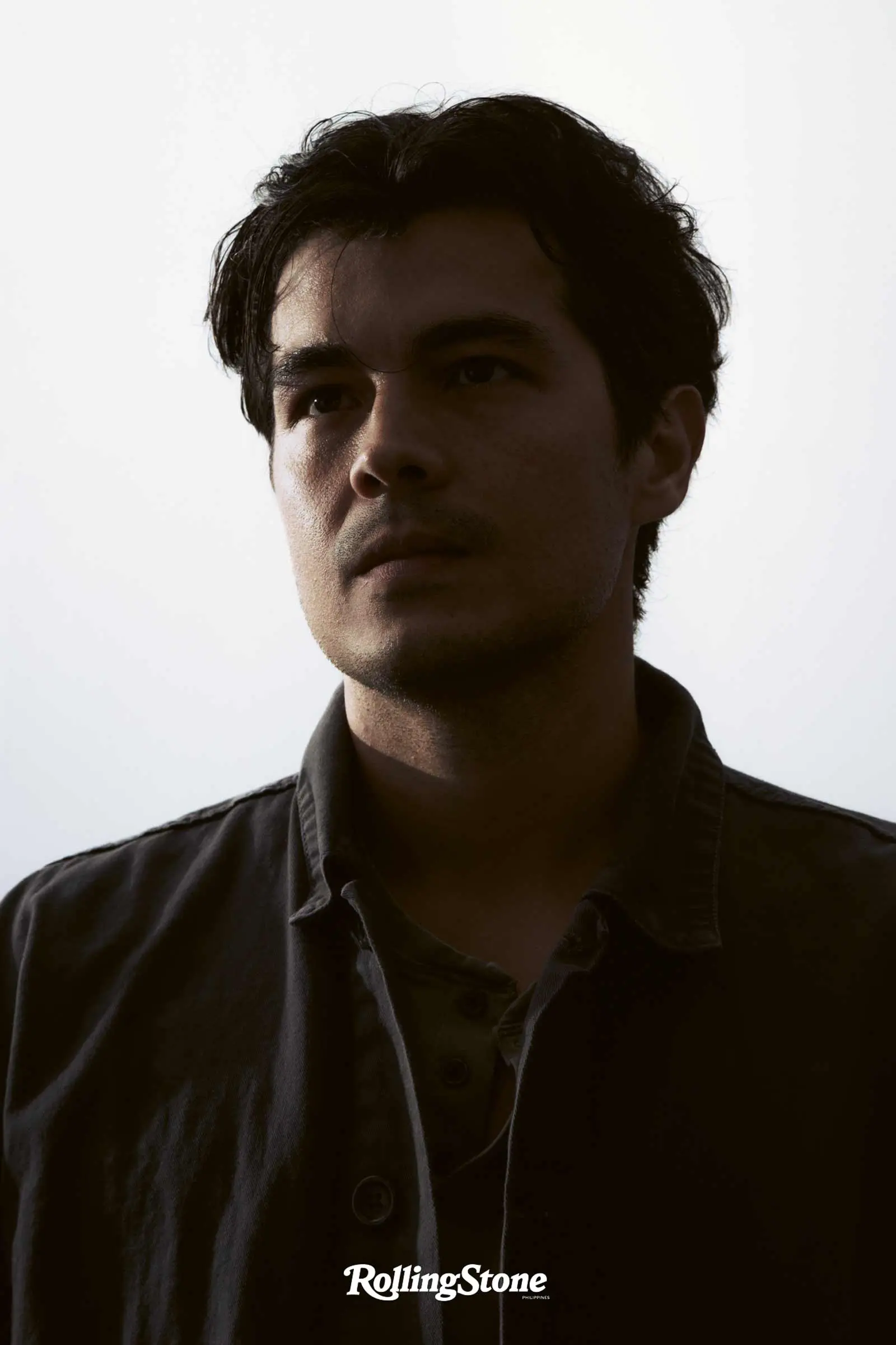
People tend to point out your mistakes and shortcomings in your videos, like if you use butter in your carbonara, or that whole taho issue. How did you navigate those critiques at the start?
I think before, contexts were never really understood, and people were still figuring out how to interact online, like how to consume media online.
I always love to think of how something becomes what it is today. And so you have to think of where we were before content [creation], right? We were watching TV, which is a very passive experience. All of a sudden you’re given the opportunity, as a viewer, to give your thoughts and opinions. You open this floodgate of just saying whatever you want to say. And so I just put it to that. It was more of people trying to figure out how to communicate, what’s okay, and what’s not okay during those times.
I mean, those are two very specific examples. The carbonara butter thing, I gave zero shits about because I’ve worked in tons of restaurants. I’ve worked with Italian chefs, and a lot of them would be like, “Oh, you wanna know the secret? Add butter.” And then you do it online and obviously it becomes a big thing in Italy. I think an Italian YouTube channel did a reaction to the thing. I understood that it was all sensational and it was all a bit.
And then the taho one kind of hit deeper. Me now, it would never have happened. I have experience now, and I can say no now. But back then, it happened. It was my very first time, so imagine this kid coming up, producing his own content in the Philippines for cooking shows. And then I get a call from Santa Monica in California. People at Tastemade were like, “Hey, we’ll fly you in four times a year to shoot.” I still remember this, “Pan-Asian” content.
“If I’m not Filipino enough in terms of language, then I need to be Filipino enough in terms of culture, history, knowledge.”
So I was the face for Japanese, Chinese, Filipino, Thai, Malaysian, whatever Asian they needed me to be. [Laughs] We would work on these eight recipes, six to eight videos a day. In the U.S., no one works overtime, and that’s not even a conversation, right? Those recipes were prepped to be able to be shot within an hour, each time.
So I would give notes on how things should be prepped, and I showed up [that day], and the sago wasn’t soaked. It wasn’t pre- boiled. Obviously, I’m not dumb, and I could tell it was hilaw inside. But I couldn’t say no, because I was surrounded by no one that I knew, 30 people wanting to go home.
And I was like, “No one’s going to watch this anyway, so let’s just do it.” And funnily enough, no one watched it. The whole taho scandal, or “tahogate” as we like to call it at the office, came a few years later. Someone found it, resurfaced it, and then it became a whole thing.
That one hurt a little bit because people just assume that you’re an idiot. And I’m like, “Can you maybe give people the benefit of the doubt?” I do know what undercooked sago pearls are.
It did give me a very strong cancel radar. When I approve stories, I say yes or no based on that very formative moment of my life. [Laughs] Now, I’m very careful with how I approach food, cultural dishes, and everything like that. It’s just understanding every aspect of it: if the viewers aren’t in the room with us, will they understand everything we’re trying to say through the limited time we have with them? And if they’re not even watching the full video, will they be able to grab that context?
So we’re very careful about that. We want to put out things that we feel people should talk about.
There seemed to have been a sort of end to your naivete after that moment. You’ve become more aware of optics.
I mean, it showed me that when you do something online. I was always careful of never calling myself an expert. In every interview I’ve ever done, I’ve said, “Don’t call me chef, because that’s not me.” But Filipinos love labels, so every article ever written about me writes “French-Filipino Erwan,” which makes me sound like a dick, right? [Laughs] Like, can’t you just say I’m a guy who makes videos online? Can we keep it at that? Why do you have to bring in my heritage? I’m French, but it’s not even important.
So yeah, it kind of burst a bubble. I had to be like, “Okay, now if I’m going to take this seriously as a job, then I have to look at it like a job with structure.”
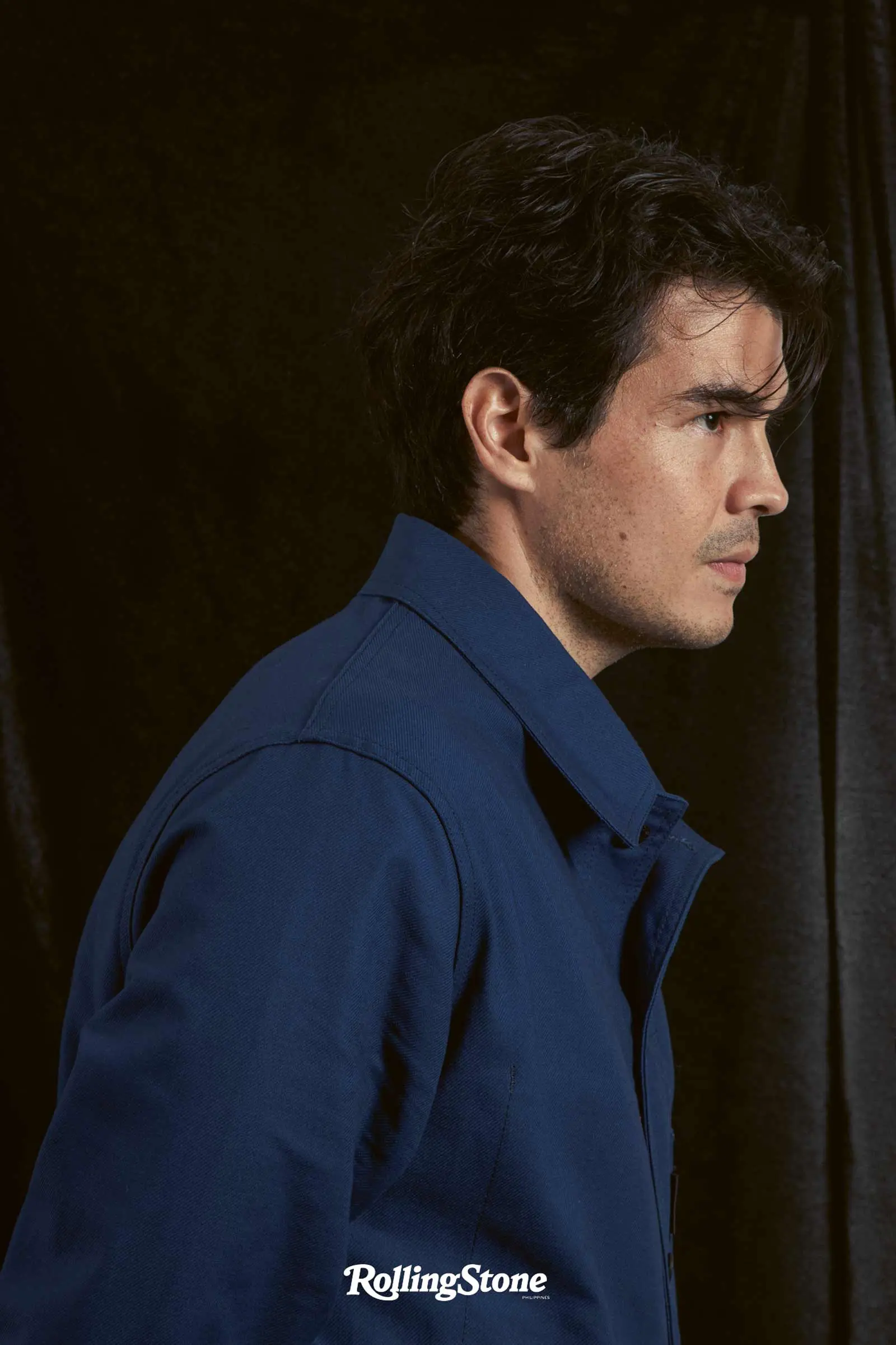
One of the critiques of you that I’m particularly interested in is that you’re in-between cultures. I wonder if that was ever an insecurity for you, the way you use language especially since your whole mission is to push Filipino heritage.
My lack of Tagalog skills, I do see it as a great disadvantage. Specifically, when I’m traveling interviews. I’ll do them in very basic, broken Tagalog, and it’s very hard to connect with someone when the language isn’t there.
That’s why we actually started doing a lot of documentaries where I’m not even involved, just because we wanted to get a richer story. That’s something I’m kind of sad about. But if you’re someone who grows up with two very distinct languages, it is very hard to add a third language in there.
I just so happened to grow up in the ‘80s, and people were mostly speaking English to each other in Metro Manila. I always tell my mom, “You put me in school for French, for English. Why wasn’t I put in school for Tagalog?” I have a kid now, and that’s something I’m going to be very adamant about, that she takes Filipino lessons.
I think that also speaks to the larger Filipino story. Why isn’t our language good enough to be taught in the classroom? I know a lot of — not even bicultural kids, but pure Filipinos — struggle speaking deep Tagalog, and that’s because their parents were like, “Oh you’ll learn it in conversation.” If you really want someone to learn a language, it has to be taught in a structured way.
So it’s something I still struggle with. Like yesterday, I was in Ilocos Norte, and I was interviewing a farmer. I had to look at my producer and be like, “Can you ask this question? Because I don’t know how to say it.” That sucked.
For me, it did kind of motivate me to find culture or connection through other ways, and that’s why food was so important to me. So in the early days, when people would comment, “Oh, Erwan has no right to talk about Filipino food because he’s half- French,” which is kind of weird! Like, “Oh, sorry, it’s not my fault, I didn’t choose my father.” [Laughs]
So I always say, “Okay, maybe I don’t speak the language, but I can guarantee you I can sit down and we can discuss Filipino food. And I’ll probably know a little bit more because it’s my job.”
And so it became something that was always on my shoulder. If I’m not Filipino enough in terms of language, then I need to be Filipino enough in terms of culture, history, knowledge. Not to prove myself to anyone, but just, in my mind, to make up for that.
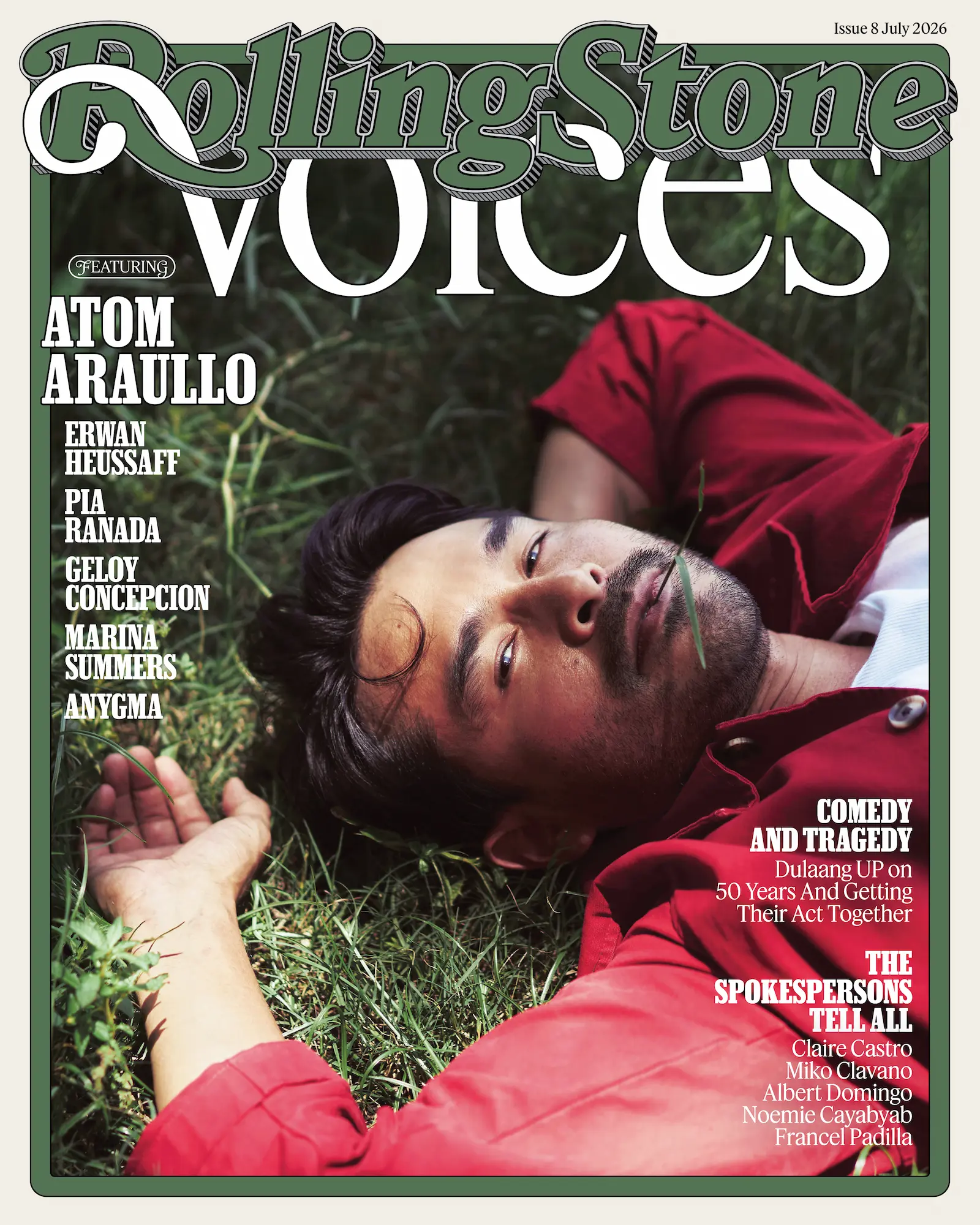
Read the rest of this cover story in the Rolling Stone Philippines’ Voices Issue, now available for pre-order on Sari-sari Shopping and in major newsstands soon.
Get digital access to the latest issue here.
Frequently Asked Questions
Erwan Heussaff is a French-Filipino content creator and restaurateur who founded the food media platform FEATR. Known for cooking vlogs and documentaries on Filipino cuisine, he describes himself simply as “a guy who makes videos online.” He is married to actress Anne Curtis.
FEATR is the food media platform founded by Erwan Heussaff, focused on documenting Filipino cuisine across the country’s 7,000-plus islands. Rather than centering Heussaff, many FEATR videos hand the story to local experts, like the Manongas family reviving their father’s rare asin tibuok salt in Bohol.
The “tahogate” controversy stemmed from an early video where Heussaff used undercooked sago pearls. He says it was shot for Tastemade in a rushed U.S. production where he couldn’t say no, and the clip resurfaced years later. He maintains he knew the sago was undercooked.
Heussaff argues that video has “lost its luster” as a format and platform because the barrier to entry has collapsed and everyone now makes it. He says cutting through the noise now depends on stronger content, scripts, and pushing the creative limits of the medium.
Heussaff says his limited Tagalog left him feeling he had to be “Filipino enough” through culture, history, and knowledge instead. He has faced criticism over his half-French heritage, but argues food became his way of connecting with and championing the country’s diverse regional cuisine.
Recommended Video