

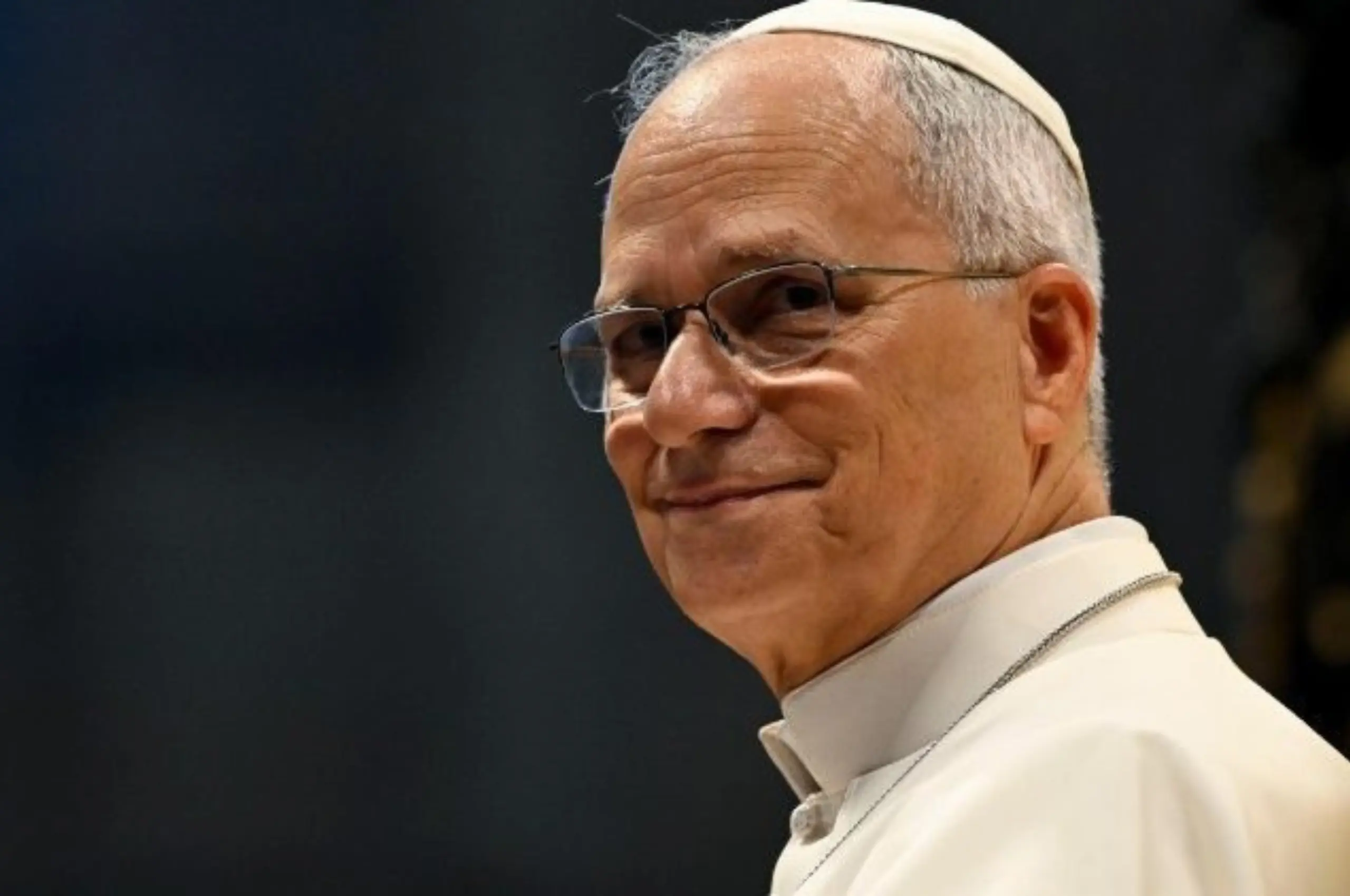
Amid the heated debate over artificial intelligence (AI) use and its growing dangers, causing even former employees to wave the red flag themselves, Pope Leo XIV has reiterated his call for people to “disarm” the technology and put human dignity at the forefront of progress instead.
The Pope, who announced on October 11 that he would undergo surgery to remove a lung nodule discovered during a recent medical examination, has increasingly emphasized the need to ensure that technological advancement does not come at the expense of humanity.
In his first encyclical titled “Magnifica Humanitas,” published on May 25, he defined “disarming technology” as preventing it from dominating humanity instead of completely rejecting it. The Pope brought up the issue again in various international symposiums and during his visit to the UNESCO headquarters on September 25, before reiterating the concerns in a series of X posts and sermons this October.
Efficiency as a criterion
Efficiency is one of the reasons why people turn to AI, as others argue. Technology has been manufactured to process information faster and provide whatever is needed with a mere click, something that humans would take longer to achieve. But having this criterion ingrained in society only leverages the technology and devalues the distinctly human intelligence and capabilities of critical thinking and judgment.
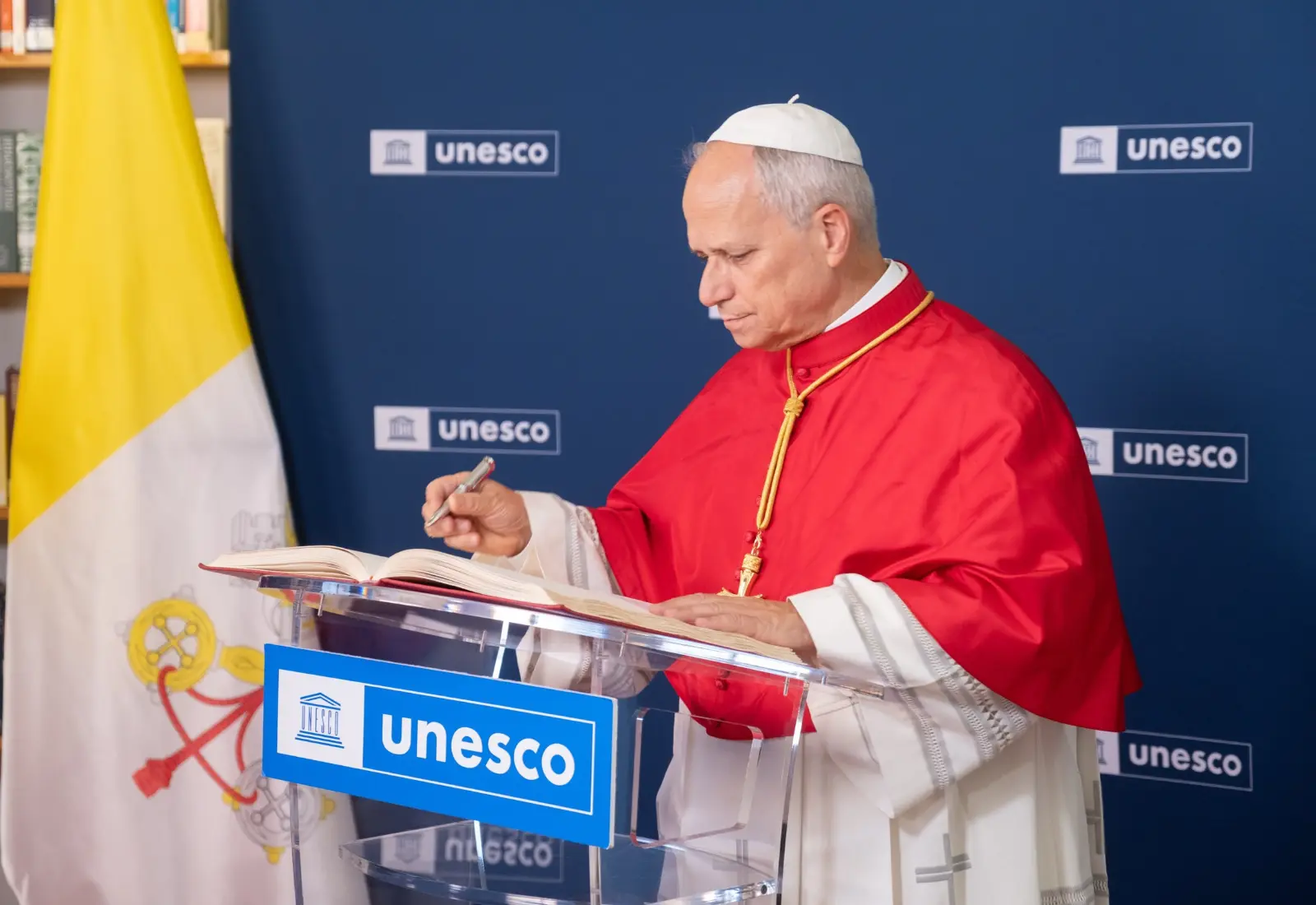
During his UNESCO visit, the Supreme Pontiff explained that the paradox of dehumanization has become “increasingly evident” as we continue to attribute intelligence to computation systems. According to him, people now struggle to recognize the “inalienable dignity of human persons,” and so he warned against a society in which people are judged according to efficiency and, when considered no longer productive, are “rejected and discarded.”
‘Algorithms lack the spark’
In an X post last October 2, he argued that human creativity must be distinguished from machine-generated work, saying that there is an “ontological difference, even before an aesthetic one.” He called on artists and cultural institutions to renew an alliance with the Church to “safeguard our humanity,” as algorithms lack the spark that gives art meaning. “The Church needs you,” he told artists on the same day in the Vatican.
In this era of artificial intelligence, it is becoming urgent to distinguish human art from what machines produce. There is an ontological difference, even before an aesthetic one, between art and what a machine can generate through statistical calculation based on millions of images created by others. Algorithms lack the spark of humanity. For this reason, the Church wishes to renew an alliance with artists and cultural institutions to safeguard our humanity.
— Pope Leo XIV (@Pontifex) October 2, 2026
He also said in a separate post on October 9 that intelligence must be grounded in memory. What separates human intelligence from that of artificial is that humans “recall lived experiences, which contain depths of meaning that only the human soul can recognize, and connect more deeply with the goodness of these experiences.” While algorithms can process information faster than humans, he said, they cannot recognize the depths of meaning people draw from their experiences in the same way the human soul can.
He described the soul and experience as carrying “a breath, dynamism, and a sense of communion,” which is engraved on a human’s heart.
What does the tech industry say?
The Pope’s position has long drawn criticism from the industry since the release of his first encyclical, which includes his criticisms of the influence of technological systems.
In a recent talk, tech billionaire and PayPal co-founder Peter Thiel, for one, slammed the Pope’s concerns, saying that he is exploiting public fear to “boost their own popularity.” In a Politiko report, Thiel said that AI is the “threat über alles of late modernity.” He further added that it was the reason why the Pope wrote his first encyclical: “he needed something politically popular to distract from the church’s child sex abuse scandals, and he found it in AI.”
FREQUENCY ASKED QUESTIONS
Pope Leo XIV uses “disarming” technology to mean preventing it from dominating humanity, not rejecting it outright. He introduced the idea in his first encyclical, “Magnifica Humanitas,” published last May, and has since repeated that human dignity must stay at the forefront of technological progress.
Pope Leo XIV warns that treating efficiency as the main criterion devalues distinctly human capacities like critical thinking and judgment. At UNESCO on September 25, he cautioned against a society where people judged unproductive are “rejected and discarded,” calling the dehumanization paradox increasingly evident.
Pope Leo XIV says human intelligence is grounded in memory: people recall lived experiences carrying depths of meaning that only the human soul can recognize. In an October 9 post on X, he said algorithms process information faster but cannot grasp that meaning the way humans do.
On October 2, Pope Leo XIV wrote on X that there is an ontological difference, even before an aesthetic one, between human creativity and machine-generated work. He urged artists and cultural institutions to renew their alliance with the Church, arguing algorithms lack the spark that gives art meaning.
Peter Thiel has criticized the Pope’s concerns, saying he is exploiting public fear to boost his own popularity. Per Politiko, he also said AI is the “threat über alles of late modernity” and claimed the encyclical was a politically popular distraction from church scandals.
Recommended Video