

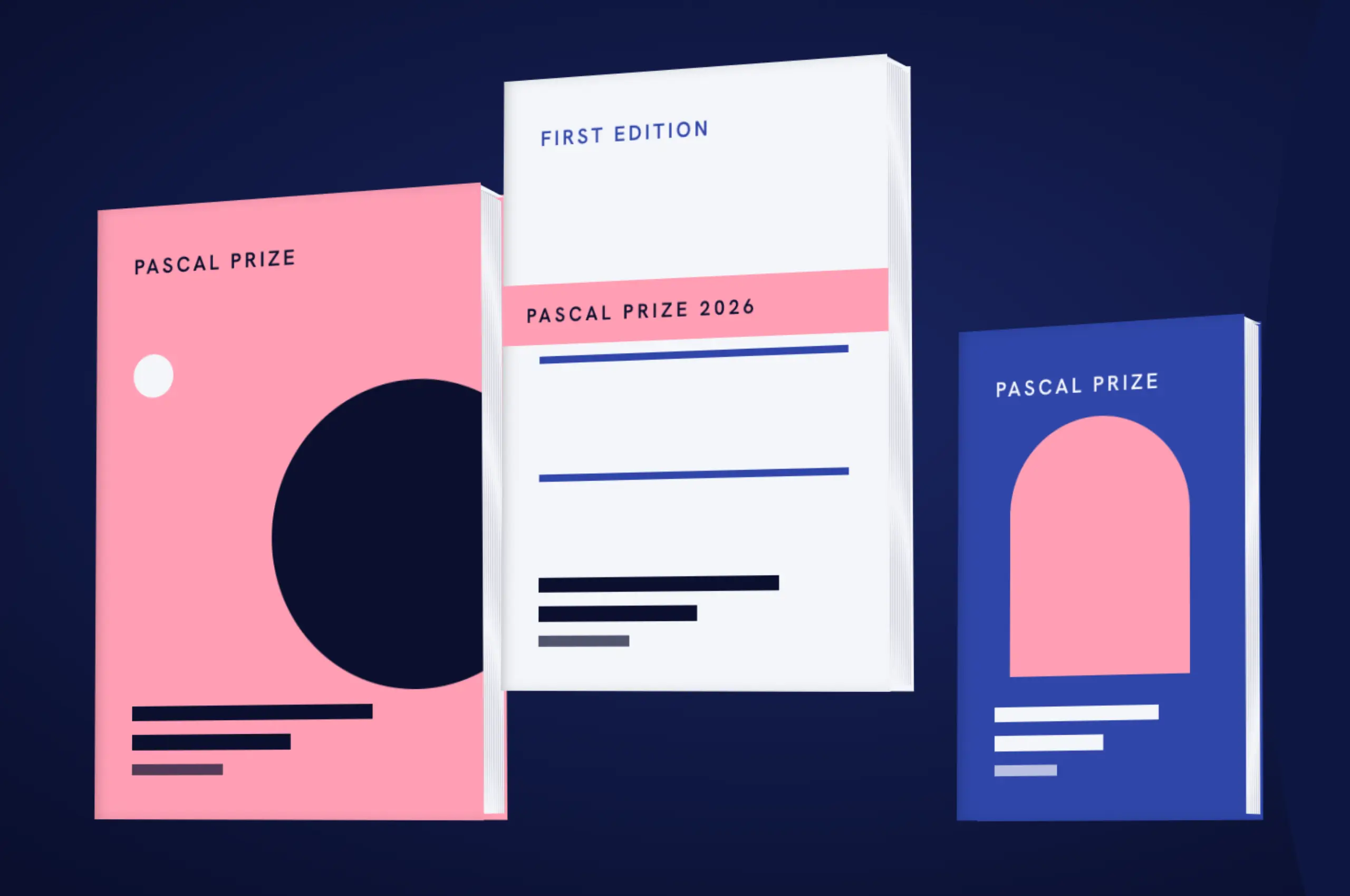
As writers and other creatives worldwide grapple with artificial intelligence (AI) as a growing force and competitor in the industry, France has just launched the Prix Pascal de Littérature IA (or Pascal Prize for Literature Created with the Help of AI), the first literary prize for French-language AI-assisted novels or fiction co-written with AI. The call for entries started on October 21.
Prix Pascal was founded by entrepreneurs Philippe Rodriguez, Albin Serviant, and Gilles Mentré, and has five objectives for literature: Transcendence for the progress of humanity, the practice of AI, France and AI, Cultural inclusion through AI, and literary measurement and AI.
“Where others hunt down AI using detectors that contradict each other, the Pascal Prize asks authors to declare it. No proselytizing or lawsuits, transparency as a field of debate and collective intelligence,” said the founders. According to its manifesto, the prize distinguishes works that “bring something new to the table” and “do not simply reproduce a format already produced in the past.” It clarifies that the prize does not reward AI alone, but rewards what an author can achieve beyond it.
What Are The Rules?
The contest requires three elements to be submitted by the candidate:
- The “Seed,” which is an approximately 4,000-character or two-page file that defines the pitch.
- The unpublished “original” manuscript, which must be in French, 300,000 characters long (including spaces), and submitted anonymously. The file should be in PDF format, 1.5 spacing, with the title, subtitle (if applicable), back cover, and the table of contents.
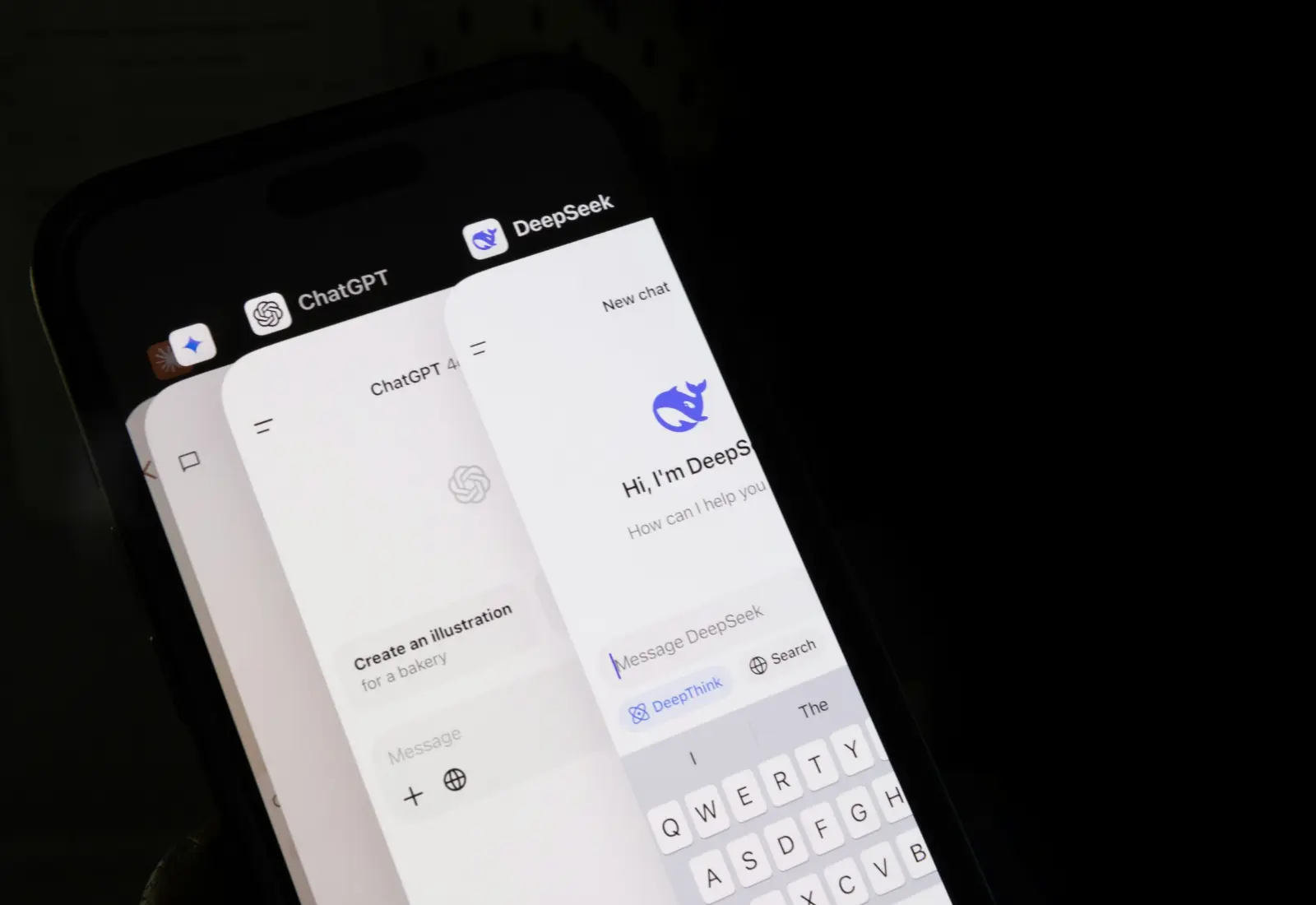
- It also requires a technical dossier, or a list of the specific large language model (LLM) used, its agents, as well as the prompts. The award body also advises each candidate to experiment with LLMs, test different agents, prompts, and approaches before finalizing their text.
The contest accepts submissions until November 30 (Paris time), with the awarding set to take place in December. Anyone from across the world can join, so long as the novel is written in French.
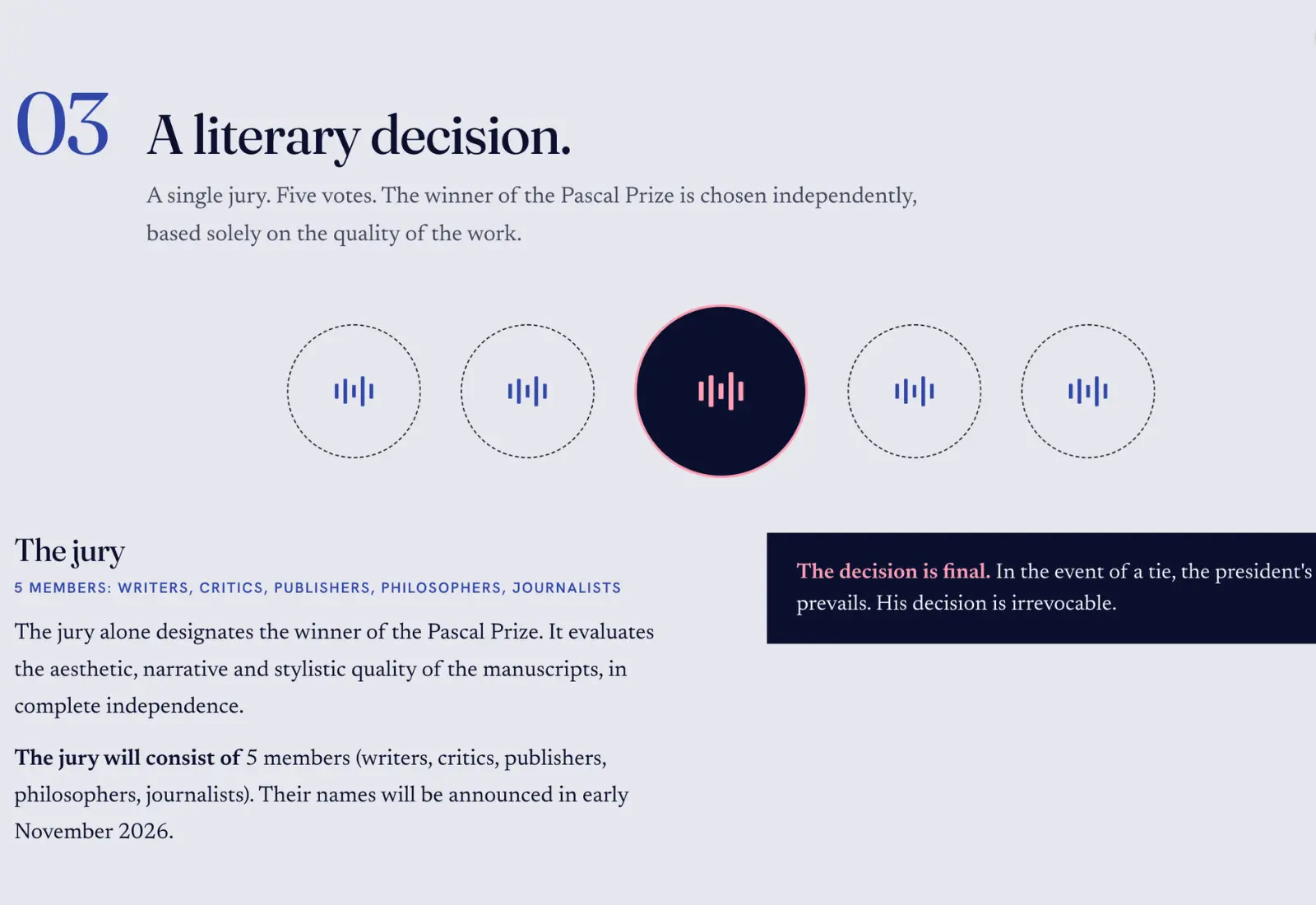
As stated on its website, the jury will be comprised of professional readers and “people with firsthand experience of these tools.” However, no details have been announced regarding the prize money or the exact identities of the panel of judges as of writing.
‘Original’ Work?
Many claim that the award was launched at a problematic time, not only because many struggle to regulate AI, but also due to recent controversies of authors being exposed to have used models in their award-winning texts. In October, the publishing house Les Éditions du Boreal ended its partnership with Haitian-Canadian author Thélyson Orélien after he reportedly used AI to write his award-winning book, C’etait ca ou mourir (It was either that or die). The work won the Prix du Roman Fnac literary prize in early September and was shortlisted for the Prix Goncourt, deemed one of France’s most prestigious literary prizes. Orélien was later removed from the list after his publisher confirmed the AI usage.
The Prix Pascal award can also leave one thinking just how “original” an AI-assisted work can be, when the system that “supports” it only really feeds from what has already existed. In early 2026, Anthropic faced a copyright infringement case after its Project Panama was revealed to be destructively scanning all existing books to strengthen its model.
Frequently asked questions
Prix Pascal de Littérature IA (or Pascal Prize for Literature Created with the Help of AI) is the first-ever literary prize for French-language AI-assisted novels or fiction co-written with AI, launched in France.
Prix Pascal was founded by entrepreneurs Philippe Rodriguez, Albin Serviant, and Gilles Mentré.
It has five objectives for literature, which are transcendence for the progress of humanity, the practice of AI, France and AI, Cultural inclusion through AI, and literary measurement and AI.
Prix Pascal requires three elements — the “Seed,” or a two-page file that defines the pitch. The unpublished “original” manuscript, which must be in French, and the technical file, or a list of the specific large language model (LLM) used, its agents, as well as the prompts.
The Prix Pascal opened its call for entries on October 21 and will close submissions on November 30 (Paris time).
Recommended Video