

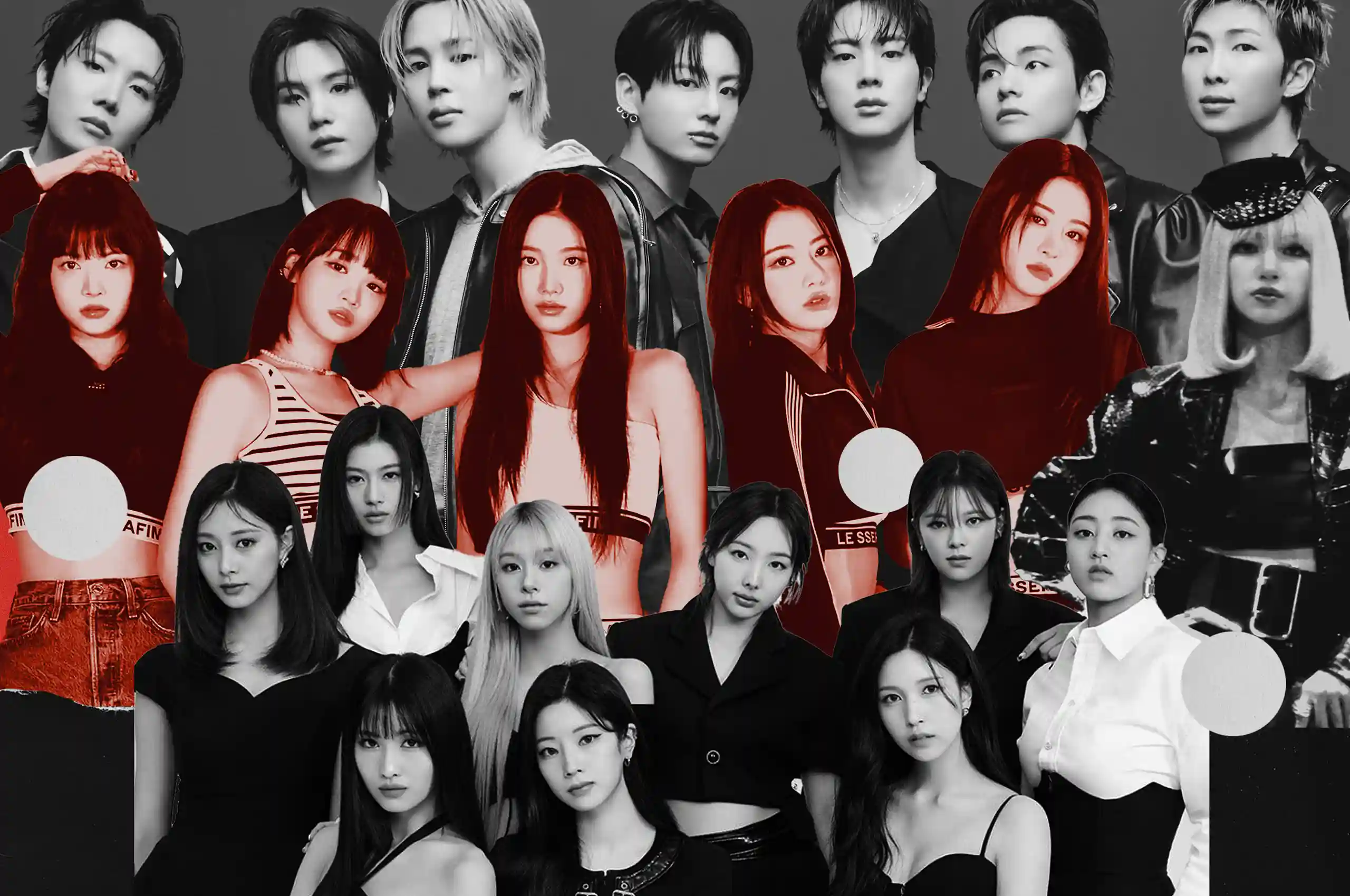
It seems like other Asian countries are catching up to K-pop’s almost decade-long dominance. A quick look at the International Federation of the Phonographic Industry (IFPI)’s Official Philippine Charts (counting Spotify, Apple Music, Deezer, and YouTube) suggests that the spotlight is turning toward homegrown talent, with at least the top 20 songs coming from OPMOPMShort for Original Pilipino Music, the broad body of songs written and performed by Filipino artists, from kundiman and folk ballads to rock, pop, and hip-hop. OPM is a cornerstoneGo to OPM Glossary or P-pop acts, leaving room for only a few exceptional foreign hits.
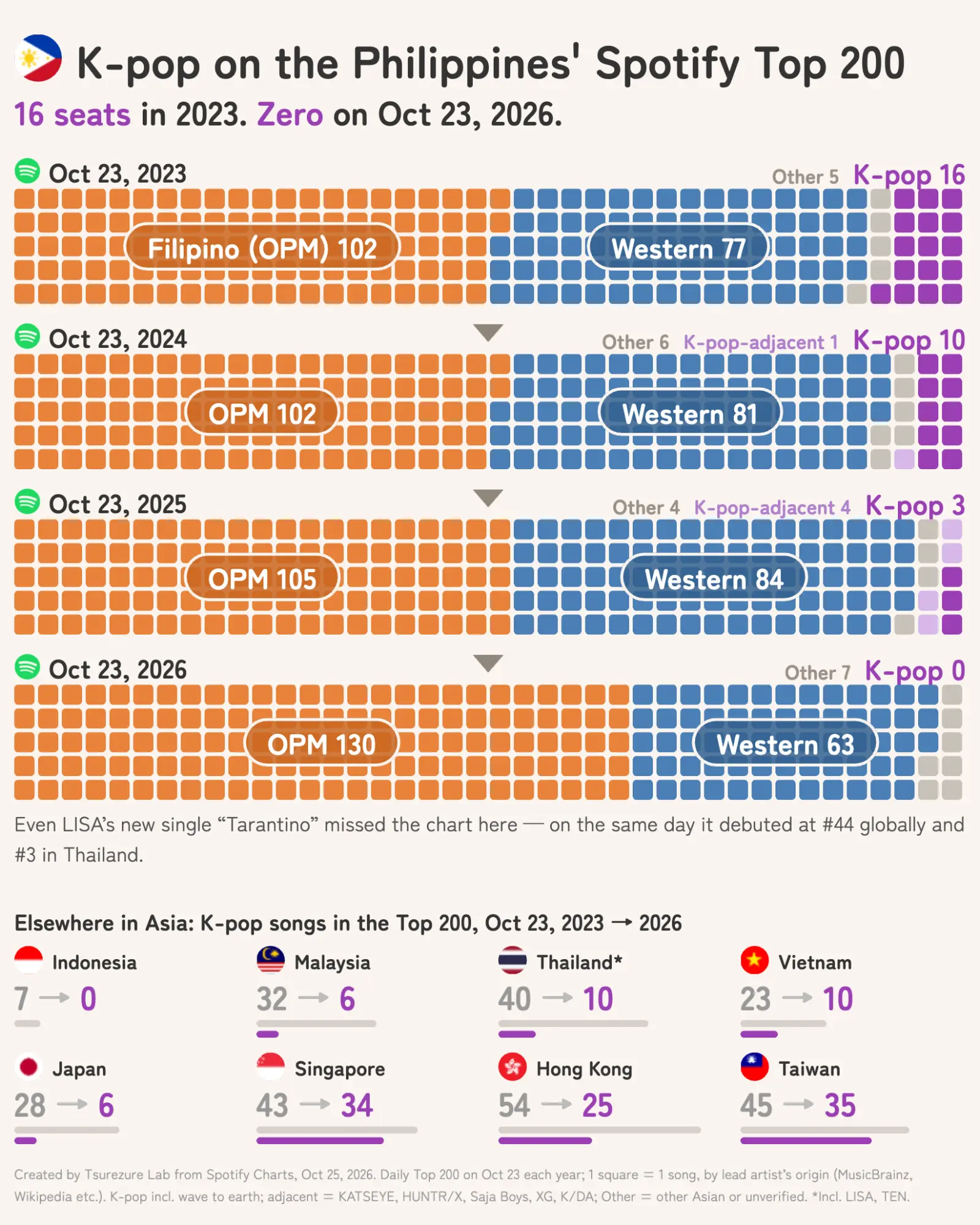
Japanese research firm Tsurezure Lab traced the weekly data of K-popK-popSouth Korean pop music, known for polished production, precise choreography, and highly organized fan communities. With a massive following in the Philippines, K-pop shapes fan culture, concerts, and fashion, andGo to K-pop Glossary in the Spotify Philippines’ Top 200. It was noted that back in 2017, or the early boom of K-pop in the Philippines, Korean songs in the Philippine charts averaged only 1.9. It peaked in the early pandemic years, with 20.8 songs, most of which were from top acts BTS, Blackpink, and Twice, along with new gens NewJeans and FIFTYFIFTY, before dwindling to 2.6 in 2026. As of October 23, 130 seats of the Top 200 were occupied by OPM songs, 63 Western, seven for other categories, with K-pop accounting for zero.
It’s an intriguing development, as the country was among the first to embrace K-popK-popSouth Korean pop music, known for polished production, precise choreography, and highly organized fan communities. With a massive following in the Philippines, K-pop shapes fan culture, concerts, and fashion, andGo to K-pop Glossary, or the Hallyu wave in general, with Filipino fans growing massively over time. In a 2023 Inquirer article, many industry giants regard the Philippines as one of the leading markets for Korean music. An early 2026 survey by the Korean Foundation for International Cultural Exchange (Kofice) also found that Korean music consumption remains over 80 percent in the Philippines. However, this represents a 10 percent dip from the previous year of over 90 percent.
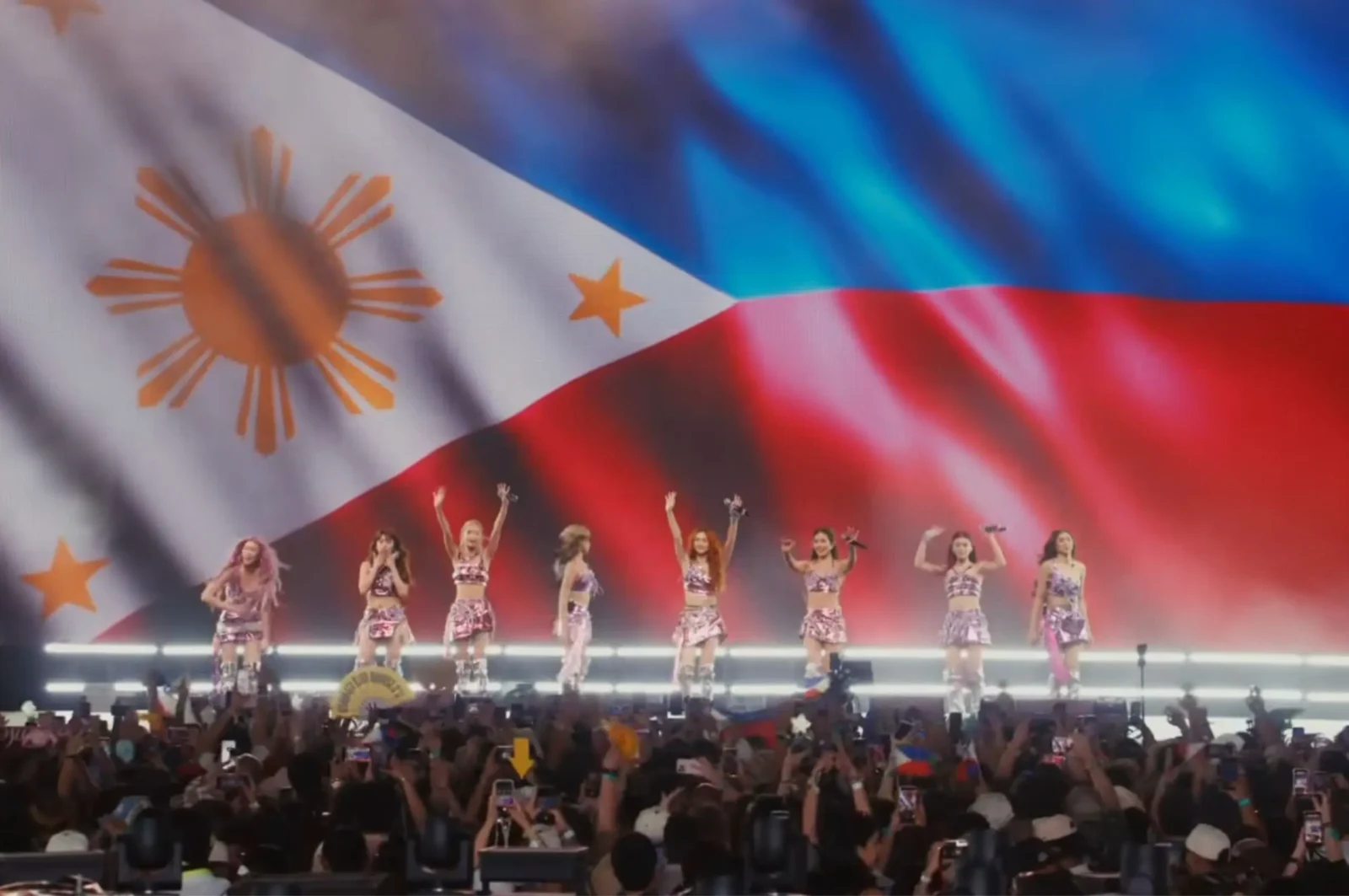
As local acts rise in the music scene, coupled with the cultural familiarity and relatability, it was easier for Filipino songs to marinate. Indisputably, Filipino artists have found a wider audience, not just within their own country, but also globally, with P-popP-popShort for Pilipino pop, a style of pop music made by Filipino artists, especially idol-style groups and soloists known for catchy songs, dance routines, and devoted fans. The movement hasGo to P-pop Glossary groups such as BINI and SB19 — both of whom performed in international festivals and are seeking Grammy nods — carving out big spaces in a field long influenced by K-Pop’s sound, performance style, and culture.
According to Al Jazeera’s report, this resurgence in local music popularity not only happened in the Philippines, but also in other Southeast Asian countries like Thailand and Indonesia. “In Indonesia, the Philippines, and Thailand, the share of local artists in Spotify’s weekly top 10 rose from 39 percent to 97 percent, 31 percent to 81 percent, and 71 percent to 76 percent, respectively,” they wrote, comparing Soundcharts data gathered from 2021 until the first half of 2026.
Tsurezure Lab further backs this claim with a graph comparing the Spotify streaming data of various Southeast Asian countries from 2023 to May 2026, which saw an increase in regional or local-genre streaming. Another graph they made showed a close-up genre shift within the three years, showing an obvious rise in the streaming of OPM music and a decline in K-pop.
k-pop’s recent Setbacks in ph
In 2025, K-popK-popSouth Korean pop music, known for polished production, precise choreography, and highly organized fan communities. With a massive following in the Philippines, K-pop shapes fan culture, concerts, and fashion, andGo to K-pop Glossary girl group Le Sserafim visited the Philippines for their sold-out EASY CRAZY HOT tour, but in 2026, the group has canceled the second day of their PUREFLOW concert in the country, scheduled for December 6. According to the concert organizer, all second-day ticket holders are given the option to be refunded or be relocated to the first day, December 5, instead.
While the organizer gave no specific reason for the cancelation, some fans were quick to conclude that it was due to poor ticket sales, whereas other fans argue that only a scheduling conflict happened.
To confused fans thinking why Philippines 🇵🇭 did not even have at least 1500 streams to contribute to PRESS PLAY/Tarantino’s Filtered Streams for Spotify Global just like the last country on this list, it doesn’t work like that. For the “FILTERED” streams from a country to contribute to the overall count of a song’s Spotify Global streams, the country’s streams have to ENTER FIRST its Top 200 Chart. In the Philippines, the Top 200 chart is SO STRONG that the lowest song has 114,360 streams. Meaning, even if PH Fans contribute 114,359 streams for Tarantino, we won’t be able to enter the Top 200 of PH and those 100k+ streams won’t be counted towards Spotify Global of Tarantino, all going towards unfiltered because we were not able to beat the rest of top 200 in the Philippines. To help you picture it better: all the streams starting from top #3 country on this list up to the bottom, if you put in the Philippines, won’t be able to enter the chart at all and will not contribute to Tarantino’s Global Chart streams. So, to all PH fans thinking where did our streams go, it’s just that our OPM competitors are so strong. Let’s just keep streaming and do our best 🫂 #LISA #LISA_PRESSPLAY #LISA_Tarantino
— TEAM LISA PH (@TeamLisaPH) October 24, 2026
Another point of discussion that emerged was Blackpink Lisa’s recent single, “Tarantino,” released just this October 23. The song entered the Top 200 in 23 countries, with the Philippines notably absent from the list. As explained by Lisa’s Filipino fanbase on X, OPM competitors have grown strong, hence why they believe it’s harder for the song to penetrate the local charts.
While charts, streamingStreamingListening to music or watching video on demand over the internet through platforms like Spotify and Netflix, rather than owning copies. Streaming has changed how artists earn and how audiencesGo to Streaming Glossary data, or concert cancelations aren’t strong enough bases to establish a definitive decline in K-pop, the growth in local music streams, rising global fan bases of OPM and P-pop, and the dip in the genre that inspired much of it are definitely pointing to the fact that regional music has grown and is eager to prove what more it can offer.
FREQUENTLY ASKED QUESTIONS
Not entirely. A 2026 Kofice survey found Korean music consumption in the Philippines remains above 80 percent, though down from over 90 percent the previous year. However, in streaming, no K-pop songs appeared in Spotify Philippines’ Top 200 despite new releases.
K-pop’s presence rose and is now slowly collapsing. Tsurezure Lab data shows Korean songs averaged 1.9 in Spotify Philippines’ weekly Top 200 in 2017, peaked at 20.8 during the early pandemic years, and fell to 2.6 in 2026. By October 23, 2026, OPM held 130 spots and K-pop held none.
OPM and P-pop are gaining ground largely through cultural familiarity and relatability, which help local songs resonate with Filipino listeners. Groups like BINI and SB19 have built global fanbases, performed at international festivals, and claimed space in a pop landscape long shaped by K-pop’s sound and performance style.
Yes. Soundcharts data cited by Al Jazeera shows local artists’ share of Spotify’s weekly top 10 rose from 39 to 97 percent in Indonesia, 31 to 81 percent in the Philippines, and 71 to 76 percent in Thailand between 2021 and the first half of 2026.
The organizer of LE SSERAFIM’s PUREFLOW concert has not given a reason for canceling the December 6 show. Some fans attribute it to weak ticket sales, while others point to a scheduling conflict. Second-day ticket holders can request a refund or move to the December 5 show.
Recommended Video