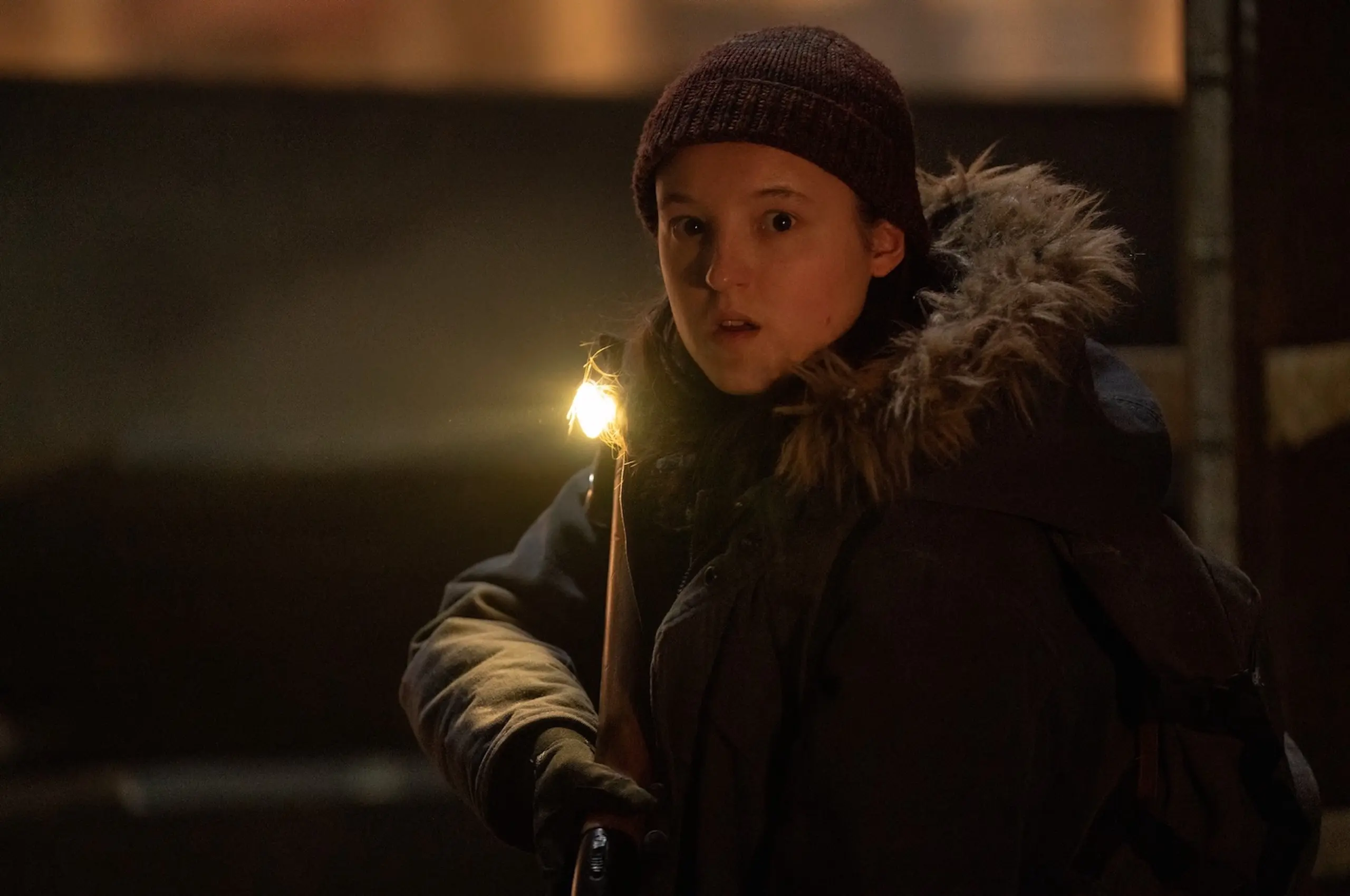
I hate to say this, but The Last of Us may have made a mistake that almost no video game adaptations ever make: it stuck too close to its source material. The show’s second season just wrapped, and its dark, messy final minutes has fans rattled, shaken, and concerned with what’s to come in the next season, which we may have to wait a few years to drop.
Adapting a video game is no easy feat, and adapting it well is almost like trying to capture lightning in a bottle twice. Films like Double Dragon, Doom, and Warcraft are prime examples of adaptation flops, and they all tend to share the same issue: they stray too far from the original video game storyline, adding so many layers to what should have been a simple story that fans are left disappointed with convoluted plots, shallow characters, and cheap-shot references that try to cater to video game loyalists.
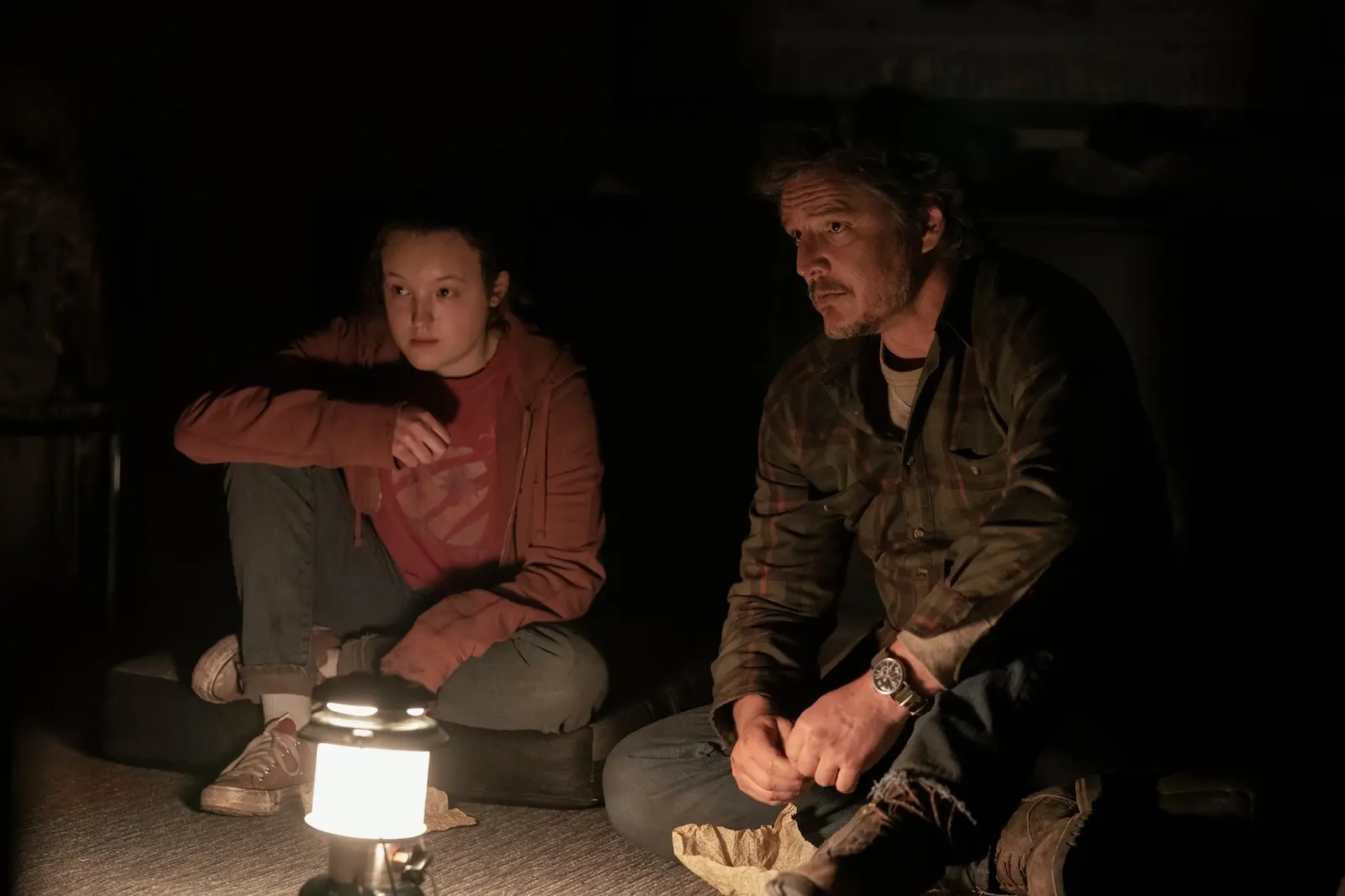
The Last of Us, ever since its first terrifying episode premiered back in 2023, has miraculously avoided all those usual pitfalls. It has often been lauded as a prime example of how to adapt a video game right, particularly because it stays so faithful to the original. The show’s first season took its time getting us to care about protagonists Joel (Pedro Pascal) and Ellie (Bella Ramsey), raising the stakes with each episode as the duo traversed the Cordyceps-infected wasteland of America. Unlike many adaptations bogged down by clunky exposition, it skipped the lore dumps and instead crafted a lived-in world, one haunted by the Infected and shaped by the emotional wreckage of its survivors. And even when the finale exposed the brutal lengths Joel would go to for Ellie, it felt earned, devastating, and deeply human.
But that formula of staying true to source material may have only worked for the show’s first season. When showrunners Craig Mazin and Neil Druckermann announced that they’d be tackling The Last of Us Part II, a game so divisive that it left fans questioning their love for the first, audiences privy to the game’s lore were immediately skeptical of how the show would navigate its fragmented storyline and its shift in heroes and villains.
Warning: major spoilers for ‘The Last of Us’ Season 2 incoming!
One reason why the game is so divisive is because its second act forces players to take on the role of Abby, who brutally murdered Joel early on in the game. Even players who’ve completed the game still complain about how the shift upends their emotional investment, requiring them to try and empathize with someone who they spent the first act of the game hating. However, there is a pay-off to this: by turning Abby into a protagonist, the game gives us a better understanding of her, shifting her away from a vengeful plot device and turning her into a fully fleshed-out, dare I say even likeable, character.
The second season finale makes it clear that Season 3 will be making the same shift, turning Abby into a main protagonist. But will the show be able to pull it off? Especially when so much of the first and second season were spent on fleshing out Joel and Ellie? While Season 2 offers glimpses into Abby’s past to justify her quest for revenge, it remains uncertain whether the show can generate the same level of empathy for her that the game managed to achieve. And will fans even care, considering that the next season may take years to release? The character shift works in the game because players can immediately jump into Abby’s character arc, concluding the story in a reasonable timeframe. With television, that continuity is fractured, and the long wait risks cooling emotional investment even before her story begins.
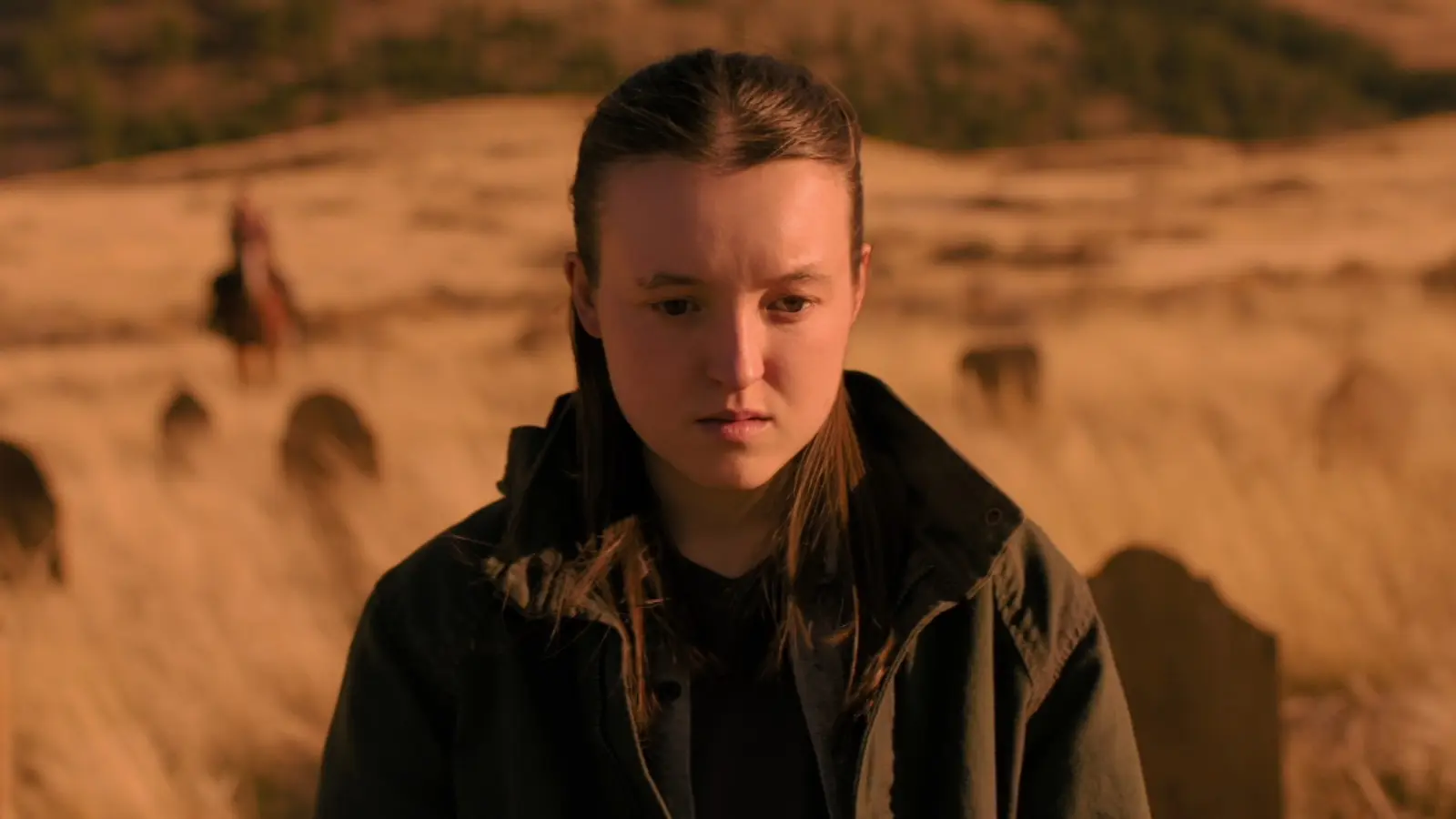
And what will become of Ellie and, to some extent, Joel? Fans of the game know what’s to come for Ellie’s character arc, and without giving anything away, it gets even darker than the revenge-fuelled choices she makes in Season Two. If Season 3 chooses to stay true to some of the more violent turns she takes, it may push her beyond the point of redemption, especially for audiences who, unlike players, don’t have the benefit of immersion or interactivity to justify those actions.
With Joel, my concern is that by following the game’s decision to kill him off so early, Mazin and Druckmann may have sidelined their strongest asset too soon. Pascal is such a powerful actor, and by relegating him so soon to the graveyard, the show has no choice but to only bring his character back for the occasional flashback or dream sequence. That limited presence risks weakening the emotional core of the series, especially when so much of its weight has depended on Joel’s quiet intensity and the chemistry he shares with Ellie. Even in the show’s second season, which focused so heavily on Ellie, Pascal’s brief appearances carried a gravity that grounded her arc. Without him, Ellie — and arguably, the show — has no emotional anchor.
The Last of Us is available to stream on HBO Max.