

Going into 58th, I wondered if animation could really pull me into a story this heavy. As a journalism graduate, I am well aware of the story of the 2009 Maguindanao Massacre, the deadliest single-day attack on journalists. I knew the numbers, but knowing the facts is different from being made to sit with the harrowing grief it accompanies. 58th lets you deal with its horrors.
Beyond the massacre, 58th is a painful and sobering account of searching for a victim nowhere to be found. Director Carl Joseph Papa (The Next 24 Hours, Iti Mapukpukaw) confronts the haunting feeling of not just the absence of a body but of the dignity of finality and justice.
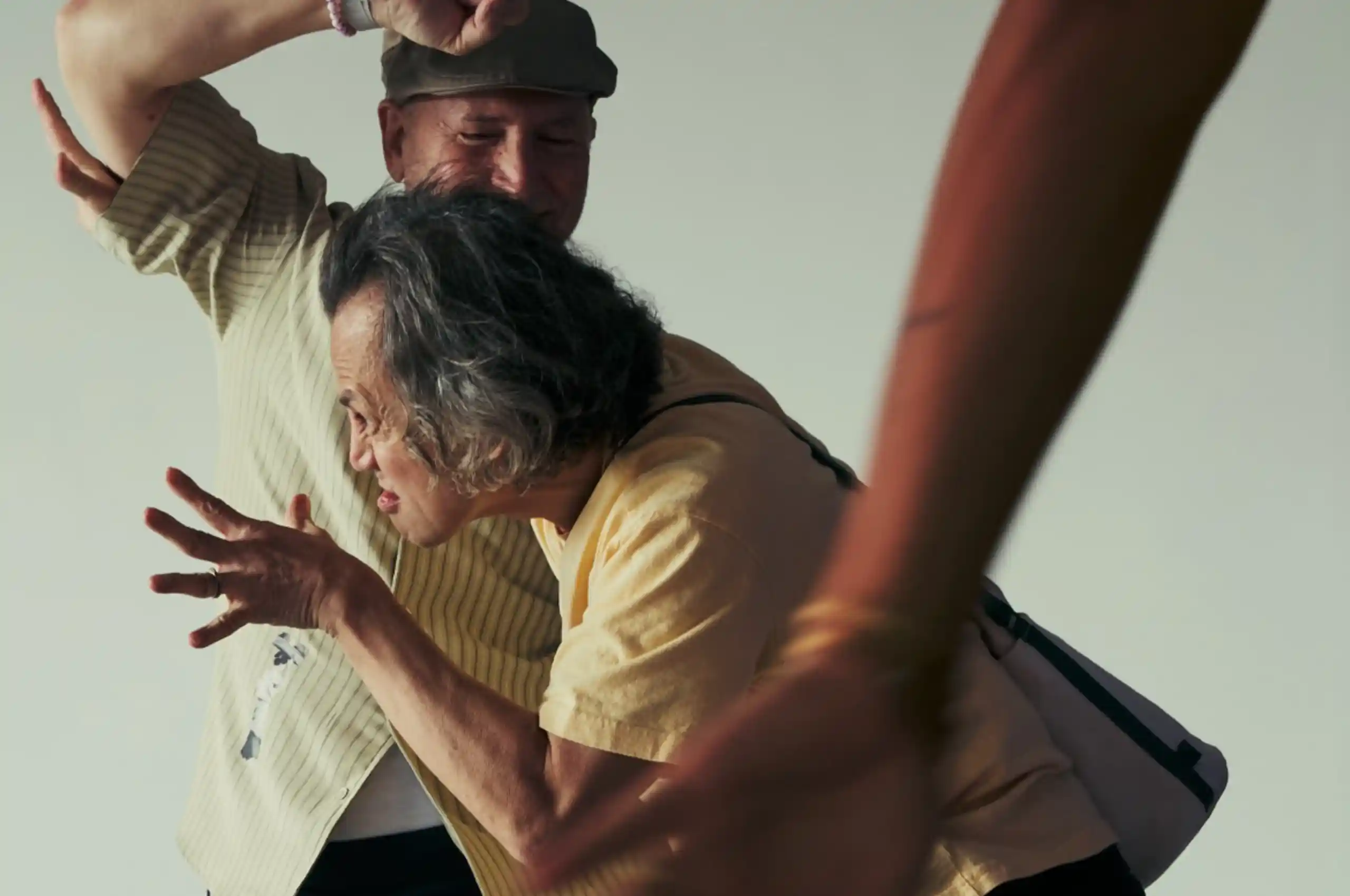
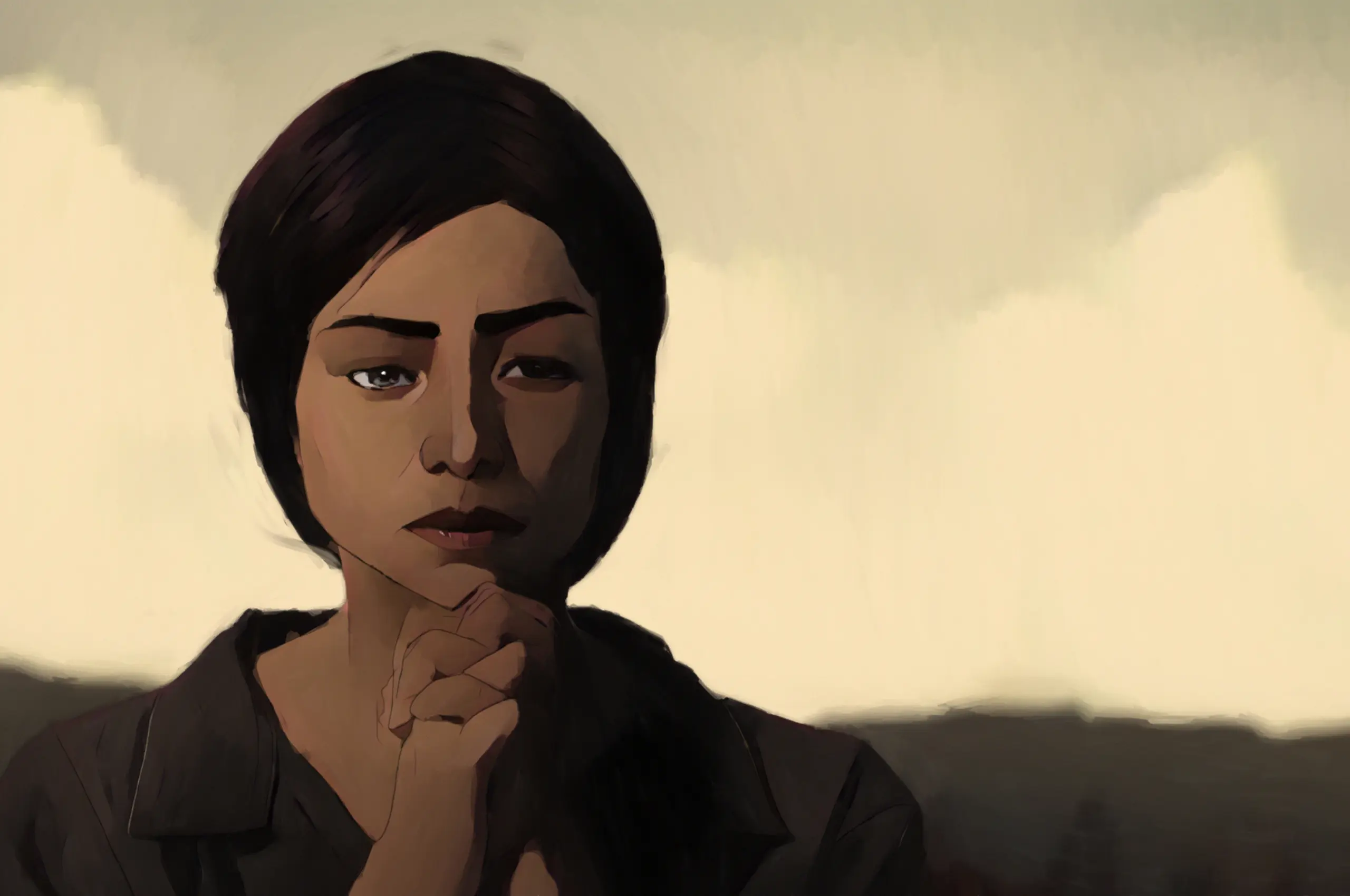
The film revisits the massacre through the story of Reynaldo “Bebot” Momay (Ricky Davao), the photojournalist whose body was never recovered from the site. His story was detailed by his daughter, Reynafe “Nenen” Momay-Castillo (Glaiza de Castro), and with the use of rotoscoping medium, Papa fills in the details that could not be captured by actual news reports and archival footage.
Watching 58th was heavy, to say the least. It starts with a Zoom call between animated Nenen and a filmmaker (Mikoy Morales), where she introduces her loving father and how passionate he was about journalism. Throughout the call, her recounting of the events and her years-long search for closure and recognition is what gives the docu-drama a more deeply personal weight.
The rotoscope is also able to bring both Nenen and the filmmaker back to the past to see certain scenes, and the viewers are given a visceral way to witness the same events alongside her. The viewers get to see Nenen visit the actual crime scene with the hope of retrieving her father’s body, only to leave empty-handed. She then visits a funeral home, where she had to beg another family who had already claimed a body of their own to see if it was actually her father behind the veil.
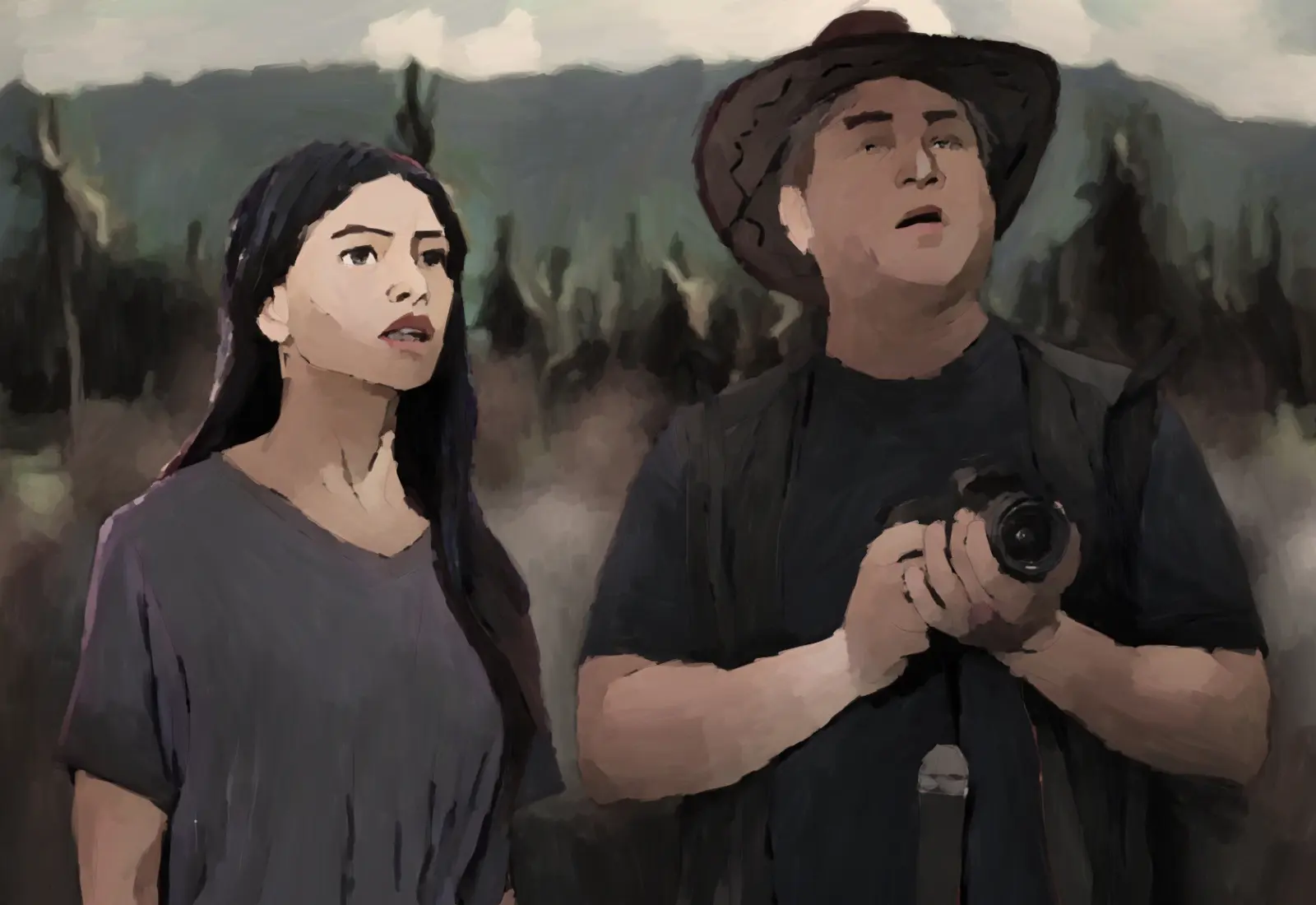
What made the film more chilling was the way it moves between the rotoscoped animation and the use of actual footage. The rotoscope somehow offers just enough distance from the horror, while the montages give us a glimpse of what the tragedy was really like at the time.
The film captured that mounting anxiety following the convoy carrying the wife, relatives, and supporters of then-Buluan Vice Mayor Esmael Mangudadatu, as well as lawyers and the media, on their way to file his candidacy before they were later killed. The filmmakers had to rely on witness accounts and court papers to recreate these moments, the animated sequence filling in the gaps left by the absence of real visual records, without losing sight of the tragedy’s weight.
Seeing the aftermath through the real footage was gripping, with the bodies having to be excavated using a backhoe after being buried along with the vans used. We were left to see the blood, the covered bodies, and how they had already been rotting.
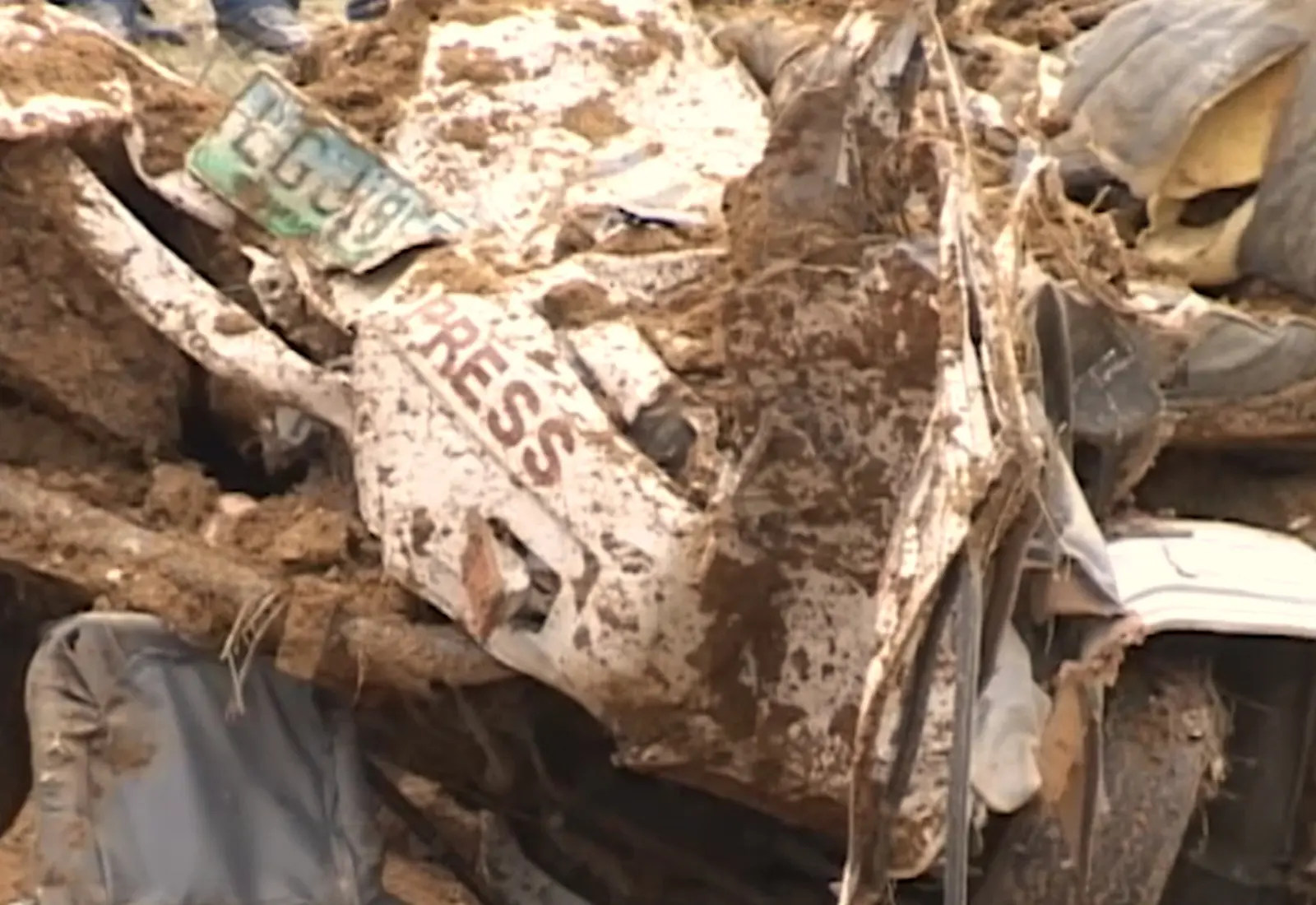
It was an inspired and deeply telling choice that the filmmakers decided to show the real faces of the perpetrators instead of relying on animation. Their real faces were plastered on the screen for audiences to bear witness to and remember.
Later on, the film shows us a footage of the December 2019 ruling, where the court only charged 57 counts of murder against the Ampatuans after authorities were only able to fully recover the same number of bodies from the crime scene. The film then shows the animated Nenen crying over the disappointment of her father not being among those recognized, leaving her without the clarity she had long prayed for.
At the end of the film, the animation disappears, and we see the real Nenen visiting the site where her father and the 57 other victims of the brutal killings lie. The real Nenen says she no longer holds fear and remains on the quest for closure. This shift from animation back to reality served a good reminder that this isn’t just a movie, but an actual event that happened in history, one that Nenen continues to live with.
FREQUENCY ASKED QUESTIONS
58th is a rotoscope-animated docu-drama directed by Carl Joseph Papa that revisits the 2009 Maguindanao Massacre through Reynafe Momay-Castillo’s search for her missing father, photojournalist Reynaldo Momay.
The Maguindanao Massacre was a 2009 attack in Ampatuan, Maguindanao that killed 58 people, including 32 journalists, making it the deadliest single-day attack on journalists on record.
58th uses rotoscope animation to recreate scenes no footage exists for, giving the film a visceral yet distanced way to depict the brutal scenes that witness accounts alone could not capture.
58th stars Glaiza de Castro as Reynafe “Nenen” Momay-Castillo and Ricky Davao as her father, photojournalist Reynaldo “Bebot” Momay, with Mikoy Morales playing the filmmaker interviewing her.
In December 2019, courts convicted the Ampatuans on only 57 counts of murder, matching the number of bodies recovered. Since Reynaldo Momay’s remains were never found, he was never formally counted.
Recommended Video