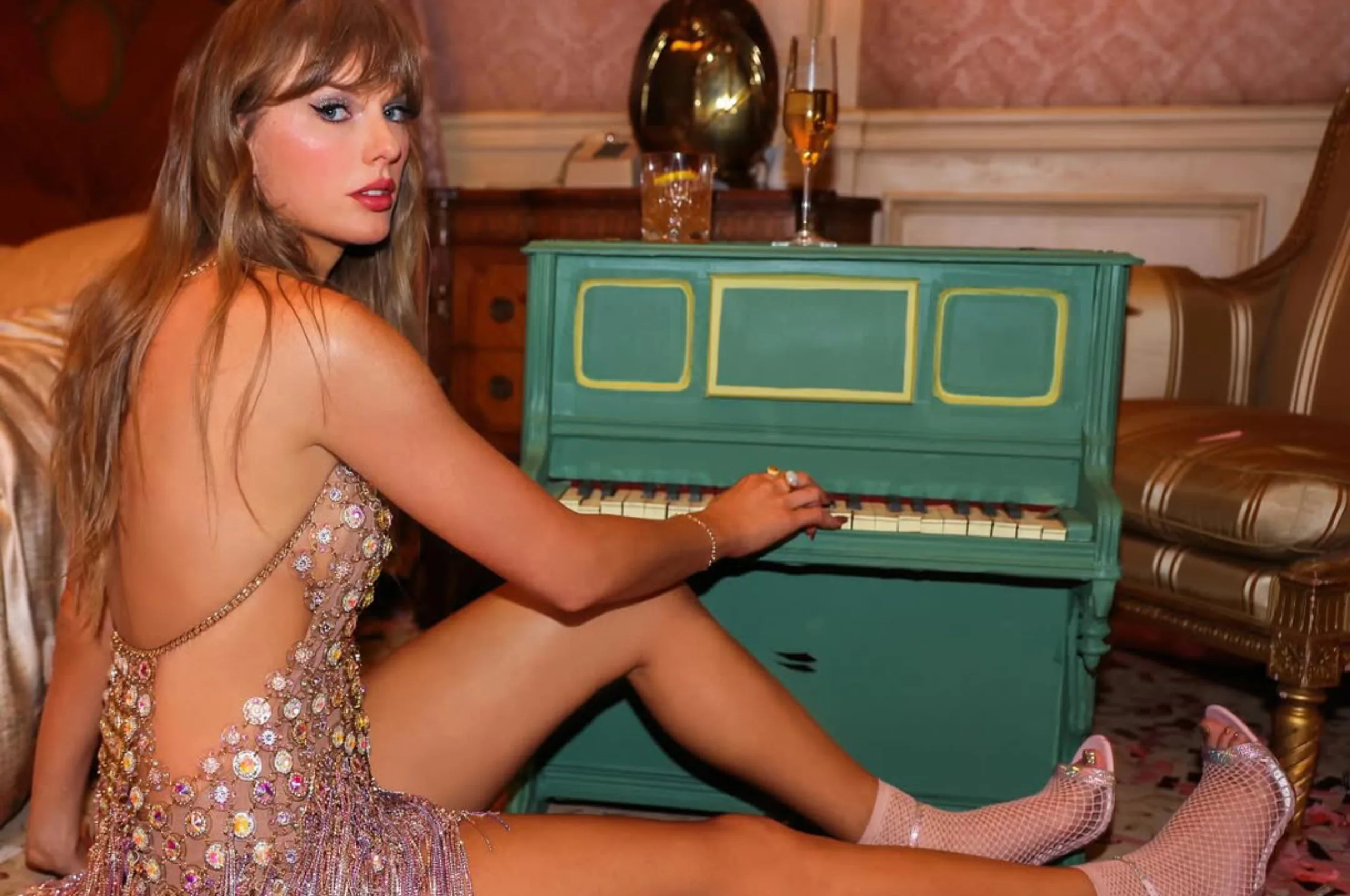
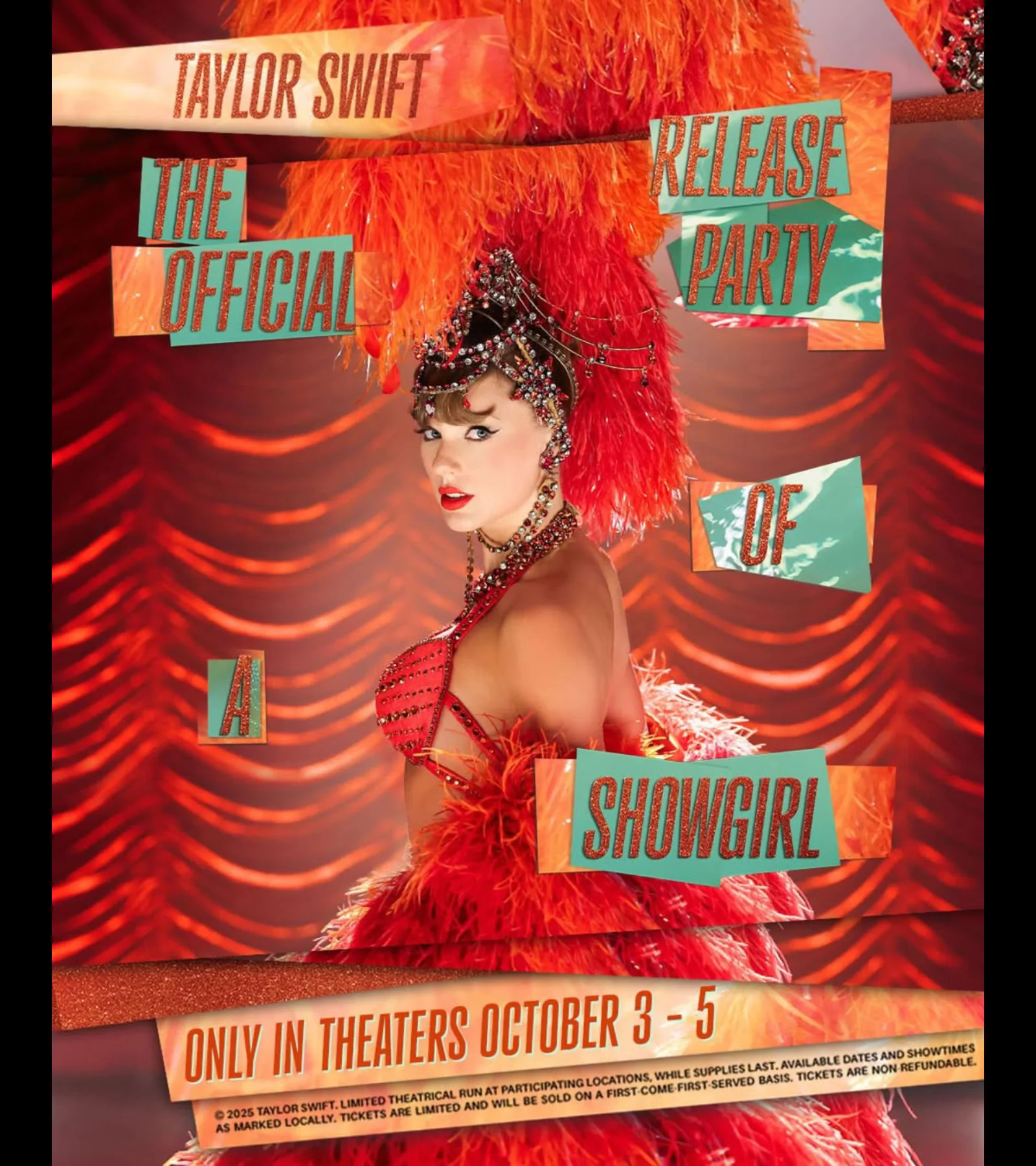
Taylor Swift ruled the weekend box office as The Life of a Showgirl: The Official Release Party opened at No. 1 with $33 million. The figure is remarkable not only for its scale, but for its timing. The pop star’s cinematic event was announced September 26 and still managed to outdraw Hollywood’s biggest heavyweights. Swift’s 89-minute music video earned $34 million in the U.S. opening box office, beating One Battle After Another starring Leonardo DiCaprio and The Smashing Machine with Dwayne Johnson — two of Hollywood’s biggest stars only generating a combined $28 million during its opening weekend.
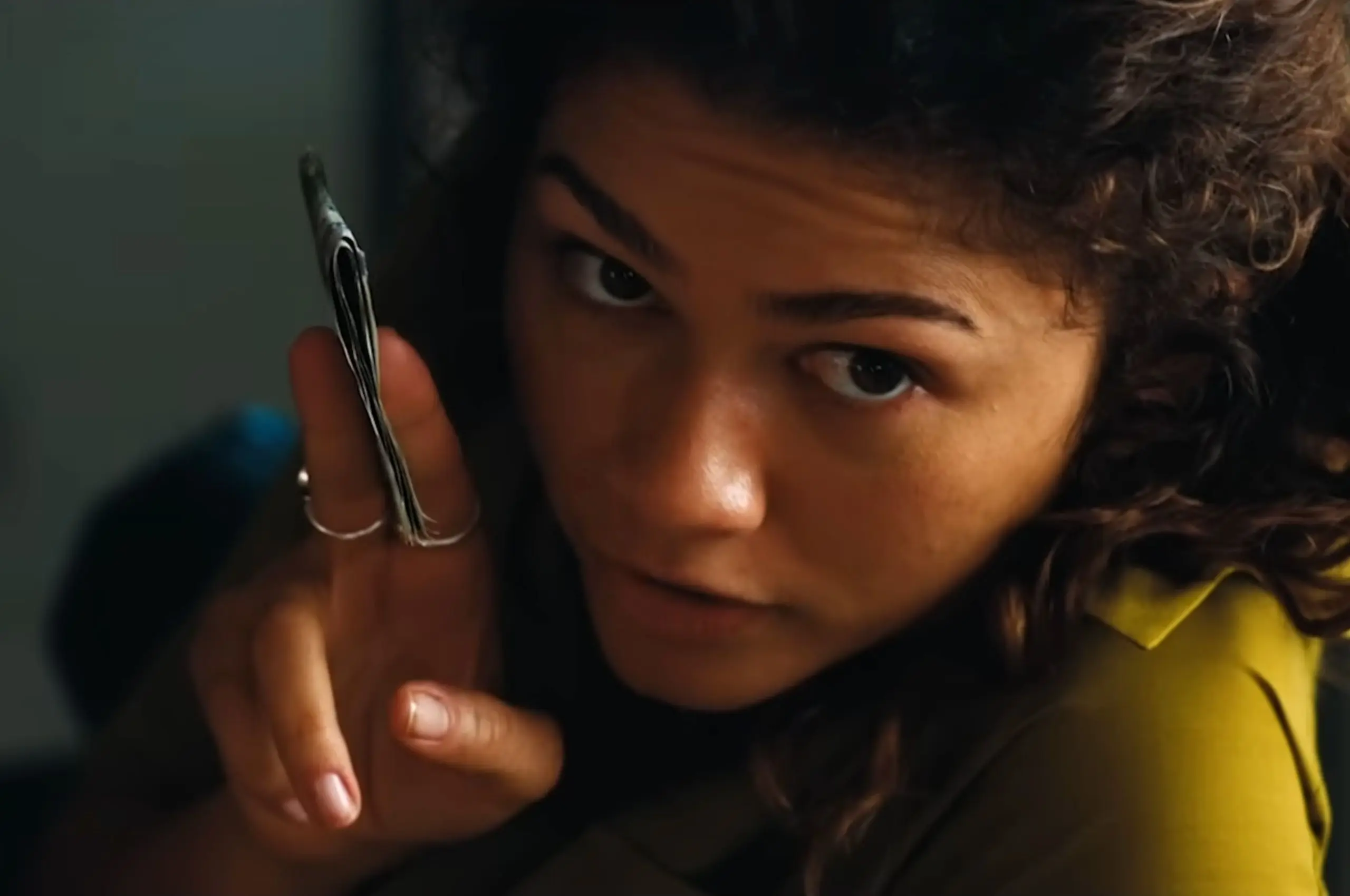
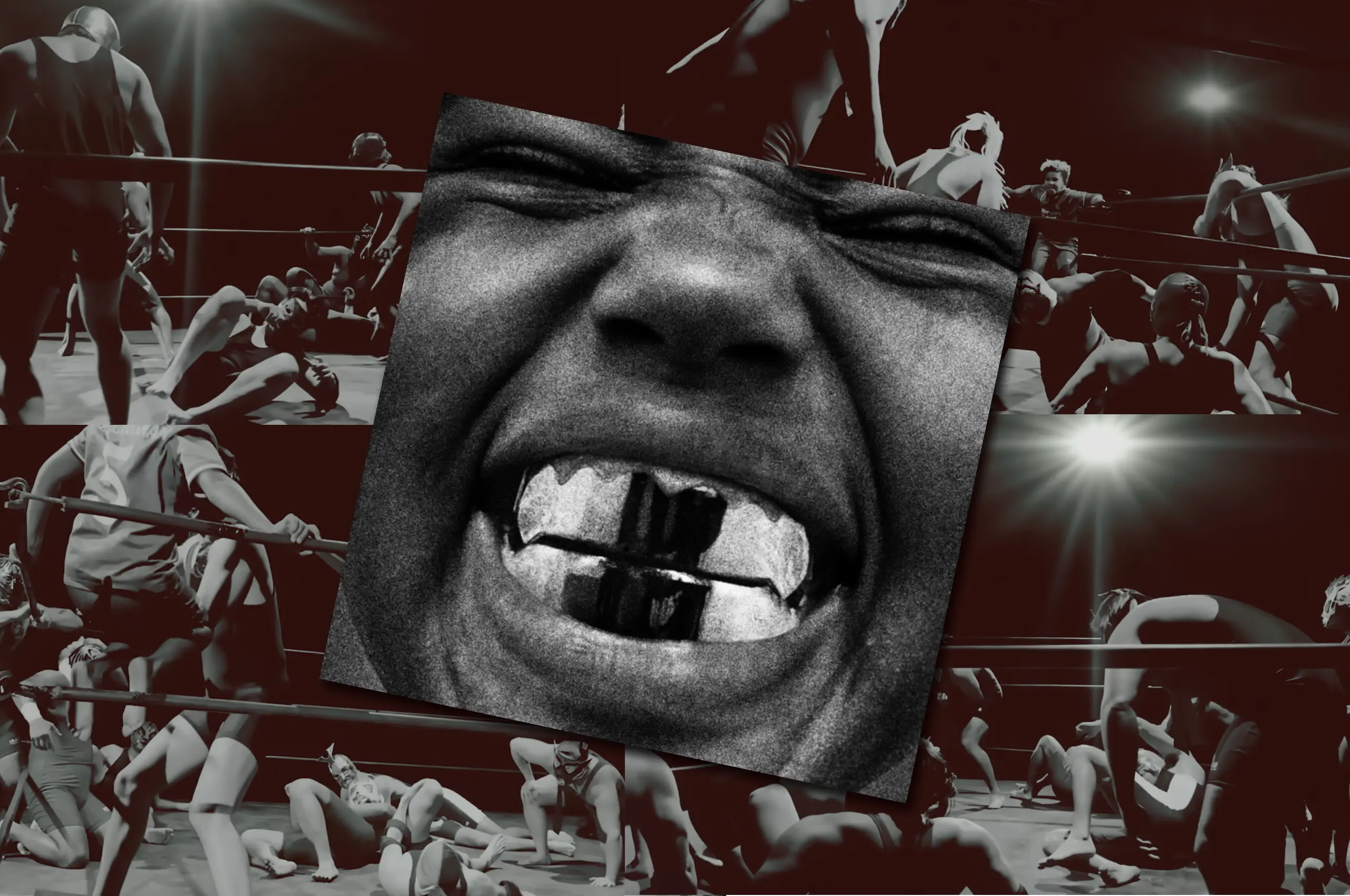
For DiCaprio and Johnson, the loss is more than a numbers game. One Battle After Another, directed by Paul Thomas Anderson, a political drama aimed squarely at the film awards season, brought in $22 million despite strong reviews and a prestige marketing push. The Smashing Machine, another Oscar hopeful by Benny Safdie and film production company A24’s bid to reshape Johnson in an arthouse sports biopic, opened with just $6 million — an underwhelming figure for a film meant to introduce the actor’s “serious” side.
Despite its Venice Film Festival premiere and the heavy talk around Johnson’s transformation, the audience wasn’t there. PostTrak data showed that nearly 70 percent of ticket buyers were male and 64 percent were between the ages 18 of 36. While this is typical for most of Johnson’s action movies, this is far from the arthouse appeal A24 was hoping for, which is mostly within the 55-year-old and above bracket; this demographic only comprised 8 percent of viewers for The Smashing Machine.
Swift’s film, on the other hand, turned the act of watching a music video into a communal spectacle. It was a theatrical extension of fandom, pulling in concert-level crowds to what was essentially a glorified album launch. For theaters, it was proof that urgency still sells — events that feel part of the cultural conversation will always pull stronger numbers than films that rely on prestige alone.
In a weekend that pitted “serious cinema” against the pop music juggernaut, Swift’s dominance showed where the center of gravity now lies. Viewers picked communal joy over contemplation, the glitter over the grit. It’s not just about fandom but access, with pop being the most democratic form of entertainment. For all the craft and conversation surrounding DiCaprio and Johnson’s films, it was Swift’s world that filled theaters, again reminding Hollywood who really moves the crowd.