

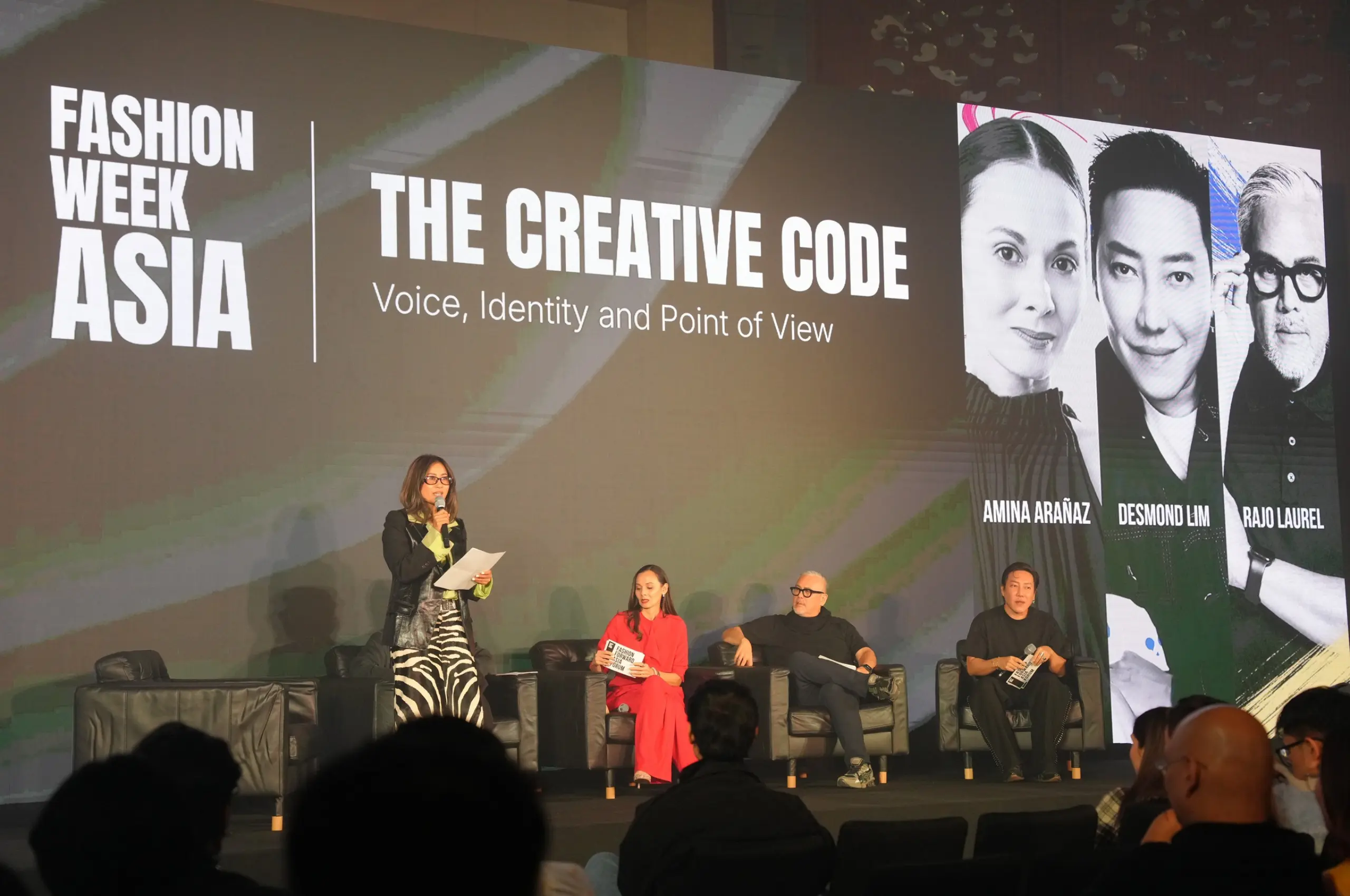
On October 23, the inaugural Fashion Week Asia in Manila brought together industry leaders and designers from across the region, not just to showcase their work on the runway, but also for a discussion on the ins and outs of the industry. At the Fashion Forward Forum, the Asian designers unpacked what makes the industry work and the realities of making a sustainable living within it.
The forum featured five panel discussions with varying core themes, two of which examined fashion in two contemporary perspectives, which are on designer’s identity and creativity, and the practical considerations of having fashion as business.
The session kicked off with the discussion on The Creative Code, where panelists Toton Januar of Toton, Amina Alunan of Aranaz and SoFa Institute, Desmond Lim of Vogue Singapore, and Filipino designer Rajo Laurel talked about their creative voice, fashion identity, and how their individual perspectives influence their designs, moderated by Vogue Philippines Deputy Editor and Fashion Director Pam Quiñones.
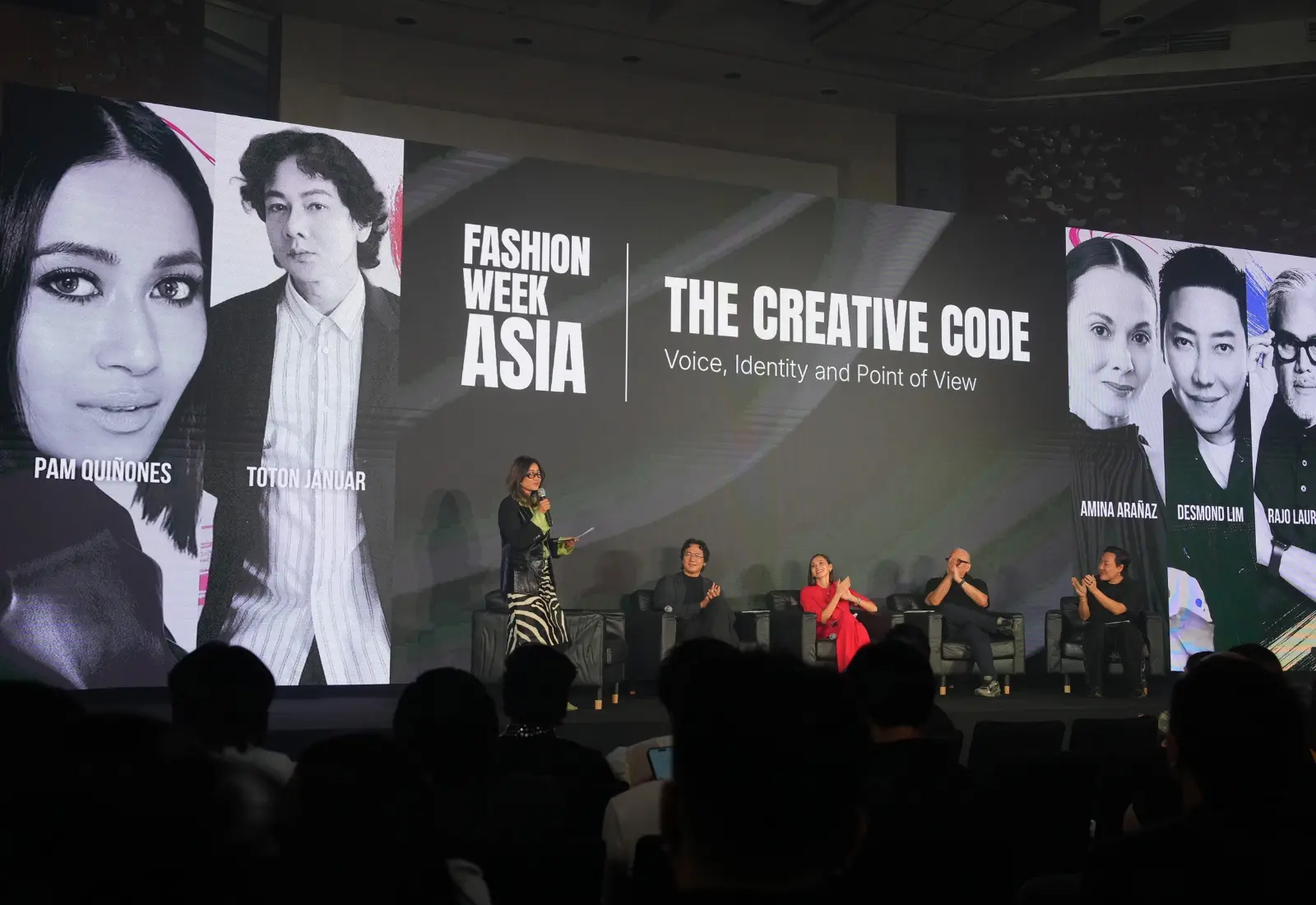
For Toton Januar, inspiration is not confined to aesthetics alone. His ideas, for example, stem from lived experiences and emotions stirred by the events that surround him. “Most of the time, I look around me, in my culture, what’s going on in my country, the political, economic turmoil,” he shared. The Indonesian designer adds that things that do not necessarily have anything to do with fashion per se, can be actually of influence — they can also be a way to express emotions and opinions through artistic expression.
Alunan, meanwhile, said that self-understanding and experimentation can be a way to go. “You will eventually start creating your vocabulary through hit-and-miss experiences in the workspace. But it takes time. Definitely takes time. You have to allow yourself to make mistakes,” she added. Laurel echoed this statement, saying that experimenting indeed is key, and that mistakes are the “windows to pure creativity.”
Laurel added, “If you’re too cautious, you won’t be able to create this wonderful Pandora’s box of possibility.” For Desmond Lim, the value of curiosity and a personal understanding of culture are essential to creating work that feels authentic to the self rather than simply following algorithmic trends.
But really, finding a creative voice and distinct identity is not the only challenge. Just like any other creative field (as many Asians understand), it’s a must to balance creativity with the realities of building a brand.
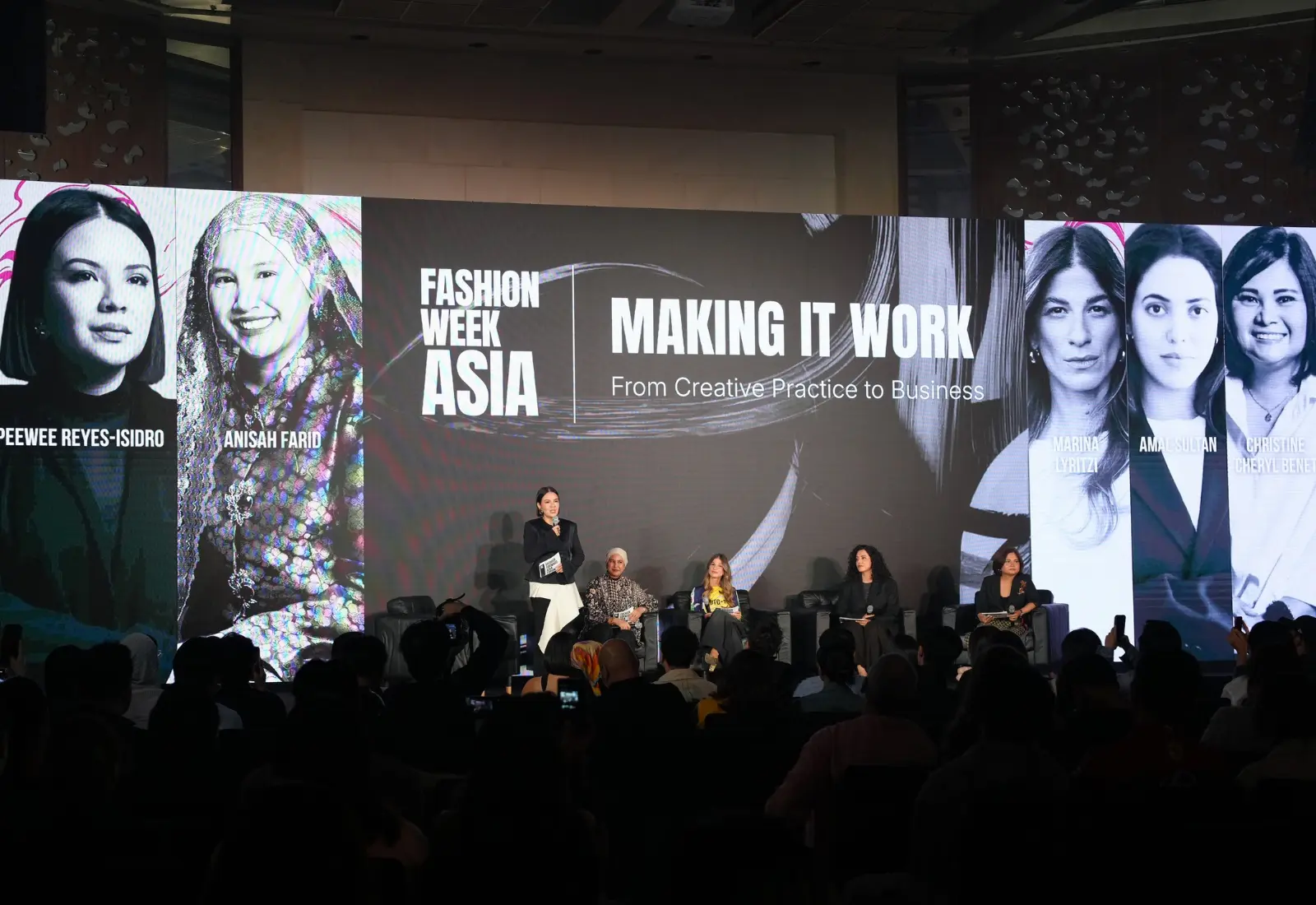
Following the panel on creativity was “Making It Work: From Creative Practice to Business,” where designers Anisah Farid of PLAZÄ, Marina Lyritzi of FWS2, Amal Sultan of L’Adresse Showroom in Paris, and Christine Benet of Slim’s Fashion and Arts School shared their takes on the technicality of the field: fashion as a business of decisions and systems. The session was moderated by MEGA Magazine Editor-in-Chief Peewee Reyes-Isidro.
For these designers and fashion leaders, it takes more than talent alone if one intends to make a living out of the field. It’s the innovation that can draw people in, but market research and proper pricing are what make them stay. “Creativity is diverse and broad. But matching it to a particular market can become the biggest disconnect and cause of failure,” said Benet. She added that designers can start with serving a market they actually belong to so they understand and personally experience the demand. “Choose smart and be a strategist,” she said.
Recommended Video