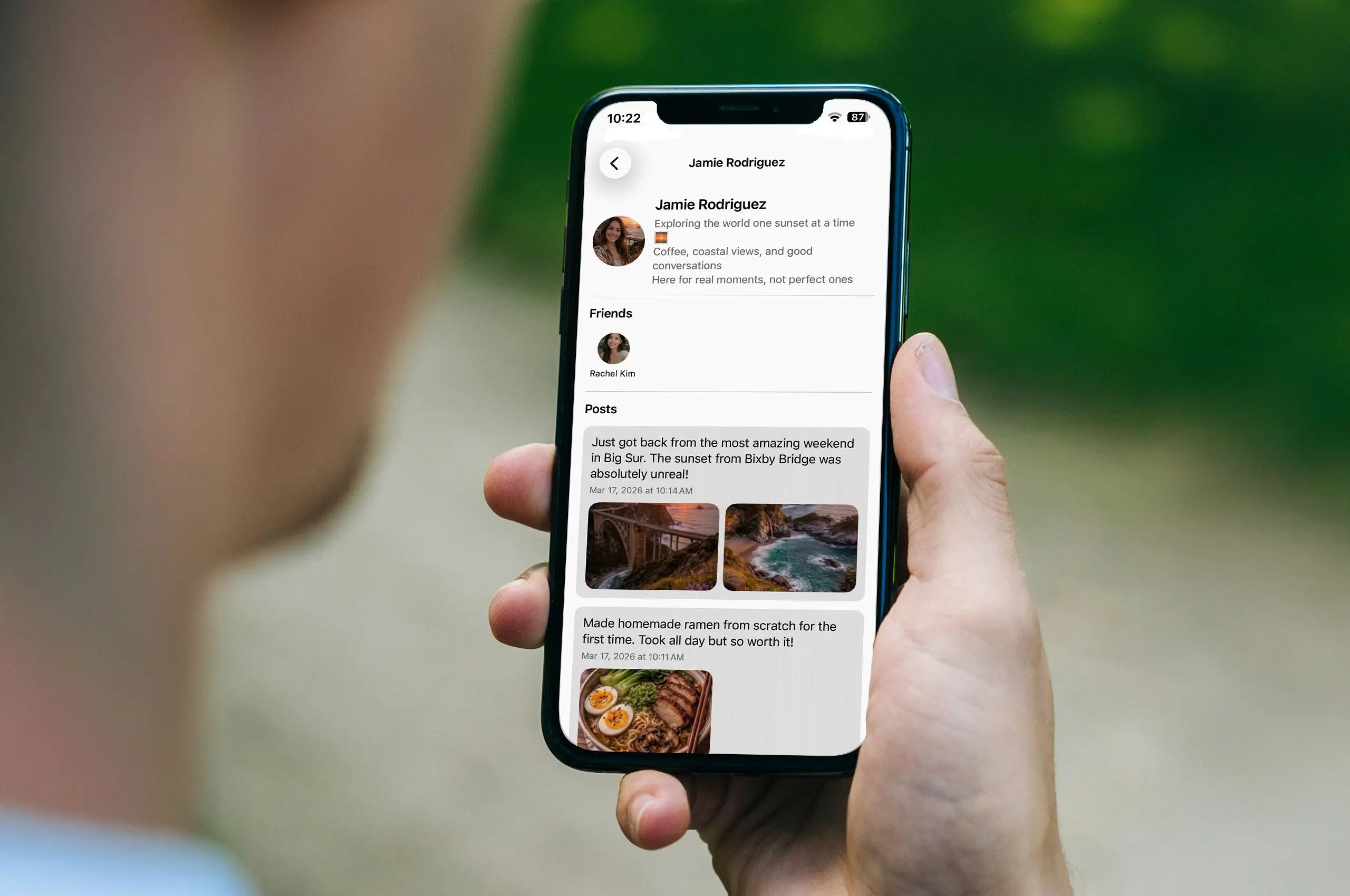
Remember Friendster? Launched in 2003, the social networking site fell off the face of the internet in 2015, unable to keep pace with other rapidly growing platforms at the time, such as Facebook, Instagram, and Twitter (now X). But with the “enshittification” of social media, Friendster has suddenly returned, and its promising new privacy policy and features might just change the way we interact online.
“Friendster helps you connect with people you actually know,” says Friendster’s landing page. “No ads. No algorithms. No spam. And we never sell your data.”
The website furthermore says that the platform is “built for real-life friends” and will not suggest strangers for users to connect with. It’s a far cry from the algorithm-based social feeds of Instagram, TikTok, or X, where you may see posts from users you may neither know nor follow. As such, Friendster also promises, “No engagement bait, no rage farming, [and] no feed manipulation.”
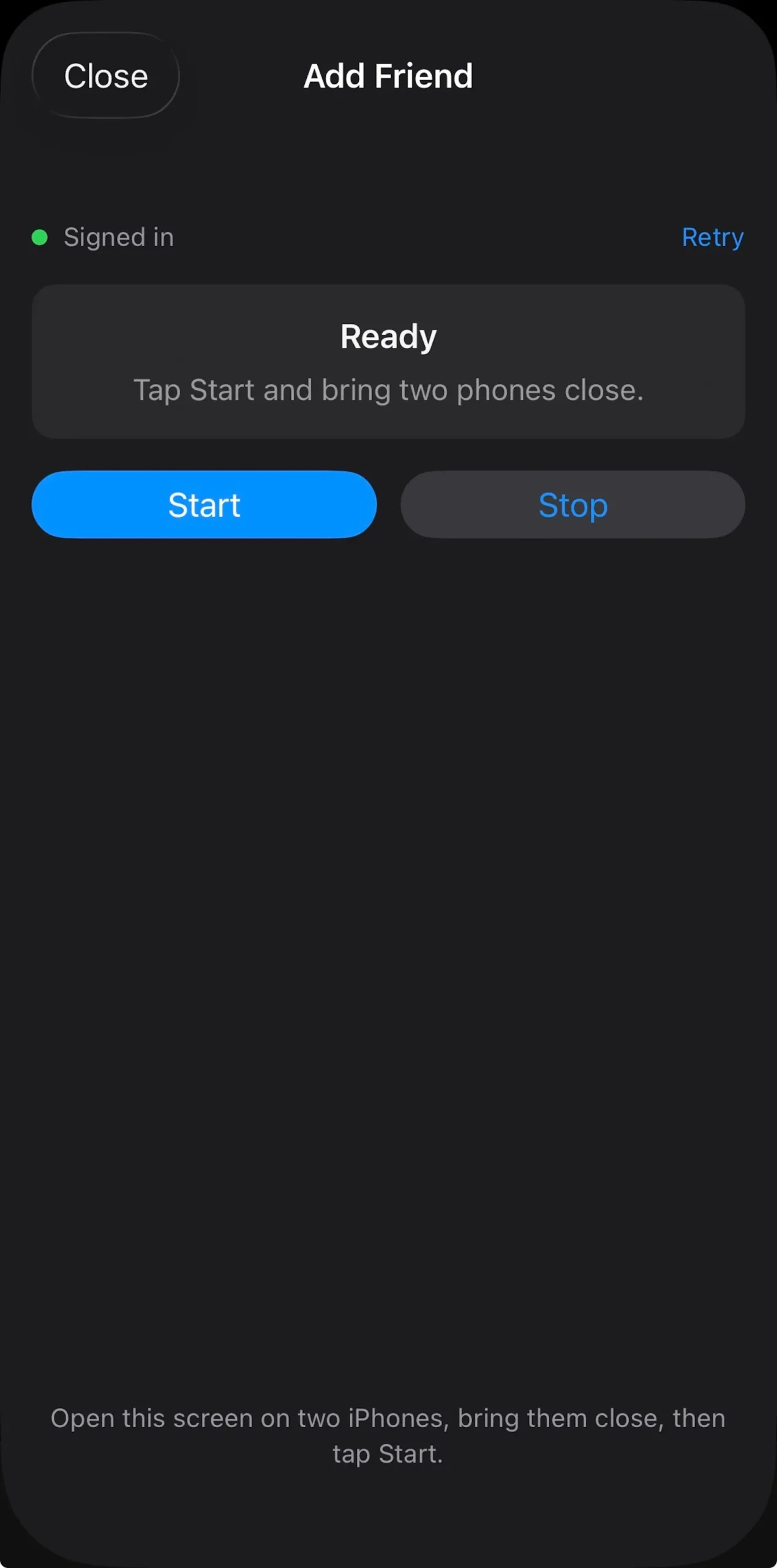
The platform is currently only available on iOS. To add friends on Friendster, users must open the app and tap their iPhones together. “The idea that the only way to connect as friends on Friendster is by tapping phones was fun, because it would promote people meeting in person,” said computer programmer Mike Carson in his blog. “It would also verify that you are connecting to real people, and people that you actually want to connect with.”
Encouraging Offline Connections
Carson had bought Friendster’s expired domain name and trademarks between 2023 and 2025, and has since worked to develop a new platform.
Whether Friendster will expand to Android users or the web, and how it can make a profit without ads and limited services, remains to be seen. Carson says, “I don’t really care about making money from Friendster, but I’d like it to eventually pay for itself. I’ll probably offer a paid plan for premium features down the road — but that’s a problem for later.”
Carson also says he’s experimenting with a couple of features to add to the platform. One will let users send messages to friends of friends. “The hope is that people use it as a reason to actually meet up — connect on Friendster the real way, by tapping phones in person,” he says. The other feature is fading connections, in which a Friendster connection softens if two users go a full year without tapping their phones together. Carson says that the feature would be a “gentle nudge that real friendships are kept alive in person, not online.”
Recommended Video