

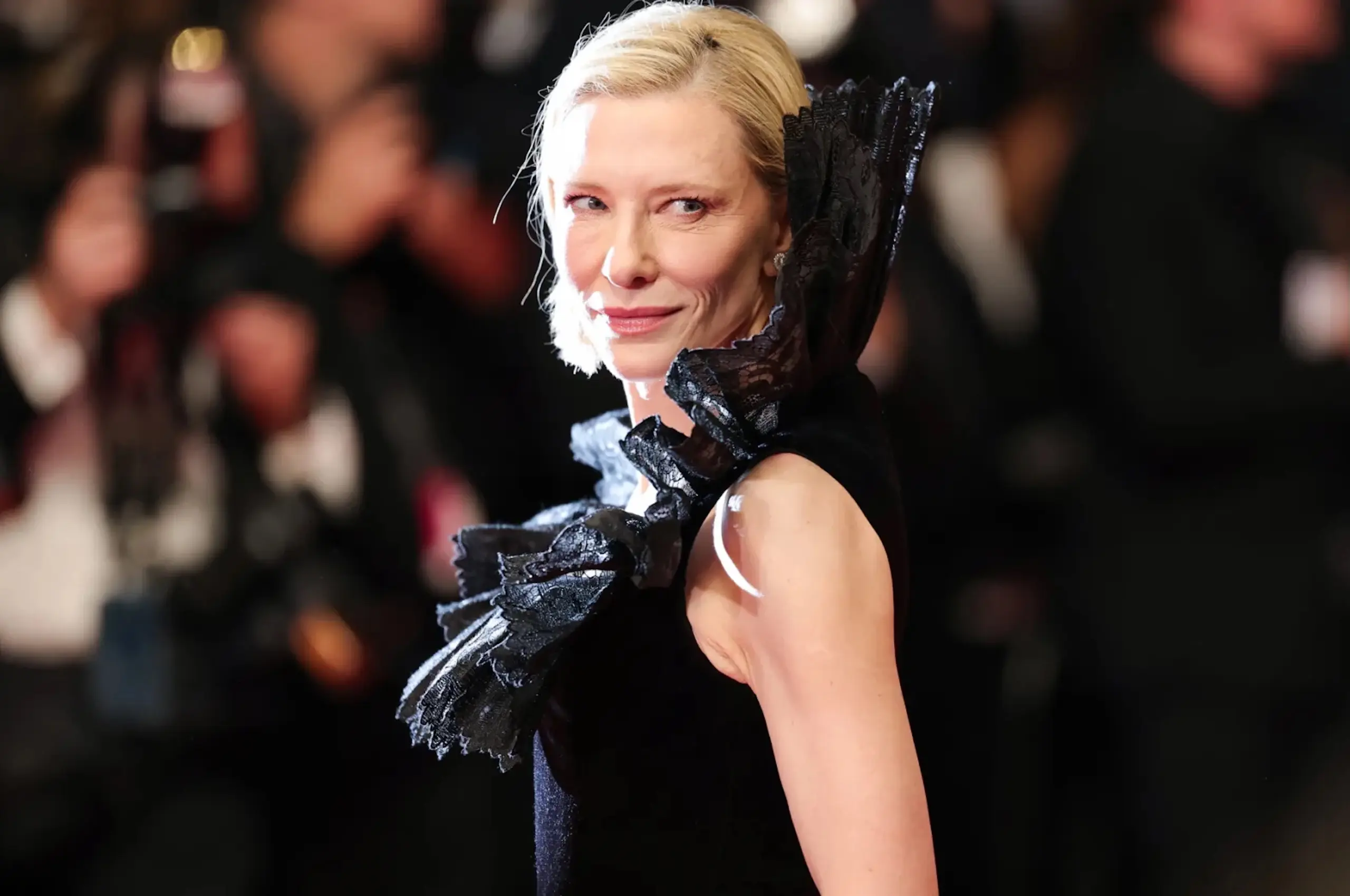
Cate Blanchett reflected on the #MeToo movement in Hollywood during an interview event at the Cannes Film FestivalFilm FestivalAn organized event that screens a curated selection of films, often with premieres, awards, and talks with filmmakers. Festivals are important launching pads for independent and international cinema, and inGo to Film Festival Glossary on Sunday, noting that it didn’t last as long as was hoped.
“It got killed very quickly, which I think is interesting,” Blanchett said. “There are a lot of people with platforms who are able to speak up with relative safety and say this has happened to me. And the so-called average woman on the street, person on the street, is saying me too. Why does that get shut down? What it revealed is a systemic layer of abuse, not only in this industry, but in all industries, and if you don’t identify a problem, you can’t solve the problem. If you shut that conversation down, you can’t move on.”
She said the imbalance of power continues to exist on film sets when she’s working. “I’m still on film sets and I do the headcount every day, and it is still, you know—there’s 10 women and there’s 75 men every morning,” she said. “I love men, but what happens is the jokes become the same. You just have to brace yourself slightly, and I’m used to that, but it just gets boring for everybody when you walk into a homogeneous workplace. I think it has an effect on the work.”
Cate Blanchett asks why the #MeToo movement got shut down and says it was "killed very quickly."
— Variety (@Variety) May 17, 2026
“What [the movement] revealed is a systemic layer of abuse, not only in this industry but in all industries, and if you don’t identify a problem, you can’t solve the problem.”… pic.twitter.com/sZuul8UbEa
During the broad-ranging conversation, Blanchett also spoke about the importance of Hollywood as a place for political discussions, including the ongoing conflict between Israeli and Palestine.
“It’s a sad state of affairs when film festivals suddenly become the only places where one can talk about wars, conflicts, genocides as if they’re going to be solved here,” Blanchett said. “It’s very important to keep those things on the public radar. I just wish that the question times in various parliaments around the world were much more honest and working towards solutions, because it’s appalling and enraging what’s going on in the world.”
Cate Blanchett was thanked at #Cannes for speaking out about Palestine, to which she said:
— Variety (@Variety) May 17, 2026
"It's a sad state of affairs that film festivals suddenly become the only place where one can talk about wars, conflicts, genocides, as if they're gonna be solved here."… pic.twitter.com/RxpMzufaPr
Blanchett shared her thoughts on AI as well, noting that her main concern is one of “consent.” “Human consent has to be placed front and centre, so that innovation can sit side by side with the human hand,” she explained. “There is now an inevitability with AI, and it’s a very powerful tool. Like any powerful tool, it needs to be handled with respect and with caution.”
She added, “I find the notion of homogeneity incredibly dull and very uninspiring. I mean, that’s an interesting toy to play with, and it might be useful in some arenas. I think it’s when it becomes more chromatic, and you realize perhaps what is really behind that is the fact that they think it’s cheaper.”
This article was originally published on rollingstone.com.
Frequently Asked Questions
At the Cannes Film Festival in May 2026, Cate Blanchett said the #MeToo movement “got killed very quickly” in Hollywood. She argued it exposed a systemic layer of abuse across all industries and criticized how quickly the wider conversation was shut down.
Blanchett believes #MeToo was silenced because confronting abuse forces industries to acknowledge systemic problems. She noted that people with platforms could speak up safely while the “average woman on the street” was shut down, arguing that suppressing the conversation prevents any real solution.
Blanchett said gender imbalance persists on film sets, describing a daily headcount of roughly 10 women to 75 men. She argued that homogeneous, male-dominated workplaces grow creatively dull and repetitive, and that this imbalance ultimately affects the quality of the work.
Blanchett called it “a sad state of affairs” that film festivals have become among the few places to discuss wars, conflicts, and genocides, including Israel and Palestine. She said keeping such issues on the public radar matters and criticized parliaments for avoiding honest solutions.
Blanchett’s central concern with AI is consent, insisting human consent stay “front and centre” so innovation sits alongside the human hand. She described AI as a powerful tool requiring caution and criticized homogeneity, suggesting cost-cutting drives much of its industry adoption.
Recommended Video
- In This Article:
- #MeToo
- Cannes Film Festival
- Cate Blanchett