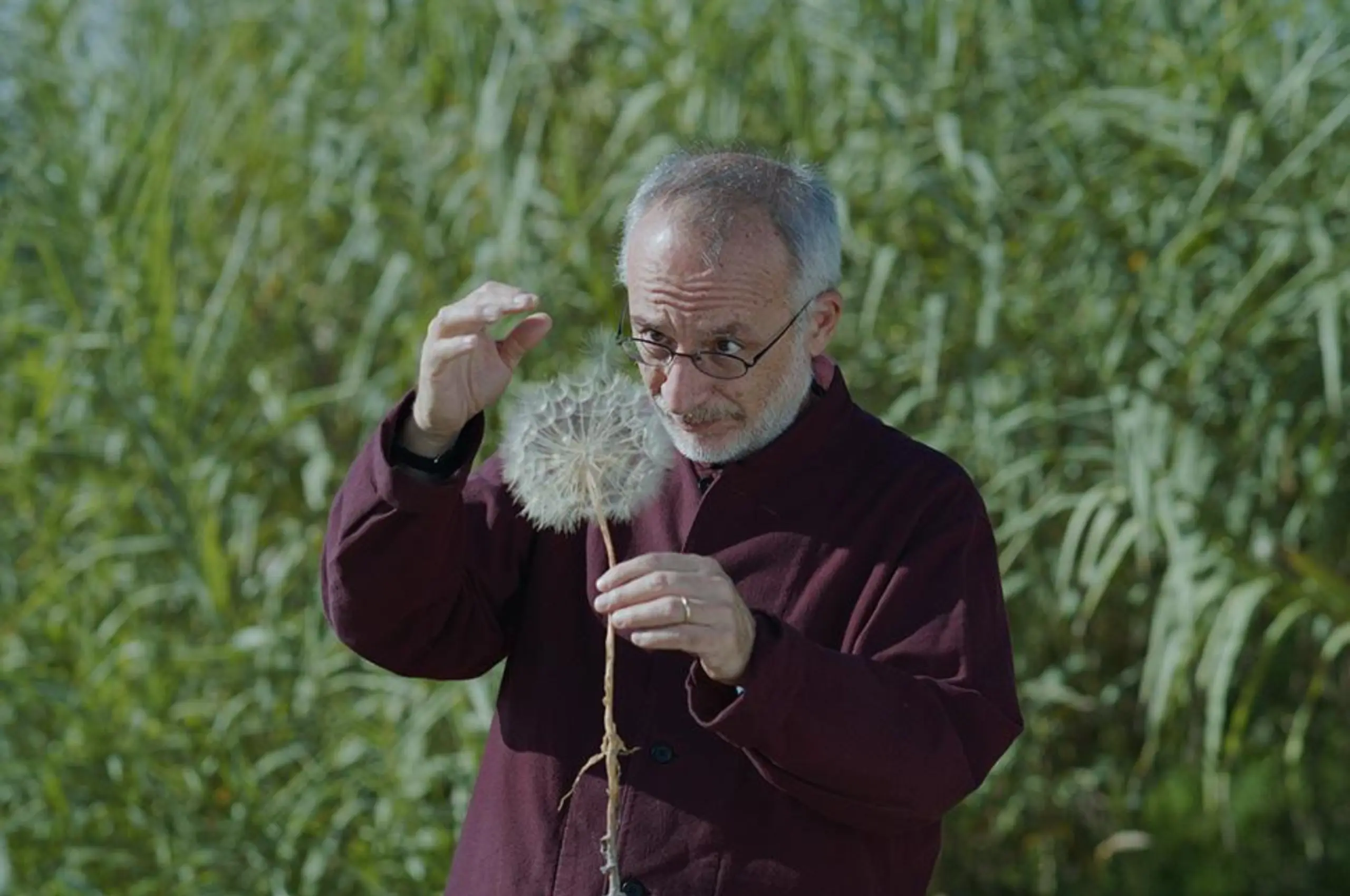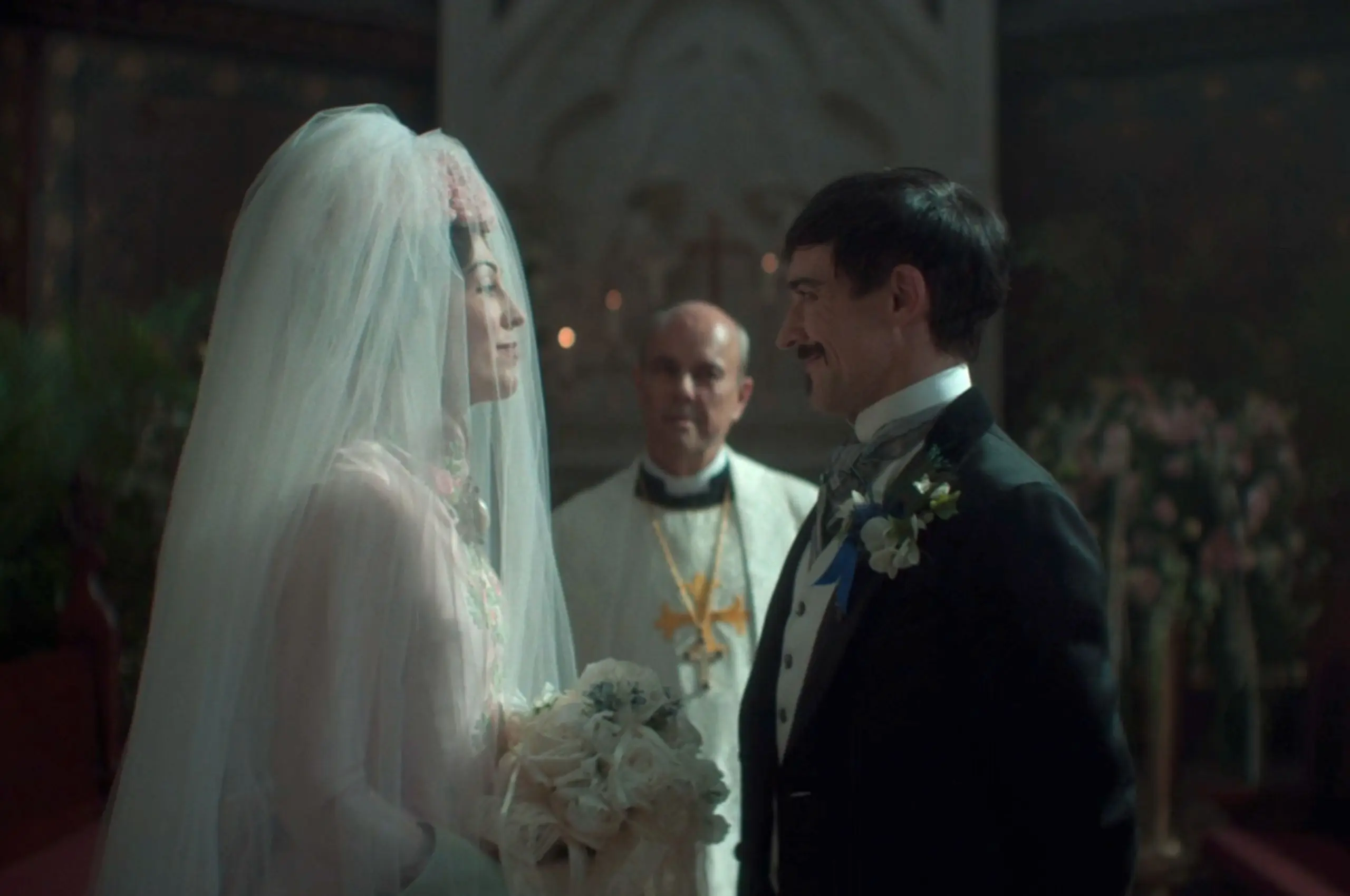



In one of Elizabeth Holmes’ many conversations with Nathan Fielder throughout the filming of You Can See Everything, she inadvertently asks the documentaryDocumentaryA nonfiction film that explores real people, events, or issues, using interviews, archival material, and observation to tell its story. Documentaries can inform, challenge, and move audiences, and Philippine filmmakersGo to Documentary Glossary’s inciting question: “Why would I deceive you?”
It’s meant to be rhetorical, as she asserts that she’s invited Fielder and co-director Lance Oppenheim’s film crew into her Palo Alto beach house to show everyone the real her and dispel supposed myths surrounding her and her failed health tech company, Theranos.
In the years since investigative journalist John Carreyrou’s bombshell exposé on the company in The Wall Street Journal, Holmes has come to be a lolcow. She’s a scam artist, like Anna Delvey, with the empty, reptilian gaze of a tech exec like Mark Zuckerberg. Her work and fall from grace are mythologized in many articles, the 2019 documentary The Inventor, and the Hulu drama The Dropout. I can’t count how many times I’ve seen people on my social media feed go as Holmes (or Amanda Seyfried’s version of her) for Halloween: white shirt, puffer vest, green juice in hand, awkwardly dancing to Lil Wayne’s “How to Love.”
One wonders where vitriol for Sunny Balwani, Holmes’ accomplice and ex-boyfriend, is in all of this, but the simple answer is that she was the face of Theranos. Before Holmes fell from grace, the media had propped her up as one of the few women shaking things up in Silicon Valley and challenging America’s brutally expensive healthcare system. But after the WSJ report revealed that Theranos could not produce the blood-testing machine it had promised investors, the company faced a slew of cases that ended with Balwani and Holmes going to prison for wire fraud and conspiracy.
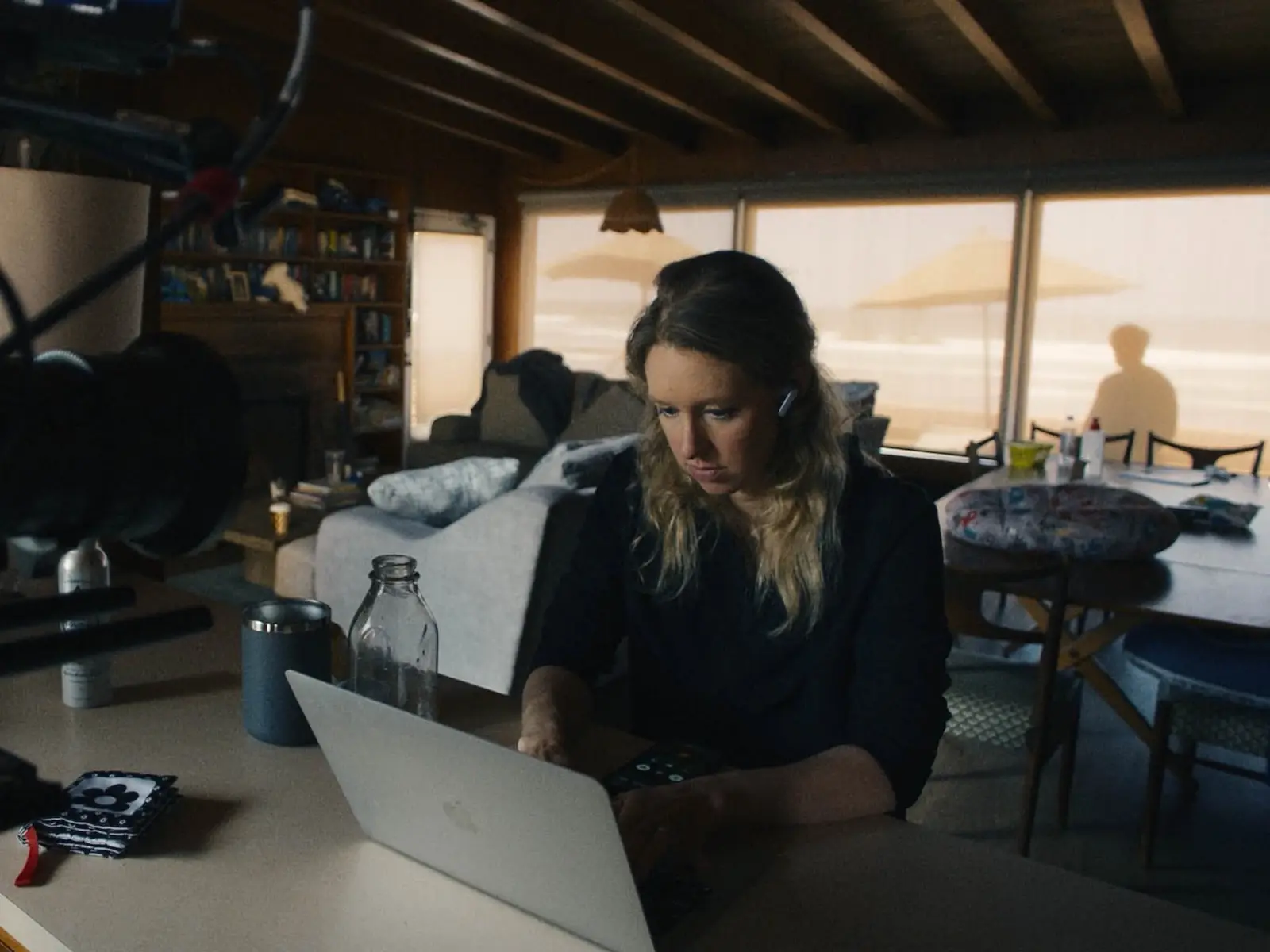
Now, You Can See Everything catches up with Holmes 34 days before she is due to report to prison in 2023. Living in a rented seaside cottage with her fiancé, businessman William “Billy” Evans, and their two children, she welcomes Fielder and Oppenheim’s cameras into her home, ostensibly to set the record straight.
Playing With The Truth
The objective of every documentaryDocumentaryA nonfiction film that explores real people, events, or issues, using interviews, archival material, and observation to tell its story. Documentaries can inform, challenge, and move audiences, and Philippine filmmakersGo to Documentary Glossary is to arrive at some sort of truth. Fielder and Oppenheim certainly begin with that intention, trying to understand Holmes and get her to account for the lies that brought down Theranos. But as their conversations go in circles, it becomes increasingly clear that they’re unlikely to get a straightforward answer from someone who has spent years defending her version of events in court.
The brilliance of You Can See Everything lies in its eventual acceptance of this futility. Rather than simply trying to expose Holmes as a liar, the film becomes fascinated with the mechanics of deceit itself: why would Holmes deceive us?
The first half tricks you into thinking that this is a relatively straightforward documentary about Holmes asserting her innocence in the weeks before reporting to prison. Fielder asks the questions you would expect, sometimes with his trademark deadpan bluntness, while Oppenheim’s camera observes the family’s routines at home. All of the conversations are awkward, and there are plenty of opportunities to wonder how someone who orchestrated one of Silicon Valley’s most notorious frauds can still seem so convinced of her own goodness. Holmes and Evans even entertain the possibility of reviving Theranos’ failed Edison machine through a new company, Haemanthus.
In the second half, Fielder and Oppenheim introduce reenactments, bringing in two beloved actors to revisit certain moments and interrogate the footage in ways that are both hilarious and deeply unsettling. I’ll spare you the details, because their eventual appearance genuinely had the screening room whooping like it was the final battle in Avengers: Infinity War. What I can say is that the second half totally transforms the documentaryDocumentaryA nonfiction film that explores real people, events, or issues, using interviews, archival material, and observation to tell its story. Documentaries can inform, challenge, and move audiences, and Philippine filmmakersGo to Documentary Glossary into an exhilarating drama, fundamentally changing how we understand what we’ve watched so far.
Watching Holmes also brought to mind Imelda Marcos in Lauren Greenfield’s The Kingmaker, and the compulsive liars I’ve encountered in my own life. Both women seem to have lied so much that they’ve distorted their own realities. In The Kingmaker, Marcos appears to genuinely believe that her ostentatious displays of wealth were essential to her role in “mothering” the nation. In You Can See Everything, Holmes and Evans seem equally convinced that they can still salvage her reputation and revive the dream of Theranos.
Who’s Controlling The Narrative?
What makes the film even more interesting is how it shifts our attention to Evans (or how much he makes himself the center of attention). Early on, Fielder asks him whether Holmes’ reputation as a fraudster ever dissuaded him from pursuing a relationship with her. Evans, somewhat unconvincingly, says no. But in the second half, particularly once Holmes is in prison, he begins to take over the narrative.
He becomes a more active presence in the filmmaking process, seemingly more invested in managing the story than simply supporting his partner through it. His eagerness to direct the filmmakers, his attempts to negotiate a deal with A24, and his tendency to speak on Holmes’ behalf suggest that he sees You Can See Everything as an image rehabilitation project.
Some of the film’s most absurd moments come courtesy of Evans, whose doting behavior toward Holmes often borders on infantilizing. In one particularly telling scene, Holmes attempts to whisk a few eggs before Evans snatches the bowl from her, making her look almost incapable of completing the task herself. His coddling can be difficult to watch, especially when it comes alongside remarks that reveal a rather troubling lack of respect for his partner. At one point, one of the actors brought in for the reenactments says, “He is batshit crazy!”
For a documentaryDocumentaryA nonfiction film that explores real people, events, or issues, using interviews, archival material, and observation to tell its story. Documentaries can inform, challenge, and move audiences, and Philippine filmmakersGo to Documentary Glossary, You Can See Everything also makes considerable use of narrative and dramatic devices, which only heighten the sense that we’re being performed for. At one point, Holmes invites Fielder to “jump in” with her into the water, but he seems uncomfortable with the suggestion.
Later, Fielder returns to the beach house to film a reenactment. He looks out the window, and we briefly see a man and woman playing together at the beach. The shot is presented almost casually, as though we’re simply seeing what Fielder sees outside. But in the end, we find out it’s a flashback, and that Fielder has indeed jumped into the water with Holmes.
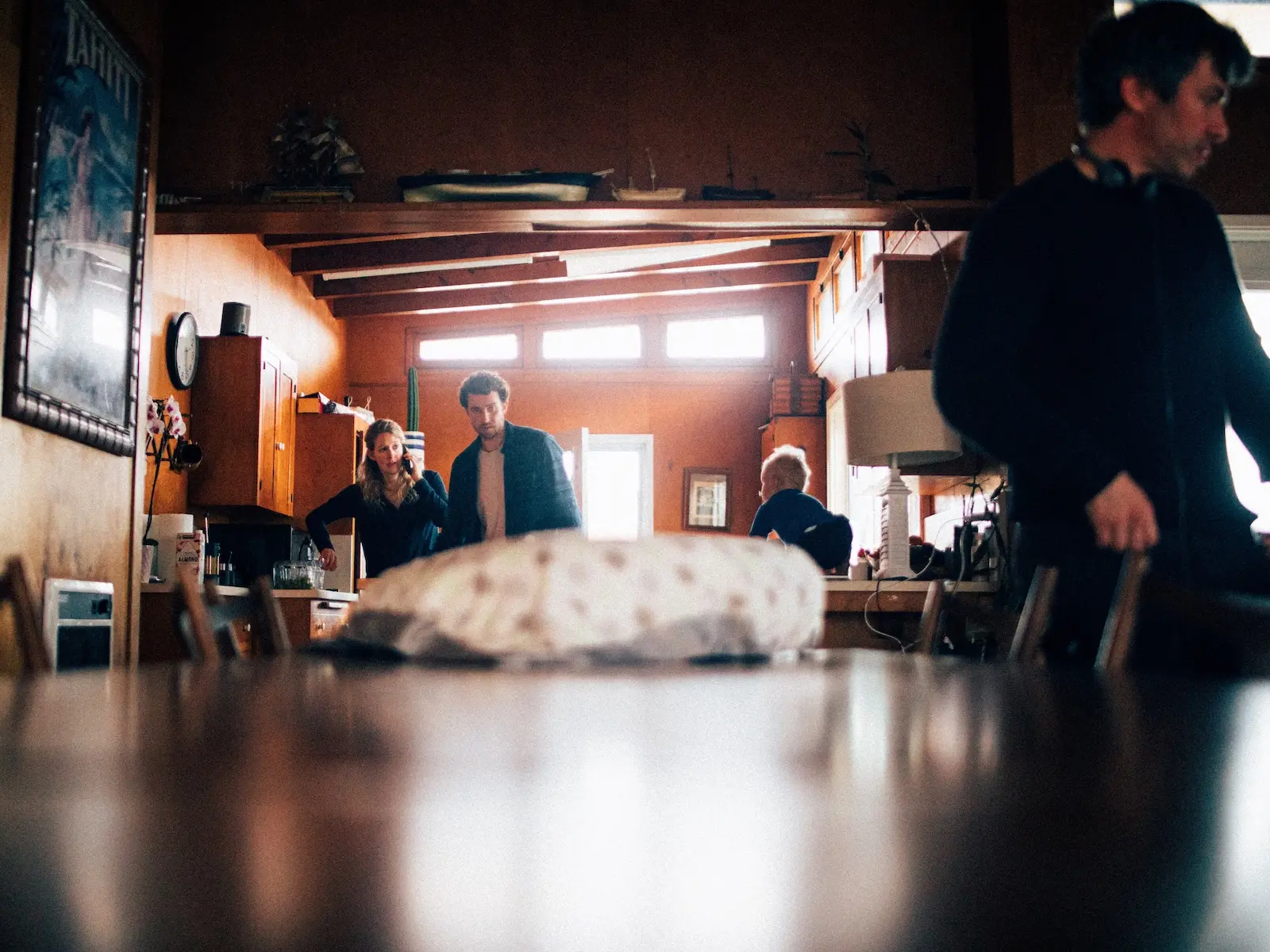
It’s both tender and disturbing, this idea that Fielder could hold compassion for his subject and be vulnerable to her. But is that not part of this documentary’s objective: to allow oneself to hear out this famed fraudster and possibly be deceived by her?
This is where You Can See Everything becomes particularly Fielder-ian. Anyone familiar with Nathan for You or The Rehearsal will recognize his fascination with performance and the blurred lines between reality and fiction. Here, those interests find especially compelling subjects in Holmes and Evans.
You Can See Everything is a genuine mind-bender, constantly challenging viewers to question the supposedly very real events laid out before them. Its nearly three-hour runtime is justified by the sheer number of ideas it manages to explore, from the psychology of deception to the ethics of documentaryDocumentaryA nonfiction film that explores real people, events, or issues, using interviews, archival material, and observation to tell its story. Documentaries can inform, challenge, and move audiences, and Philippine filmmakersGo to Documentary Glossary filmmaking, and the peculiar human need to believe in our own versions of the truth. It’s funny, uncomfortable, thrilling, and occasionally even moving.
More importantly, it posits that a notorious liar is just as fascinating as the people who believe them, enable them, or think they can see through them.
You Can See Everything opens in Philippine cinemas on November 18 and will also be screened at the 14th QCinema International Film Festival.
Frequently Asked Questions
Elizabeth Holmes is an American entrepreneur who founded Theranos, a health technology company that promised to revolutionize blood testing. She was convicted of defrauding investors after the company’s technology failed to deliver on its claims and was sentenced to 11 years and three months in prison.
Billy Evans is an American businessman and the longtime partner of Elizabeth Holmes. An MIT graduate whose family owns the Evans Hotels group in San Diego, he is also the founder of Haemanthus, a health technology startup focused on blood testing.
Theranos was a Silicon Valley health technology startup founded by Elizabeth Holmes in 2003. The company claimed it had developed technology capable of conducting numerous medical tests using just a few drops of blood from a finger prick. However, investigative reports revealed that its technology was unreliable and that the company had misrepresented its capabilities to investors, doctors, and patients. Theranos eventually shut down in 2018 following investigations, lawsuits, and fraud charges against Holmes and former company president Ramesh “Sunny” Balwani.
Nathan Fielder is a Canadian comedian, writer, actor, and filmmaker best known for creating and starring in the Comedy Central series Nathan for You and the HBO docu-comedy series The Rehearsal. His work is characterized by awkward humor, elaborate social experiments, and scenarios that blur the lines between reality and fiction. He also co-created and starred in the Showtime series The Curse alongside Emma Stone and Benny Safdie.
Lance Oppenheim is best known for directing the documentaries Some Kind of Heaven (2020) and Spermworld (2024). He also directed the HBO docuseries Ren Faire (2024) and the 2026 narrative feature Primetime, starring Robert Pattinson as To Catch a Predator host Chris Hansen.
Recommended Video