


Since the inception of Original Pilipino Music in the mid-1970s, the country’s music industry has largely been centered in Metro Manila. First came the Manila Sound pioneers — Hotdog, Cinderella, and their contemporaries — all aptly named for the genre that reflected life in the country’s capital. Then followed the rockRockA guitar-driven genre that grew from rhythm and blues in the 1950s and splintered into countless styles, from punk and metal to alternative. With a long history of rebellion andGo to Rock Glossary boom of the ‘80s and ‘90s, spearheaded by acts such as Juan Dela Cruz and the Eraserheads, who further depicted everyday Filipino life with alternative music. The rest, as they say, is history.
The VisMin Blueprint
However, if you look at the recorded history of the Philippine music industry, captured in now-defunct periodicals like the Philippine Panorama, Parade, and Balitaktakan (the latter being a variety newspaper that covered the entertainment and music industry in the country), stories about the rich music history of the Visayas and Mindanao (often referred to conjunctively as “VisMin”) regions were rarely covered. Despite this, each passing decade saw the rise of artists that broke into the Manila mainstreamMainstreamThe ideas, styles, and works that reach the widest audience and dominate popular attention, such as radio hits and blockbuster films. The word is often set against indie or underground,Go to Mainstream Glossary: singers like Pilita Corrales and compilations like Philippine Love Songs, as well as novelty acts such as Max Surban and Yoyoy Villame. The latter half of the ‘90s also saw the establishment of reggae in provinces like Cebu, Dumaguete, and Davao, a genre that continues to persevere in the region until today.
The turn of the century saw a pivotal breakthrough for VisMin music. What followed was a wave driven by homegrown talent, fearless experimentation, and a freedom that came from working outside Manila’s recording industry. There were the acts that crossed over into the Manila mainstreamMainstreamThe ideas, styles, and works that reach the widest audience and dominate popular attention, such as radio hits and blockbuster films. The word is often set against indie or underground,Go to Mainstream Glossary; R&B outfits like South Border from Davao; Cebu’s lengthy list of NU Rock favorites like Urbandub, Faspitch, and Sheila and the Insects; or pop singers like Morissette and Anna Fegi. On the other hand, you have the acts that grew exponentially and jumpstarted movements within Visayas and Mindanao, such as the arrival of “Bisaya rock” (popularly referred to as Bisrock), with bands like Missing Filemon and Phylum.
Diversifying VisMin Releases
The 2010s and 2020s saw the region’s music scenes grow and diversify even more. Vispop, a songwriting festivalFestivalA multi-act music event, often held over several days, where many artists perform across different stages. Festivals combine live music, food, art, and community, and they give audiences a chanceGo to Festival Glossary-turned-competition-turned-movement, championed original Bisaya pop music and fostered the careers of Bisaya songwriters and performers. The mid 2010s also saw a boom in the indie sound in the region — a safe haven for those who were not-quite-Urbandub, but not-quite-singer-songwriter either. Bands like Hey! It’s Your Birthday, Honeydrop, Sunday Sunday, Loop, Deanery, The Spirals, KRNA, and more shaped the indie rock sound, while the hip-hop scene had acts like Midnasty, Justraw, and Delinquent Society. Beyond the music, local independent productions, labels, event spaces, and publications built the ecosystem that makes these scenes flourish until today. From labels and collectives such as Bomba Press, Pawn Records, Melt Records, Indie CDO, and Davao’s Holodeck Productions to venues like Cebu Making Space, Apartment 1 CDO, Blockyard Bacolod, and Suazo, the region has built a strong, collaborative, and unified community in a music industry that has more often than not relegated regional acts to the side.
As more acts from VisMin continue to make their mark in Filipino music today, we list down 10 essential VisMin albums of the 2000s and 2010s that you need to hear.
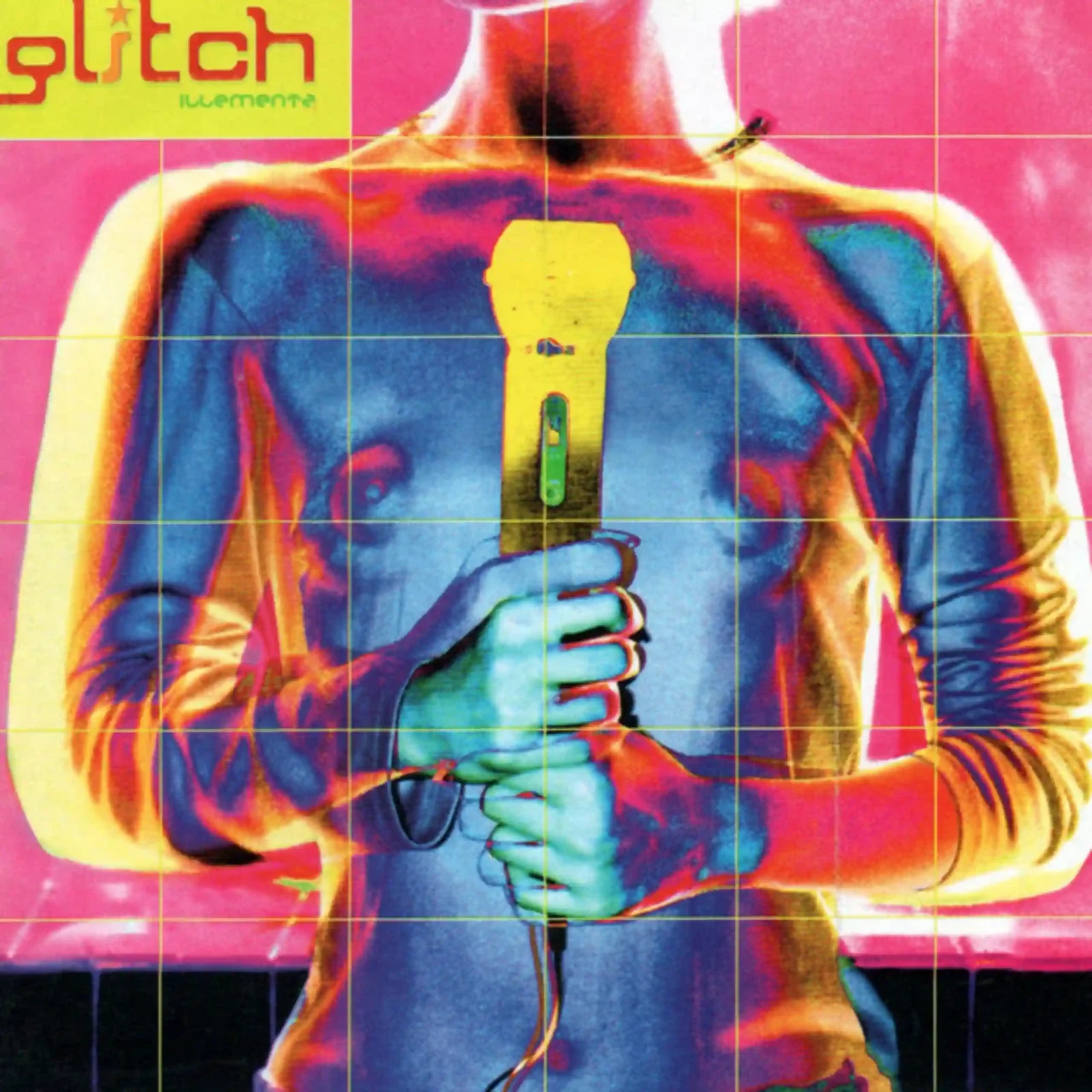
By the turn of the century, nu‑metal was peaking in Manila with bands like Cheese, Greyhoundz, and Slapshock tearing up the local gig circuit. On the flip side, when VisMin bands do it, they do it harder than their contemporaries. Glitch’s debut album Illementz has beats, mayhem, and more than enough muscle to power through its menacing rap delivery and gung‑ho attitude. Highlights like “Last Laugh,” “Wriggler,” and “Shiver” hide a raw vulnerability under vocalist Ryan Sison’s screeches, halts, and cadenced bars over wiry, metallic riffs. —Elijah Pareño
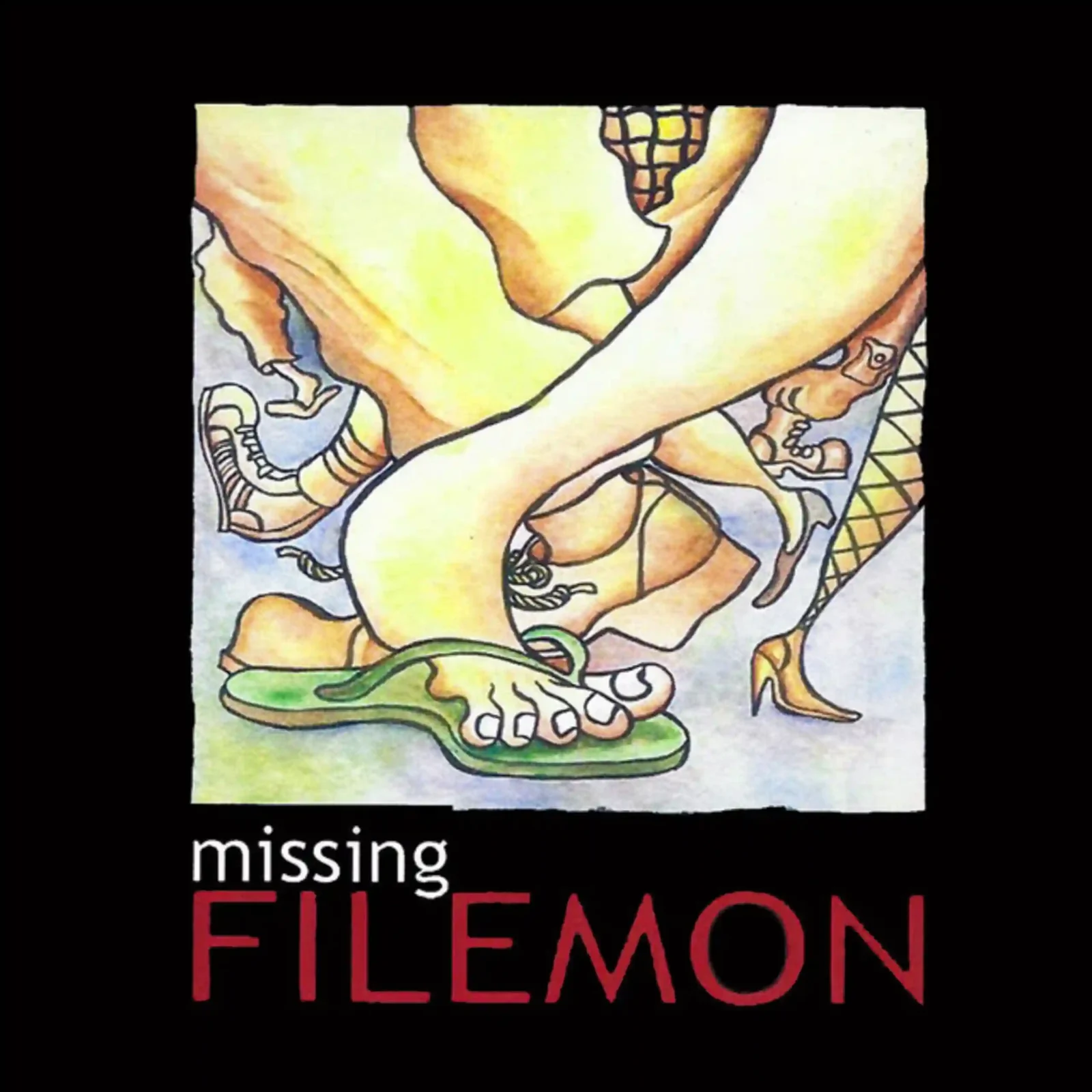
Often cited as one of the key bands of “Bisrock” — Bisaya rock sung in the Bisaya language — Missing Filemon is a necessary stepping stone into the region’s guitar music. If the breakout, award‑winning album Sinesine (2005) doesn’t convince you, the self‑titled debut documents everyday life in a way that’s essential for Bisaya listeners. “Suroysuroy” (Wander Around) and “Inday” (Girl) snapshot the day‑to‑day romance in the city, and even comment on the urbanity of Cebu City. In the context of the Bisaya islands, not knowing Missing Filemon borders on sacrilege; better to do the homework and trace the scene they helped build over decades. —Elijah Pareño
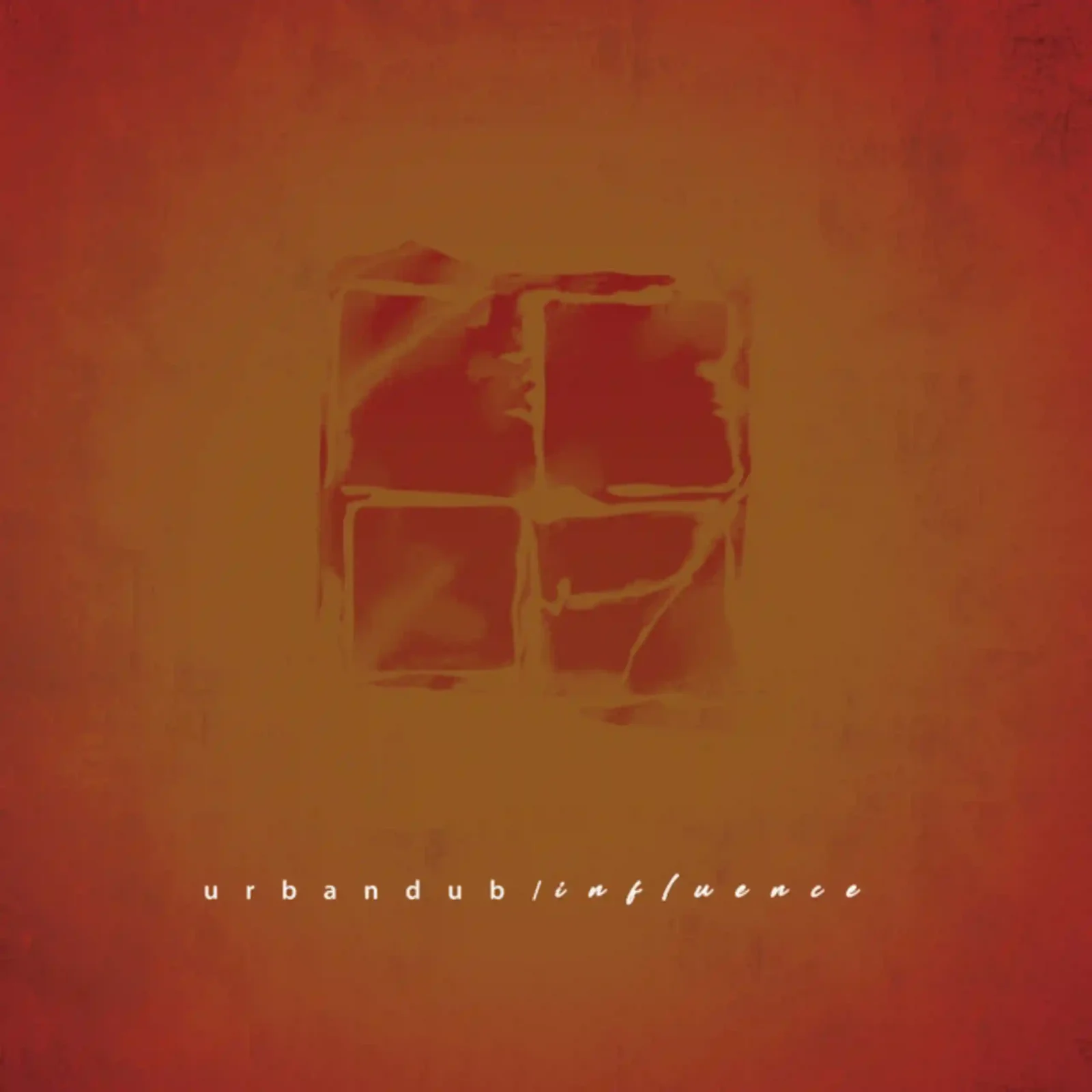
There cannot be a list of essential Visayas-Mindanao albums of the 2000s and 2010s without Urbandub. Aptly called the “Giant Sound of the South,” the band ushered in an era of VisMin English-language alternative music that is still felt today. That breakthrough came with 2003’s Influence, a record that ultimately launched Urbandub into the national consciousness. Tracks like “Soul Searching” and “A New Tattoo” became an undeniable part of the Pinoy Rock canon, setting the foundation for the Urbandub hits that came next in their long and storied career. —Kara Angan
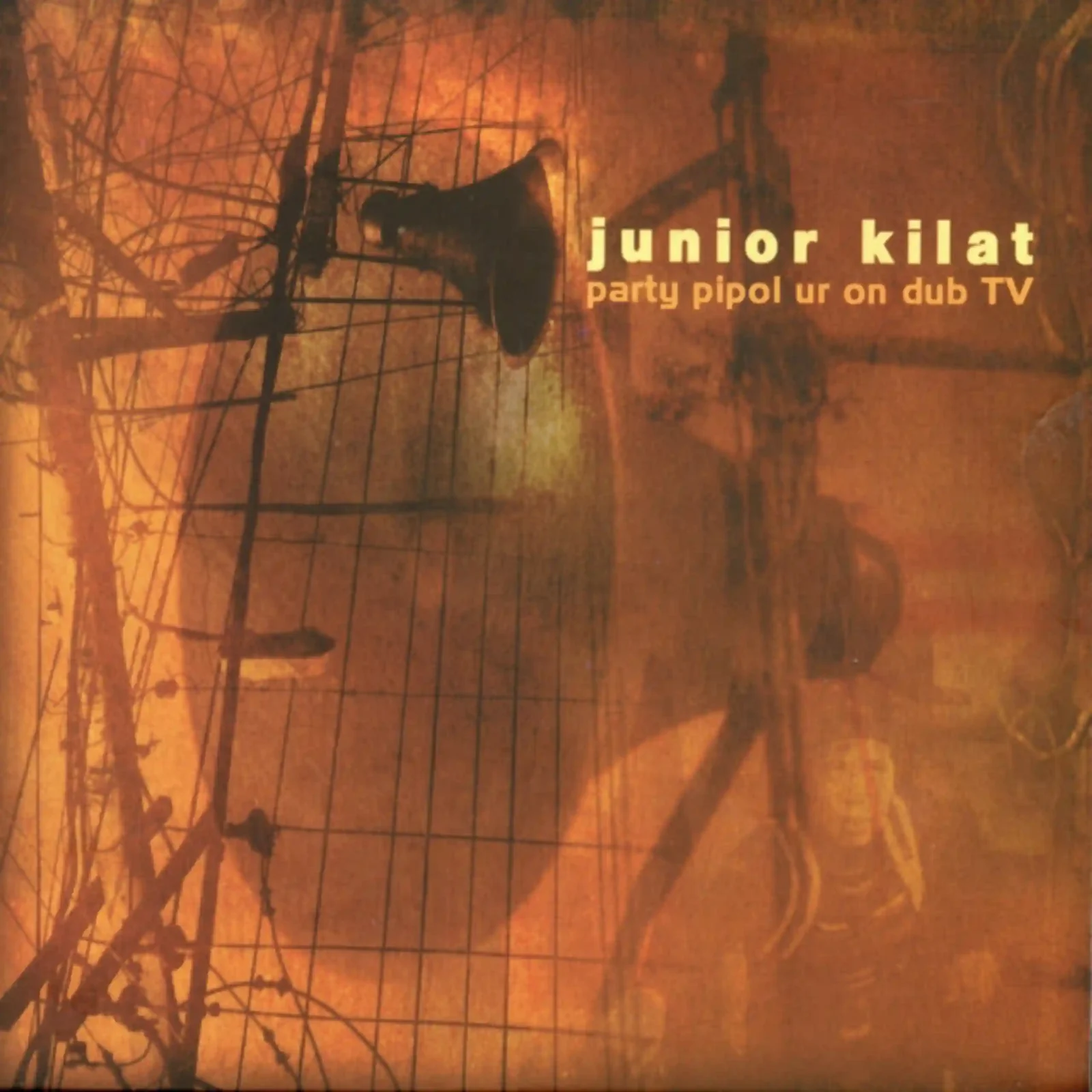
Once the Jamaican genre of dub reggae was able to cross oceans thanks to legendary musician Bob Marley for bringing the sound to a global stage, Southeast Asia witnessed its growth through local lenses, and Junior Kilat’s dub‑heavy reggae became a cornerstone of that movement. On their debut Party Pipol Ur On Dub TV, the opener’s “original sigbin” line greets the uninitiated with something hypnotic, folkloric even. The cover art itself telegraphs soundsystem culture: a blaring siren and vocalist Errol “Budoy” Marabiles beside a transmitter. The record locks in the atmosphere that powers “Sigbin Dub,” the hip‑hop‑leaning scratches of “Lansyaw Gimadkaw,” (Lansyaw’s Caught) and the boom‑bap pulse of “A.K.A. Otap.” There’s real variety here. It steps outside the usual dub‑reggae tropes of its time. Junior Kilat knew how to play with time and space. —Elijah Pareño

If there’s any band that you have to credit with paving the path for Cebuano indie music, it has to be Sheila and the Insects. In a music scene that leaned heavily into BisRock or the “Urbandub sound,” Sheila and the Insects cut their teeth making new wave-inflected post-punk. While the band first gained national recognition with earlier albums like Plastic Eyes, Static Minds and Manipulator, flowerfish is arguably one of their most critically-acclaimed records, with tracks like “Maude” (who could ever forget vocalist-guitarist Orven Enoveso singing, “You’re just a friend”?) and “Quick To Panic” standing the test of time. —Kara Angan
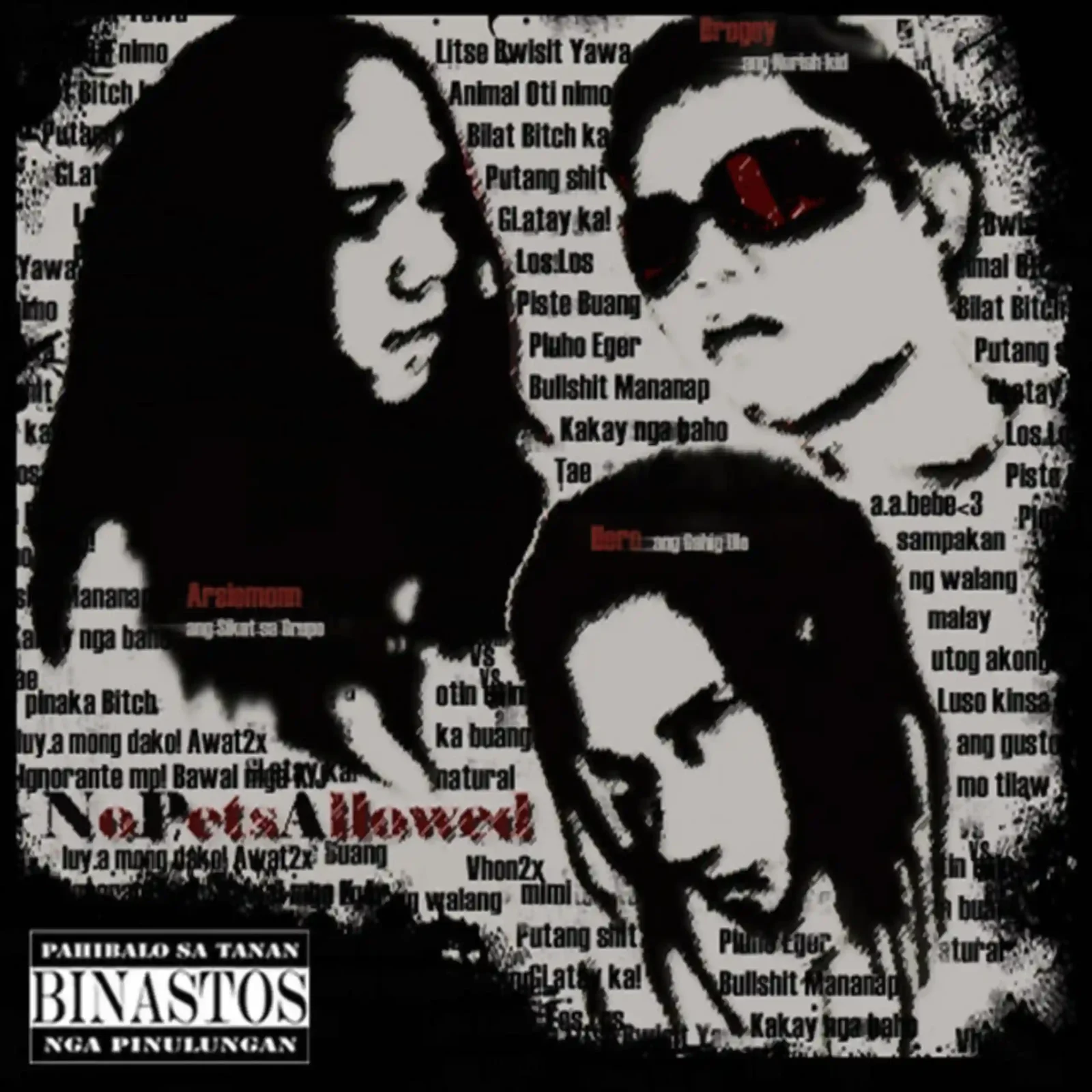
Dipolog City’s NoPetsAllowed became a pillar in the Mindanaoan hip‑hop circuit, a place that, at the time, lacked formal infrastructure. They answered with a 2011 mixtape Timpladang Pangtambay. Rappers Hero, Brogoy, and Arsiemonn trade verses that lay bare everyday struggle on “I’m in Heaven,” “Bang2x,” “Wala Nami Dope” (No More Dope), pulling from G‑funk sheen and ‘90s boom‑bap’s gritty lyricism. The mixtape’s title rings true to the lifestyle, while its DIY ethos rings true to the region. NoPetsAllowed is still taking over the region more than a decade later. —Elijah Pareño
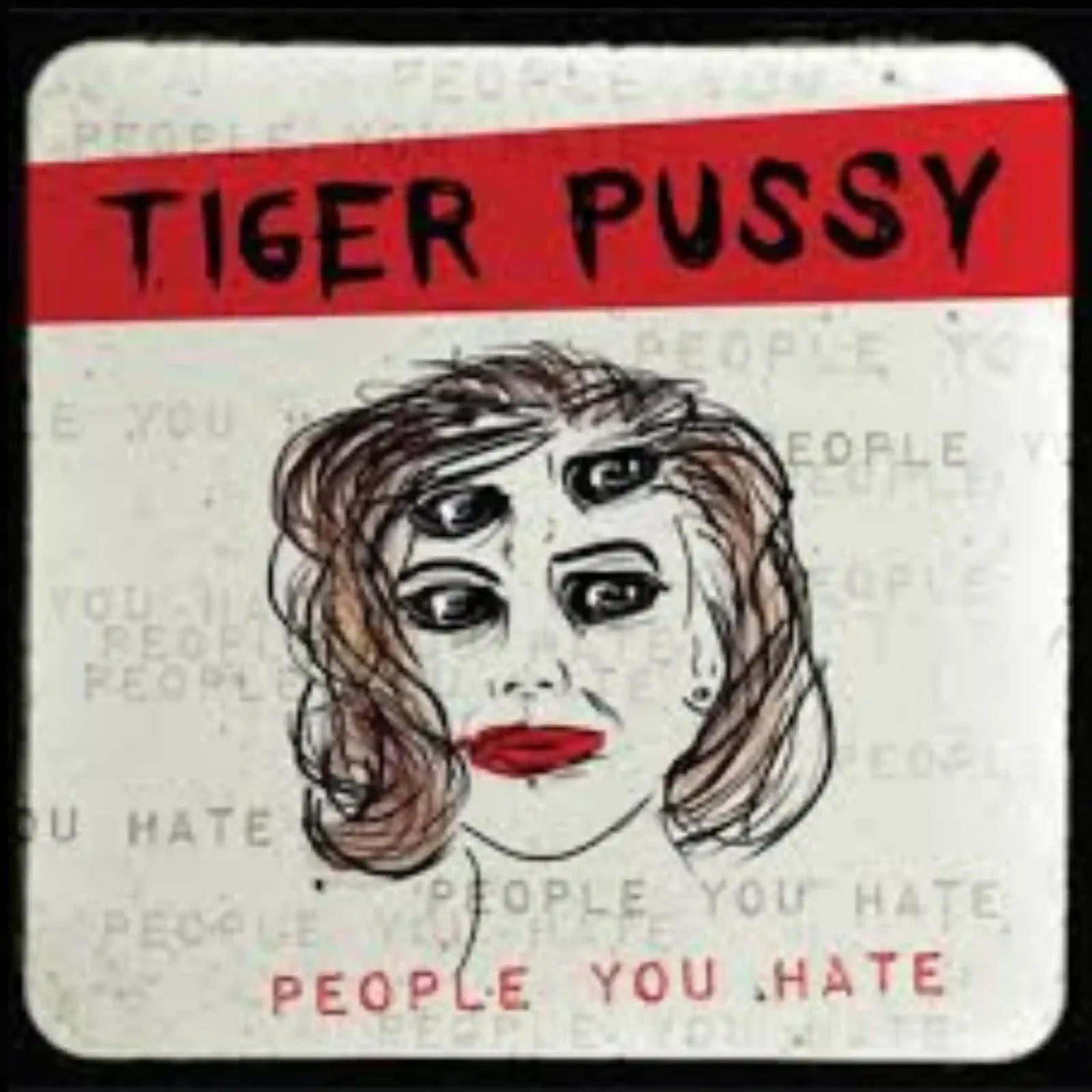
VisMin’s dance‑punk quartet Tiger Pussy cooks up some of the grooviest hardcore in the country. Punk has lived in the Philippines since the late ‘80s; VisMin raised the bar once bands like Tiger Pussy, which consists of members from Cebu, Dumaguete, and Siargao, took root in 2007. Their debut, People You Hate, arriving in the thick of the streaming era, was a flare shot for more women to take space on stages still crowded by men. Essential tracks “9 to 5,” “Guts,” and “Monster” hit real‑life monsters, love for the kind‑hearted, and the working‑class grind. A party wouldn’t be a party if it weren’t a Tiger Pussy party. —Elijah Pareño

Born from the foundations of institutions like Bisrrock and Cebu Pop, Vispop was created with one advocacy in mind: to build a culture and platform for Bisaya-language pop music. In the years since its first iteration in 2013, the songwriting competition-slash-festival launched the careers of some of the most notable singers and sought-after songwriters nationwide — Jewel Villaflores, Therese Villarante, Kurt Fick, Jerika Teodorico, Ferdinand Aragon, and many more.
However, all movements must start somewhere. The first compilation album features a host of breakout hits, like “Balay ni Mayang” (Mayang’s House) by Martina San Diego and Kyle Wong (also of The Wonggoys) and “Papictura Ko Nimu, Gwapo” (Let Me Take A Picture Of You, Handsome) by Marie Maureen Salvaleon. Actress-singer Chai Fonacier (who was also in a trip-hop band called Womb around this time) interpreted Lourdes Maglinte’s ballad, “Laylay” (roughly translated as “Tired”). —Kara Angan

Cebu’s Hey! It’s Your Birthday made a splash in both the regional and national 2010s indie scene with their own unique mix of lo-fi, electronic, and experimental art rock elements. The band was already a favorite in the local scene at the time, being part of collectives like Komorebi and the indie record label Bomba Press. However, they also gained national recognition through internet curators like 8bitfiction, furthering their influence outside of Cebu.
Vocalist-guitarist Anne Amores’ haunting voice rings out throughout their self-titled album’s 12 tracks, and when you listen to it now, you can’t help but think that the band was leagues ahead of the game — unknowingly paving the way for the bedroom, shoegaze, and dreampop scenes that boomed in VisMin in the 2020s. —Kara Angan
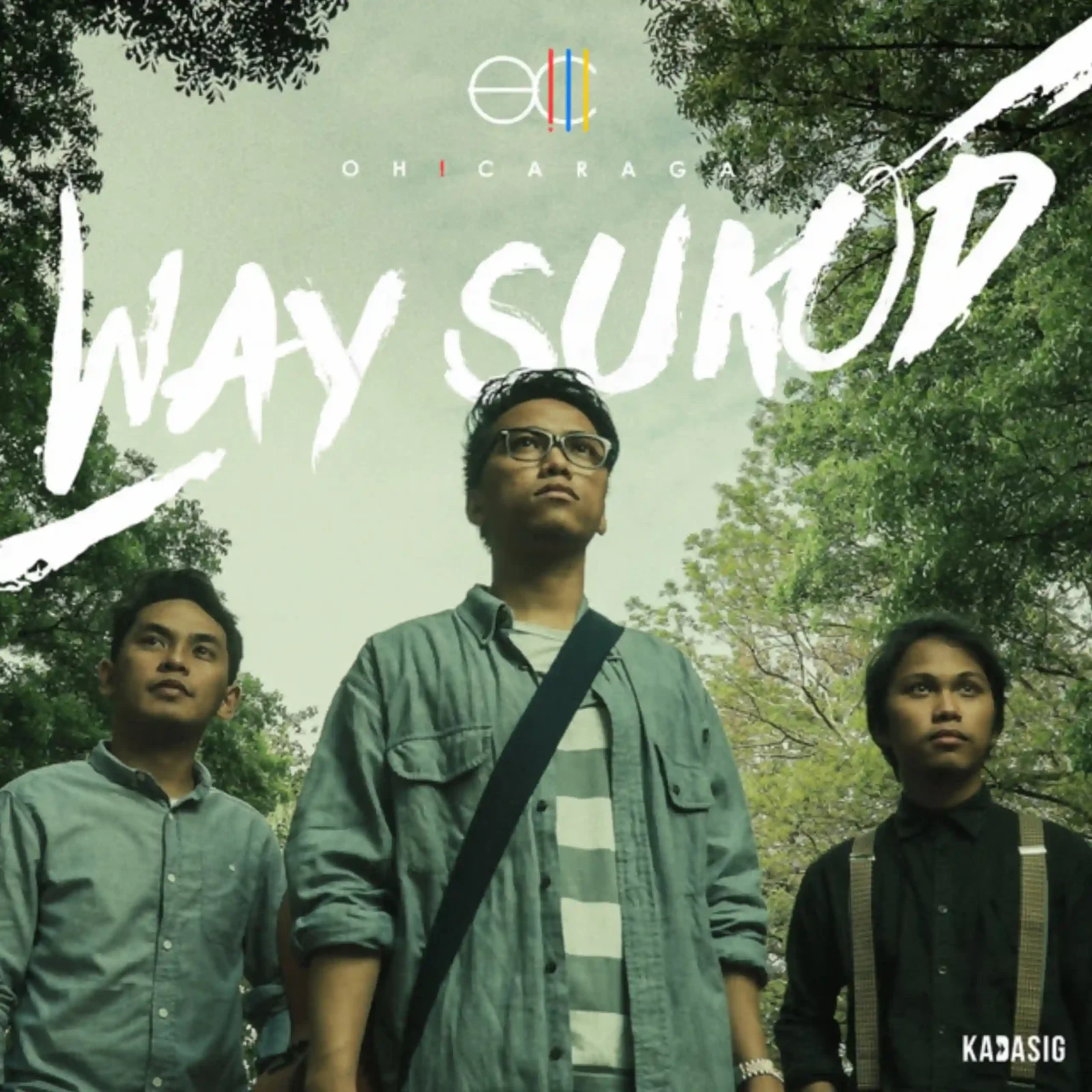
Mindanaoan folk-pop band Oh! Caraga is arguably the biggest Bisaya act in the Philippines right now. Composed of Vispop veterans, the trio’s 2019 debut record, Way Sukod (Beyond Measure) skyrocketed the band to the VisMin mainstream, with breakout hits like “Ipanumpa Ko” (I Promise), “Ayaw Nag Hilak” (Don’t Cry), and the album’s title track. The record captured some of the most prominent sonic preferences of the mass Bisaya audience: folk, ballads, and stomp-clap pop, all while putting a new take on it with Bisaya songwriting. With Vispop on (unofficial) hiatus, Oh! Caraga, along with their Vispop contemporaries, continue to introduce and champion Bisaya songwriting to new generations around the region. —Kara Angan
Honorable Mentions

Hailing from Iligan, Loop broke through the noise in the 2010s indie scene by bending genres. In their stellar debut record, you can hear influences from emo, alternative rock, indie rock, singer-songwriter, and blues. Kim Trinidad’s strong vocals make the band stand out, on top of their stellar arrangement that keeps you hooked for the next riff. The strength of this record cannot be understated, with Loop becoming one of the few Mindanaoan indie bands that broke into Manila in the 2010s, landing a Rappler LiveJam, Wish Bus performances, and more.
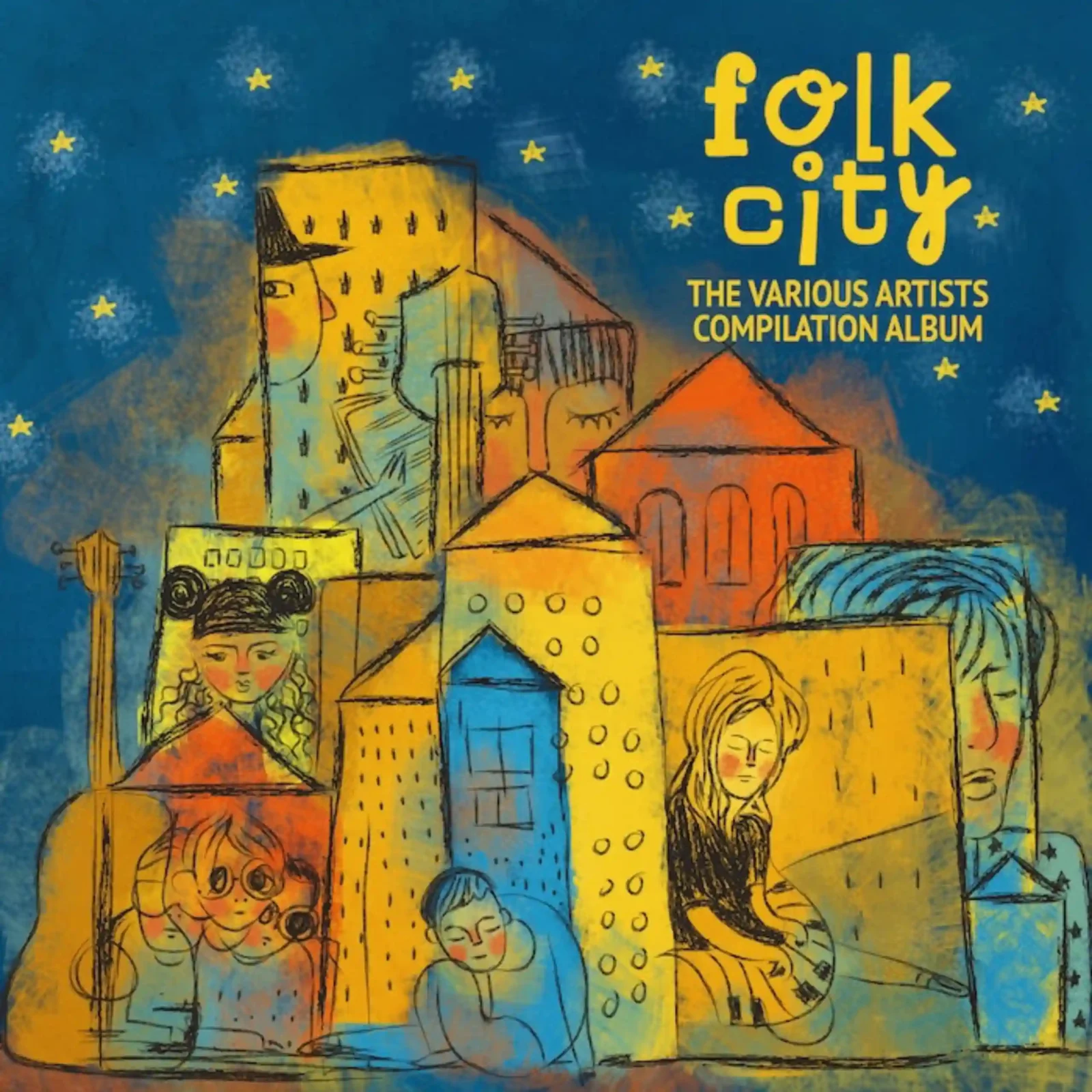
If you want a cheat sheet into the early beginnings of the Cebuano indie scene, look no further than the Folk City Compilation, released by 22 Tango Records in 2014. The compilation features a growing number of acts that had songs that were not Vispop, but not quite Bistock either — singer-songwriters who also wrote in English (Jessica McYorker, Cattski, Mary Anchit, Martina San Diego, and more); electronic-forward acts like LUXXX and Womb, or bands that were more pop or indie-leaning like Wonggoys, The Labrats, and Snübear
Frequently Asked Questions
Sonic Boom, Pawn Records, Melt Records, Filla Killa, and Indie CDO, as well as movements like the VisPop and Bisrock communities helped promote VisMin music.
VisMin-grown bands like Urbandub, South Border, and Cueshe were one of the many bands that became popular in the 2000s.
“Bisrock” is a term for rock music sung in the Bisaya language.
In the late ‘80s to ‘90s, singers like Pilita Corrales and novelty acts such as Max Surban and Yoyoy Villame broke through the mainstream.
The songwriting competition-slash-festival launched the careers of some of the most notable singers and sought-after songwriters nationwide — Jewel Villaflores, Therese Villarante, Kurt Fick, Jerika Teodorico, Ferdinand Aragon, and many more.
Recommended Video