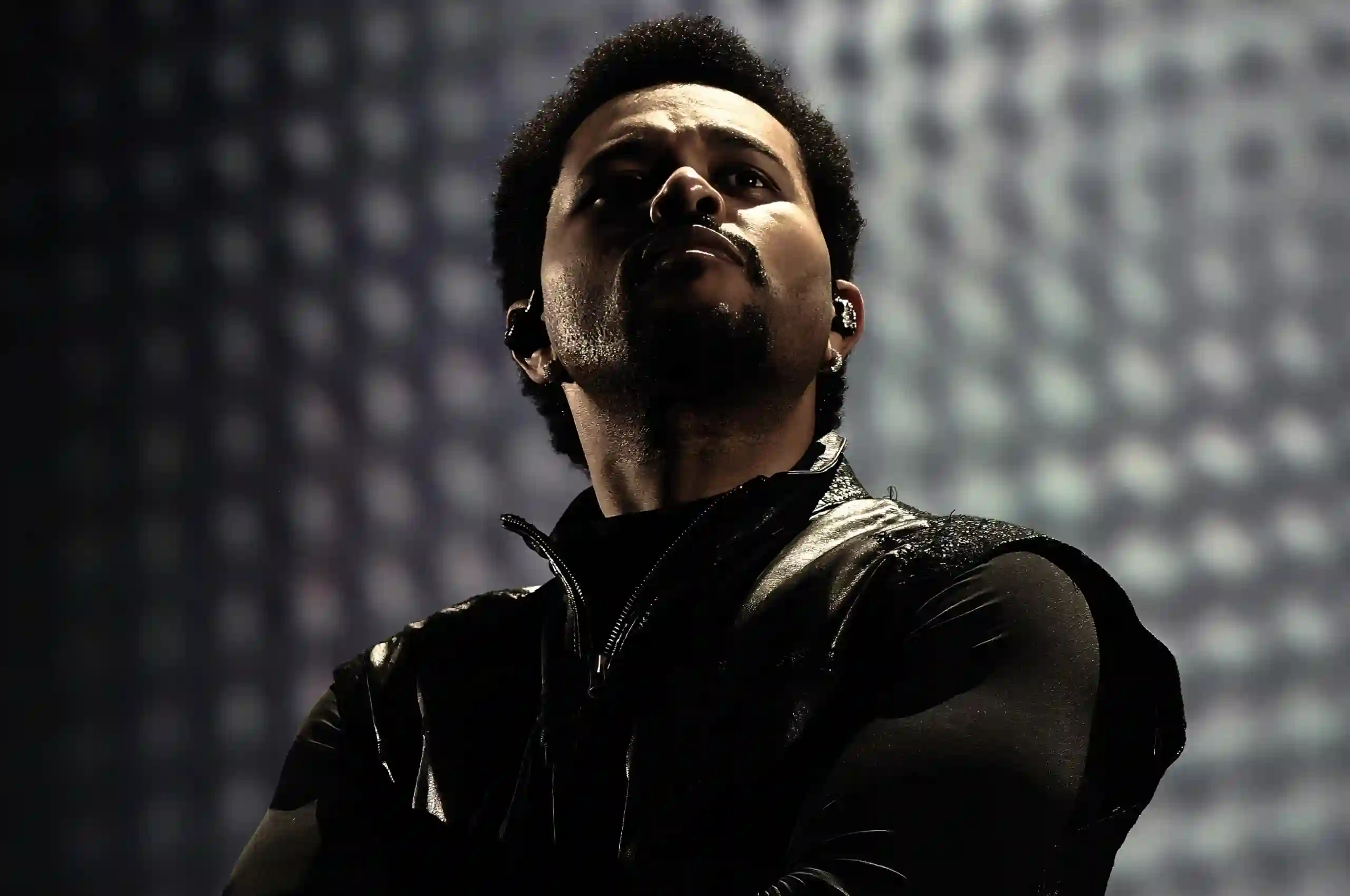


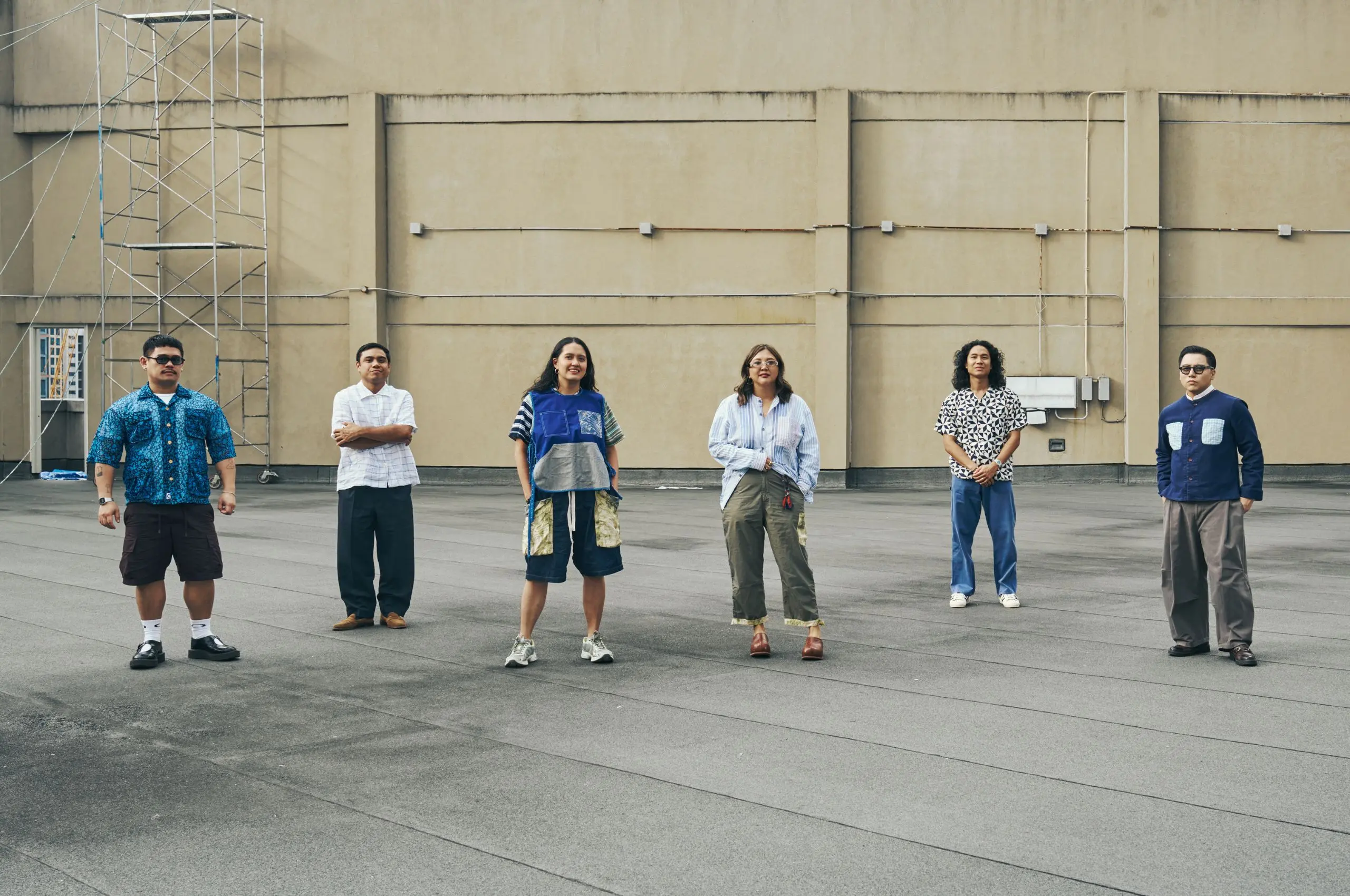
Japanese dance music festival Rainbow Disco Club (RDC) is coming to Manila for a takeover on Saturday, January 31, and marks the first foray of Thank You For The Music (TYFM) into the city’s dance scene. And while TYFM is only the newest of many collectives throwing events across the country, the people who comprise the group have long been a part of Manila’s nightlife, and wish only to offer the best of it on the dancefloor.
Since its founding in Japan in 2010, RDC has held takeovers across the globe, from Bali and Taipei to Lisbon and Morelos, Mexico. On Saturday, the festival’s mainstay Kenji Takimi joins Indonesia’s Dita and Gero and Filipino DJs Emel and crwn for its first-ever party in the Philippines.
In curating the lineup for the party, TYFM’s Jane Torres tells Rolling Stone Philippines that the group thought about “flow and emotional range, from crwn, who sets the foundation, to Emel, who keeps the crowd curious, and then we go to Dita and Gero, who have this chemistry and energy, and then we go to our favorite Kenji Takimi, closing the experience with the longform storytelling.”
Torres, like the rest of TYFM, is no stranger to parties and has helped organize other raves in Manila. At TYFM, she’s joined by designer Stacy Rodriguez and DJs Jem Capeding, Judd Figuerres, Vince Pante, Ayon Sanchez, and Mikko Santos.
Bringing RDC to Manila
The group attended the RDC takeover at The Observatory, a club in Ho Chi Minh, Vietnam, in October 2025, but only Sanchez has been to the festival in Japan. According to him, despite being held at different venues with different DJs, both the festival and the party carried the same “magic” that he wanted to bring to the Philippines.
“And then later, at the end of last year, even attending their takeover for Wonderfruit [in Thailand], they closed the entire festival, completely different venue, different people, but again, it’s like that same magical energy.”
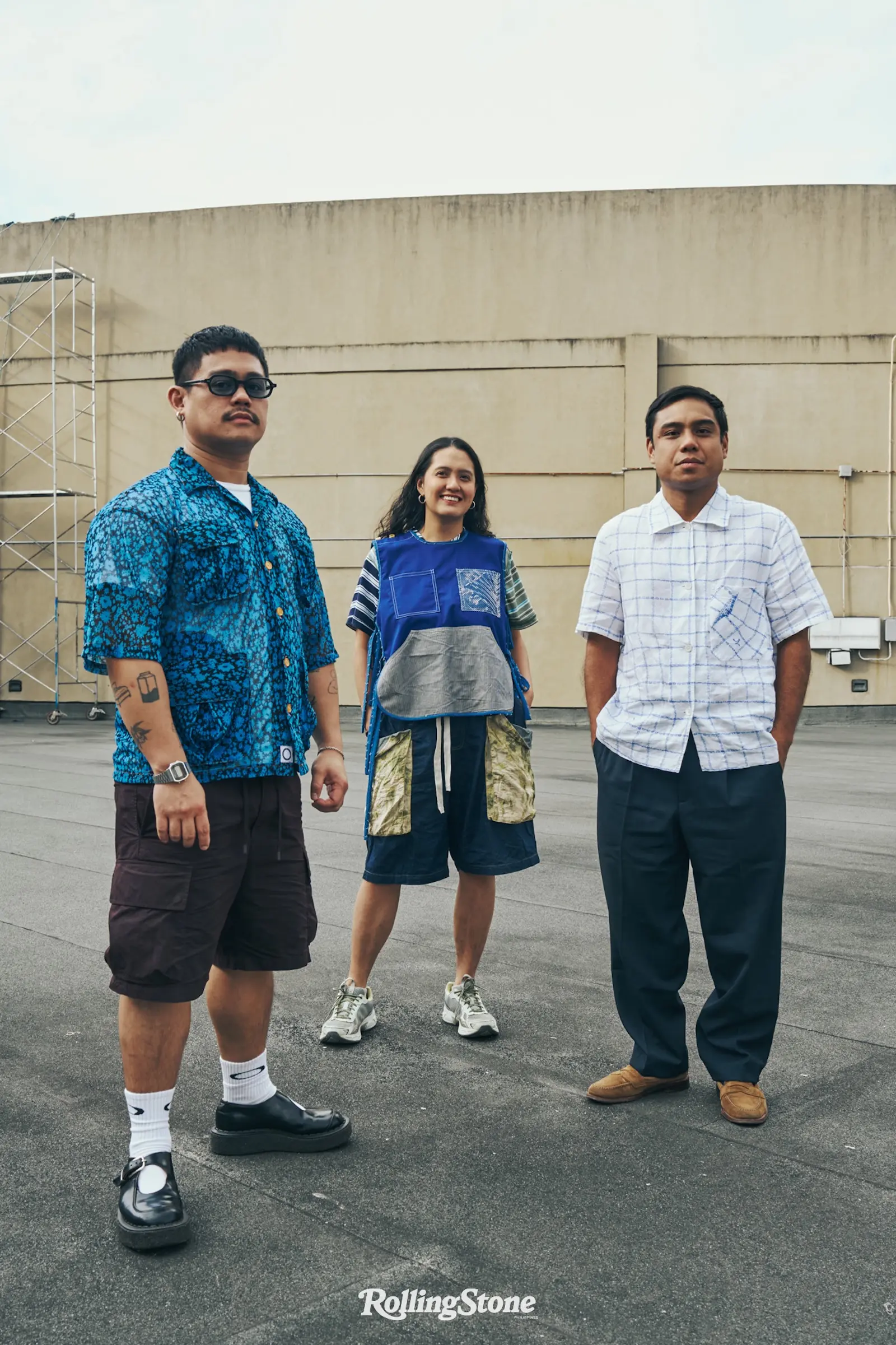
At the Ho Chi Minh party, the group met RDC co-founder Masahiro Tsuchiya, who told them in casual conversation that they’d see each other again in Manila. “I didn’t realize what it really meant, that they had a vision of coming here already,” Rodriguez says.
Torres adds, “The next day, after I landed back in Manila, they already set a meeting with us, and everything else followed. It was so quick.”
Party People
For TYFM, the RDC takeover in Makati is an opportunity to spotlight Filipino talent and the country’s burgeoning dance culture.
“You want to let the foreigners shake in their boots a bit,” says Rodriguez when talking about getting Emel and crwn in their lineup. “We believe in the talent that’s here.”
“crwn has been in the industry for so long as a producer, DJ, and musician,” Torres explains. “And [Emel has] been playing around the world. And I just feel like we want him to shine more here in the Philippines, for more people to appreciate him. It was like a running joke [among us] three years ago that he should play [at RDC], and now it’s finally happening.”
Figuerres says he’s also “excited for the DJs to experience the Filipino crowd.”
“People always say that we’re the best concert crowd because we sing along with the artists. I feel like it’s the same energy on the dancefloor,” he says. “We know how to sing. We know how to move. We have rhythm. And I feel like it’ll be interesting to see how we respond to the Rainbow Disco Club lineup.”
Capeding, one of the organizers of the now-defunct party series Danza Organika, believes that the energy Filipinos bring to the dancefloor can be attributed to the queer partygoers. “The dancers of our city are really hospitable,” he says. “They really welcome you as if you’re one of their own. They dance and move around a lot. And I think that a lot of it has to do with the LGBT community that we have here. It’s kind of the backbone of our nightlife.”
Danza was a pioneer in Manila’s post-pandemic party scene, one that to this day involves a blueprint of parties roving from one venue to another, featuring not big festival headliners, but local and regional acts. Pante points out that, unlike Berlin and Hanoi, which respectively have clubs like Berghain and Savage that signify their cities’ strong clubbing culture, Manila has yet to establish a a “home base” that signals a similarly “world-renowned” reputation in the eyes of the Asian club circuit.
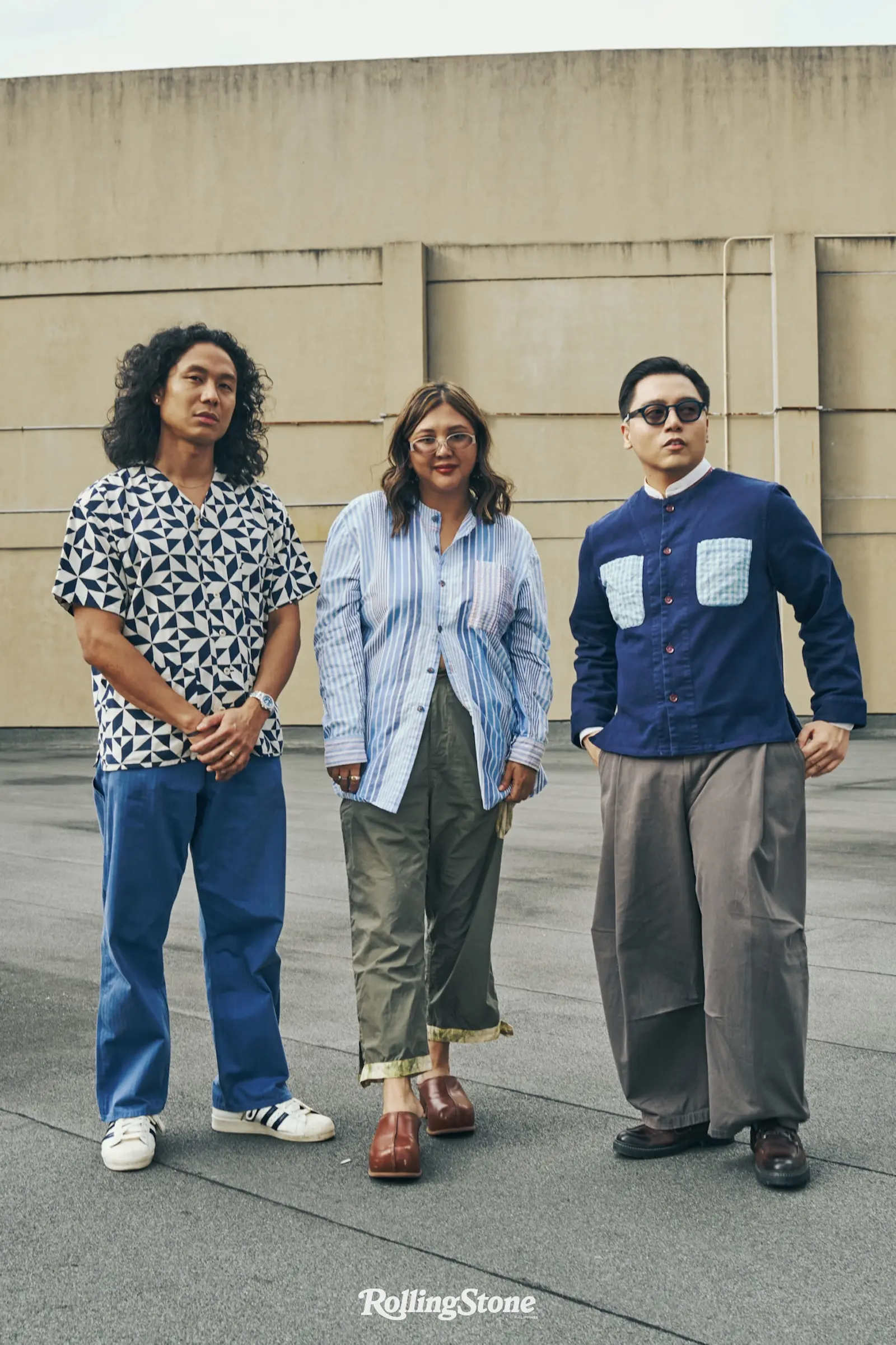
But for TYFM, whose slogan is “The destination is always dance,” the Philippines offers an edge that is unique to the country; unlike popular Asian destinations like Bangkok and Bali, the local party scene is mostly fueled by locals instead of foreign partygoers. “In Manila, it’s different collectives doing their own thing. There’s support across the communities,” Pante says.
Torres adds that RDC’s takeover in Manila will stand out because, while other parties have been held at clubs, TYFM’s will not. “We’re just doing a pop-up party and bringing everyone together. We’re really gonna try to make it special for everyone.”
With the addition of RDC to the city’s calendar of parties and festivals for the year, the Philippines is further positioned as a destination on Asia’s dance music circuit, and signals a growing confidence in and out of the country that, alongside the region’s more established clubbing capitals, our dance scene could hold its own.
Frequently Asked Questions
Rainbow Disco Club (RDC) is a Japanese dance music festival founded in 2010 that has held takeovers worldwide. Its first-ever Manila party takes place Saturday, January 31, organized by local collective Thank You For The Music (TYFM).
The lineup includes RDC mainstay Kenji Takimi, Indonesia’s Dita and Gero, and Filipino DJs Emel and crwn, curated by TYFM’s Jane Torres around a deliberate emotional arc from opening set to closing storytelling.
TYFM is a Manila-based party collective composed of Jane Torres, designer Stacy Rodriguez, and DJs Jem Capeding, Judd Figuerres, Vince Pante, Ayon Sanchez, and Mikko Santos, marking their first foray into bringing an international festival brand to the city.
TYFM members attended RDC takeovers in Ho Chi Minh City and at Wonderfruit festival in Thailand, where they met RDC co-founder Masahiro Tsuchiya. A follow-up meeting was arranged shortly after they returned to Manila.
TYFM member Vince Pante notes Manila lacks an internationally iconic club “home base” like Berlin’s Berghain, but its scene is distinct for being fueled mainly by local partygoers rather than foreign tourists, unlike destinations like Bangkok or Bali.
Recommended Video