

For Filipinos working with clients from across the globe, freelancing now means wearing many hats. A freelancer essentially becomes a business owner themselves to keep their livelihood afloat. But, its added responsibilities can be overwhelming.
Put aptly by the remote sales consultant and financial trainer JZ Cerezo, “As a freelancer, you’re responsible for finding clients, pricing your services, delivering results, and managing your own finances. Those are all business skills.”
The line of work does not guarantee a steady income and offers little to no financial management support. In this vein, “everything is up to you,” is both good and bad news.
Moved by filial responsibility, personal ambition, or sheer survival, Filipinos are stepping up to the plate by turning a side hustle into a self-supporting career path of its own.
Content creators and freelancers JZ Cerezo, Abby Maravilla and entrepreneur Fintech Founder unpack what has driven this shift and what it takes to ensure that whatever is built out of it lasts.
No More Borders
“Today, someone in the Philippines can serve clients in the U.S., Australia, or Europe without leaving home,” says Cerezo, who sees accessibility as one of the clearest reasons why freelancing has become a viable path for Filipinos.
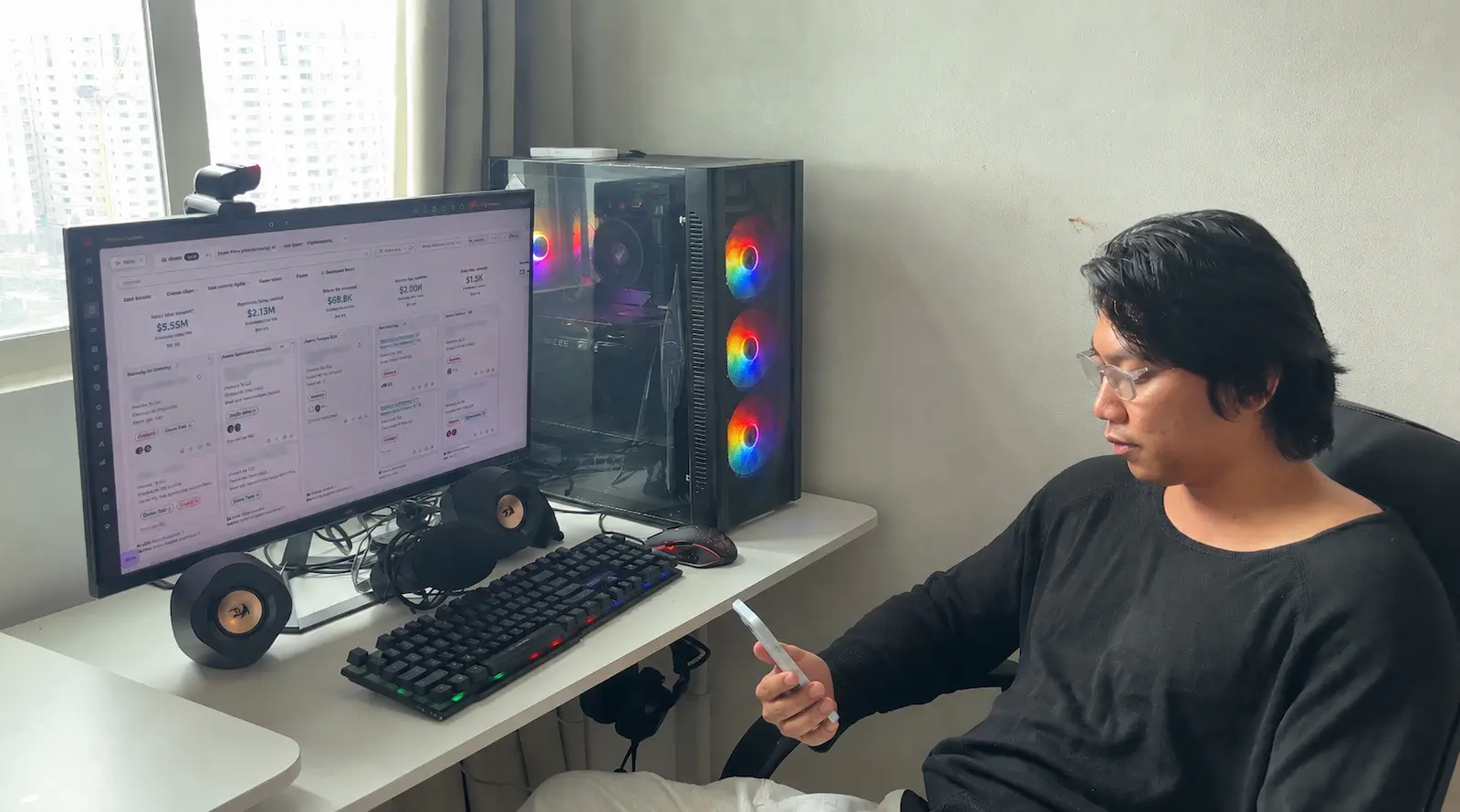
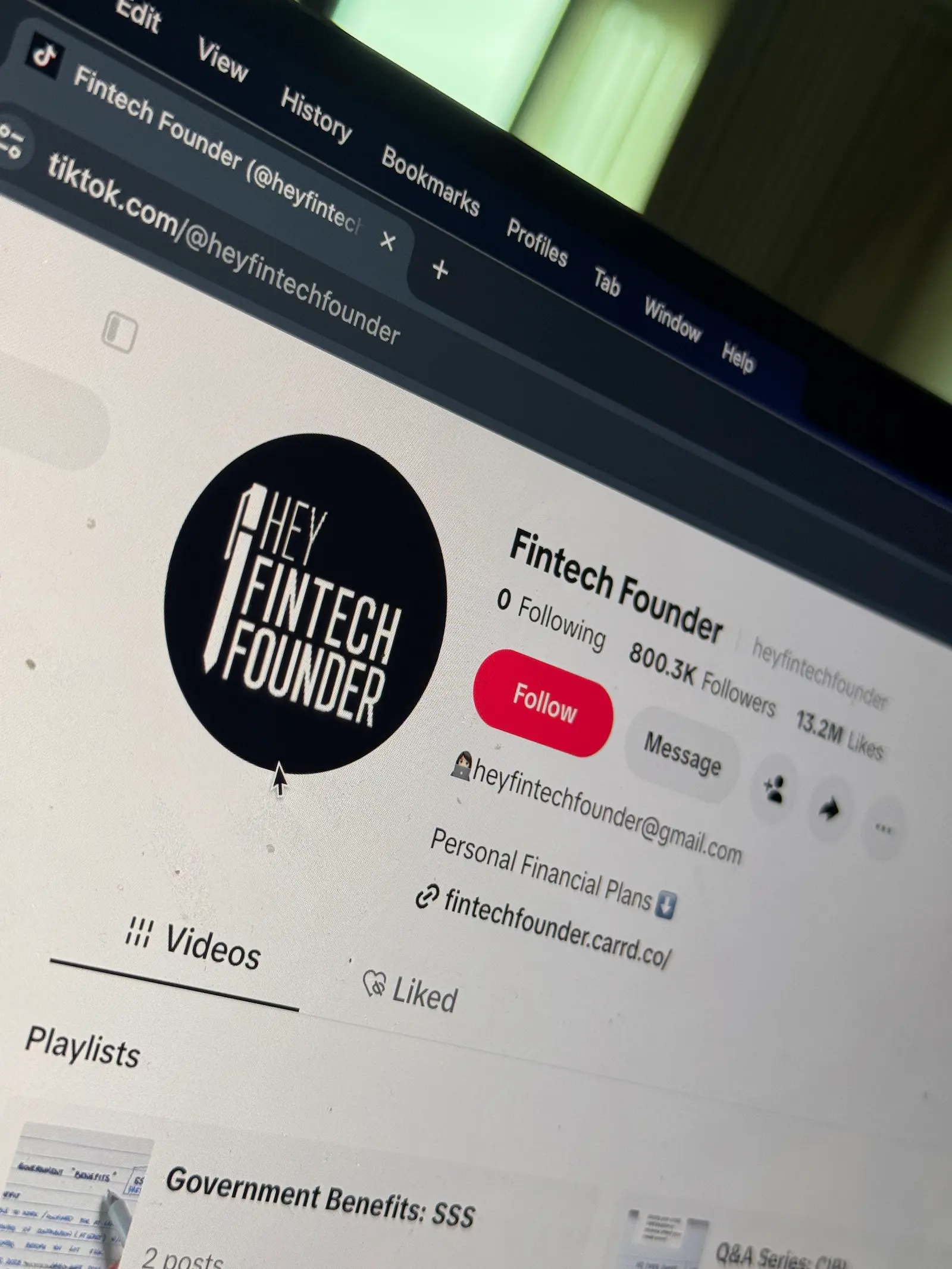
For Fintech Founder on TikTokTikTokA social media platform for creating, sharing, and discovering short-form videos, featuring music, trends, challenges, and personalized content.Go to TikTok Glossary (@heyfintechfounder), the shift is further accelerated by the digital tools that have made working independently more accessible.
“Post-pandemic, the concept of WFH became widely accepted and even the new normal for most,” the creator says.
While the barriers between a Filipino freelancer and an overseas client are virtually nonexistent, the role itself has grown bigger.
Fintech Founder acknowledges that freelancers have evolved to operate as a self-sustaining business. “Most of them learned how to issue invoices, file for taxes and get proper registrations. That’s pretty much operating a small business.”
Freelancing’s accessibility comes with added responsibilities, one of them being knowing how to manage the income that comes from working with international clients.
THE PRICE OF EXPERTISE
The value of solving problems or understanding what a client needs rarely fits accurately into a timesheet.
Those are precisely the things freelancers should be accounting for when setting their rates. “When pricing your services, consider the value of the problem you’re solving, your experience, the speed of your execution, and the impact your work creates for the client,” Cerezo says.
Where the client is basedBasedBased is slang expressing approval for someone unapologetically stating their genuine opinion, regardless of whether it's popular, controversial, or conventionally acceptable within discourse. Originally associated with certain online political subcultures,Go to Based Glossary also matters. International markets can be significantly different from those in the Philippines. “When you start serving U.S. or EU clients, pricing should be against their market standards,” Fintech Founder advises.
While hiring Filipino talent can be more cost-efficient for overseas clients, that does not mean freelancers should lowball themselves. “Try to understand how much it would cost them to hire someone locally versus abroad. How much is that gap? That’s where you can play around with pricing,” Fintech Founder adds.
A strong rate, however, ultimately depends on the value you continue to bring. “Upskilling is always necessary,” according to Abby Maravilla.
She believes that “having a business and growth mindset that goes beyond the number of hours we work in a day will pay dividends.” This means looking beyond freelance work and dipping one’s toes into other ventures.
BUILDING WORK THAT LASTS
For Maravilla, the point is to keep the relationship professional in order to make it last. “Treat each one like a project to maintain neutrality and also avoid being too comfortable or too familiar,” she advises. This matters because sustainable freelancing is about ensuring that you have somewhere to go when the current project ends.
Without a fixed salary coming in on schedule, the responsibility of smoothing out those highs and lows falls on the freelancer.
The work does not end when the payment arrives. There is another decision waiting on the other side: what to do with the money and when to cash it.
One of Maravilla’s practices is to treat her freelance income more like business revenue. “I give myself just a salary so I don’t spend everything all at once, and have a budget earmarked for lean times.”
MORE CONTROL OVER YOUR INCOME
For years, managing foreign income by opening a proper dollar account meant extensive paperwork, multiple trips to the bank, and, at times, difficulty having freelance income recognized.
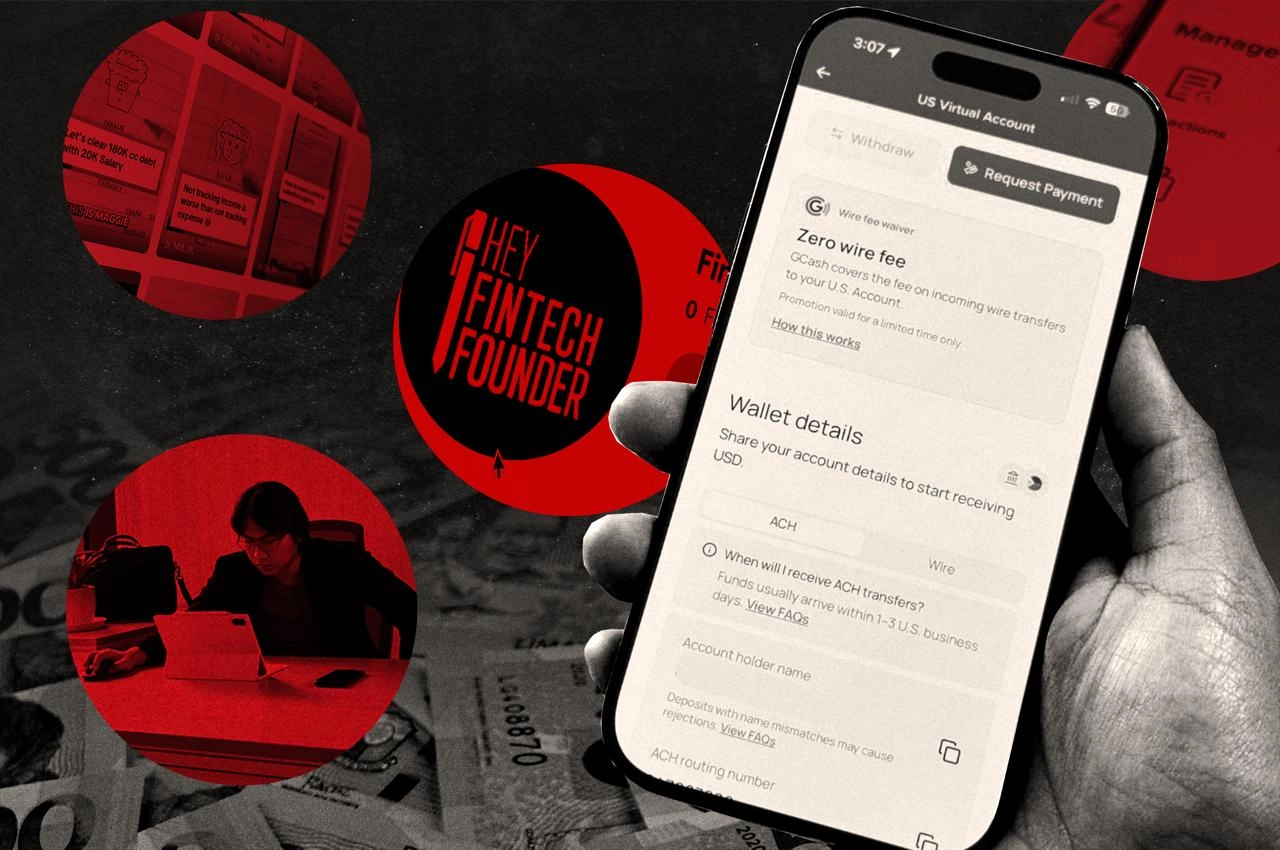
Tools like the GCash Virtual US Account are designed to make that process more accessible, allowing freelancers to receive and manage their USD with more flexibility when they convert their funds.
“The struggle to find a bank that would let you open a U.S. account was real,” Fintech Founder recalls. “So being included in the financial system as a freelancer receiving USD payments normalizes the fact that we can earn globally.”
For freelancers who keep an eye on foreign exchange movements, they can manage their income more intentionally. As Maravilla puts it, “GCash Virtual US Account holders can choose when to convert the funds so this allows for a more strategic approach for those who also monitor the movement of the forex rates.”
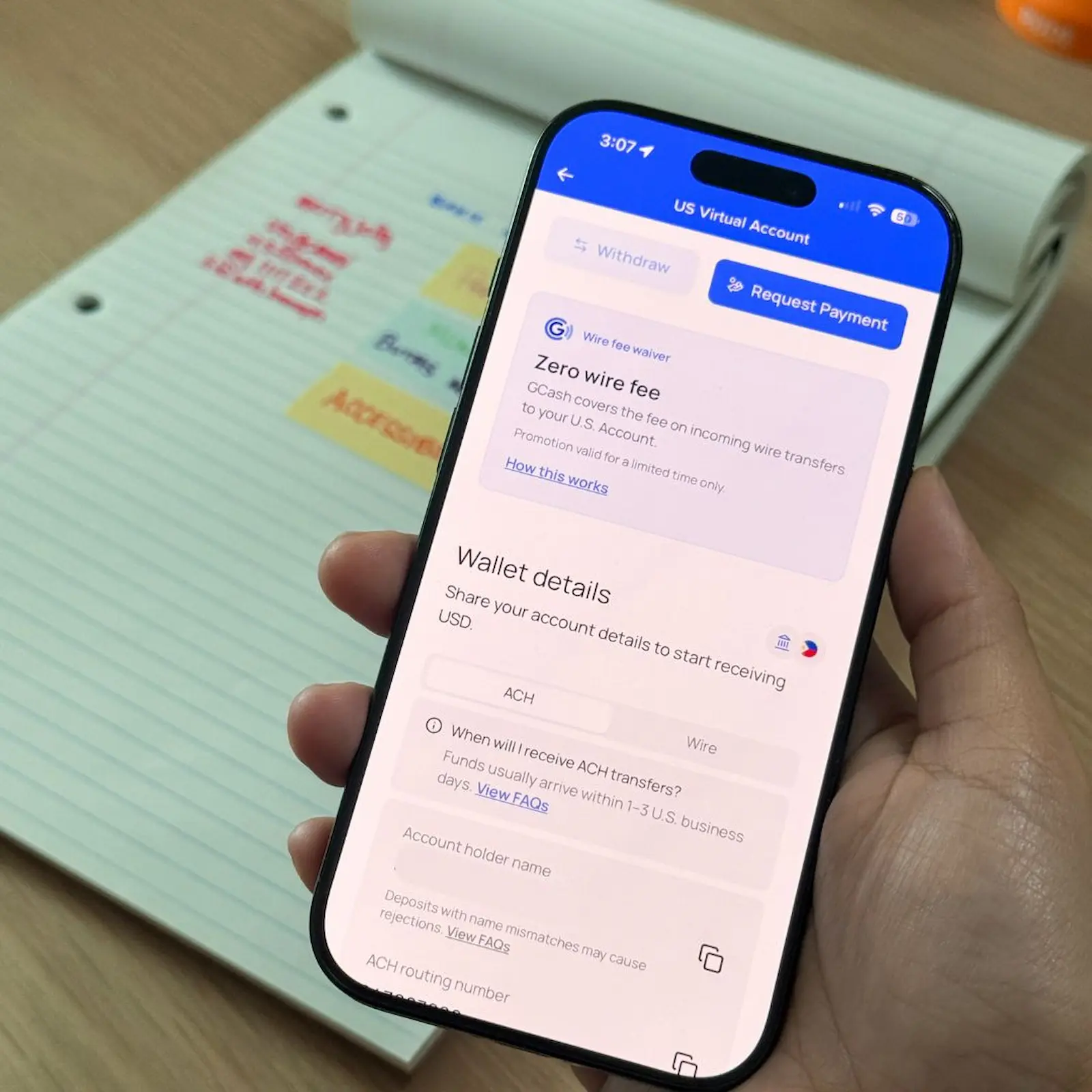
“The right financial tools shouldn’t just help you receive payments, they should support better cash flow, better planning, and smarter financial decisions as your business grows,” Cerezo says. With GCash Virtual US Account, freelancers can maximize their USD earnings by accessing and using their funds across the GCash ecosystem and its range of financial solutions, spanning from everyday payments, savings, and investments.
For Filipinos working with clients around the world, the next opportunity may be figuring out how to make the work they’ve already built last.
“When you have visibility and flexibility over your income, you stop reacting to your finances and start planning for them,” he adds. “That’s the difference between someone who’s simply freelancing and someone who’s building a long-term business.”
With the GCash Virtual US Account, freelancers can receive and manage USD income with greater flexibility, giving them more room to make informed decisions about when and how they use their earnings. For freelancers, thinking like a business owner means that every part of the work matters, including what happens after you get paid.