


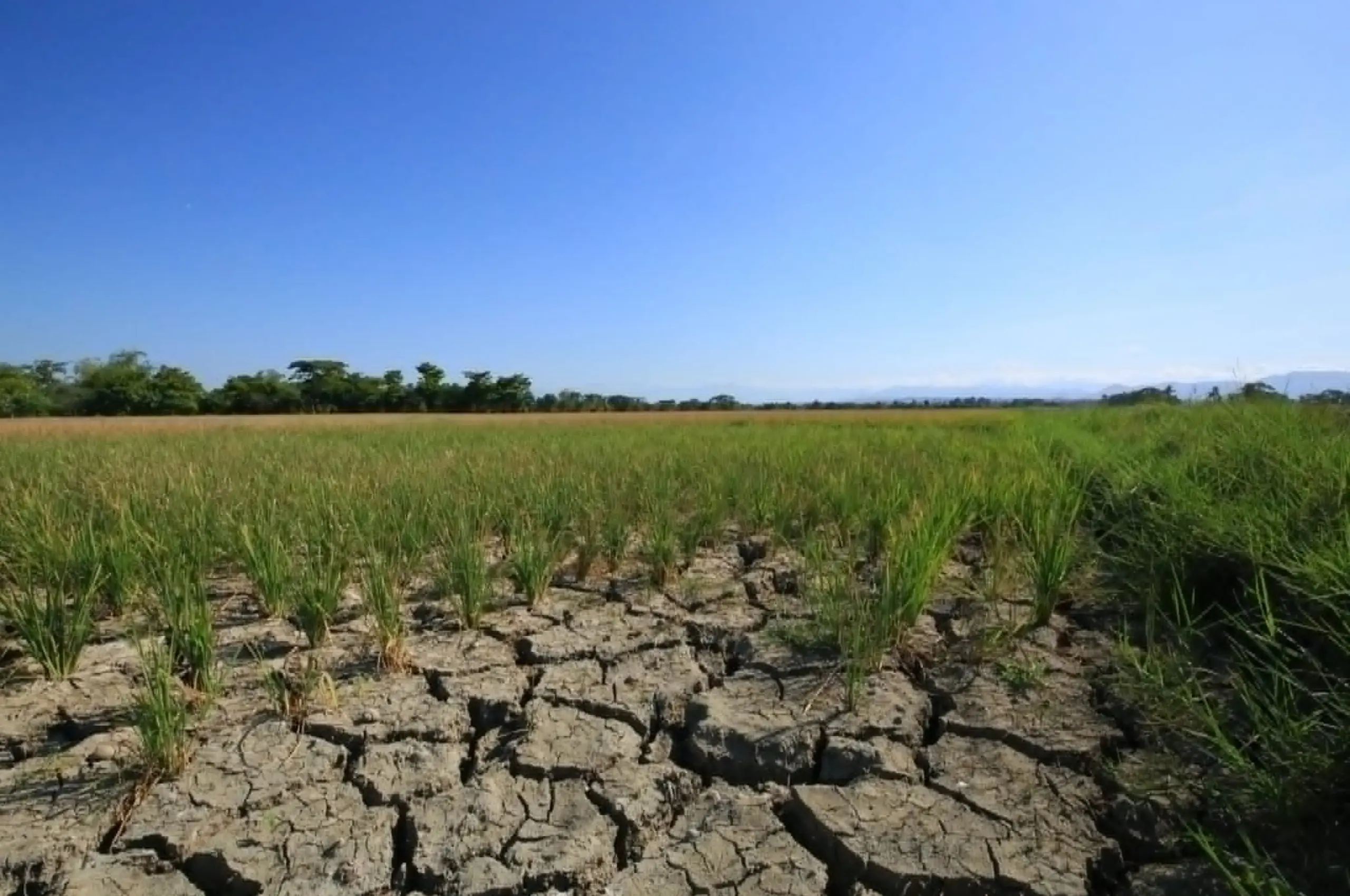
Although the “Ber” (September to December) months supposedly usher in much cooler breezes in the country, Filipinos were recently told to brace for warmer conditions and pressure on water supplies. In late September, the Philippine Atmospheric, Geophysical and Astronomical Services Administration (PAGASA) warned of an intensifying Super El Niño that could persist into the first half of 2027.
But what could this mean for the everyday Filipinos?
What is El Niño?
As described by PAGASA, El Niño is marked by abnormally warm sea surface temperatures in the Central and Eastern Equatorial Pacific, and above-average cool ocean temperatures over the Philippine Sea. This results in warm phases in the country that often bring drought to some regions. But now, the country expects even harsher heat with the coming Super El Niño.
The term “Super El Niño” is generally used to describe an exceptionally strong El Niño, referring to the intensity of the warming in the equatorial Pacific and the scale of its expected effects. PAGASA’s press release also highlighted that prolonged rainfall deficits could “increase the risk of severe agricultural dry spells and water supply stress,” which could threaten “food security, water resources, energy production, public health, and the broader economy.”
PAGASA Climate Monitoring and Prediction Section Chief Ana Liza Solis, in a news report, said there is a 75 percent chance that this will surpass the previous “historical” El Niño episodes.
How can this affect daily living?
Water is among the most immediate concerns. According to the National Water Resources Board (NWRB), the water supply in Metro Manila could be reduced in October or lowered to 44 cubic meters per second from the usual 50-53 allocation. Various water suppliers like Maynilad and Manila Water has already reported to have water service interruptions or tighter supply.
The extensive heat could also expose individuals to health risks. Once a person is exposed to high temperatures for a prolonged period of time, one can be vulnerable to dehydration, exhaustion, or other heat-related sickness. As temperatures rise, we are all the more advised to stay hydrated and avoid strenuous activities.
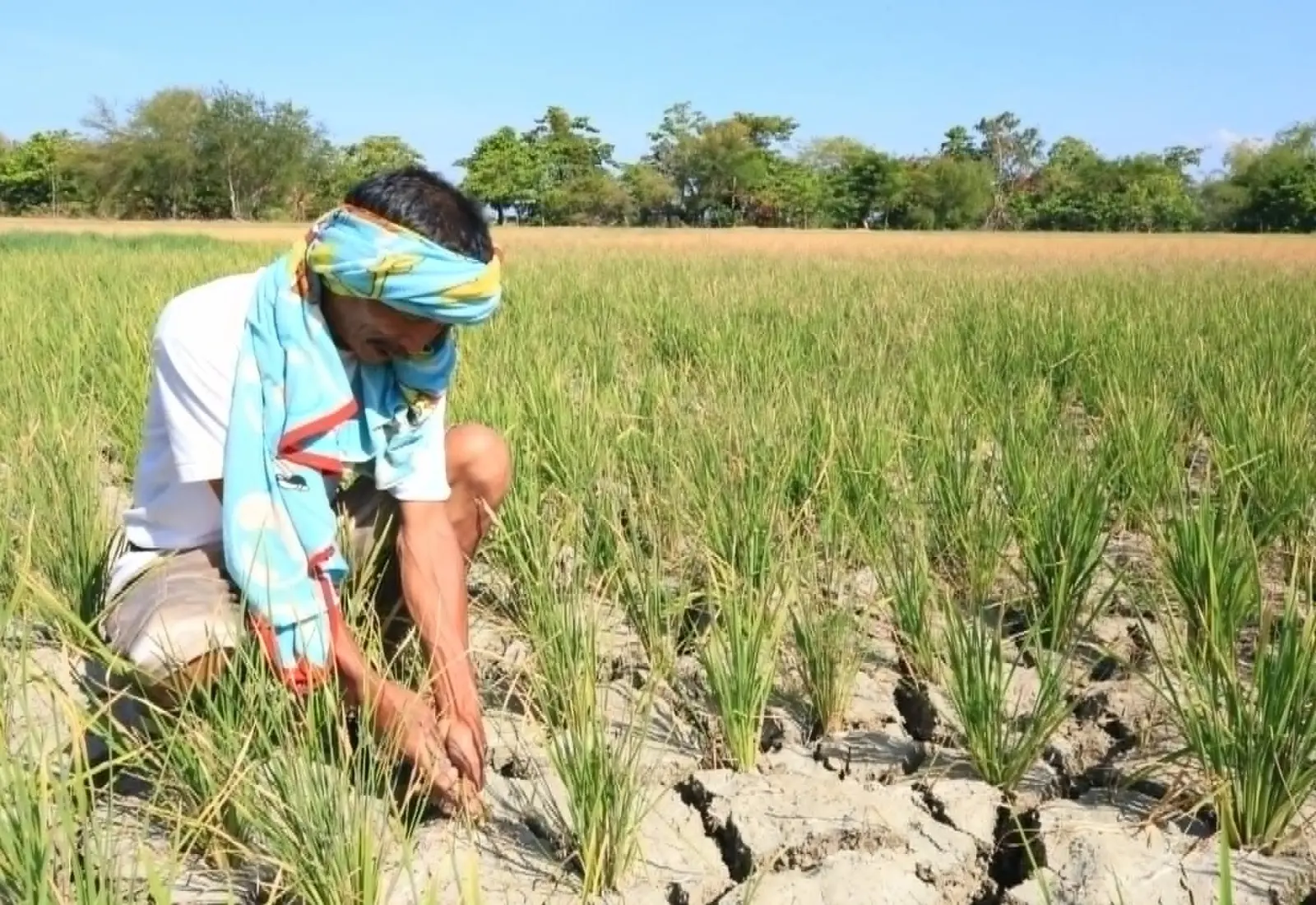
Agricultural workers are also seen to struggle, as the lack of rainfall can affect crop irrigation and production, as well as fisheries. However, the Department of Agriculture (DA) said that it received an additional P6.2 billion for fuel subsidies and other forms of assistance to help farmers, fisherfolk, and other agricultural workers to cope with the higher fuel costs and the initial effects of El Niño later this year. They are also repeatedly building a bigger food buffer.
Government Preparations
The Palace, meanwhile, urged Filipinos not to hoard or panic-buy bottled water amid threats of the severe El Niño. Instead, Filipinos should prepare “calmly” by repairing leaks and conserving water supply.
In a recent press briefing, Palace Communications Officer Claire Castro said that “the government is prepared for this phenomenon,” citing the Task Force El Niño established in 2024 after a major loss in agriculture amounting to P57.78 billion. She further assured Filipinos that the government has allocated funds for El Niño response, particularly for climate information, agriculture and food, irrigation, and water supply. The Department of Social Welfare and Development (DSWD) has reportedly provided P745 million worth of aid to drought-affected areas in the country as of October 3.
frequently asked questions
El Niño is marked by abnormally warm sea surface temperatures in the Central and Eastern Equatorial Pacific, and above-average cool ocean temperatures over the Philippine Sea. This results in warm phases in the country that often bring drought to some regions.
The term “Super El Niño” is generally used to describe an exceptionally strong El Niño, referring to the intensity of the warming in the equatorial Pacific and the scale of its expected effects. Super El Niño is expected to bring even harsher heat compared to regular El Niño and is reported to possibly surpass previous “historical” El Niño episodes.
PAGASA has warned of an intensifying Super El Niño that could persist into the first half of 2027, starting from September 2026.
According to the National Water Resources Board (NWRB), the water supply in Metro Manila could be reduced in October or lowered to 44 cubic meters per second from the usual 50-53 allocation.
The Department of Agriculture (DA) said that it received an additional P6.2 billion from the government for fuel subsidies and other forms of assistance to help farmers, fisherfolk, and other agricultural workers to cope with the higher fuel costs and the initial effects of El Niño later this year. They are also repeatedly building a bigger food buffer.
Recommended Video