

In the Philippines, defending the environment comes with a cost. As reported by the investigative and climate organization Global Witness, the Philippines has been named Asia’s deadliest country for land and environmental defenders for the 13th consecutive year now.
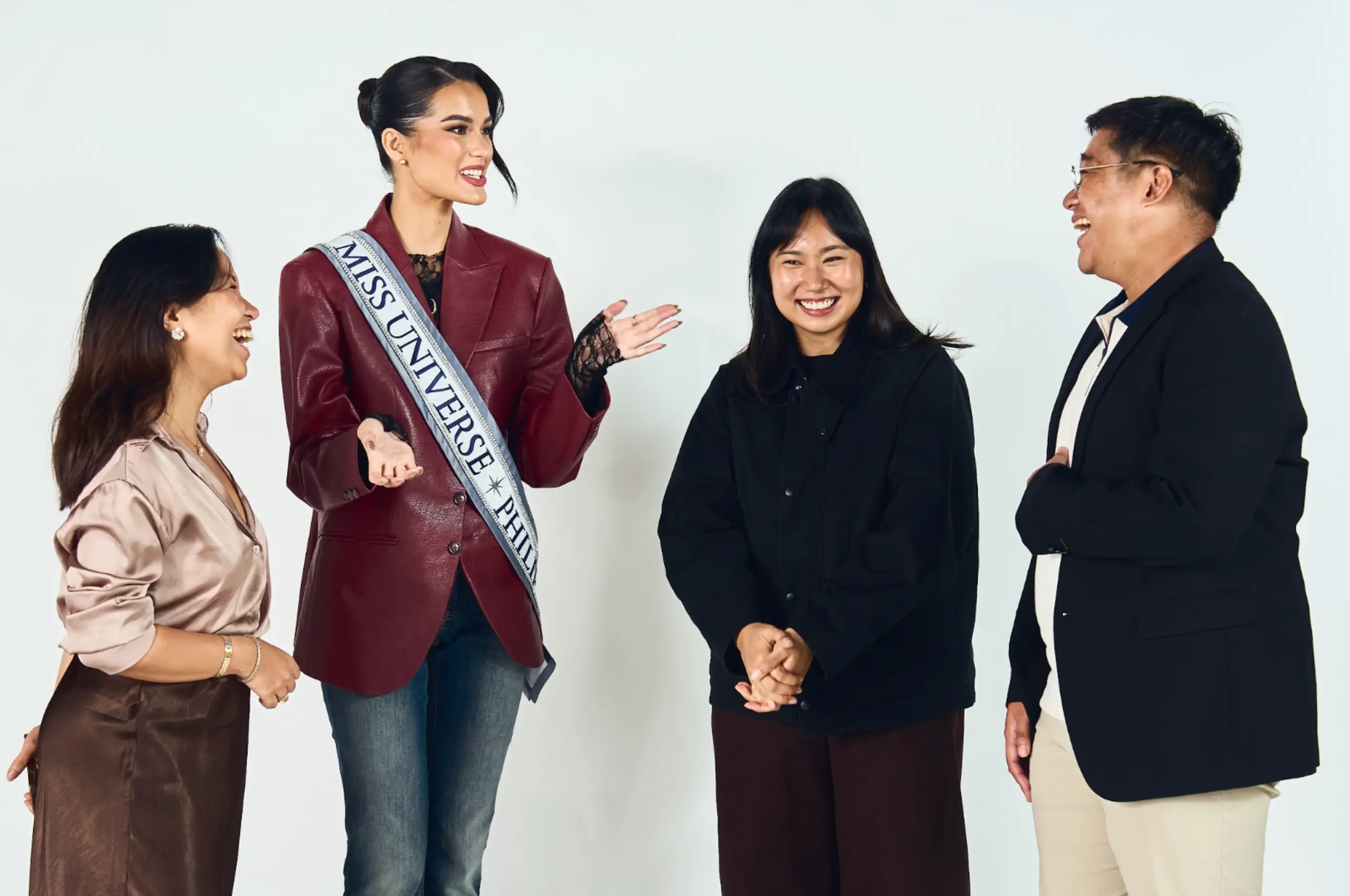
In this latest episode of Rolling Stone Philippines Roundtable, climate advocates discuss what it means to fight for a livable Philippines, and why protecting the environment can be so perilous.
For Miss Universe Philippines 2025 Bea Millan-Windorski, the climate became inseparable from everyday life after seeing how natural disasters heavily affect the community. After having worked in both the United States and the Philippines, she saw the difference between awareness and the difficulties faced by the defenders on the ground. “Climate is more approachable here in the Philippines, but it is more dangerous,” she said.
This danger was echoed by For the Future co-founder Issa Barte, who shared that talking about the environment alone could already be so controversial in today’s time. “We just want clean air, and we’ll get killed over it,” she added. Barte described this environmental crisis as a “crisis of imagination and empathy and connection.” She argued that the climate revolution asks people to look beyond ourselves and work together, and that is what keeps her and her team going.
Masungi Georeserve co-founder Ann Dumaliang stressed that protecting the environment ultimately means listening to the people closest to it, or simply to those who inhabit it. “There’s an inherent disregard for the importance of frontliners to start, especially indigenous people,” she said. According to Dumaliang, the indigenous people are environmental defenders who have witnessed the changes in their ecosystems firsthand. “If you want to unlock how we will solve the climate crisis, you need to go back to those roots. That’s human history of interaction with nature.”
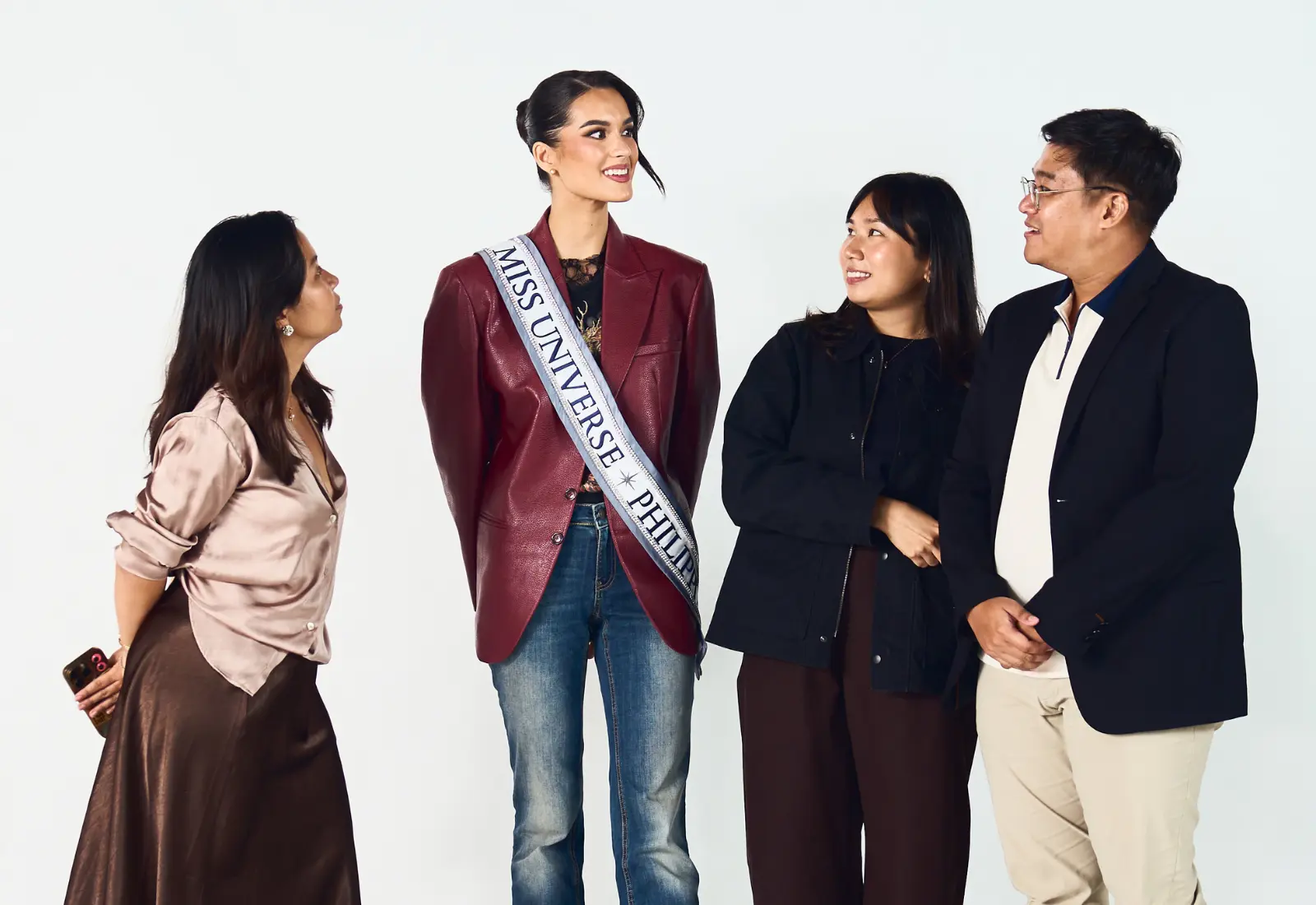
When asked what makes environmental protection dangerous, Jefferson Chua of Greenpeace Philippines pointed out the politicians and businessmen behind megacorporations. “If you threaten the profit, then you’re a target,” he said. This targeting can take on different forms, like red-tagging, which Indigenous people and activists fall victim to when they oppose government-backed projects, as reported by the Human Rights Watch.
The four advocates also discussed how to continue with the advocacy despite hopelessness, climate change as an everyday reality for Filipinos, and the challenges of funding their work.
Watch the full episode of the latest Rolling Stone Philippines Roundtable on our YouTube channel.
FREQUENTLY ASKED QUESTIONS
Global Witness has named the Philippines as Asia’s deadliest country for environmental defenders for 13 consecutive years, reflecting the sustained risk faced by activists and advocates.
Bea Millan-Windorski said climate issues feel more approachable in the Philippines than in the U.S., where she’s also worked, but far more dangerous for defenders on the ground.
Issa Barte described the Philippines’ environmental crisis as a “crisis of imagination and empathy.”
Ann Dumaliang says indigenous frontliners are routinely overlooked despite witnessing ecosystem changes firsthand, and that solving the climate crisis means returning to that human-nature relationship.
Jefferson Chua says politicians and businessmen behind large corporations target environmental defenders once their advocacy threatens corporate profit.
Recommended Video