


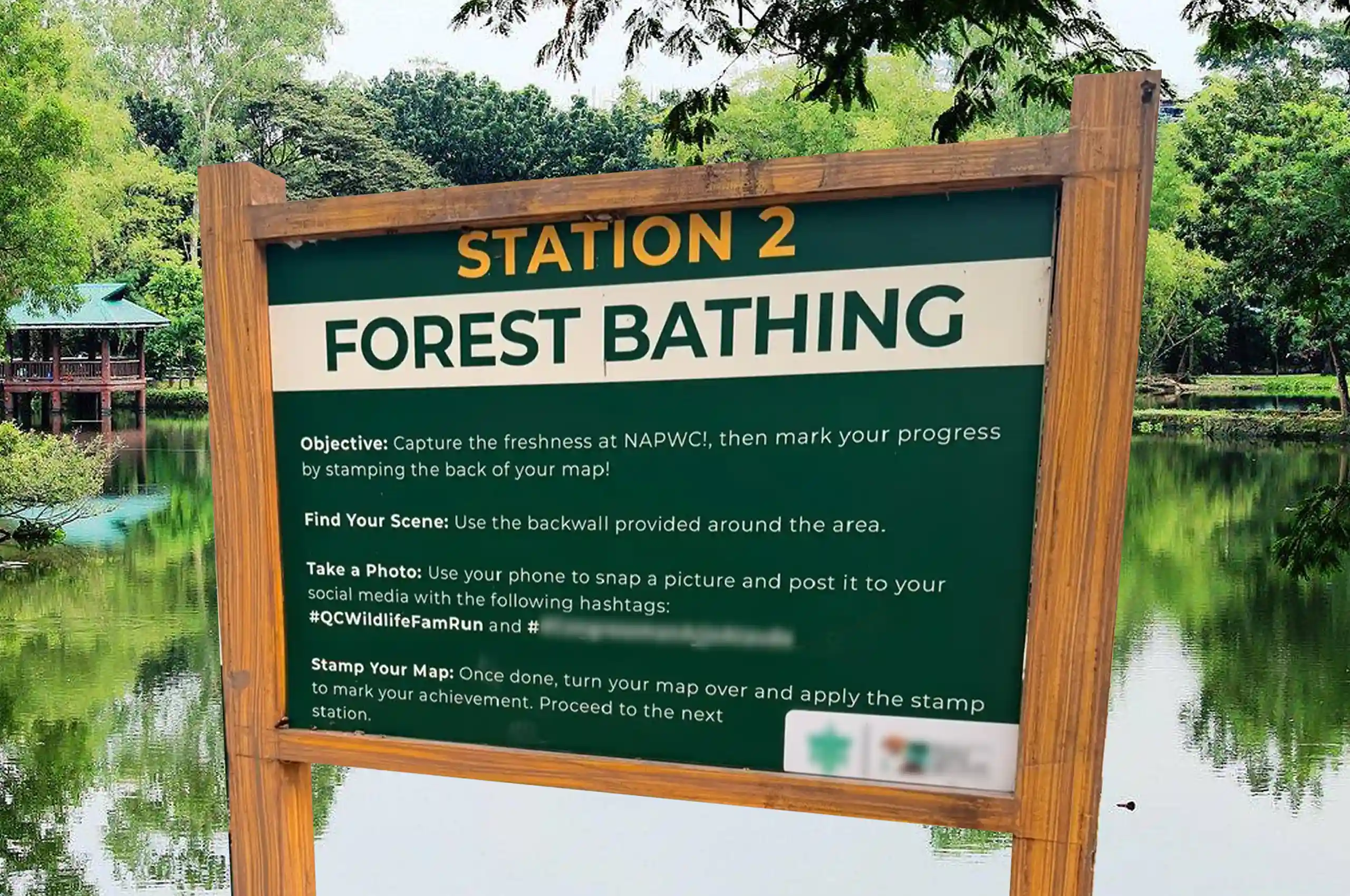
Public parks and spaces are supposed to belong to the public, as their names suggest. But in some parts of the country, they can also double as oversized political calling cards. Just recently, a TikTok post called attention to the name of Quezon City District 1 Representative Arjo Atayde stamped as a hashtag on signage at the Ninoy Aquino Parks and Wildlife Center (NAPWC). Visitors were encouraged to take photos and post them with the congressman’s hashtag. Needless to say, it wasn’t well received.
The practice of politicians advertising in public spaces is nothing new, and exactly the kind of “epal” move the Department of Interior and Local Government (DILG) says it wants to put an end to. “Epal,” short for “mapapel,” is a slang word in Filipino referring to people who seek attention or take undue credit.
Early this year, the DILG implemented Memorandum 2026-006 entitled Prohibition on the Display and/or Affixture of the Name, Image, and Likeness of Public Officials on Government Projects, also known as the Anti-Epal policy. According to the memo, all undertakings must remain “neutral and free from any form of self-promotion from public officials.”
The directive targets the use of initiatives as platforms for personal branding through any form of identification that could make it appear that a public official personally provided or funded them. It further cited Republic Act 6713, or the Code of Conduct and Ethical Standards for Public Officials and Employees, Commission on Audit rules, and the 2026 General Appropriations Act — all of which prohibit the attachment of government officials’ names to public-funded initiatives.
The DILG also stated that any violation shall be held administratively and/or criminally liable in accordance with pertinent laws, rules, and regulations; hence, all covered public officials and government employees are directed to strictly comply. The department has made its position clear. But judging by the signs still standing, the “epal” problem isn’t going anywhere just yet.
CALLS FOR PARK IMPROVEMENT
The signage appears to be connected to developments at the NAPWC. In an Instagram post in 2025, the Center said that a groundbreaking ceremony was held for the construction of a multi-level parking facility and the rehabilitation of the raptor enclosure. They then credited Atayde for his “unwavering support” in making the Center a more sustainable tourism destination and a better home for wildlife, adding that the developments were aligned with the NAPWC Management and Development Plan.
The TikTokTikTokA social media platform for creating, sharing, and discovering short-form videos, featuring music, trends, challenges, and personalized content.Go to TikTok Glossary user, @lifewith.han, took the photo during a visit to the park on May 21, but said that she saw the sign was still up when she visited a week ago. While she says the signs with Atayde’s name and logo are prevalent in the area, she also notes that what struck her during her frequent visits is the condition of the animals in the wildlife center.
“Though it’s nice to have third spaces but before everything else, it’s a wildlife park. But there are so many animals in poor condition,” she told Rolling Stone Philippines. “That’s really the one reason why I posted because I wished he used his platform to advocate for the animals or even the park man lang,” she added.
She also mentioned that the park has improved to be more conducive to visitors, but that “a lot of the spots are not prioritized,” citing that the enclosures for the ostrich and crocodile previously had trash inside.
The TikTokTikTokA social media platform for creating, sharing, and discovering short-form videos, featuring music, trends, challenges, and personalized content.Go to TikTok Glossary user has reported to the Quezon City local government through both its website and email, but has yet to receive a reply.
FREQUENTLY ASKED QUESTIONS
Memorandum 2026-006 entitled Prohibition on the Display and/or Affixture of the Name, Image and Likeness of Public Officials on Government Projects, also known as the Anti-Epal policy, is an order implemented by the Department of Interior and Local Government (DILG) that mandates government officials and units to remove any names, slogans, or likenesses of public officials from taxpayer-funded projects.
“Epal,” short for “mapapel,” is a slang word in Filipino referring to people who seek attention or take undue credit.
Arjo Atayde is a Filipino actor and politician who serves as a representative of Quezon City’s First District. His name was recently called out online after signage bearing his name appeared at the Ninoy Aquino Parks and Wildlife Center.
The DILG said violations may result in administrative and/or criminal liability in accordance with applicable laws, rules, and regulations.
The directive cites Republic Act No. 6713, Commission on Audit rules, and the 2026 General Appropriations Act as bases for prohibiting the attachment of government officials’ names to publicly funded initiatives.
Recommended Video