

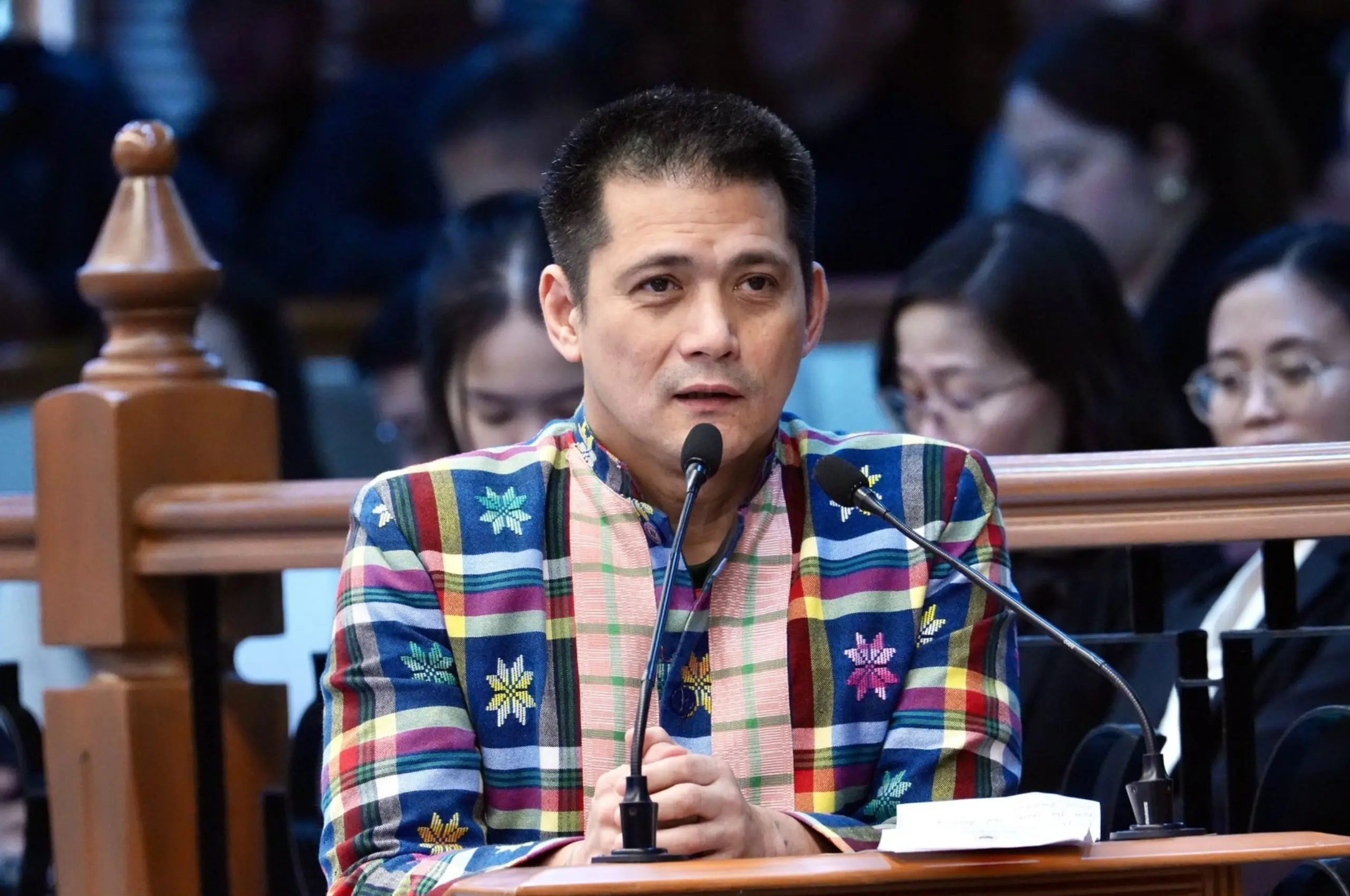
Senator Robin Padilla once again became the subject of criticism after he claimed that the war in the Middle East and the Philippines’ supposed involvement in conflicts between China and Taiwan are reason enough for Sen. Ronald “Bato” dela Rosa to remain absent from Senate sessions. “Hindi po ba ito force majeure?” he asked rhetorically on Facebook — to which his fellow lawmakers answered, “No.”
Minutes after the first post on Facebook, dated May 27, Padilla doubled down on his definition of force majeure, adding that El Niño, a period characterized by unusually warm sea surface temperatures, and the recent Senate shootout also constitute force majeure.
What is Force Majeure?
The Civil Code of the Philippines defines force majeure as events that “could not be foreseen, or which, though foreseen, were inevitable.” Senator Francis “Kiko” Pangilinan further pointed out on social media that force majeure refers to a “natural disaster o calamity o sa legal terminology ‘Acts of God’ na wala na sa kamay ng tao.”
On X, Sen. Panfilo “Ping” Lacson posted a screenshot of Padilla’s first Facebook post with the caption “Hindi po ito ‘force majeure.’ Iyan po ay ‘unforced error.’”
In an interview on Thursday, May 28, Sen. Erwin Tulfo also said that war “is not part of force majeure,” and added that the warm climate is not enough of an excuse for a senator not to appear in session. “‘Yung El Niño, I don’t know how that shall affect na kailangan hindi pumasok ang isang senador dahil mainit?” he said.
The argument over the definition of force majeure arose as senators continue to debate over whether to allow dela Rosa to participate in Senate sessions remotely. According to Philstar, senators from the majority bloc had argued that the Senate already allowed remote participation during the COVID-19 pandemic, which was considered force majeure.
Frequently Asked Questions
Under the Civil Code of the Philippines, force majeure refers to events that could not be foreseen or, if foreseen, were inevitable — commonly understood as natural disasters or “Acts of God” beyond human control.
Padilla argued that the Middle East war, China-Taiwan tensions, El Niño, and the Senate shootout all constitute force majeure, using it to justify Bato dela Rosa’s Senate absences. Fellow senators and the Civil Code disagreed.
Ping Lacson called it an “unforced error” on X. Kiko Pangilinan clarified the legal definition on social media. Erwin Tulfo stated in an interview that neither war nor El Niño qualifies as grounds for missing Senate sessions.
Senators are debating whether to allow dela Rosa to participate in sessions remotely. Padilla’s attempt to apply force majeure to geopolitical and climate conditions was challenged as a misreading of the legal standard.
Yes, during the COVID-19 pandemic, which was formally recognized as force majeure. The current debate questions whether regional conflicts or El Niño meet the same legal threshold.
Recommended Video