



Trials are ongoing against Chinese nationals accused of espionage, the Philippine Center for Investigative Journalism (PCIJ) reports. But can the 84-year-old Espionage Act hold up against the modern technology used by the alleged spies, or is the law, crafted during World War II, due for a 21st-century update?
In January, National Security Adviser Eduardo Año urged Congress to pass amendments to strengthen the espionage law after the National Bureau of Investigation (NBI) arrested a suspected Chinese spy and two Filipino accomplices. The group allegedly drove around Luzon in a vehicle fitted with a Light Detection and Ranging (LiDAR) scanner and Global Navigation Satellite System (GNSS) technology, which can map out topography, terrain, and man-made structures.
According to PCIJ, at least 13 Chinese nationals have been arrested and charged on suspicion of espionage this year.
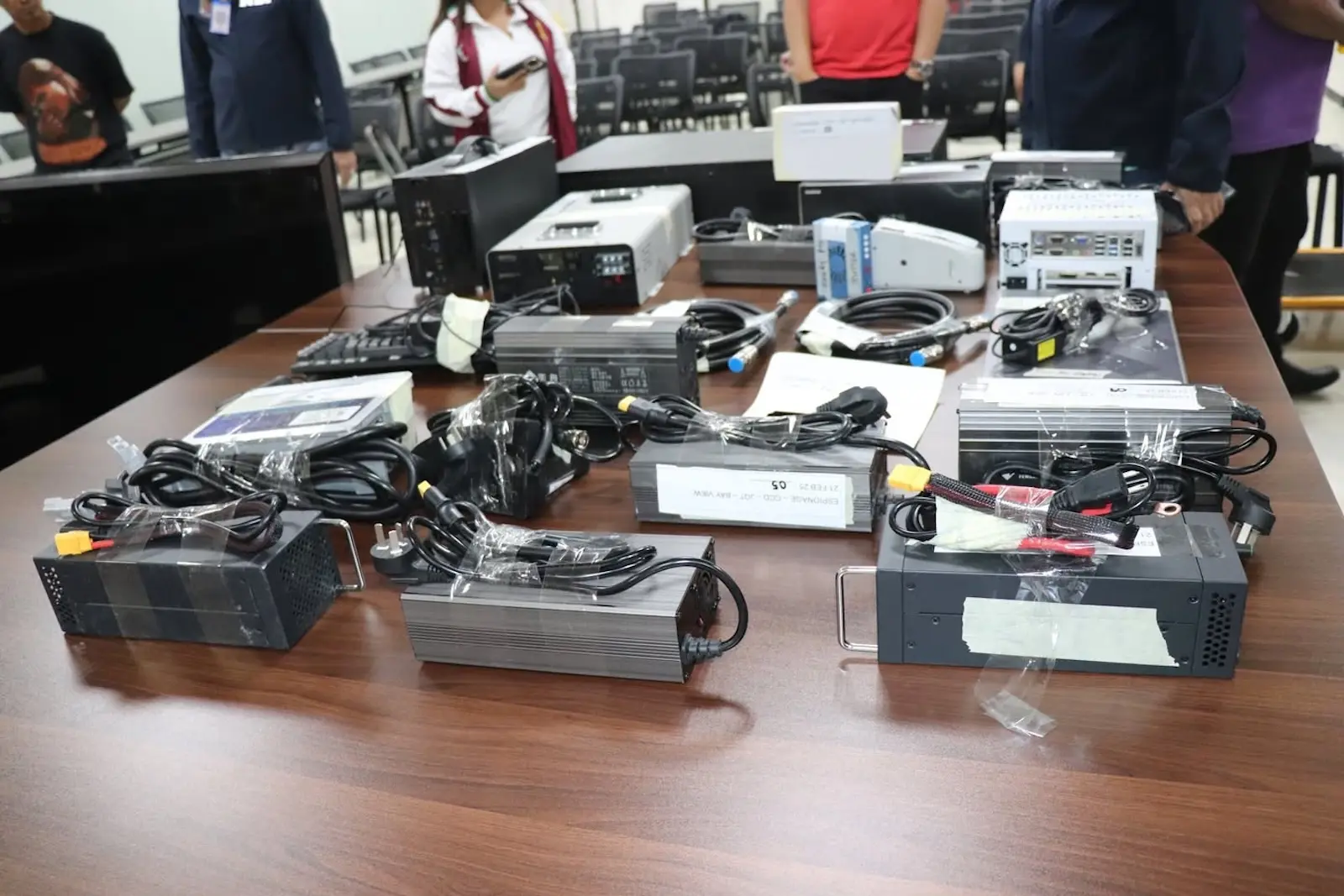
“Chinese spies use sophisticated equipment, work with local accomplices, and engage in cyber operations,” Año told PCIJ. “It could undermine national stability if sensitive or classified information and access to critical infrastructures are obtained by hostile agents.”
However, the Espionage Act of 1941 only takes into account dated espionage tactics, while most of its provisions apply during times of war. For example, Sections 11 to 14 prohibit tampering with and causing damage to war and national defense material, including arms, ammunition, livestock, food, and fuel. The law also prohibits acts of espionage committed against the U.S., of which the Philippines was still a territory during the time of the legislation’s crafting.
Recommended Video